
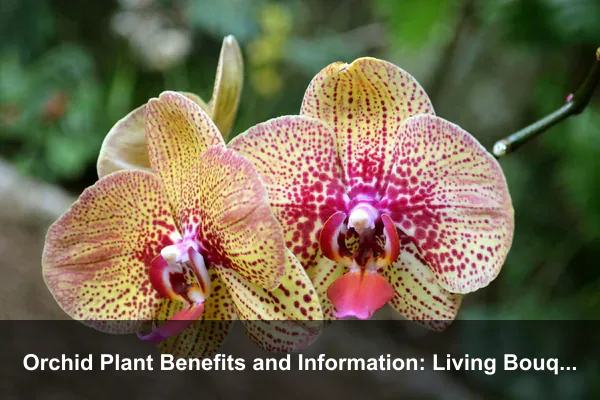
Orchids are often treated as luxury flowers, but their real value goes far beyond a beautiful bloom on a windowsill. A healthy orchid can act like a living bouquet: it brings weeks or even months of color, stays compact, creates very little mess, and can keep growing after its display period ends. That makes orchids especially useful for apartments, desks, reception areas, small homes, and anyone who wants ornamental flowers without constantly replacing cut stems.
This guide explores orchid plant benefits and information from a practical and fresh angle: how orchids function as long-lasting, low-waste flowering displays while also teaching useful plant observation skills. You will learn what makes orchids different from ordinary potted flowers, why they are valuable indoors, how to choose the right type, and how to care for them without turning orchid growing into an intimidating hobby.
Why Orchids Work So Well as Living Bouquets
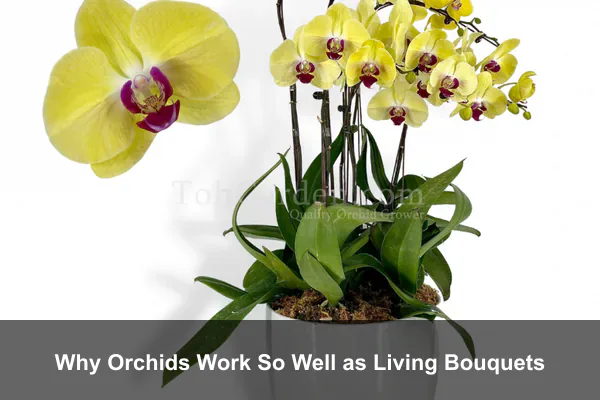
The most distinctive benefit of an orchid is its ability to provide a floral display for a long time while remaining alive and reusable. A vase of cut flowers may look beautiful for several days, but it eventually wilts and must be discarded. Many common orchids, especially Phalaenopsis, can hold blooms for several weeks when placed in suitable indoor conditions. After the flowers fade, the plant can rest, grow new leaves and roots, and potentially bloom again.
This living-bouquet quality makes orchids useful for people who enjoy flowers but dislike the waste, cost, and short lifespan of repeated cut arrangements. Instead of buying temporary floral decor every week, one orchid can become a continuing part of the home. It offers beauty first, then a quiet care routine, then another possible flowering cycle later.
Long Display Time with a Small Footprint
Orchids are excellent for small spaces because they deliver a strong visual effect without taking over a room. Their upright flower spikes create height, while their pots often fit easily on a shelf, side table, kitchen counter, vanity, or office desk. This is one reason orchids are popular in modern interiors: they look refined, but they do not need the floor space required by large foliage plants.
For renters and apartment dwellers, orchids are especially practical. They can brighten a room without heavy containers, spreading vines, dropping petals everywhere, or requiring outdoor garden space. Their compact shape also allows several plants to be grouped together for a rotating bloom display.
A Cleaner Alternative to Cut Flower Arrangements
Fresh bouquets are enjoyable, but they often involve plastic sleeves, floral foam, frequent water changes, stem trimming, and discarded plant material. Orchids reduce that cycle. A potted orchid may still come with packaging, but the plant itself continues living after purchase. With careful selection, one orchid can provide repeated ornamental value for years.
This does not mean orchids are automatically more sustainable in every situation. Transport, nursery practices, pots, and growing media all matter. However, when a well-grown orchid is kept alive and enjoyed through multiple bloom cycles, it can become a more thoughtful alternative to disposable floral decor.
Main Benefits of Orchid Plants Indoors
Orchid plant benefits and information should be realistic. Orchids are not magic air purifiers, instant stress cures, or medicinal plants for casual home use. Their strongest benefits are ornamental, emotional, educational, and practical. They improve how a space feels, encourage gentle routines, and reward close observation.
- Long-lasting beauty: Many orchids bloom for weeks, giving lasting color compared with many short-lived flowers.
- Compact decor value: Orchids suit desks, shelves, bedrooms, dining tables, and small apartments.
- Low soil mess: Many orchids grow in bark or other airy media rather than dense potting soil.
- Observation skills: Leaves, roots, buds, and flower spikes teach growers how to notice plant signals.
- Calm routines: Checking moisture, rotating the pot, and watching new growth can become a simple mindful habit.
- Gift value: Orchids feel special but can last much longer than many cut-flower gifts.
- Design flexibility: A single blooming orchid can make a plain surface look intentional and polished.
Ornamental Value Without Visual Clutter
Some houseplants become sprawling, heavy, or difficult to place as they mature. Orchids usually stay more contained. The leaves form a low base, while the flowers rise above them on graceful stems. This structure makes orchids useful in clean, organized spaces where a large leafy plant might feel too busy.
White orchids are common in minimalist rooms, but color choices are much broader. Pink, yellow, green, burgundy, spotted, striped, and patterned flowers can support many interior styles. For a calm look, choose one color family. For a collected botanical look, group different orchid types with varied flower shapes.
Wellness Value Through Attention, Not Hype
The wellness benefit of orchids comes mostly from the experience of caring for something beautiful and alive. The routine is gentle: look at the roots, check whether the medium is drying, notice whether leaves are firm, and enjoy slow changes. This kind of plant care can make indoor spaces feel less static and more connected to natural rhythms.
It is important to avoid exaggerated health claims. Orchids should not be presented as medical treatments. Their value is better understood as environmental enrichment: they add beauty, support a calmer atmosphere, and give people a reason to pause during the day.
Essential Orchid Information for Beginners
Orchids belong to one of the largest and most diverse flowering plant families in the world. Many popular indoor orchids are tropical or subtropical plants that naturally grow attached to trees rather than rooted deeply in ordinary soil. These are called epiphytes. In nature, they use trees for support while absorbing moisture and nutrients from air, rain, and organic debris around their roots.
This background explains why many orchids dislike soggy soil. Their roots need air as much as water. A beginner who understands this single point will avoid one of the most common orchid problems: keeping the plant too wet in a dense, poorly drained pot.
Common Indoor Orchid Types
Not all orchids need the same care, but several types are widely grown indoors. Knowing the differences helps you choose a plant that fits your room and your routine.
- Phalaenopsis: Often called the moth orchid, this is the most common beginner orchid. It has broad leaves, arching flower spikes, and long-lasting blooms.
- Dendrobium: This group includes many forms, often with cane-like stems and clusters of flowers. Some types need brighter light and a clearer rest period.
- Oncidium: Known for sprays of smaller flowers, many Oncidium orchids prefer bright, indirect light and even moisture with good airflow.
- Cattleya: Famous for bold, showy flowers, Cattleya orchids usually need brighter conditions than a typical moth orchid.
- Paphiopedilum: Often called slipper orchids, these have distinctive pouch-shaped flowers and can be a good option for moderate indoor light.
For most beginners, Phalaenopsis is the easiest place to start. It tolerates normal household temperatures, blooms for a long time, and is widely available. More specialized orchids can be added later once you understand your home’s light, humidity, and watering rhythm.
What Orchid Roots Tell You
Orchid roots are not hidden background parts; they are active indicators of health. Many common orchids have thick roots covered with a spongy layer called velamen. This layer helps absorb moisture quickly and can change appearance depending on hydration. Silvery roots often indicate dryness, while green roots often show recent watering or moisture.
Healthy roots are usually firm. Dead roots may be hollow, mushy, or papery. Observing roots through a clear pot can help beginners decide when to water without guessing. This is one of the reasons many orchids are sold in transparent nursery pots.
How to Choose an Orchid for Real-Life Use
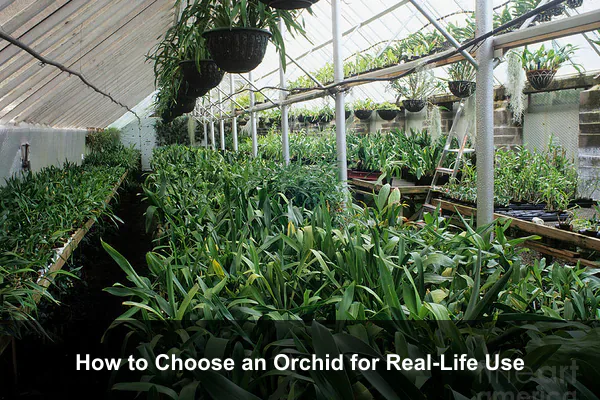
A good orchid purchase starts with matching the plant to the place where it will live. A flower color may attract you first, but plant structure, root health, bud condition, and room conditions matter more for long-term success. The best orchid is not always the one with the most open flowers; it is the one that has strong roots, healthy leaves, and unopened buds that can continue developing at home.
Check the Plant Before Buying
When choosing an orchid, take a slow look at the whole plant. Avoid plants with collapsed leaves, blackened crowns, mushy roots, or a sour smell from the pot. A few blemishes on older leaves may be normal, but widespread yellowing or soft tissue can signal stress.
- Look at the leaves: They should be firm, not limp or deeply wrinkled.
- Inspect the roots: Visible roots should be firm, not mostly brown and mushy.
- Check the crown: The center of a moth orchid should be dry and firm, not wet or rotting.
- Choose some unopened buds: A plant with both open flowers and buds often gives a longer display.
- Examine for pests: Look under leaves and around flowers for sticky residue, webbing, or small insects.
Match Orchid Type to Your Lifestyle
If you travel often or forget watering, choose a forgiving Phalaenopsis and keep it in a visible location where you will notice it. If you enjoy plant experiments, try Oncidium or Cattleya once you can provide brighter light. If your home is compact, a miniature orchid can give the same botanical charm in a smaller pot.
For office settings, choose a sturdy plant with long-lasting flowers and minimal fragrance. Strong scents can bother coworkers, while delicate plants may suffer in dry air or inconsistent weekend care. For gifts, include simple care guidance so the recipient understands that the orchid is a living plant, not a disposable decoration.
Basic Orchid Care for Long-Lasting Benefits
Good orchid care is less about complicated rules and more about balance. Most beginner problems come from three habits: watering too often, placing the plant in harsh sun, or leaving it in a decorative container with trapped water. If you avoid those mistakes, orchid care becomes much easier.
Light: Bright but Gentle
Most indoor orchids prefer bright, indirect light. An east-facing window is often suitable, while a south or west window may need a sheer curtain to soften direct afternoon sun. Leaves can help you judge the light. Very dark green leaves may indicate too little light, while yellowish or scorched patches may mean too much direct sun.
Light needs vary by orchid type, so avoid using one rule for every plant. A moth orchid usually needs less light than a Cattleya. If your orchid grows leaves but never flowers again, insufficient light may be one reason, though feeding, maturity, and seasonal cues can also play a role.
Water: Soak, Drain, and Let Air Return
Orchid roots need moisture followed by airflow. For many orchids in bark, a good method is to water thoroughly, let excess water drain completely, and then wait until the medium approaches dryness before watering again. The exact timing depends on pot size, medium type, temperature, airflow, and humidity.
Do not let an orchid sit in standing water unless you are growing a type and system designed for that method. Decorative cachepots are attractive, but they can hide pooled water at the bottom. After watering, check that the inner pot has drained before placing it back inside the outer container.
Humidity and Air Movement
Many orchids appreciate moderate humidity, but they also need air movement. A stagnant, constantly wet environment can encourage fungal or bacterial issues. In dry homes, grouping plants, using a humidity tray correctly, or running a room humidifier nearby can help. However, the goal is not to create a swamp; the goal is steady comfort with good airflow.
Avoid misting flowers heavily, especially in rooms without airflow. Water sitting on petals or in the crown of a moth orchid can cause spots or rot. If you mist, do it lightly and early enough that the plant dries before night.
Feeding Without Overdoing It
Orchids need nutrients, but too much fertilizer can damage roots. Use a balanced orchid fertilizer at a diluted strength during active growth, following the product label carefully. Many growers prefer a weak, regular feeding routine instead of strong occasional doses.
Flush the potting medium with plain water from time to time to reduce mineral buildup, especially if you use tap water with high dissolved minerals. If leaf tips brown or roots decline after heavy feeding, review your fertilizer strength and water quality.
Orchids as Learning Plants for Families and Beginners
One underappreciated benefit of orchids is their educational value. Because orchids grow slowly and show clear signals, they encourage patient observation. Children and beginner gardeners can learn that plants do not all grow the same way. Some live in soil, some cling to trees, some store water in thick leaves, and some use specialized roots to handle changing moisture.
Orchids also introduce basic botanical ideas in a visible way. Flower symmetry, pollination structures, aerial roots, new leaf growth, and bud development are all easy to observe. A single orchid on a kitchen table can become a small science lesson without needing a large garden.
Simple Observation Activities
For families, classrooms, or curious adults, orchids can support simple learning routines. These activities keep care practical while making the plant more meaningful.
- Track how long each flower stays open.
- Photograph a bud every few days until it blooms.
- Compare root color before and after watering.
- Measure how slowly a new leaf expands.
- Observe which room location keeps the leaves firmest.
- Record watering dates and adjust based on root and medium condition.
These small observations build plant confidence. Instead of following rigid schedules, growers learn to respond to evidence. That skill applies to many other houseplants and garden plants too.
Decorating with Orchids Without Making Care Harder
Orchids are often styled in ways that look attractive but make care more difficult. Moss packed tightly around the base, sealed glass containers, oversized decorative pots, and poor drainage can all create problems. The best display method supports both beauty and plant health.
Use Decorative Pots Carefully
A decorative outer pot can improve the look of an orchid, but it should not trap water around the roots. Keep the orchid in a ventilated inner pot, water it where it can drain, and return it to the decorative container only after excess water has escaped. This preserves the polished appearance without sacrificing airflow.
Clear pots are useful for beginners because they allow root inspection. If you prefer a ceramic outer pot, choose one that leaves room around the nursery pot rather than squeezing it tightly. Air gaps help the medium dry more evenly.
Group Orchids for a Rotating Display
If you own several orchids, you can rotate them based on bloom stage. Keep non-blooming plants in the best growing location, then move blooming plants to a more visible spot for short periods. This strategy gives you the look of constant flowers without forcing every orchid to live permanently in a decorative but unsuitable location.
For example, a bright plant shelf can serve as the growing area, while a dining table or entry console becomes the temporary display zone. Once flowering ends, the orchid returns to stronger growing conditions. This approach respects the plant’s needs while still using orchids as living decor.
Common Orchid Mistakes and Better Habits
Many orchid problems are preventable. The plant may seem mysterious, but most issues come from understandable care habits carried over from ordinary potted plants. Orchids often need a slightly different approach because of their root structure and growth style.
Overwatering
Overwatering is the classic orchid mistake. It is not just about the amount of water; it is about how long the roots stay wet without air. A plant watered frequently in a dense or compacted medium may decline even if each watering seems small. Let the pot drain fully, learn the weight of the pot when dry versus wet, and use root appearance as a guide.
Ignoring the Potting Medium
Orchid bark breaks down over time. As it decomposes, it holds more moisture and less air. A plant that once dried properly may begin staying wet too long. Repotting into fresh orchid mix when the medium becomes degraded can restore airflow and prevent root stress.
Moving the Plant Too Often
Orchids can adapt to home conditions, but constant relocation can interrupt that adjustment. Find a bright, stable place away from harsh sun, heating vents, and cold drafts. Move the plant mainly when you have a reason, such as improving light, protecting buds, or displaying flowers temporarily.
Cutting Too Much Too Soon
After flowering, beginners often wonder what to cut. Brown, dry flower spikes can be trimmed. Green spikes on some moth orchids may produce side branches, though this can vary. Avoid cutting healthy roots just because they grow outside the pot; aerial roots are normal for many orchids.
Safety, Allergies, and Practical Home Considerations
Orchids are generally considered clean, low-mess ornamental plants for indoor spaces, but practical safety still matters. Some people may be sensitive to plant materials, pollen, fragrance, or mold in damp media. If you have allergies, asthma, pets, or small children, place orchids thoughtfully and monitor how the household responds.
Many commonly sold orchids are not known for heavy pollen release into the air, which can make them suitable for people who prefer low-pollen decor. However, this does not guarantee that every person will tolerate every orchid. Fragrant varieties may bother sensitive individuals, while overly wet potting media can encourage mold growth.
Pet and Child Awareness
Many orchids are commonly grown in homes with pets, but plant labels and species identification still matter. Even when a plant is not highly toxic, chewing flowers, bark, fertilizer residue, or decorative materials can upset a pet’s stomach. Keep orchids out of reach if pets or children tend to explore plants by mouth.
Also be careful with stakes, clips, wires, and decorative stones. These accessories can be more hazardous than the plant itself. A simple, stable display is usually safer and easier to maintain.
How Orchids Fit the Manfaat Tanaman Perspective
In the broader manfaat tanaman perspective, plants are valued not only for physical uses but also for beauty, learning, emotional comfort, and healthier daily routines. Orchids fit this idea well. They may not be kitchen herbs or medicinal plants, but they offer meaningful benefits through ornamental value, mindful attention, and long-term appreciation of living flowers.
An orchid encourages a different relationship with decoration. Instead of treating flowers as temporary objects, you care for the plant behind the flowers. That shift can make indoor greenery feel more responsible and rewarding. The plant becomes part of the home’s rhythm: blooming, resting, growing, and blooming again when conditions support it.
Practical Orchid Care Checklist
If you want the benefits of orchids without overcomplicating the process, start with a simple checklist. This keeps care consistent while leaving room to observe the plant’s actual needs.
- Place the orchid in bright, indirect light.
- Use a pot and medium that allow fast drainage and airflow.
- Water thoroughly, then let the pot drain completely.
- Check roots and medium before watering again.
- Keep water out of the crown when possible, especially at night.
- Avoid placing orchids near hot vents, cold drafts, or harsh afternoon sun.
- Feed lightly during active growth with a suitable orchid fertilizer.
- Repot when the medium breaks down or roots become unhealthy.
- Remove dead flower spikes, but do not cut healthy aerial roots unnecessarily.
- Choose orchid varieties that match your actual home conditions.
Conclusion
Orchids deserve their reputation as elegant flowering plants, but their deeper value is practical. They offer long-lasting color, compact beauty, low-mess indoor decor, and a rewarding way to learn plant observation. When understood as living bouquets rather than disposable decorations, orchids become a smart choice for homes, apartments, offices, and thoughtful gifts.
The most important orchid plant benefits and information are simple: choose a healthy plant, give it bright indirect light, water with drainage in mind, protect root airflow, and observe changes instead of following rigid routines. With that approach, an orchid can provide beauty for weeks, learning for years, and a quieter connection to living nature inside everyday spaces.
