
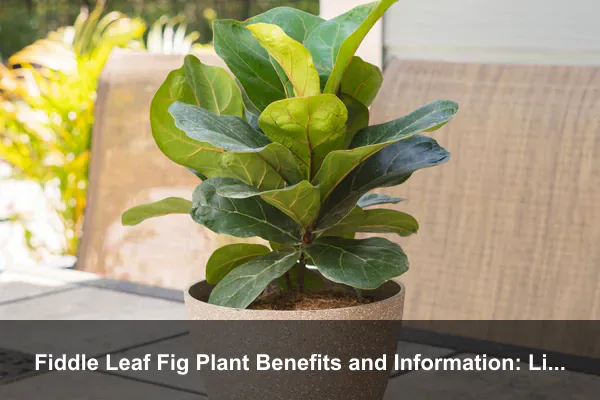
The Fiddle Leaf Fig is one of the most recognizable indoor plants because of its large, violin-shaped leaves and sculptural upright form. For many homeowners, it is more than a decorative plant; it becomes a living focal point that changes the feeling of a room without adding clutter. This guide covers practical Fiddle Leaf Fig plant benefits and information from a fresh angle: how its leaf structure, light needs, placement, and daily care habits can improve the comfort and visual balance of modern indoor spaces.
Known botanically as Ficus lyrata, the Fiddle Leaf Fig comes from tropical regions of western Africa, where it grows in warm, bright conditions. Indoors, it rewards consistent care with bold foliage and strong vertical presence. It is not the easiest beginner plant, but it is also not mysterious. When you understand its natural preferences, you can enjoy its beauty while avoiding common problems such as leaf drop, brown edges, and weak growth.
What Makes the Fiddle Leaf Fig Special?
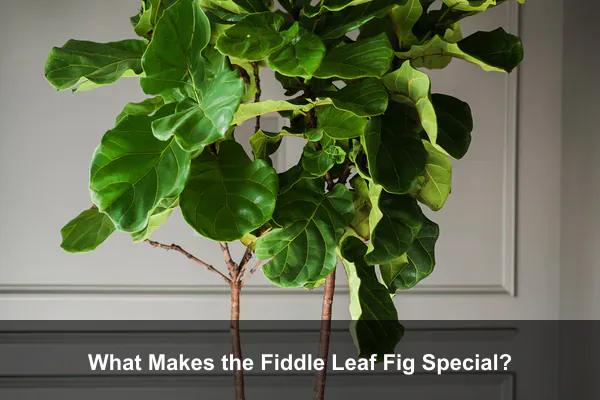
The Fiddle Leaf Fig stands out because of its oversized leaves, upright trunk, and architectural silhouette. Unlike trailing plants or compact tabletop greenery, it creates height and structure. This makes it useful in living rooms, reading corners, entry areas, offices, and bright bedrooms where a single plant can soften hard lines and add a sense of life.
Its leaves are broad, leathery, and shaped like a fiddle or violin, which explains the common name. Mature indoor plants can become tree-like, especially when trained with a single trunk. Smaller plants may grow as bushier specimens, offering a fuller look for corners or plant groupings.
Basic Plant Profile
- Botanical name: Ficus lyrata
- Common name: Fiddle Leaf Fig
- Plant type: Tropical evergreen houseplant
- Best indoor light: Bright, indirect light with gentle morning sun if acclimated
- Watering style: Deep watering after the upper soil dries
- Pet safety: Toxic if chewed by cats, dogs, or children
- Main appeal: Large statement leaves and strong interior design value
Key Benefits of Growing a Fiddle Leaf Fig Indoors
The benefits of a Fiddle Leaf Fig are mainly visual, emotional, and environmental. It should not be treated as a miracle air purifier, but it can still support a healthier indoor lifestyle by encouraging plant care routines, softening spaces, and adding natural texture.
It Adds Strong Visual Impact
A healthy Fiddle Leaf Fig works like living furniture. Its tall form can fill a blank wall, balance a sofa, frame a window, or make an empty corner feel intentional. Because the leaves are large, even one plant can make a room look greener without needing many small pots.
It Supports Biophilic Design
Biophilic design is the idea that natural elements can make built spaces feel more comfortable and restorative. A Fiddle Leaf Fig helps achieve this because it brings organic shape, natural color, and seasonal change into the home. Its visible growth can make a room feel less static and more connected to nature.
It Encourages Mindful Care
This plant responds clearly to its environment. Drooping leaves, dusty surfaces, brown edges, or leaning growth all provide clues. For plant owners, this encourages observation and routine. Wiping leaves, checking soil moisture, rotating the pot, and adjusting light become small habits that can make indoor gardening feel rewarding.
It Improves Room Texture Without Fragrance
For people who enjoy greenery but prefer fragrance-free plants, the Fiddle Leaf Fig is a good option. It offers visual richness without strong scent, pollen-heavy blooms, or herbal aroma. This makes it useful in shared homes, offices, and calm interiors where scent sensitivity matters.
Light Requirements for Healthy Growth
Light is the most important factor in Fiddle Leaf Fig success. Many problems blamed on watering actually begin with poor light. In dim rooms, the plant uses water slowly, growth weakens, and leaves may drop. In harsh direct sun, leaves can scorch if the plant has not been gradually acclimated.
Best Indoor Placement
Place the plant near a bright window where it receives strong indirect light. East-facing windows are often excellent because they provide gentle morning sun. South- or west-facing windows can also work if the light is filtered by a sheer curtain or if the plant is placed a short distance back from the glass.
Avoid dark corners unless you use a grow light. A Fiddle Leaf Fig may survive in lower light for a while, but it usually becomes leggy, slow-growing, and more vulnerable to overwatering.
Signs the Light Is Right
- Leaves remain upright and firm.
- New growth appears during the growing season.
- The plant does not lean dramatically toward the window.
- Soil dries at a steady, predictable pace.
- Leaf color stays rich green without scorched patches.
Watering and Soil Information

Watering a Fiddle Leaf Fig is about balance. The plant dislikes sitting in soggy soil, but it also reacts poorly to extreme dryness. The goal is to water thoroughly, then let the upper portion of the potting mix dry before watering again.
How to Water Properly
- Check the soil with your finger or a moisture meter.
- Water only when the top few inches feel dry.
- Pour water evenly until excess drains from the bottom.
- Empty the saucer so the roots are not standing in water.
- Wait for the soil to partially dry before repeating.
Do not water on a strict calendar without checking the soil. A plant in bright light may need water more often than one in a cooler, shaded room. Pot size, humidity, season, and soil type all affect watering frequency.
Best Soil Mix
A Fiddle Leaf Fig needs a well-draining potting mix that still holds some moisture. A quality indoor potting mix amended with perlite, bark, or pumice can help prevent compaction. The container should always have drainage holes.
Good soil supports oxygen around the roots. When soil becomes dense and wet for too long, roots can decline, leading to yellowing leaves, brown spots, and sudden leaf drop.
Leaf Care and Everyday Maintenance
The large leaves are the main attraction, but they also collect dust. Dusty leaves reduce the plant’s ability to absorb light and can make the plant look dull. Regular cleaning keeps the Fiddle Leaf Fig attractive and supports healthy growth.
How to Clean the Leaves
Use a soft damp cloth to wipe the top and underside of each leaf. Support the leaf gently with one hand while cleaning with the other. Avoid commercial leaf shine products because they may clog leaf pores or leave residue.
Rotation and Shape
Because the plant grows toward light, rotate the pot slightly every week or two. This helps maintain even growth. If the plant becomes top-heavy, a support stake may help while the trunk strengthens. Pruning can also encourage branching, but cuts should be made carefully and only during active growth.
Common Problems and Simple Solutions
Fiddle Leaf Figs have a reputation for being dramatic, but most problems come from sudden changes, poor drainage, incorrect light, or inconsistent watering. Understanding the cause is better than reacting quickly with extra water or fertilizer.
Brown Leaf Edges
Brown edges can come from underwatering, dry air, salt buildup, or inconsistent moisture. Check the soil pattern first. If the soil is pulling away from the pot, water may be running down the sides instead of soaking the root ball.
Yellow Leaves
Yellowing often points to overwatering or soil that stays wet too long. Make sure the pot drains well and the plant receives enough light. If several lower leaves yellow at once, inspect the roots and review watering habits.
Leaf Drop
Leaf drop can happen after moving the plant, repotting, sudden temperature changes, or a major light shift. Keep the plant away from cold drafts, air-conditioning blasts, and heating vents. Give it stable conditions before making more changes.
Leaning Growth
A leaning Fiddle Leaf Fig usually needs more balanced light. Rotate the pot regularly and consider moving it closer to a brighter window. Weak, stretched growth is a sign that the plant is reaching for light.
Safety and Practical Home Use
While the Fiddle Leaf Fig offers many decorative and lifestyle benefits, it is important to understand its safety limits. The milky sap can irritate skin, and the plant is toxic if chewed or swallowed by pets or children. Place it where curious cats, dogs, and toddlers cannot easily reach the leaves.
Wear gloves when pruning or handling broken stems. If sap touches the skin, wash the area with soap and water. This simple precaution keeps plant care comfortable and safe.
Is a Fiddle Leaf Fig Right for Your Home?
This plant is best for people who have bright indoor light and enjoy a steady care routine. It is a strong choice if you want a bold, elegant houseplant that can become part of the room’s design. It may not be the best choice for very dark apartments, homes with plant-chewing pets, or owners who prefer extremely low-maintenance plants.
Choose This Plant If You Have:
- A bright window with filtered light.
- Space for a tall indoor plant.
- A stable room temperature.
- Time to check soil moisture and clean leaves.
- A safe location away from pets and small children.
Consider Another Plant If You Need:
- A very low-light houseplant.
- A pet-safe indoor plant.
- A plant that tolerates frequent neglect.
- A compact plant for a tiny shelf or desk.
Conclusion
The Fiddle Leaf Fig remains popular because it delivers a rare mix of bold beauty, natural texture, and practical indoor value. Its benefits are not limited to decoration; it can support calmer rooms, more mindful routines, and stronger visual balance in the home. When given bright light, proper watering, clean leaves, and stable conditions, it can grow into a long-lasting statement plant.
For anyone searching for reliable Fiddle Leaf Fig plant benefits and information, the most important lesson is simple: this plant thrives when its environment is consistent. Treat it as a living part of the room rather than a static ornament, and it will reward you with impressive foliage and lasting indoor presence.
