
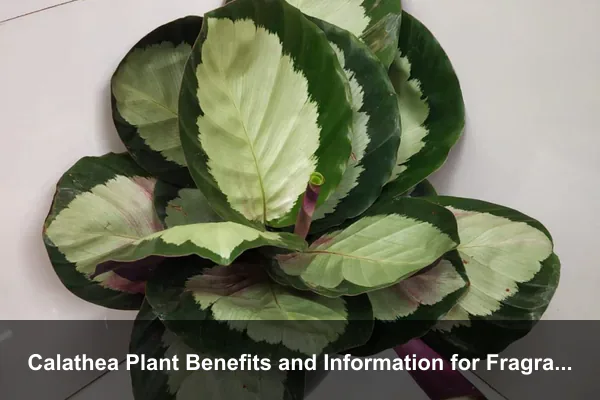
Calathea is often admired for its painted-looking leaves, but its value goes beyond pattern and color. This guide looks at Calathea plant benefits and information from a fresh angle: how this foliage plant can support homes that prefer gentle, fragrance-free, low-pollen indoor greenery without relying on strong floral scents or dramatic plant claims.
In the spirit of manfaat tanaman, or practical plant benefits, Calathea is best understood as a decorative, routine-building, visually calming houseplant. It is not a miracle air purifier or a medical solution for allergies, but it can be a thoughtful choice for people who want soft indoor nature, pet-conscious styling, and a plant that rewards careful observation.
What Makes Calathea Different from Other Houseplants
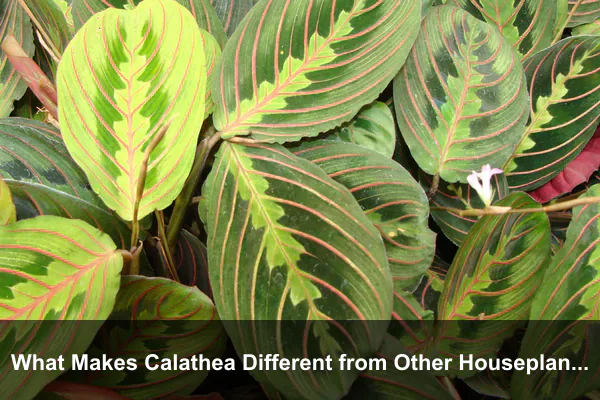
Calathea belongs to the Marantaceae family, a group often called prayer plants because many members raise and lower their leaves between day and night. Many plants still sold as Calathea are now botanically grouped under Goeppertia, but the name Calathea remains common in nurseries and online plant shops.
Botanical Identity in Simple Terms
Calathea is a tropical foliage plant grown mainly for its leaves, not its flowers. The leaves may show stripes, feather-like markings, deep green surfaces, purple undersides, silver tones, or rounded paddle shapes. This makes it useful for interior spaces where people want visual richness without depending on blooms.
Key Benefits at a Glance
- Fragrance-free beauty: Calathea offers decorative value without a strong perfume.
- Low floral mess: It is usually grown for foliage, so it does not rely on frequent indoor blooming.
- Pet-conscious appeal: Calathea is generally considered non-toxic to cats and dogs, though chewing should still be discouraged.
- Visual calm: Repeating leaf patterns can soften desks, shelves, bedrooms, and reading corners.
- Routine support: Its leaf signals help owners notice watering, humidity, and light changes.
Benefits for Fragrance-Free and Allergy-Conscious Rooms
Some homes avoid heavily scented flowers, essential oils, incense, or plants that shed noticeable pollen. Calathea can fit this preference because its main attraction is foliage. The plant gives a room a living focal point without adding a strong floral smell.
A Decorative Plant Without Heavy Floral Scent
For scent-sensitive spaces, Calathea is useful because its beauty comes from texture, markings, and movement. A patterned Calathea leaf can bring the same sense of care and softness that flowers bring, but with a quieter presence. This makes it suitable for bedrooms, study areas, waiting rooms, or calm home offices where strong fragrance may feel distracting.
Dust and Soil Habits Still Matter
Being allergy-conscious does not mean any plant is automatically perfect. Leaves can collect dust, and overwatered soil can encourage musty smells or fungus gnats. To keep Calathea helpful rather than irritating, wipe leaves with a soft damp cloth, avoid soggy soil, remove dead leaves quickly, and provide gentle airflow. These simple habits protect both plant health and room comfort.
Where Calathea Works Best Indoors

Calathea prefers spaces that feel comfortable to people: warm, softly lit, and not too dry. It is a good match for rooms where harsh sunlight is filtered through curtains or where the plant can sit near, but not directly against, a bright window.
Good Rooms for Calathea
- Bedrooms: A small Calathea on a dresser or plant stand adds softness without strong scent.
- Reading corners: Patterned leaves create a quiet visual anchor near chairs or bookshelves.
- Workspaces: Calathea can make a desk area feel less sterile, especially when placed out of direct sun.
- Bathrooms with windows: Natural humidity can help, as long as there is enough indirect light.
Rooms to Avoid or Adjust
Avoid placing Calathea beside air-conditioning vents, heaters, hot west-facing windows, or dark corners with no natural light. These conditions often lead to curling leaves, crispy edges, or faded patterns. If the only available spot is dry, use a pebble tray, group plants together, or run a humidifier nearby.
Care Basics That Support the Benefits
The benefits of Calathea depend on keeping the plant stable. A stressed Calathea may lose color, curl often, or develop brown edges, so care should focus on consistency rather than constant adjustment.
Light
Give Calathea bright, indirect light. Direct sun can scorch or bleach the leaves, while very low light can make patterns less vibrant. A spot near an east-facing window or a few feet from a brighter filtered window often works well.
Water
Water when the top layer of potting mix begins to feel slightly dry, but do not let the entire root ball become bone dry. Calathea can be sensitive to mineral-heavy tap water, so filtered water, rainwater, or rested water may reduce crispy tips in some homes.
Humidity and Temperature
Calathea likes moderate to high humidity and steady warmth. Aim for a room that stays comfortably warm, away from cold drafts and sudden temperature changes. If leaves curl even when the soil is not dry, low humidity may be part of the problem.
Potting Mix
Use a mix that holds light moisture but drains well. A balanced houseplant mix improved with perlite, fine bark, or coco coir can support healthy roots. The goal is evenly moist, airy soil, not compact wet soil.
Choosing the Right Calathea for Your Space
Different Calathea types create different moods. Choose by leaf shape, contrast, mature size, and the amount of attention you can realistically give.
Popular Types to Consider
- Calathea orbifolia: Large rounded leaves with soft silver-green stripes for calm, spacious rooms.
- Calathea makoyana: Often called peacock plant, with delicate markings that suit shelves and plant stands.
- Calathea lancifolia: Also known as rattlesnake plant, with long wavy leaves and bold patterning.
- Calathea roseopicta: Known for dramatic markings and rich undersides, useful as a single focal plant.
Buying Checklist
- Look for firm leaves with clear patterns and no widespread yellowing.
- Check leaf undersides for pests before bringing the plant home.
- Avoid plants sitting in water or smelling sour at the soil surface.
- Choose a size that fits the room without crowding airflow around the leaves.
Common Problems and Simple Fixes
Calathea problems usually come from water, humidity, light, or pests. Reading the symptoms early helps you correct care before the plant declines.
Leaf Edges Turn Brown
Brown edges often point to dry air, inconsistent watering, mineral buildup, or too much direct sun. Trim only the dry parts if needed, then improve humidity and review watering quality.
Leaves Curl During the Day
Curling can happen when the plant is thirsty, chilled, or exposed to dry air. Check soil moisture first, then inspect the room temperature and airflow. Do not overwater automatically, because soggy roots can create different problems.
Yellow Leaves Appear
One older yellow leaf is normal. Several yellow leaves at once may suggest overwatering, poor drainage, or a potting mix that stays wet too long. Let the top layer dry slightly and make sure the pot has drainage holes.
Patterns Look Faded
Faded leaves may mean the plant receives too much sun or too little light. Move it to a brighter filtered spot if it is dim, or pull it away from direct rays if the leaves look washed out.
Safety, Sustainability, and Everyday Use
Calathea is a strong candidate for homes that want ornamental plants with practical benefits. Its pet-friendly reputation is a major advantage, but safe placement still matters. Keep pots stable, prevent pets from digging in soil, and avoid letting children treat any houseplant as edible.
Low-Waste Care Habits
- Reuse nursery pots as inner pots inside decorative planters.
- Propagate only when the plant is large enough to divide safely.
- Refresh the top layer of soil instead of repotting too often.
- Use a moisture check by touch before watering to reduce root stress.
Best Everyday Uses
Use Calathea as a bedside foliage plant, a quiet desk companion, a bathroom accent with natural light, or a living contrast against neutral furniture. Its best value comes from daily presence: soft color, patterned leaves, and a care rhythm that encourages attention without demanding constant work.
Conclusion: Calathea Benefits for Quiet Indoor Living
Calathea plant benefits and information are most useful when the plant is appreciated for what it truly offers: fragrance-free foliage, pet-conscious indoor styling, visual comfort, and a gentle way to bring nature into rooms where strong scents or flowering plants may not be preferred. It is not the easiest houseplant, but it rewards consistent care with leaves that feel artistic, calm, and alive.
For the best results, give Calathea filtered light, steady moisture, good humidity, clean leaves, and a stable room position. With those basics in place, this ornamental plant becomes more than decoration. It becomes a thoughtful part of a healthier-feeling, softer, and more intentional indoor space.
