
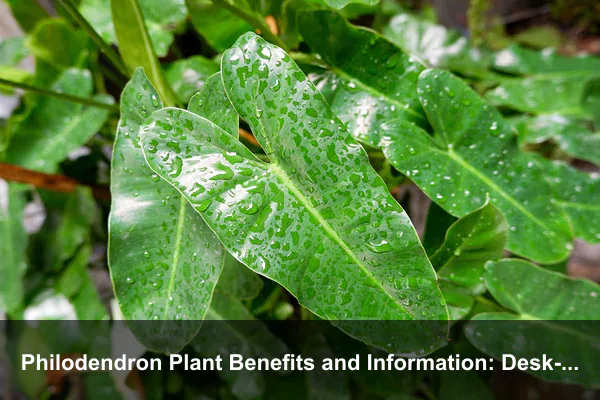
Philodendron plant benefits and information are often discussed in simple terms: attractive leaves, easy care, and a tropical look for indoor spaces. Yet this popular houseplant can be understood from a more practical angle too. For many homes, apartments, and offices, philodendrons are not just decorative plants; they are flexible tools for creating softer rooms, calmer work corners, and more natural daily routines without demanding expert gardening skills.
This guide focuses on a unique, everyday-use perspective: how philodendrons support biophilic interior design, focus-friendly spaces, and low-pressure plant care. You will learn what makes philodendrons useful indoors, how to choose a variety for your room function, where to place them for the best visual and practical value, and how to care for them responsibly. Because philodendrons are ornamental plants rather than edible herbs, this article also explains safety clearly, especially for homes with children and pets.
Why Philodendrons Fit Modern Indoor Living
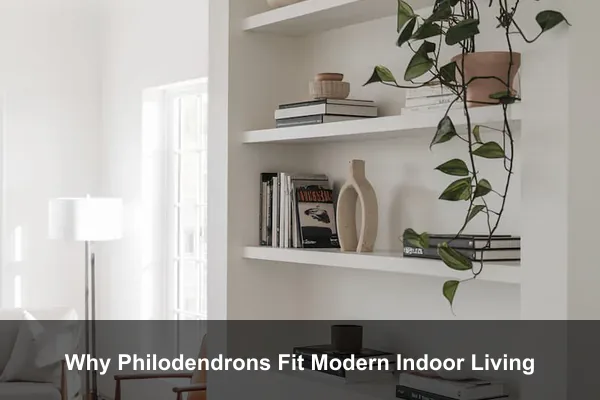
Philodendrons belong to a large group of tropical foliage plants known for glossy, heart-shaped, split, or deeply lobed leaves. Their popularity comes from a rare combination: they look lush and expressive, but many common types are forgiving enough for beginners. This makes them especially useful for people who want greenery in a rented apartment, home office, bedroom corner, or small living room.
From a Manfaat Tanaman perspective, the value of a philodendron is not only about physical plant benefits. It also lies in how the plant changes the feel and function of a space. A living green element can make a desk feel less sterile, soften hard furniture lines, and create a subtle connection to nature during indoor routines.
Unlike flowering plants that may depend on seasonal blooms, philodendrons offer year-round foliage. That makes them dependable for interior design. Their leaves become the main visual feature, whether the plant is trailing from a shelf, climbing a moss pole, or standing as a sculptural floor plant.
A Plant That Works With Many Room Styles
Philodendrons are adaptable in appearance. A heartleaf philodendron looks casual and soft in a small room, while a self-heading type with broader leaves can feel architectural in a modern interior. This flexibility is one reason the plant works in minimalist, tropical, bohemian, and work-focused spaces.
Beginner-Friendly Without Looking Basic
Many beginner plants are chosen only because they survive neglect. Philodendrons offer more than survival. With steady light, suitable watering, and occasional cleaning, they can grow attractively and make a room feel intentionally designed. This balance of easy care and strong visual impact is one of the most practical philodendron plant benefits.
Main Benefits of Philodendron Plants Indoors
Philodendrons are often promoted with broad claims, but it is better to understand their benefits realistically. They are not medical treatments, air purifiers that replace ventilation, or magical wellness objects. Their real value comes from their role in comfort, design, habit-building, and indoor plant learning.
1. Natural Visual Calm
Green foliage can help soften a visually busy room. The rounded, flowing, or dramatic leaf shapes of philodendrons create a calmer contrast against screens, shelves, walls, and office equipment. For people who spend long hours indoors, this natural texture can make a room feel less flat and mechanical.
A trailing philodendron on a bookshelf can break up sharp lines, while a larger upright plant can make an empty corner feel complete. This benefit is especially useful in apartments where major renovation is not possible.
2. Focus-Friendly Desk Presence
A small philodendron near a desk can create a more pleasant work zone. It gives the eyes something natural to rest on between screen tasks. This does not mean the plant directly increases productivity by itself, but it can support a workspace that feels more comfortable and less harsh.
For the best effect, place the plant where it is visible but not in the way. A compact pot near a monitor, a trailing vine on a side shelf, or a climbing plant behind the desk can add greenery without reducing usable workspace.
3. Easy Entry Into Indoor Gardening
Philodendrons are useful learning plants. They respond visibly to care habits, which helps beginners understand indoor plant basics. Yellowing leaves, drooping stems, pale growth, and leggy vines can all teach lessons about watering, light, pot size, and humidity.
Because many philodendrons recover well from minor mistakes, they are less intimidating than more sensitive houseplants. This makes them a good choice for people who want to build confidence before caring for more demanding ornamental plants.
4. Flexible Styling for Small Spaces
Not every home has room for a large plant collection. Philodendrons solve this by growing in different directions. Trailing types can use vertical wall or shelf space. Climbing types can grow upward on supports. Compact varieties can sit on tables, plant stands, or windowside shelves.
This flexibility matters for small homes because it allows greenery without crowding the floor. A single healthy philodendron can provide a strong visual presence when placed well.
5. Low-Pressure Daily Routine
Plant care can become a grounding routine when it is simple. Checking soil moisture, rotating the pot, wiping leaves, and noticing new growth are small actions that connect people with their indoor environment. Philodendrons make this routine approachable because they do not usually require constant attention.
Philodendron Information: Growth Habit, Leaves, and Indoor Behavior
Understanding how philodendrons grow helps prevent common care mistakes. While there are many species and hybrids, most indoor philodendrons can be grouped into two practical habits: vining or self-heading.
Vining Philodendrons
Vining philodendrons produce long stems that trail, hang, or climb. Heartleaf philodendron is a classic example. These plants are useful for shelves, hanging planters, wall-mounted pots, and moss poles. If left unsupported, vines may trail downward. If given a support, they may climb and produce larger leaves over time.
Vining types are usually easier to fit into small rooms because the grower controls the direction. You can prune long stems, root cuttings, or train vines along a support.
Self-Heading Philodendrons
Self-heading philodendrons grow more upright and compact, forming a fuller plant shape rather than long vines. Some have large leaves and need more floor or table space as they mature. These types work well as statement plants in living rooms, reading corners, and entry areas.
Because their leaves can be broad, they benefit from enough space around the plant. Crowding them against furniture or walls may damage leaves and reduce airflow.
Leaf Texture and Shape
Philodendron leaves may be heart-shaped, oval, lobed, narrow, or deeply divided depending on the variety. Their foliage is the main reason people grow them. Leaf shape affects both styling and care. Thin leaves may show stress faster, while thicker leaves may tolerate average indoor conditions better.
Glossy leaves also collect dust. Wiping them gently with a damp cloth improves appearance and allows the plant to receive light more efficiently. Avoid using heavy leaf-shine products because they can leave residue.
Choosing a Philodendron for Your Room Function
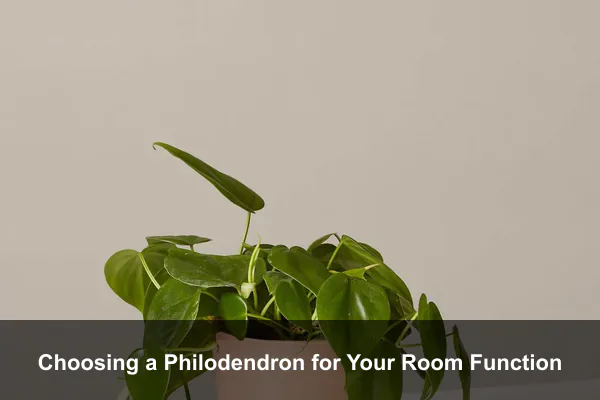
The best philodendron is not always the rarest or most expensive one. A better approach is to choose based on room function, available space, light level, and care habits. This makes the plant easier to maintain and more useful in daily life.
For a Work Desk
Choose a compact vining philodendron in a small pot. Heartleaf types are suitable because they can be trimmed easily and do not need a large footprint. Place the pot where it receives bright, indirect light and does not block your keyboard, notebooks, or cables.
For a Bookshelf
A trailing philodendron works well on a shelf because the vines can fall naturally. Make sure the shelf is close enough to a light source. If the plant becomes thin and stretched, it likely needs brighter indirect light.
For a Living Room Corner
A larger upright philodendron can fill an empty corner with strong foliage. Use a stable pot and rotate it every few weeks so growth remains balanced. Avoid placing it directly beside an air conditioner, heater, or drafty door.
For Small Apartments
Use vertical space. A climbing philodendron on a pole or a trailing plant on a wall shelf can add greenery without taking valuable floor area. This is one of the most useful philodendron plant benefits for renters and city homes.
For Low-Light Areas
Philodendrons tolerate moderate indoor light better than many plants, but tolerance is not the same as thriving in darkness. If a room is too dim to read comfortably during the day without artificial light, it is probably too dim for strong plant growth. In that case, move the plant closer to a window or use a suitable grow light.
Light, Water, and Soil Basics for Healthy Philodendrons
Philodendron care is simple when the basics are consistent. Most problems come from extremes: too much direct sun, too much water, dense soil, or a pot without drainage.
Light Requirements
Bright, indirect light is ideal for most philodendrons. This means the plant receives plenty of daylight without harsh sun burning the leaves. Near an east-facing window, a few feet from a bright window, or behind a sheer curtain often works well.
Too little light can cause long gaps between leaves, smaller new growth, and weak stems. Too much direct sun can create brown patches, faded color, or crispy leaf edges.
Watering Tips
Water when the top part of the soil feels dry. The exact schedule depends on pot size, soil mix, room temperature, humidity, and season. Instead of watering every fixed number of days, check the soil with your finger.
- Water thoroughly: Add water until excess drains from the bottom of the pot.
- Empty saucers: Do not let the pot sit in standing water.
- Adjust by season: Plants often need less water during cooler or darker months.
- Watch the leaves: Drooping may signal thirst, but it can also happen from overwatering and root stress.
Soil and Potting
Philodendrons prefer a loose, well-draining potting mix. A good indoor mix may include potting soil, orchid bark, perlite, coco coir, or similar airy materials. The goal is to hold some moisture while allowing oxygen around the roots.
A pot with drainage holes is strongly recommended. Decorative cachepots are fine, but the inner nursery pot should drain properly. Without drainage, water can collect at the bottom and increase the risk of root rot.
Safety: Are Philodendrons Toxic?
Philodendrons contain calcium oxalate crystals, which can irritate the mouth, throat, and digestive system if chewed or eaten. For that reason, they should be treated as decorative plants only. They are not edible and should not be used in herbal preparations.
This safety point is especially important for families with cats, dogs, toddlers, or anyone who may touch and taste plants. The safest approach is careful placement and clear household habits.
Practical Safety Steps
- Place philodendrons out of reach of pets and small children.
- Use hanging planters, high shelves, or closed rooms if pets chew leaves.
- Wear gloves if you have sensitive skin and are pruning many stems.
- Wash hands after pruning or handling sap.
- Do not compost cuttings where pets may access them.
If a child or pet chews philodendron leaves, contact a medical professional or veterinarian for guidance. Do not rely on home remedies.
Using Philodendrons in Biophilic Interior Design
Biophilic design is the practice of bringing natural elements into built environments. Philodendrons fit this idea because they provide living texture, organic shape, and visible growth. You do not need a large plant collection to apply the concept. One well-placed plant can change the mood of a room.
Create a Soft Visual Anchor
Use a philodendron to anchor a space that feels empty or harsh. A plant near a reading chair, sideboard, or work table can make the area feel more complete. The key is proportion. A tiny pot may disappear in a large room, while a large plant may overwhelm a narrow hallway.
Layer Heights and Textures
Philodendrons work well with other indoor plants when you vary height and leaf shape. For example, a trailing philodendron can sit above a compact plant, while an upright philodendron can stand behind smaller foliage. This creates depth without requiring many decorative objects.
Keep the Look Intentional
A plant looks better when its pot, support, and placement match the room. Choose a pot color that fits your existing decor. Use a simple moss pole, trellis, or stake if the plant needs structure. Remove yellow leaves and trim untidy growth so the plant remains part of the design rather than visual clutter.
Common Philodendron Problems and Simple Fixes
Even easy-care plants can show stress. The advantage of philodendrons is that many issues are correctable when noticed early.
Yellow Leaves
One yellow leaf is often normal, especially if it is old lower growth. Many yellow leaves at once may indicate overwatering, poor drainage, low light, or root problems. Check the soil before adding more water.
Brown Leaf Tips
Brown tips may come from inconsistent watering, dry indoor air, fertilizer buildup, or water quality. Trim damaged tips if needed, but focus on correcting the cause. Flush the soil occasionally if fertilizer salts may have accumulated.
Leggy Growth
Long stems with wide gaps between leaves usually mean the plant is stretching for light. Move it to brighter indirect light and prune long vines to encourage fuller growth. Rooted cuttings can be planted back into the pot for a denser look.
Soft Stems or Mushy Roots
Soft stems and sour-smelling soil can signal rot. Remove the plant from the pot, trim damaged roots with clean tools, and repot in fresh airy mix if enough healthy roots remain. Reduce watering frequency and make sure the pot drains well.
Low-Waste Philodendron Care Habits
Philodendrons can support a more sustainable indoor gardening routine when cared for thoughtfully. This does not require perfection. It simply means buying carefully, maintaining plants well, and reducing unnecessary waste.
Buy the Right Size
A smaller, healthy plant often adapts better than a stressed oversized plant. It is also easier to transport and place. Choose plants with firm stems, active growth, and no obvious pest damage.
Reuse and Refresh
Instead of replacing a tired plant immediately, try pruning, repotting, improving light, or propagating healthy stems. Philodendrons often respond well to renewal care.
Propagate Responsibly
Many vining philodendrons can be propagated from stem cuttings with nodes. This allows you to create fuller pots or share plants. However, avoid taking cuttings from wild plants or protected areas. Indoor propagation should come from plants you own or have permission to trim.
- Choose a healthy stem with at least one node.
- Cut with clean scissors or pruning shears.
- Place the cutting in water or moist propagation medium.
- Keep it in bright, indirect light.
- Pot it into airy soil once roots are established.
Philodendron Care Calendar for Everyday Homes
A simple seasonal rhythm helps keep philodendrons healthy without overcomplicating care.
Weekly
- Check soil moisture before watering.
- Look under leaves for pests.
- Remove fallen leaves from the soil surface.
Monthly
- Wipe dusty leaves with a damp cloth.
- Rotate the pot for balanced growth.
- Check whether vines need trimming or support.
Every Few Months
- Inspect roots if growth has slowed or watering problems continue.
- Refresh the top layer of soil if it looks compacted.
- Fertilize lightly during active growth, following product directions.
Yearly
Review whether the plant needs repotting. A philodendron does not always need a larger pot every year. Repot when roots are crowded, water runs through too quickly, or growth has clearly outpaced the container.
Frequently Asked Questions About Philodendron Plants
Is philodendron a good indoor plant for beginners?
Yes. Many philodendrons are beginner-friendly because they tolerate normal indoor conditions and recover from minor care mistakes. They still need drainage, indirect light, and careful watering.
Can philodendrons clean indoor air?
Philodendrons are living plants that interact with the indoor environment, but they should not be treated as a replacement for ventilation, cleaning, or air filtration. Their strongest everyday benefits are visual comfort, natural texture, and approachable indoor gardening.
How often should I water a philodendron?
Water when the upper soil feels dry rather than following a strict calendar. In warm, bright conditions, watering may be more frequent. In cooler or darker rooms, the plant may need less.
Do philodendrons need sunlight?
They need light, but most prefer bright indirect light instead of harsh direct sun. Too much direct sun can burn leaves, while too little light can cause weak, stretched growth.
Are philodendrons safe for pets?
No. Philodendrons can irritate pets if chewed or swallowed. Keep them away from cats, dogs, and small children, and choose a different plant if your pet regularly bites foliage.
Conclusion
Philodendron plant benefits and information become more useful when viewed through everyday indoor living. These plants offer more than attractive leaves. They can soften workspaces, support biophilic design, fit small homes, teach beginner plant care, and bring a steady sense of greenery into rooms that might otherwise feel plain or stressful.
The best results come from choosing the right philodendron for your space, giving it bright indirect light, watering only when the soil needs it, using a well-draining mix, and placing it safely away from pets and children. With those basics in place, a philodendron can become one of the most practical and rewarding ornamental houseplants for modern indoor life.
