
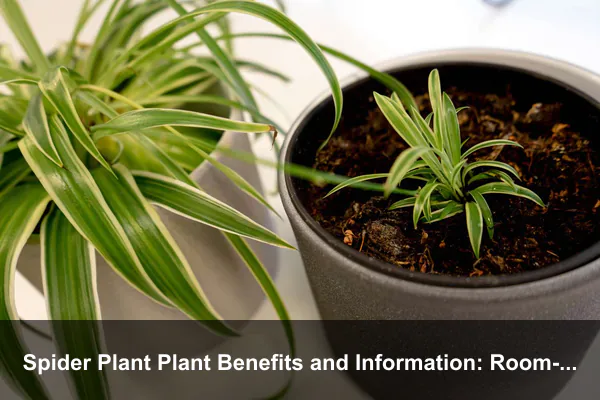
The spider plant is one of the rare houseplants that feels both familiar and genuinely useful. Its arching green-and-white leaves soften shelves, brighten corners, and make a room feel more lived-in without demanding complicated care. For many indoor gardeners, it is the first plant that proves a home can stay green even when life gets busy.
This guide takes a fresh angle on Spider Plant plant benefits and information by looking at the plant as a room-by-room companion for everyday indoor living. Instead of repeating only the usual easy-care advice, we will explore how spider plants support calmer routines, smarter placement, practical observation, and healthier houseplant habits. In the spirit of manfaat tanaman, the focus is on realistic plant benefits: beauty, comfort, learning, indoor freshness, and simple daily value without exaggerated promises.
Why Spider Plant Belongs in a Practical Indoor Plant Plan
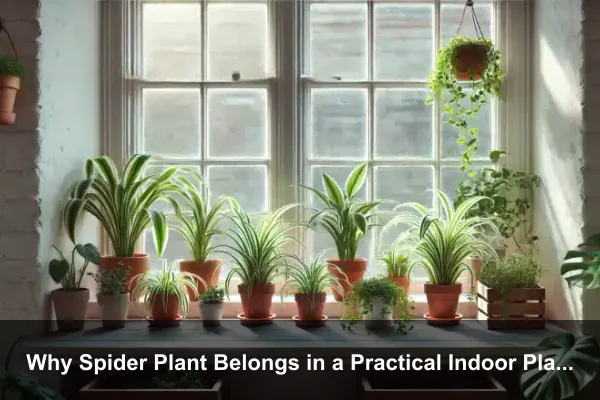
The spider plant, botanically known as Chlorophytum comosum, is a clump-forming perennial often grown indoors for its graceful foliage. Mature plants develop long, narrow leaves that spill outward like a fountain, making them useful for tabletops, shelves, plant stands, and hanging positions. Many types also produce small white flowers followed by baby plantlets on trailing stems.
Its biggest advantage is adaptability. A spider plant can handle ordinary household temperatures, indirect light, occasional missed watering, and different room layouts better than many decorative houseplants. That makes it valuable not only as a pretty object but as a steady part of a home routine.
For SEO readers searching for Spider Plant plant benefits and information, the essential point is this: the spider plant is not just a beginner plant. It is a practical design plant, a routine-building plant, and a useful visual indicator of indoor conditions. Its leaves often show when light, water, pot size, or humidity needs adjustment, helping owners become more observant without needing advanced gardening tools.
Main Spider Plant Benefits for Everyday Homes
Spider plant benefits are best understood as practical lifestyle benefits rather than miracle claims. It can contribute to a healthier-feeling home, but it should be paired with ventilation, cleaning, good light, and sensible care habits.
Visual freshness without high maintenance
The first benefit is simple but powerful: spider plants make indoor spaces look fresher with very little effort. Their striped leaves add movement and brightness, especially in rooms with neutral walls, wooden furniture, or compact layouts. Because the leaves arch outward, one healthy plant can visually fill more space than its pot size suggests.
A realistic indoor air conversation
Spider plants are often mentioned in discussions about indoor air quality. Controlled research has shown that some plants can absorb certain airborne compounds in laboratory conditions, but a few houseplants cannot replace proper ventilation or air filtration in real homes. The practical benefit is more balanced: spider plants add living greenery, encourage owners to open windows, maintain cleaner surfaces, and pay attention to indoor comfort.
Support for calmer routines
Watering, checking leaves, rotating the pot, and removing dry tips can become small moments of pause. These actions do not need to be spiritual or complicated. They simply create a regular rhythm away from screens and noise. For people who want low-pressure indoor gardening, a spider plant offers enough feedback to stay interesting but not so much drama that it becomes stressful.
Room-by-Room Spider Plant Placement Ideas
The best place for a spider plant is bright, indirect light, but that still leaves many options. A room-by-room approach helps you use the plant more effectively instead of placing it randomly and hoping for the best.
Living room
In a living room, a spider plant works well on a side table, open shelf, or hanging bracket near a bright window. Its curved leaves soften hard furniture edges and create an easy focal point without blocking views. If the room receives harsh afternoon sun, place the plant a short distance from the window or use a sheer curtain.
Kitchen
A kitchen spider plant can make a practical space feel cleaner and more natural. Place it where steam and heat will not hit it directly. A bright counter corner, upper shelf, or breakfast nook can work well. Avoid placing the pot beside a stove, oven vent, or fruit bowl that attracts pests.
Bedroom
In a bedroom, spider plants are useful for gentle greenery rather than dramatic display. A small plant on a dresser or windowsill adds freshness without strong fragrance. Keep it where leaves will not brush pillows, curtains, or humidifiers constantly. The goal is restful simplicity.
Bathroom
A bathroom with a window can be a good location because spider plants appreciate moderate humidity. However, a dark bathroom is not suitable. If the only light comes from artificial bulbs, rotate the plant with a brighter room every week or choose a different placement.
Care Information That Keeps Spider Plants Attractive
Spider plant care is easy, but easy does not mean careless. A plant may survive poor conditions for a long time while slowly losing its color, shape, and energy. Good care keeps it full, bright, and balanced.
Light requirements
Give your spider plant bright, indirect light whenever possible. Variegated types need enough light to maintain their white or cream stripes. Too little light can make growth thin and dull. Too much direct sun can scorch leaves, especially near hot glass.
A practical test is to place the plant where you can read comfortably during the day without turning on a lamp, but where sunlight does not beat directly on the leaves for hours. Rotate the pot every one or two weeks so all sides receive light evenly.
Watering rhythm
Water when the top layer of soil feels dry. In many homes, that means once a week during active growth and less often in cooler months, but your room conditions matter more than a fixed schedule. Use your finger, a wooden stick, or the pot weight as a guide.
When you water, water thoroughly until excess drains from the bottom, then empty the saucer. Constantly wet soil can lead to root stress. Repeated drought can cause limp leaves and dry edges. A steady middle path is better than frequent tiny splashes.
Soil and potting
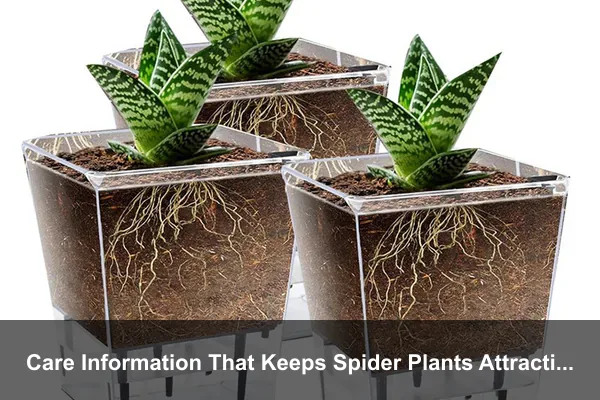
Use a loose, well-draining potting mix. A standard indoor plant mix usually works if the pot has drainage holes. If your home is humid or you tend to overwater, add perlite, pumice, or coarse material to improve airflow around the roots.
Spider plants often tolerate being slightly root-bound, but they should not be trapped forever. Repot when roots circle tightly, water runs straight through, or the plant lifts itself above the soil. Move up only one pot size at a time so the mix does not stay wet too long.
How to Read Spider Plant Leaf Signals
One underrated benefit of growing spider plants is that they teach observation. Their leaves respond visibly to indoor conditions, helping you make small corrections before serious decline happens.
Pale or faded leaves
Pale leaves often suggest insufficient light, old exhausted soil, or a plant that has been sitting in the same pot for too long. Move it gradually to a brighter position and consider feeding lightly during the growing season. Do not overfertilize, because too much fertilizer can create its own problems.
Limp growth
Limp leaves can mean underwatering, overwatering, heat stress, or damaged roots. Check the soil first. If it is bone dry, water deeply. If it is soggy, pause watering and improve drainage. The same symptom can have different causes, so soil inspection matters.
Dry leaf edges
Dry tips and edges are common with spider plants. Causes may include dry air, inconsistent watering, mineral-heavy water, fertilizer buildup, or natural aging. Trim affected edges with clean scissors if they bother you, but focus on improving the routine rather than chasing perfect leaves. A few marks do not mean the plant is failing.
Spider Plant Benefits for Small Spaces and Busy Schedules
Small homes need plants that earn their place. Spider plants are useful because they create a generous visual effect without requiring a large pot. Their fountain shape looks full on a narrow shelf, high cabinet, or suspended hanger.
For busy people, the plant is forgiving enough to recover from occasional neglect. It does not collapse immediately after one missed watering, and it usually responds well once care improves. That resilience makes it a smart choice for apartments, offices, dorm rooms, rented homes, and shared spaces.
Another benefit is portability. A spider plant can be moved easily when seasons change or furniture shifts. If a corner becomes too dark in winter, the plant can relocate to a brighter window. If summer sun becomes too harsh, it can move back into softer light. This flexibility helps indoor gardeners adjust without replacing the plant.
Propagation and Sharing Without Clutter
Mature spider plants often produce plantlets, sometimes called babies, on long stems. These plantlets are one reason the plant feels rewarding. However, a productive spider plant can quickly create clutter if every baby is potted without a plan.
Use propagation intentionally. Choose strong plantlets with small root nubs, place them in water or directly into moist potting mix, and keep only the number you can care for well. Extra plantlets can be shared with friends, used to refresh tired displays, or grown as small gifts.
A simple propagation plan looks like this:
- Select only healthy plantlets with firm leaves and visible root points.
- Root them in small containers so they do not sit in oversized wet soil.
- Label the date if you are tracking growth or comparing methods.
- Keep the best plants and give away extras before your space becomes crowded.
This approach keeps the benefit of easy propagation while avoiding the common problem of too many small pots and not enough light.
Buying and Choosing a Healthy Spider Plant
When buying a spider plant, choose structure over size. A compact, evenly colored plant with firm leaves is usually better than a large plant with weak, stretched growth. Check the soil surface, leaf bases, and underside of leaves for pests or rot.
Look for these signs of a strong plant:
- Leaves that are firm, upright, or naturally arching rather than mushy.
- Clear variegation if you are buying a striped type.
- No sour smell from the potting mix.
- Roots that are present but not bursting aggressively from every drainage hole.
- New central growth, which shows the plant is still active.
Common spider plant types include green forms, white-edged variegated forms, and curly forms. Choose based on your room style and light level. Highly variegated plants often need brighter conditions, while greener forms may tolerate slightly lower light.
A Simple 30-Day Setup Routine
The first month with a spider plant should be about observation rather than constant adjustment. Many new owners overcorrect too quickly, moving the plant daily or watering whenever a leaf looks different. A calmer setup routine gives better results.
Week 1: Place and observe
Put the plant in bright, indirect light and leave it there. Check the soil before watering. Some leaf adjustment is normal after transport or a change in environment.
Week 2: Set a watering baseline
Notice how long the soil takes to dry. This becomes your personal watering guide. A plant in a warm, bright room may dry faster than one in a cool, shaded corner.
Week 3: Rotate and clean
Turn the pot slightly so growth stays even. Wipe dusty leaves with a soft damp cloth. Clean leaves receive light more efficiently and look better.
Week 4: Decide whether to repot
Do not repot automatically on day one unless the plant is clearly root-bound or the soil is poor. After a few weeks, you can judge whether the plant is stable, cramped, or struggling with drainage.
Common Mistakes to Avoid
Spider plants are forgiving, but a few mistakes can reduce their beauty. The most common is placing them in a dark corner because they are labeled low-maintenance. Low-maintenance does not mean no-light. The plant still needs enough brightness to grow.
Another mistake is watering by calendar only. A weekly reminder is useful, but it should remind you to check the plant, not force you to water it. Soil moisture changes with pot size, season, humidity, airflow, and light.
Finally, avoid treating every mark as an emergency. Spider plants are living organisms, not plastic decor. Older leaves age, tips may dry, and seasonal growth can slow. Good care is measured by steady overall health, not flawless individual leaves.
Conclusion
Spider Plant plant benefits and information are most valuable when viewed through everyday usefulness. This plant brings fresh texture, adaptable beauty, simple care, and helpful feedback into indoor spaces. It can support calmer routines, improve the feel of a room, and teach better observation without demanding expert-level attention.
For homes, apartments, offices, and small rooms, the spider plant remains one of the most practical houseplants available. Give it bright indirect light, balanced watering, well-draining soil, and enough room to arch naturally. In return, it offers long-lasting greenery, easy propagation, and a quiet sense of indoor life that fits beautifully into modern routines.
