
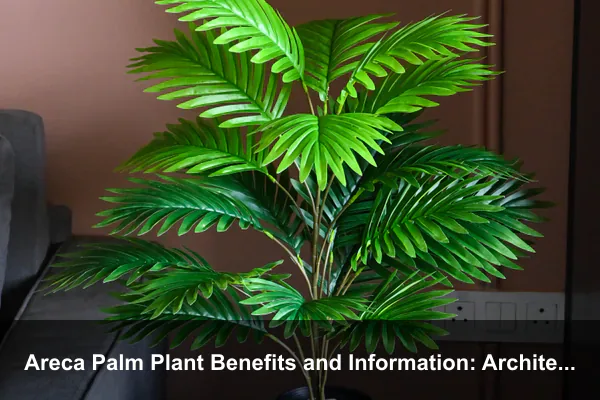
The Areca Palm is one of the most recognizable indoor palms, loved for its soft arching fronds, clustered golden-green canes, and ability to make ordinary rooms feel more alive. When people search for Areca Palm plant benefits and information, they often want more than basic watering advice. They want to know whether this plant truly improves a home, where it fits best, and how to keep it attractive without turning plant care into a complicated routine.
This guide takes a fresh angle: the Areca Palm as an architectural foliage plant. Instead of focusing only on tropical decor, humidity, buying tips, or frond troubleshooting, we will look at how its shape, texture, scale, and daily care rhythm can support calmer indoor spaces. For anyone interested in manfaat tanaman, or the practical benefits of plants, the Areca Palm offers value through visual softness, natural structure, and a steady connection to greenery.
Understanding the Areca Palm at a Glance
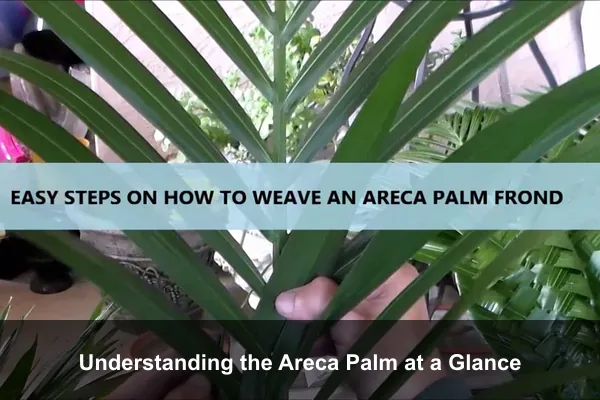
The Areca Palm is commonly known by botanical names such as Dypsis lutescens or Chrysalidocarpus lutescens. It is native to Madagascar and is widely grown as an ornamental houseplant in warm climates and indoor settings. Its most distinctive feature is the way many slender canes rise together from the soil, creating a naturally layered silhouette.
Unlike a single-trunk palm, an Areca Palm has a clumping habit. This makes it visually generous without looking heavy. The leaves are divided into many narrow leaflets, giving the plant a feather-like texture that moves gently with air circulation. That soft movement is one reason the plant works well in living rooms, work areas, studios, and bright corners where rigid furniture needs a more organic counterbalance.
Quick Plant Profile
- Common name: Areca Palm, Butterfly Palm, Golden Cane Palm
- Botanical name: Dypsis lutescens
- Plant type: Tropical ornamental palm
- Best indoor light: Bright, indirect light
- Growth style: Clumping canes with arching fronds
- Pet safety: Generally considered non-toxic to cats and dogs
Key Areca Palm Benefits for Modern Homes
The benefits of Areca Palm plants are practical as well as aesthetic. While no houseplant should be marketed as a complete solution for air quality, stress, or home comfort, well-kept greenery can support a more pleasant indoor environment. The Areca Palm does this through scale, texture, and its presence as a living element.
It Softens Hard Interior Lines
Modern homes often contain flat walls, screens, shelves, appliances, and straight-edged furniture. The Areca Palm adds contrast through fine leaflets and curved fronds. This visual softness can make a room feel less rigid without requiring major design changes. A single healthy plant can improve the look of an empty corner, a reading zone, or the area beside a desk.
It Adds Vertical Interest Without Looking Heavy
Because the plant grows upward and outward, it gives height to a room while still allowing light and space to pass through. This is useful in apartments and compact homes where bulky furniture can make the room feel crowded. The Areca Palm creates presence, but its feathery leaves keep the view breathable.
It Encourages Better Indoor Care Habits
One underrated Areca Palm benefit is the routine it creates. Checking soil moisture, rotating the pot, cleaning leaves, and watching new growth can become small habits that reconnect you with your living space. For many plant owners, these routines are the real value of indoor gardening.
Architectural Foliage: Why Shape Matters

The Areca Palm is not just a green object; it is a plant with structure. Its canes form a natural base, while the fronds create a lifted canopy. This makes it especially useful for rooms that need a sense of gentle height rather than dense coverage.
Place it where its outline can be seen clearly. A crowded shelf, dark hallway, or narrow passage may hide its best qualities. A better choice is a bright corner near a window, beside a low cabinet, or behind an accent chair. In these positions, the plant becomes part of the room’s architecture rather than a random accessory.
Best Design Uses
- Corner anchor: Use it to give an empty corner a finished look.
- Soft background: Place it behind a chair, console, or simple side table.
- Window companion: Let filtered light highlight the leaf texture.
- Desk-side greenery: Use a smaller plant to soften a work area.
Light, Water, and Soil Basics
Areca Palm care becomes easier when you understand what the plant is trying to avoid: harsh direct sun, soggy roots, and very dry indoor air. It prefers stable conditions, so dramatic changes in placement or watering often cause more problems than simple neglect.
Light Requirements
Bright, indirect light is ideal. A position near an east-facing window or a few feet from a bright south or west window often works well. Direct afternoon sun can scorch leaflets, while deep shade can slow growth and make the plant thin. If your Areca Palm leans strongly toward the window, rotate the pot every couple of weeks.
Watering Rhythm
Water when the top layer of soil begins to feel dry, but before the entire root ball becomes bone dry. Use a pot with drainage holes and empty any standing water from the saucer. Overwatering is a common cause of decline because wet soil limits oxygen around the roots.
Soil and Potting
A light, well-draining potting mix is best. A standard indoor plant mix can work if it does not stay compact and muddy. Adding perlite, bark chips, or coarse material can improve drainage. Repot only when the roots clearly need more space, because frequent repotting can stress the plant.
Common Problems and What They Mean
Most Areca Palm problems show up in the leaves. The key is to read the pattern rather than react too quickly. One brown tip is not a crisis. Widespread yellowing, crispy leaflets, or collapsing stems deserve closer attention.
- Brown tips: Often linked to dry air, inconsistent watering, mineral buildup, or old leaf age.
- Yellow fronds: May indicate overwatering, poor drainage, low light, or natural aging of older leaves.
- Pale growth: Can suggest insufficient light or nutrient weakness.
- Sticky residue or speckling: Check for pests such as spider mites, scale, or mealybugs.
Clean the leaves gently with a damp cloth or soft shower rinse when dust builds up. Dusty leaflets reduce the plant’s ability to use light and can make pests harder to notice. Avoid leaf-shine products, which can leave residue and make foliage look artificial.
Safety, Placement, and Everyday Use
The Areca Palm is widely listed as a pet-friendly houseplant, making it a popular choice for homes with cats or dogs. Still, pets may chew leaves and create digestive upset simply from eating plant material, so place the pot where curious animals cannot easily shred the fronds.
For households with children, choose a stable pot that will not tip easily. Areca Palms can become top-heavy as their foliage expands. A heavier planter or a broad cachepot can help keep the plant secure, especially in active living rooms.
Where Not to Place It
- Directly beside heating vents or air conditioners
- In dark rooms with no reliable natural or grow light
- Against cold glass during chilly nights
- In a pot without drainage
- In narrow walkways where fronds are constantly brushed
How to Keep an Areca Palm Looking Elegant
A beautiful Areca Palm is usually the result of steady, moderate care. Avoid the temptation to overwater, overfertilize, or constantly move it. During active growth, feed lightly with a balanced indoor plant fertilizer according to label directions. Too much fertilizer can cause salt buildup, which may contribute to brown tips.
Prune only fully brown or damaged fronds, cutting close to the base with clean scissors or pruners. Do not trim green leaflets into sharp shapes, because this can make the plant look unnatural and may leave more browning edges. Let the palm keep its soft, loose form.
Simple Monthly Checklist
- Check soil moisture before watering.
- Rotate the pot for even growth.
- Inspect the undersides of fronds for pests.
- Wipe dust from leaves if needed.
- Remove fully dead fronds cleanly.
Conclusion
The Areca Palm is more than a decorative tropical plant. Its real strength is architectural: it brings height, movement, fine texture, and living softness into indoor spaces. When cared for with bright indirect light, careful watering, breathable soil, and occasional cleaning, it can become a long-lasting part of a calmer home environment.
For readers searching for Areca Palm plant benefits and information, the most important takeaway is balance. This palm is not a miracle plant, but it is a valuable houseplant for people who want natural beauty, gentle structure, and practical indoor greenery. Choose the right spot, keep the routine simple, and let its feather-like fronds do what they do best: make the room feel fresher, softer, and more alive.
