
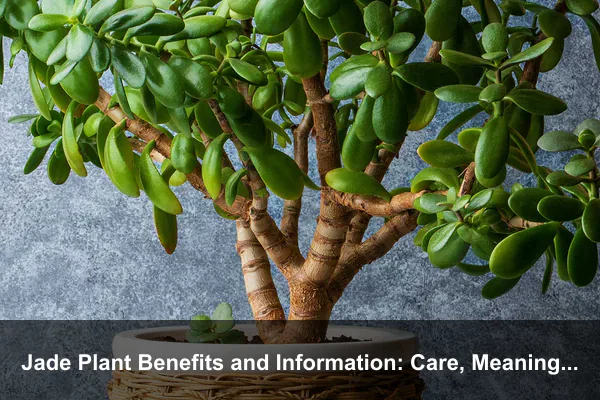
The Jade Plant is one of the most beloved indoor succulents for people who want a beautiful, symbolic, and easy-care houseplant. Known for its thick oval leaves, woody stems, and long lifespan, this plant can look like a miniature tree when mature. For many plant lovers, it is more than decoration; it is a living accent that brings structure, greenery, and a calm natural feel into homes, apartments, offices, and small indoor spaces.
If you are searching for Jade Plant plant benefits and information, this guide covers the essential facts in a practical way. You will learn what the Jade Plant is, why it is popular, its indoor benefits, symbolic meaning, care needs, common problems, and how to grow it successfully without overcomplicating the process.
What Is a Jade Plant?
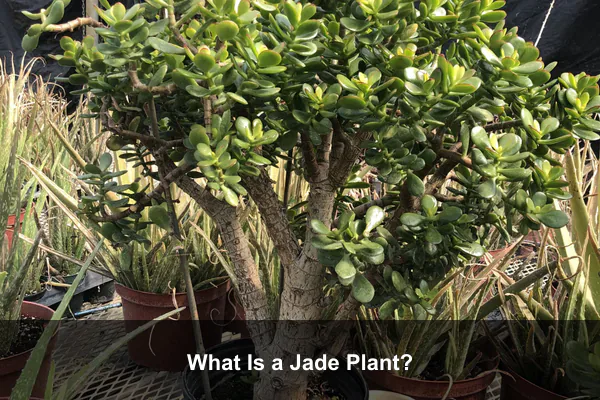
The Jade Plant, botanically known as Crassula ovata, is a succulent native to South Africa and Mozambique. It stores water in its fleshy leaves and stems, which is why it can tolerate dry conditions better than many leafy houseplants. Its leaves are usually glossy green, although some varieties may show red edges when exposed to bright light.
Because of its upright growth and branching shape, the Jade Plant often develops a bonsai-like appearance over time. Mature plants can live for decades with proper care, making them a favorite for beginners and experienced indoor gardeners alike.
Quick Jade Plant Facts
- Botanical name: Crassula ovata
- Plant type: Succulent houseplant
- Light needs: Bright indirect light to some direct morning sun
- Watering: Infrequent, only when soil is dry
- Soil: Well-draining cactus or succulent mix
- Pet safety: Toxic to cats and dogs if eaten
- Best for: Sunny windowsills, desks, shelves, and small spaces
Top Jade Plant Benefits for Indoor Spaces
The Jade Plant is popular not only because it is attractive, but also because it offers several practical and emotional benefits. While it should not be treated as a medical plant, it can improve the atmosphere of a room and support a more nature-connected lifestyle.
Low-Maintenance Greenery
One of the biggest Jade Plant benefits is its low-maintenance nature. It does not need daily watering, frequent pruning, or complicated humidity control. This makes it a strong choice for busy people, new plant owners, students, and anyone who wants greenery without a demanding routine.
Compact and Decorative
The Jade Plant fits easily into modern homes because it stays relatively compact when grown in containers. It works well on desks, shelves, side tables, window ledges, and small apartment corners. Its thick leaves and tree-like shape add visual weight without needing a large floor area.
Long-Lived Houseplant
Unlike some short-lived decorative plants, a healthy Jade Plant can remain with you for many years. With time, its trunk becomes thicker and more sculptural, giving the plant character. This long lifespan makes it a meaningful plant to grow, gift, or pass along through cuttings.
Supports a Calmer Indoor Environment
Indoor plants can help make a room feel more restful and grounded. The Jade Plant’s clean shape, glossy leaves, and slow growth give it a calm presence. Placing one near a work area or reading corner can make the space feel softer and more inviting.
Jade Plant Meaning and Symbolism
The Jade Plant is often called the money plant, lucky plant, or friendship plant. In many homes and offices, it is associated with prosperity, positive energy, growth, and good fortune. Its rounded leaves are sometimes said to resemble coins, which is why people connect it with wealth and abundance.
It is also a popular gift for housewarmings, business openings, and new beginnings. A thriving Jade Plant can symbolize steady progress, patience, and long-term success. While these meanings are cultural and symbolic rather than scientific, they add emotional value to the plant.
Best Places to Display a Jade Plant
- Near a bright window where it can receive enough light
- On an office desk to add natural texture
- In an entryway with good indirect sunlight
- On a shelf with other succulents or small houseplants
- As a thoughtful gift for a new home or workspace
How to Care for a Jade Plant
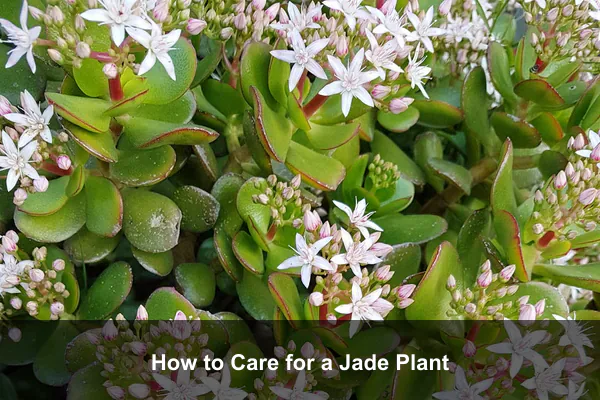
Jade Plant care is simple once you understand its succulent nature. The main rule is to avoid treating it like a tropical plant. It prefers bright light, dry periods between watering, and soil that drains quickly.
Light Requirements
Jade Plants grow best in bright light. A sunny east-facing window or a bright south- or west-facing spot can work well. Some direct morning sun is usually helpful, but harsh afternoon sun may scorch the leaves if the plant is not gradually adapted.
If your Jade Plant becomes stretched, weak, or pale, it may not be receiving enough light. Rotate the pot every few weeks so the plant grows evenly instead of leaning toward the window.
Watering Tips
Overwatering is the most common Jade Plant mistake. Water only when the soil has dried out completely. In many indoor spaces, this may mean watering every two to three weeks, but the exact schedule depends on light, temperature, pot size, and soil type.
- Check the soil with your finger or a moisture meter.
- Water deeply until excess water drains from the bottom.
- Empty the saucer so the pot does not sit in water.
- Wait until the soil is dry before watering again.
Best Soil and Pot
Use a cactus or succulent potting mix because it drains faster than regular houseplant soil. A pot with drainage holes is essential. Terracotta pots are especially useful because they allow moisture to evaporate more easily, reducing the risk of root rot.
Temperature and Humidity
Jade Plants prefer typical indoor temperatures and do not need high humidity. Keep them away from cold drafts, air-conditioning vents, and freezing windows. They usually do well in average household humidity, which makes them easier than many tropical indoor plants.
Common Jade Plant Problems
Most Jade Plant problems are related to watering, light, or drainage. The good news is that the signs are usually easy to recognize if you check the plant regularly.
Soft or Mushy Leaves
Soft, mushy, or translucent leaves often indicate overwatering. Check the soil and roots. If the soil smells sour or stays wet for too long, repot the plant into fresh dry succulent mix and remove any rotten roots.
Wrinkled Leaves
Wrinkled leaves can mean the plant is thirsty, especially if the soil is completely dry. Water thoroughly and observe the plant over the next few days. However, wrinkling can also happen if roots are damaged, so avoid assuming every dry-looking leaf needs more water.
Leaf Drop
Jade Plants may drop leaves because of sudden temperature changes, low light, overwatering, or underwatering. Review recent changes in placement, watering, and weather. Stable care is often enough to help the plant recover.
Leggy Growth
Long, weak stems with wide spaces between leaves usually mean insufficient light. Move the plant to a brighter location gradually. You can also prune leggy stems to encourage a fuller shape.
How to Propagate Jade Plant
Another reason people love the Jade Plant is that it is easy to propagate. You can grow a new plant from a stem cutting or even a single healthy leaf. This makes it ideal for sharing with friends or expanding your indoor plant collection.
Stem Cutting Method
- Choose a healthy stem with several leaves.
- Cut it with clean scissors or pruning shears.
- Let the cut end dry and callus for a few days.
- Place it in dry succulent soil.
- Water lightly only after roots begin forming.
Leaf Propagation
Leaf propagation is slower but satisfying. Remove a healthy leaf cleanly from the stem, let it callus, and place it on top of well-draining soil. Over time, tiny roots and new growth may appear at the base.
Is Jade Plant Safe for Pets?
Jade Plant is considered toxic to cats and dogs if ingested. It may cause symptoms such as vomiting, drooling, lethargy, or digestive discomfort. If you have curious pets, place the plant on a high shelf or in a room they cannot access.
For households with pets that chew plants, it may be better to choose pet-safe alternatives or keep Jade Plant only in protected indoor areas. Always contact a veterinarian if you suspect your pet has eaten part of the plant.
Best Uses for Jade Plant in Home Decor
The Jade Plant works with many interior styles because its shape is simple and architectural. It looks clean in minimalist spaces, natural in bohemian rooms, and polished in office settings.
- Desk plant: Adds greenery without taking up too much workspace.
- Windowsill accent: Benefits from bright light while decorating the window area.
- Succulent grouping: Pairs well with echeveria, haworthia, and aloe.
- Gift plant: Symbolizes good fortune and long-term growth.
- Small-space plant: Suitable for apartments, studios, and compact rooms.
Conclusion
The Jade Plant is a practical, attractive, and meaningful houseplant for indoor gardeners of many skill levels. Its thick glossy leaves, compact growth, and strong symbolic connection to prosperity make it a favorite for homes and offices. When grown in bright light, well-draining soil, and watered only after the soil dries, it can live for many years with minimal care.
For anyone researching Jade Plant plant benefits and information, the key takeaway is simple: this succulent is beautiful, beginner-friendly, space-saving, and rich in meaning. Give it enough light, avoid overwatering, and it can become one of the most reliable and rewarding plants in your indoor collection.
