
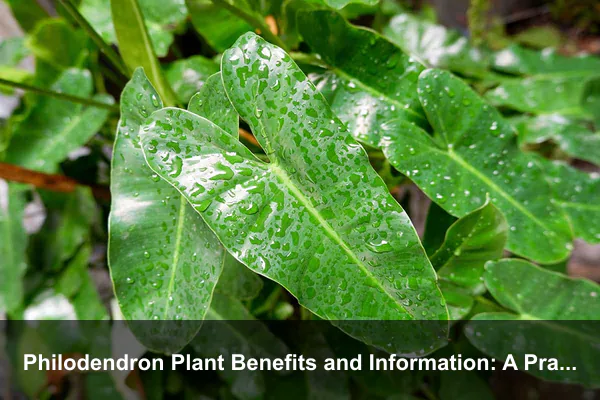
Philodendrons are among the most adaptable foliage plants for modern homes, offices, apartments, and shaded patios. When people search for Philodendron plant benefits and information, they often expect a simple care guide, but this plant family offers more than attractive leaves. A well-chosen philodendron can soften hard interiors, fill vertical space, support a calmer room atmosphere, and teach plant owners how to read leaf signals before problems become serious.
This guide takes a fresh angle by focusing on philodendrons as practical indoor companions for everyday living. Instead of repeating only basic care advice, it explains how to match a philodendron to your room, how its growth habit affects your daily routine, what benefits are realistic, and how to keep the plant safe around children and pets. The goal is to help you enjoy the plant in a way that is beautiful, manageable, and honest.
What Makes Philodendron a Valuable Indoor Plant?
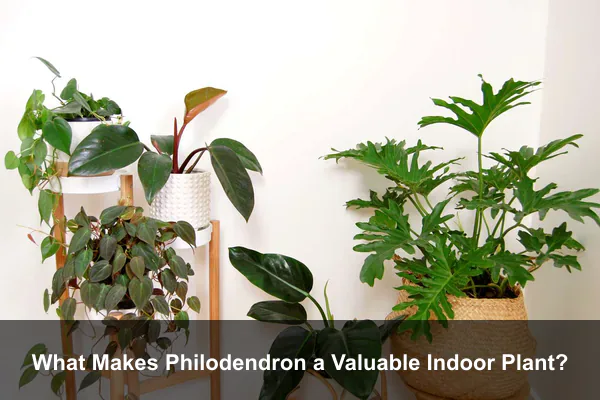
Philodendron is a large group of tropical aroid plants known for attractive foliage, flexible growth habits, and strong indoor adaptability. Some types trail from shelves, some climb with support, and others grow upright with large sculptural leaves. This variety makes philodendron useful in many interior styles, from compact desks to bright living rooms.
One reason philodendrons remain popular is their forgiving nature. Many varieties tolerate average indoor humidity, indirect light, and occasional missed watering better than fussier houseplants. They are not maintenance-free, but they are usually easier to understand once you learn their basic signals.
Key Philodendron Characteristics
- Foliage-focused beauty: Philodendrons are grown mostly for leaves, not flowers.
- Flexible placement: Many types adapt to bright indirect light and moderate indoor conditions.
- Growth variety: They can trail, climb, or grow upright depending on the species or cultivar.
- Easy propagation: Many vining types can root from stem cuttings.
- Indoor design value: Their foliage adds softness, texture, and a natural focal point.
In the context of Manfaat Tanaman, or plant benefits, philodendron is best understood as a decorative wellness plant rather than a medicinal or edible plant. Its value is visual, emotional, spatial, and educational.
Realistic Philodendron Plant Benefits
Philodendron benefits are often exaggerated online, especially when people discuss air purification. While indoor plants can contribute to a pleasant environment, one or two houseplants will not replace ventilation, cleaning, or proper air filtration. A more accurate view is that philodendrons improve indoor spaces through greenery, humidity awareness, routine-building, and design function.
Visual Comfort and Biophilic Design
Philodendron leaves bring natural forms into rooms dominated by screens, walls, furniture, and artificial materials. This visual connection with nature is part of biophilic design, a design approach that uses natural elements to make indoor spaces feel more comfortable and human-centered.
A trailing heartleaf philodendron on a shelf can soften a work area. A climbing philodendron on a moss pole can create height in a dull corner. A broad-leaf variety can serve as a living accent instead of another decorative object. These benefits are simple, but they matter in rooms where people spend many hours each day.
Low-Stress Plant Care Routine
Philodendrons can help beginners build confidence because they respond clearly to care changes. Drooping leaves may suggest thirst, yellowing may point to overwatering, and leggy growth often means light is too weak. These visible signals make philodendron a useful learning plant.
For busy households, this is valuable. A plant that communicates through leaf condition helps the owner adjust routines without complicated tools. Over time, caring for philodendron can become a steady, calming habit rather than a demanding chore.
Space-Saving Greenery
Philodendrons are especially useful in small spaces because many varieties grow upward or downward rather than outward. A trailing plant can use unused vertical space near a bookshelf. A climbing plant can turn a narrow corner into a green feature. This makes philodendron a practical choice for apartments, rented rooms, dorms, and offices.
Popular Philodendron Types and Their Best Uses
Choosing the right type is one of the most important parts of philodendron success. Different forms have different space needs, growth speeds, and styling value. Before buying, think about where the plant will live and how much attention you want to give it.
Heartleaf Philodendron
The heartleaf philodendron is one of the easiest and most familiar varieties. It has small to medium heart-shaped leaves and a trailing or climbing habit. It works well on shelves, hanging planters, plant stands, and office cabinets.
This type is ideal for beginners because it tolerates normal indoor conditions and can be pruned when vines get too long. It is also easy to propagate, making it a good plant for people who enjoy sharing cuttings.
Philodendron Brasil
Philodendron Brasil has green leaves with yellow to lime variegation. It brings brighter color than plain green types while staying relatively easy to grow. It is best placed in bright indirect light to maintain strong variegation.
Use it where you want a lively accent without relying on flowers. Its leaves can brighten neutral interiors, especially near white walls, wooden shelves, or simple workspaces.
Philodendron Micans
Philodendron micans is loved for its velvety leaves with bronze, deep green, or reddish tones depending on light. It feels softer and more luxurious than many common houseplants.
This type is excellent for cozy rooms, reading corners, and small decorative shelves. It prefers gentle bright light and should not be exposed to harsh direct sun, which can damage its delicate leaf surface.
Upright and Larger Philodendrons
Some philodendrons grow upright and develop larger leaves. These are better for floor planters, wide corners, and open living areas. They can create a stronger tropical effect, but they also need more room and stable care.
If your space is small, avoid buying a large variety just because it looks impressive in a shop. A plant that fits your room will be easier to maintain and will look better long term.
How to Place Philodendron for Better Indoor Results
Placement affects both plant health and the benefits you receive from it. A philodendron in the wrong spot may stretch, yellow, dry out, or become inconvenient. The best location balances light, airflow, safety, and daily visibility.
Light Placement
Most philodendrons prefer bright indirect light. This means the room is bright, but the sun does not burn the leaves for long periods. A spot near an east-facing window, a few feet from a south or west-facing window, or behind a sheer curtain often works well.
Low light may keep some philodendrons alive, but growth will usually slow. Variegated types may lose color, and vines may become long and sparse. Direct afternoon sun, on the other hand, can scorch leaves.
Room Function
Think about how the room is used. In a home office, a small trailing philodendron can add greenery without taking over the desk. In a living room, a climbing type can add height near a sofa or media unit. In a bedroom, a compact plant on a dresser can bring a restful visual element, as long as pets cannot reach it.
Safety Placement
Philodendrons contain calcium oxalate crystals, which can irritate the mouth, throat, and stomach if chewed. For this reason, they should be kept away from curious pets and young children. Hanging planters, high shelves, and closed plant rooms can reduce risk.
Philodendron Care Basics for Healthy Growth
Philodendron care is not complicated, but consistency matters. Most problems come from watering mistakes, poor drainage, weak light, or ignoring early leaf signals.
Watering
Water when the top part of the potting mix feels dry. For many homes, this may be once every one to two weeks, but the exact timing depends on pot size, light, season, humidity, and soil mix. Do not water by calendar alone.
Use your finger to check the soil. If the top 2 to 5 centimeters feel dry, watering may be needed. If the soil still feels damp, wait. Overwatering is one of the fastest ways to cause root problems.
Soil and Drainage
Philodendrons prefer a chunky, well-draining mix. A good indoor aroid mix may include potting soil, orchid bark, perlite, coco chips, or similar airy materials. The goal is to hold some moisture while allowing oxygen around the roots.
Always use a pot with drainage holes. Decorative outer pots are fine, but water should not sit around the nursery pot. Standing water can create soggy conditions and root rot.
Humidity and Temperature
Philodendrons come from tropical environments, so they appreciate moderate to high humidity. However, many common types adapt well to average home humidity. If leaf edges become crispy, check watering consistency, drafts, heating vents, and dry air.
Keep philodendrons away from cold windows, air-conditioning blasts, and sudden temperature changes. Most prefer warm, stable indoor conditions.
Common Problems and What They Mean
Philodendron leaves often show problems before the whole plant declines. Learning these signals helps you correct care early.
Yellow Leaves
One yellow leaf can be normal aging, especially on older lower leaves. Several yellow leaves at once may suggest overwatering, poor drainage, or low light. Check the soil before adding more water.
Brown Leaf Tips
Brown tips may come from inconsistent watering, dry air, fertilizer buildup, or stress from shipping and acclimation. Trim only the dead tips if needed, but fix the cause first.
Leggy Growth
Long stems with large gaps between leaves usually mean the plant needs more light. Move it gradually to a brighter indirect location and prune vines to encourage fuller growth.
Pests
Philodendrons can attract common houseplant pests such as spider mites, mealybugs, scale, and fungus gnats. Inspect leaves, stems, and soil regularly. Early treatment is easier than waiting until pests spread to other plants.
Smart Ways to Use Philodendron in Interior Design
Philodendron is useful because it can solve design problems while staying relatively easy to care for. Rather than placing plants randomly, use them with purpose.
For Shelves and Cabinets
Trailing philodendrons soften straight lines and make shelves feel less rigid. Let vines hang naturally or guide them along the shelf edge. Prune when they interfere with books, electronics, or walking paths.
For Empty Corners
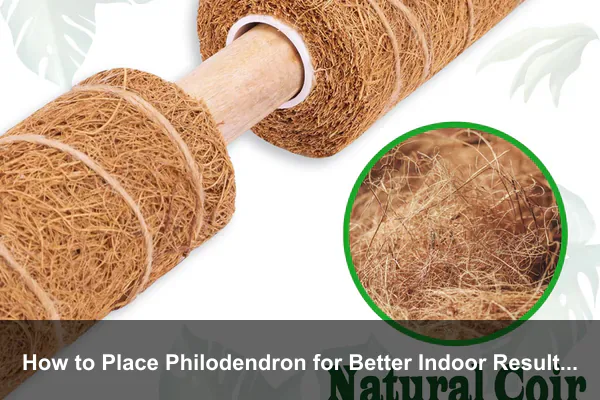
A climbing philodendron on a moss pole can bring life to a blank corner without requiring a wide plant footprint. This is helpful in small homes where floor space is limited.
For Work Areas
Compact philodendrons can make desks and work zones feel less sterile. Keep the plant slightly to the side so it does not compete with keyboard, documents, or lighting. The benefit is strongest when greenery is visible but not distracting.
Propagation and Low-Waste Plant Ownership
One practical benefit of many philodendrons is easy propagation. This supports low-waste plant ownership because you can refresh leggy plants, share cuttings, and create fuller pots without constantly buying new plants.
How to Propagate Vining Philodendron
- Choose a healthy stem with at least one node.
- Cut below the node using clean scissors or pruning shears.
- Place the cutting in water or a light propagation mix.
- Keep it in bright indirect light.
- Move it to soil when roots are several centimeters long.
Propagation works best when the parent plant is healthy. Avoid taking cuttings from a stressed, pest-infested, or rotting plant unless you are trying to rescue clean sections.
Safety, Myths, and Honest Expectations
Philodendron is beautiful, but it should be handled with realistic expectations. It is not an edible herb, not a medical plant, and not a replacement for proper indoor air management. Its strongest benefits are decorative, emotional, spatial, and educational.
Wear gloves if you have sensitive skin, especially when pruning. Wash hands after handling sap. Keep cuttings, fallen leaves, and pots away from pets and children who may chew them.
It is also worth avoiding extreme claims. A philodendron can make a room feel fresher and more welcoming, but healthy indoor living still depends on ventilation, cleaning, safe materials, good light, and moisture control.
Conclusion
Philodendron plant benefits and information are most useful when they are practical and honest. This plant is valuable because it brings adaptable greenery into indoor spaces, helps beginners learn plant care, fills vertical areas beautifully, and supports a calmer visual environment. With the right light, watering routine, soil, and placement, philodendron can become a long-lasting part of your home.
Choose a variety that matches your space, keep it out of reach of pets and children, and pay attention to leaf signals. When cared for thoughtfully, a philodendron is more than a decorative houseplant. It is a flexible, low-stress way to make everyday rooms feel more alive, balanced, and connected to nature.
