
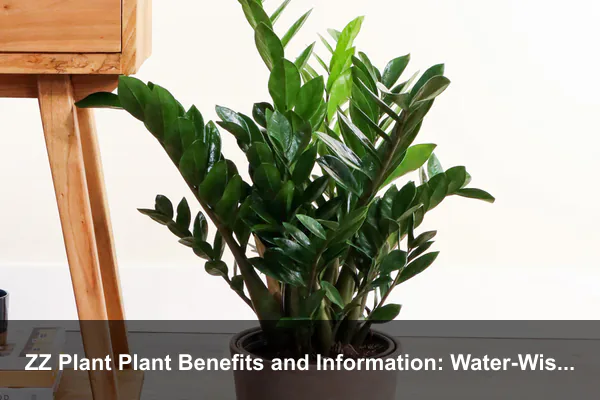
The ZZ Plant, also known as Zamioculcas zamiifolia, has earned its reputation as one of the most dependable indoor plants for modern homes, apartments, offices, and rented rooms. When people search for ZZ Plant plant benefits and information, they often want more than a basic care checklist. They want to know why this glossy-leaved plant survives busy schedules, what benefits it realistically brings indoors, and how to use it wisely without overwatering or overpromising its effects.
This guide takes a water-wise, routine-friendly angle. Instead of repeating the usual advice that the ZZ Plant tolerates low light, we will focus on its hidden strengths: drought resilience, slow growth, storage structures, placement strategy, safety awareness, and how to build a simple care rhythm that fits real life. For anyone interested in Manfaat Tanaman, or the practical benefits of plants, the ZZ Plant is a strong example of how one ornamental houseplant can support calmer spaces, easier maintenance, and more sustainable indoor greenery.
Why the ZZ Plant Is Different from Many Houseplants
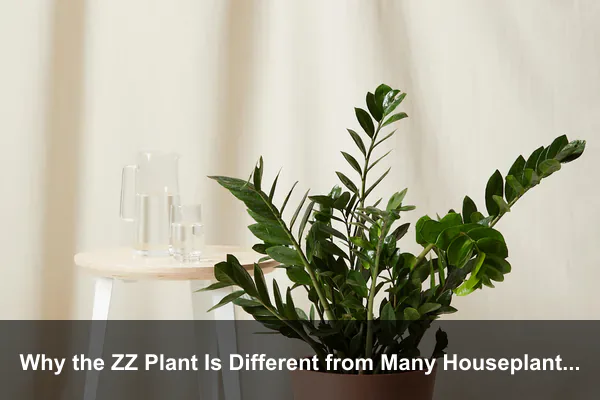
The ZZ Plant stands out because it is not designed by nature to demand constant attention. Its thick, waxy leaflets grow along upright stems, creating a clean architectural look that works well in minimalist rooms, office corners, reception areas, bedrooms, and small apartments. Unlike fast-growing plants that quickly become tangled or require frequent trimming, the ZZ Plant grows slowly and steadily.
One of the most important pieces of ZZ Plant information is that it stores water in underground rhizomes. These potato-like structures act as reserves, allowing the plant to survive dry periods better than many leafy tropical houseplants. This is why the ZZ Plant is often recommended for people who travel, forget watering days, or prefer plants that do not dominate their routine.
Basic Botanical Information
- Botanical name: Zamioculcas zamiifolia
- Common names: ZZ Plant, Zanzibar Gem, Aroid Palm
- Plant type: Tropical ornamental houseplant
- Growth habit: Upright stems with glossy leaflets
- Main indoor strength: Drought tolerance and low maintenance
- Best use: Decorative greenery for homes, offices, and small spaces
The ZZ Plant belongs to the aroid family, but its behavior is quite different from many climbing or trailing aroids. It does not need a moss pole, frequent pruning, or a high-humidity setup. This makes it especially useful for people who want the beauty of indoor plants without turning plant care into a complicated hobby.
Top ZZ Plant Benefits for Everyday Indoor Living
The benefits of the ZZ Plant are practical, visual, and lifestyle-related. It is not a miracle plant, and it should not be treated as a medical solution or a complete air purifier. However, it can meaningfully improve indoor spaces when used with realistic expectations.
It Supports a Low-Stress Plant Routine
Many houseplants fail because people either water them too often or forget them completely. The ZZ Plant is forgiving on both sides, though it strongly prefers being underwatered rather than overwatered. This makes it a helpful starter plant for beginners and a reliable background plant for experienced collectors.
Its slow growth also reduces pressure. You do not need to repot it every few months, trim it weekly, or constantly adjust its support. For busy homeowners, students, remote workers, and office managers, this reliability is one of the most valuable ZZ Plant plant benefits.
It Adds Clean, Structured Greenery
The ZZ Plant has a polished look that feels intentional even when placed in a simple pot. Its upright stems and shiny leaflets create visual order, which is useful in workspaces, entryways, and rooms with many objects. In interior styling, it works as a quiet vertical accent rather than a wild, spreading plant.
Because the leaves reflect light, a healthy ZZ Plant can brighten a corner visually without needing colorful flowers. This is especially helpful in neutral interiors where a single green plant can soften hard surfaces, shelves, desks, and tiled floors.
It Encourages More Sustainable Water Use
A water-wise plant is not only easier to care for; it can also support more mindful home routines. The ZZ Plant needs watering only when the potting mix has dried well. In many indoor environments, this may mean watering every two to four weeks, depending on pot size, light, temperature, and airflow.
Compared with thirsty houseplants that need constant attention, the ZZ Plant is a good choice for people who want indoor greenery while keeping water use modest. This benefit is especially relevant in apartments, offices, and dry climates where overwatering often becomes a bigger problem than underwatering.
Water-Wise ZZ Plant Care: The Most Important Routine
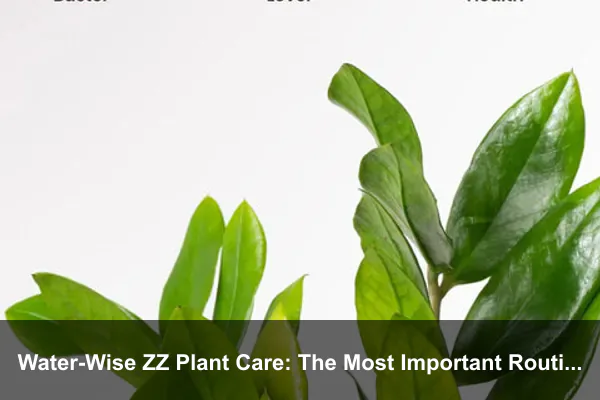
If you want your ZZ Plant to live for years, watering is the main skill to master. Most ZZ Plant problems begin with too much water, not too little. Its rhizomes are excellent at storage, but they can rot if the soil stays wet for too long.
How to Know When to Water
Do not water on a fixed calendar without checking the plant. Instead, use the soil and pot weight as your guide. Push a finger or wooden stick into the potting mix. If the top layer is dry but the lower mix still feels damp, wait longer. If the pot feels noticeably light and the mix is dry deeper down, it is time to water.
- Check the soil every 10 to 14 days.
- Water only when the mix is mostly dry.
- Water thoroughly until excess drains from the bottom.
- Empty the saucer so the pot does not sit in standing water.
- Wait again until the soil dries before repeating.
This soak-and-dry method works better than giving small splashes often. Frequent shallow watering can keep the surface damp while encouraging weak roots and fungal issues.
Signs of Overwatering
- Yellowing leaves, especially on lower stems
- Soft or mushy stems near the soil line
- Sour smell from the potting mix
- Wet soil that stays heavy for many days
- Blackened rhizomes or roots during inspection
If these symptoms appear, stop watering immediately. Check drainage, move the plant to brighter indirect light, and consider repotting if the soil is compacted or rotten. Removing damaged roots and rhizomes can sometimes save the plant if the problem is caught early.
Signs of Underwatering
Underwatering is usually easier to fix. A thirsty ZZ Plant may show slightly wrinkled stems, curling leaflets, dry soil pulling away from the pot edge, or slower growth. Give it a thorough watering and allow it to drain. Avoid the temptation to compensate by watering again too soon.
Light, Placement, and Room Strategy
The ZZ Plant is famous for tolerating dimmer rooms, but tolerance is not the same as preference. For strong long-term growth, place it in bright, indirect light whenever possible. It can survive in lower light, but growth will be slower and new stems may appear thinner.
Best Indoor Locations
- Office corners: Good for adding greenery without daily care.
- Entryways: Useful where a tidy, upright plant creates a welcoming look.
- Living rooms: Works beside shelves, consoles, or reading chairs.
- Bedrooms: Suitable if placed away from pets and small children.
- Rental spaces: Easy to move, slow-growing, and tolerant of inconsistent routines.
Avoid placing the ZZ Plant in harsh direct afternoon sun, which can scorch the leaves. Morning sun filtered through a curtain is usually fine. Also avoid dark rooms with no natural light for long periods. If a room is too dark to read comfortably during the day without a lamp, the plant may survive but will not thrive.
Rotating for Balanced Growth
Because the ZZ Plant slowly leans toward light, rotate the pot every few weeks. This keeps the stems balanced and prevents one-sided growth. It is a small habit, but it helps maintain the plant’s structured appearance over time.
Soil, Potting, and Drainage Information
The right potting setup makes ZZ Plant care much easier. Since the plant stores water underground, the potting mix must drain well and allow oxygen around the roots. Heavy garden soil is not recommended indoors because it compacts, dries unevenly, and may hold too much moisture.
Best Potting Mix
A good ZZ Plant mix should feel light, loose, and fast-draining. You can use a quality indoor potting mix improved with drainage materials.
- Two parts indoor potting mix
- One part perlite or pumice
- One part orchid bark or coarse coco chips
This blend holds enough moisture for roots but dries faster than dense soil. If your home is humid or your pot is large, adding extra perlite can reduce the risk of rot.
Choosing the Right Pot
Always choose a pot with drainage holes. Decorative cachepots are fine, but the inner nursery pot should be able to drain freely. Terracotta pots can help soil dry faster, while plastic pots hold moisture longer. Neither is automatically better; the right choice depends on your watering habits and room conditions.
Do not move a small ZZ Plant into a huge pot. Oversized pots hold more wet soil than the roots can use, increasing rot risk. Repot only when the rhizomes crowd the container, roots circle the bottom, or watering becomes difficult because the pot dries too quickly.
Propagation and Slow Growth Expectations
One reason people misunderstand the ZZ Plant is that it grows slowly. This is normal. A healthy plant may produce new stems in flushes, then pause for months. Slow growth is not always a problem, especially if the leaves remain firm, green, and glossy.
Division Propagation
The fastest way to propagate a ZZ Plant is division. During repotting, gently separate sections that have their own rhizomes, roots, and stems. Plant each section in a well-draining mix and water lightly after settling. Division creates a fuller new plant more quickly than leaf propagation.
Leaf Cutting Propagation
ZZ Plants can also grow from leaf cuttings, but this method requires patience. A single leaflet can form a tiny rhizome before producing visible new growth. This may take several months. Leaf propagation is interesting for plant lovers, but it is not the best method if you want fast results.
Safety: Is the ZZ Plant Toxic?
Yes, the ZZ Plant is considered toxic if chewed or swallowed by pets or people. Like many aroids, it contains calcium oxalate crystals that can irritate the mouth, throat, and stomach. This does not mean the plant is dangerous to touch casually, but it should be handled with awareness.
Safe Handling Tips
- Keep the plant away from pets that chew leaves.
- Place it out of reach of small children.
- Wear gloves if you have sensitive skin.
- Wash hands after pruning, dividing, or repotting.
- Do not use ZZ Plant leaves for herbal remedies, tea, or food.
This is where accurate plant benefits information matters. The ZZ Plant is beneficial as an ornamental, low-maintenance indoor plant, not as an edible or medicinal plant. For homes with curious cats, dogs, or toddlers, placement is part of responsible care.
Common ZZ Plant Problems and Simple Fixes
The ZZ Plant is resilient, but no houseplant is completely problem-free. Most issues are caused by watering mistakes, poor drainage, extreme light, or cold temperatures.
Yellow Leaves
Yellow leaves are most often linked to overwatering. Check the soil before doing anything else. If it is wet and heavy, allow it to dry. If the plant is in a pot without drainage, repot it into a proper container immediately.
Brown Leaf Tips
Brown tips can happen from very dry air, inconsistent watering, mineral buildup, or old leaf aging. Trim only the damaged tips if needed, and flush the soil occasionally with clean water to reduce excess salts from fertilizer.
Leaning Stems
Leaning can be caused by low light, uneven light direction, or a crowded pot. Rotate the plant, move it closer to indirect light, and check whether the rhizomes need more space. Avoid tying stems too tightly, because natural arching is part of the ZZ Plant’s shape.
Pests
ZZ Plants are not highly pest-prone, but they can occasionally attract mealybugs, scale, or spider mites. Inspect leaf joints and undersides. Wipe leaves with a damp cloth and treat pests early with insecticidal soap or neem-based products according to label directions.
How to Use the ZZ Plant in Interior Design
The ZZ Plant works best when treated as a calm, sculptural element. Its glossy leaves pair well with ceramic, concrete, metal, rattan, or simple plastic planters. Because the plant already has a strong leaf shine, avoid overly busy pots if you want a clean look.
Styling Ideas
- Use a black or white pot for a modern office style.
- Choose terracotta for a warmer natural look.
- Place a medium ZZ Plant beside a console table to add height.
- Use a small ZZ Plant on a shelf where trailing plants would look messy.
- Group it with softer plants, such as ferns or calatheas, for contrast.
For small spaces, the ZZ Plant is especially useful because it grows upward instead of spreading widely. It gives the feeling of greenery without taking over floor area or needing a large plant stand.
Realistic Air and Wellness Benefits
Many articles about indoor plants overstate air purification claims. While plants can contribute to a more pleasant indoor environment, one ZZ Plant will not replace ventilation, cleaning, or air filtration. Its wellness value is better understood through everyday experience: greenery can soften a room, make a desk feel less sterile, and encourage small care rituals.
For people who feel discouraged by demanding houseplants, the ZZ Plant offers a gentle success point. Keeping a plant alive with a simple routine can make indoor gardening feel approachable. In that sense, one of the strongest ZZ Plant benefits is confidence. It helps beginners learn observation, patience, and restraint with watering.
Conclusion: Is the ZZ Plant Worth Growing?
The ZZ Plant is worth growing if you want a resilient, attractive, and water-wise houseplant that fits busy indoor life. Its main strengths are not dramatic flowers or fast growth, but dependability, structure, drought tolerance, and easy placement. With the right pot, fast-draining soil, moderate indirect light, and careful watering, it can remain healthy for many years.
For readers searching for ZZ Plant plant benefits and information, the key takeaway is simple: this plant rewards patience more than constant care. It brings practical beauty to homes and offices, supports low-maintenance greenery, and helps plant owners build better habits. Treat it as an ornamental plant, respect its toxicity around pets and children, and let its slow, glossy growth become part of a calmer indoor routine.
