
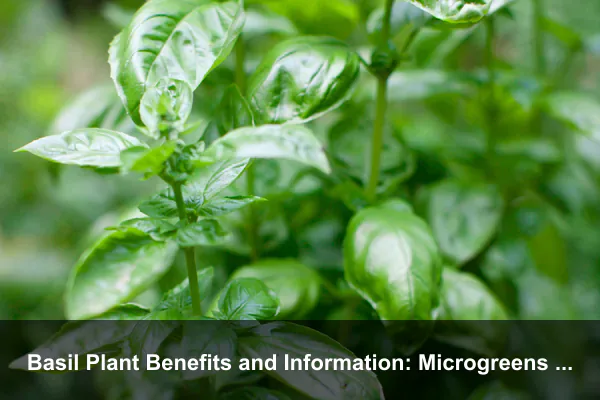
Basil is often treated as a simple kitchen herb, but it becomes much more useful when you understand how the plant changes from seedling to mature leaf. A tray of basil microgreens, a pot of baby leaves, and a full plant ready for regular pinching can all support different needs in the home. This guide takes a fresh angle on Basil plant benefits and information by looking at basil as a staged, renewable herb that can supply flavor, color, aroma, and practical value throughout the year.
For readers interested in manfaat tanaman, basil is a good example of a plant whose benefits are both everyday and realistic. It is not a cure-all, and it should not replace medical advice, but it can make meals fresher, encourage low-waste cooking, and bring an accessible gardening routine into kitchens, balconies, and small homes. By learning the differences between micro basil, baby leaves, and mature basil, you can use the plant more intelligently instead of harvesting it randomly.
What Makes Basil Useful at Every Growth Stage

Basil, botanically known as Ocimum basilicum, belongs to the mint family. It is famous for its fragrant leaves, soft green growth, and quick response to warmth and light. While many people picture basil as a mature leafy plant used in pasta, soup, salad, and sauces, the same plant offers value much earlier in its life cycle. Basil microgreens can be harvested when the first small leaves open. Baby basil can be clipped when stems are still tender. Mature basil provides larger leaves, stronger aroma, and repeated harvests if it is pruned correctly.
A herb with changing flavor
The flavor of basil is not fixed. Young basil tastes delicate, slightly sweet, and fresh. Mature leaves usually carry deeper herbal notes with more recognizable clove, pepper, mint, or anise-like character depending on the variety. This matters because the best use for basil depends on the leaf stage. A tiny microgreen garnish can brighten a bowl without overpowering it, while mature basil can stand up to olive oil, tomato, garlic, legumes, grilled vegetables, and warm grain dishes.
A practical plant for small spaces
Basil is also useful because it does not require a large garden to be productive. A shallow tray can grow microgreens on a bright windowsill. A small pot can support baby leaves for quick kitchen snips. A deeper container can hold one or two mature basil plants for steady harvests. This staged approach makes basil especially relevant for apartments, rented homes, and urban households where outdoor soil is limited.
Basil Plant Benefits: Realistic Value for Everyday Life
The most reliable basil plant benefits are practical, culinary, sensory, and nutritional. Basil is best understood as a food herb that helps people enjoy fresher meals. It contributes small amounts of vitamins, minerals, and plant compounds, but its biggest everyday value may be how it changes eating habits. A handful of basil can make simple ingredients feel more complete, which may encourage home cooking and reduce dependence on salty or heavily processed flavorings.
Fresh flavor with lighter seasoning
One of the clearest basil benefits is flavor intensity without heaviness. Basil adds aroma before a dish even reaches the table. That aroma can make food feel brighter and more satisfying, especially when paired with tomatoes, citrus, beans, eggs, rice, noodles, tofu, fish, chicken, or roasted vegetables. For people trying to cook with less excess salt, sugar, or rich sauces, herbs such as basil can make simple meals more appealing.
Helpful plant compounds without exaggerated claims
Basil leaves contain natural aromatic compounds, including eugenol, linalool, methyl chavicol, and other volatile oils that vary by cultivar and growing condition. These compounds are part of the reason basil smells so distinctive. Basil also contributes small amounts of nutrients such as vitamin K, vitamin A precursors, and minerals when eaten as part of a varied diet. However, basil should be presented responsibly: normal culinary use supports a flavorful diet, but it is not a substitute for treatment, medication, or professional health care.
Routine and mood value
Another overlooked benefit is behavioral. Caring for basil gives a person a simple daily cue: check light, touch the soil, water only when needed, and harvest a few leaves before cooking. These small routines can make a kitchen feel more alive and intentional. The scent released when basil is pinched is also part of its appeal. Many people find aromatic herbs pleasant because they connect the act of cooking with freshness and attention.
Basil Microgreens: A Distinct Way to Use Basil Indoors
Basil microgreens are young basil seedlings harvested soon after germination, usually when the first seed leaves and early true leaves appear. This is a useful and distinctive way to grow basil because it shortens the waiting period dramatically. Instead of waiting weeks for a bushy plant, you can grow a tray of tender basil greens in a compact space and use them as a finishing herb.
Why micro basil is different from mature basil
Micro basil has a finer texture and a lighter flavor than mature leaves. The stems are soft, and the leaves are small enough to scatter over food without chopping. This makes micro basil useful for dishes where mature basil may feel too strong or too large. It works especially well on avocado toast, omelets, rice bowls, cold noodles, soups added after serving, vegetable plates, and fresh cheese. Purple basil microgreens can also add visual contrast without needing artificial garnish.
Basic supplies for a microgreen tray
To grow basil microgreens, you need a shallow tray, a clean growing medium, basil seed, a spray bottle, and bright indirect light. A tray with drainage is ideal, but a careful grower can also use a shallow container with a thin layer of moist medium if watering is controlled. Basil seed forms a gel-like coating when wet, so it should not be buried too deeply. Pressing the seed gently onto the surface and keeping it evenly moist usually works better than covering it heavily.
- Tray depth: Around 2 to 4 centimeters is enough for microgreens.
- Light: Bright windowsill light or a small grow light helps seedlings stay compact.
- Water: Mist gently at first, then bottom-water if possible to reduce surface disturbance.
- Airflow: Good airflow helps prevent damp, weak seedlings.
- Harvest time: Many basil microgreens are ready in about two to three weeks, depending on warmth and light.
Harvesting microgreens cleanly
Use clean scissors and cut just above the growing medium. Harvest only what looks healthy, fresh, and dry on the leaf surface. Because microgreens are eaten raw in many dishes, cleanliness matters. Start with clean trays, avoid overwatering, and do not use garden soil that may contain pests or contaminants. Rinse gently only if needed, then dry well before serving. Wet microgreens bruise quickly and do not store as well.
Mature Basil Information for Strong Leaf Production
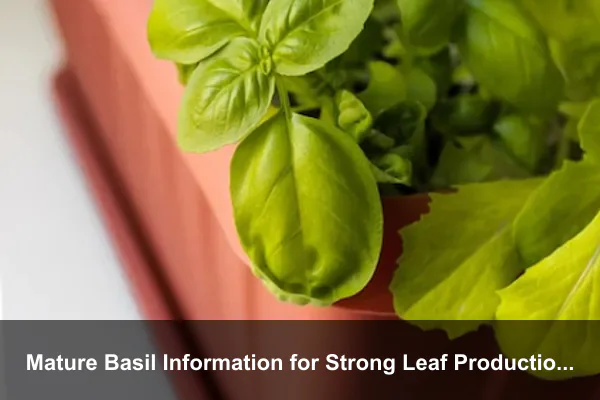
Microgreens are fast, but mature basil provides the classic basil experience: larger leaves, stronger scent, and repeated harvests. To grow mature basil well, the main needs are warmth, strong light, steady moisture, and regular pinching. Basil is a soft-stemmed annual in many climates, so it grows quickly when conditions are right and declines when it becomes cold, stressed, root-bound, or allowed to flower too early.
Light and warmth
Basil prefers bright light. Outdoors, it usually performs best with plenty of sun, especially morning light in hot regions. Indoors, it needs the brightest window available or supplemental light if stems stretch and leaves stay small. Warmth is equally important. Basil dislikes cold drafts and chilly nights. In cool indoor rooms, growth slows, leaves may discolor, and roots may struggle to use water efficiently.
Soil and watering rhythm
A mature basil plant needs a potting mix that holds light moisture but drains well. Soil that stays soggy can weaken roots, while soil that dries completely too often can lead to wilt, tough leaves, and early flowering. The best rhythm is to water deeply when the top layer begins to dry, then allow excess water to drain away. A container with drainage holes is strongly recommended for long-term basil care.
Pinching for a fuller plant
Pinching is the secret to productive basil. When the plant has several sets of leaves, cut or pinch just above a leaf node. This encourages side shoots and creates a bushier shape. If you only pick single leaves from the lower stem, the plant may become tall, thin, and less productive. Regular pruning turns basil from a one-time herb into a renewable kitchen plant.
- Wait until the basil plant has at least 4 to 6 sets of leaves.
- Find a node where two small leaves or shoots meet the stem.
- Cut just above that node with clean scissors.
- Use the harvested top in cooking or place it in water to root as a cutting.
- Repeat lightly each week instead of removing too much at once.
How to Use Basil by Leaf Stage
A staged approach helps you match basil to the right dish. This is where Basil plant benefits and information becomes practical rather than general. Instead of asking only what basil is good for, ask which form of basil is best for the meal in front of you.
Micro basil uses
Micro basil is best used fresh and added at the end. Heat can flatten its delicate texture. Sprinkle it over soups after serving, fold it into fresh spring rolls, add it to soft scrambled eggs, or use it as a finishing herb on tomato toast. It is also useful when you want basil flavor but do not want large leaves to dominate the plate.
Baby basil uses
Baby basil sits between microgreens and mature leaves. The leaves are tender enough for salads but flavorful enough for quick sauces. You can tear baby basil into cucumber salad, mix it with lemon and olive oil, stir it into warm rice after cooking, or add it to sandwiches. Baby leaves are excellent for people who want fresh herbal flavor without the stronger edge of older leaves.
Mature basil uses
Mature basil is ideal for pesto-style sauces, tomato dishes, herb oils, marinades, soups, stews, and cooked vegetables. To preserve aroma, add some basil near the end of cooking rather than simmering all of it for a long time. If making a sauce, combine basil with a little oil to protect its color and carry its fragrance. For the freshest taste, tear leaves by hand or chop just before serving.
Year-Round Basil Rotation for Home Growers
A single basil plant can be useful, but a rotation is more reliable. A rotation means you keep different basil stages growing at the same time: one microgreen tray for fast harvests, one young pot for baby leaves, and one mature plant for larger harvests. This method reduces the disappointment that happens when a single plant bolts, becomes woody, or gets harvested too heavily.
A simple monthly rhythm
Start a small tray of basil microgreens every two to three weeks. At the same time, keep one or two potted basil plants for mature leaves. When a mature plant begins to flower heavily or lose vigor, root a cutting from a healthy stem or start new seeds. This creates continuity. You are not depending on one plant to provide every basil leaf for every meal.
Indoor and outdoor timing
In warm seasons, basil can grow outdoors on a balcony, patio, or garden edge. In cooler seasons, bring the system indoors and focus on microgreens or small pots under bright light. Indoor basil will usually grow more slowly than outdoor basil, so harvest lightly. If light is weak, microgreens may be more successful than trying to force a large mature plant through poor conditions.
- Week 1: Sow a microgreen tray and pinch the mature plant lightly.
- Week 2: Harvest baby leaves from a young pot and check for new side shoots.
- Week 3: Cut microgreens and sow another small tray.
- Week 4: Take a cutting from the strongest mature plant if renewal is needed.
Storage and Fresh Handling for Better Quality
Basil quality declines quickly after harvest because the leaves are tender and aromatic oils are volatile. Good handling protects both flavor and appearance. For short-term use, treat cut basil like a fresh herb rather than a dry vegetable. Keep stems in a small glass of water at room temperature if you plan to use them soon. Avoid placing tender basil leaves in a very cold refrigerator without protection, as chilling can darken them.
Storing microgreens
Basil microgreens are best eaten soon after cutting. If storage is needed, dry them carefully and place them in a breathable container lined with a paper towel. Moisture is the main enemy. Do not pack them tightly, and avoid crushing them under heavier vegetables. Use within a short period for best texture.
Storing mature leaves
Mature basil can be stored as stems in water, wrapped lightly, or processed into herb oil, pesto-style paste, or frozen portions. If freezing, chop basil with a little oil and place it in small cubes. The texture will not be the same as fresh leaves, but the flavor remains useful for soups, sauces, and cooked dishes. Drying basil is possible, but dried basil has a different flavor profile and should not be expected to taste like fresh leaves.
Safety and Responsible Use
Basil is widely used as a culinary herb, but responsible use still matters. Eating normal food amounts is different from taking concentrated extracts, essential oils, or medicinal preparations. The safest way to enjoy basil benefits is through clean, moderate culinary use as part of a balanced diet.
Food safety basics
Wash hands before harvesting, use clean scissors, and keep trays or pots away from dirty surfaces. If growing indoors, avoid placing basil where pets can dig in the soil or where cooking grease settles on the leaves. If using compost or organic fertilizer, apply it properly and avoid splashing soil onto edible leaves. For raw uses, harvest from plants that have been grown cleanly.
Who should be cautious
People who are pregnant, nursing, taking medication, managing a medical condition, or considering basil supplements should speak with a qualified health professional before using concentrated basil products. This caution is especially important with essential oils and extracts. Culinary basil in food amounts is the focus of this article, not high-dose herbal treatment.
Pets and household placement
Basil is generally considered a kitchen-friendly herb, but any plant can cause stomach upset if a pet eats too much of it. Place pots where they will not be knocked over, chewed excessively, or contaminated. Good placement also protects the plant from drafts, heat vents, and low light corners that weaken growth.
Troubleshooting Basil at Different Stages
Basil problems often make more sense when you identify the plant stage first. A microgreen tray, a young seedling, and a mature basil plant fail for different reasons. Observing the stage helps you choose a better fix.
Seedlings are falling over
Falling seedlings usually point to weak light, excess moisture, poor airflow, or overcrowding. Move the tray closer to a bright window or grow light, reduce surface watering, and improve ventilation. Sow seeds more evenly next time so seedlings have enough space. If stems look pinched and rotten at the soil line, discard the affected tray and restart with cleaner conditions.
Leaves are pale or small
Pale, small basil leaves often mean the plant needs more light, better nutrition, or a larger root space. For mature plants, check whether the pot is too small or the soil is exhausted. A gentle feeding routine can help container basil, but overfertilizing may produce soft growth with weaker flavor. Balance is better than force.
Flavor is bitter or the plant flowers early
Basil can become sharper or less tender when stressed by heat, drought, root restriction, or flowering. Pinch flower buds early if you want leaf production. Keep watering consistent and harvest regularly. If the plant has already become woody and tired, start a new cutting or sow fresh seed. Renewal is often easier than trying to rescue an old plant forever.
Conclusion
Basil is valuable because it adapts to many household scales: a tray of microgreens, a small pot of baby leaves, or a mature plant that can be pinched again and again. This staged approach gives a more complete understanding of Basil plant benefits and information than a single harvest guide. It shows how basil can support fresh cooking, small-space gardening, low-waste routines, sensory enjoyment, and practical year-round herb planning.
The best way to benefit from basil is to use it realistically. Grow it cleanly, harvest it at the right stage, match the leaves to the dish, and renew plants before they decline. With that rhythm, basil becomes more than a garnish. It becomes a reliable herbal plant that brings flavor, fragrance, and everyday usefulness into the home.
