
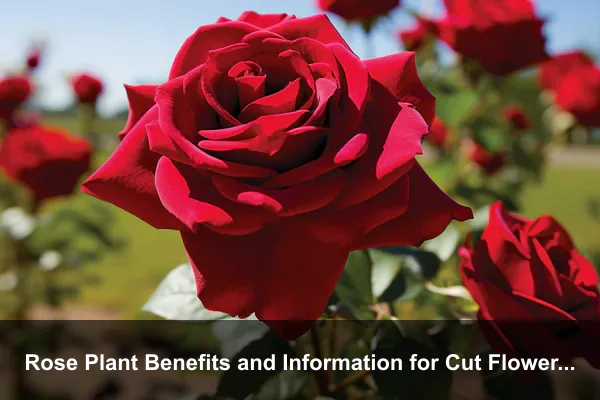
Rose plants are often introduced as romantic flowers, but the more practical story is just as useful: a well-chosen rose can function as a repeat-blooming cut-flower plant, a color anchor, a seasonal learning tool, and a durable part of a home garden. This article looks at Rose plant benefits and information from a fresh angle: how roses help you create better blooms for the garden and the vase without turning care into an intimidating routine.
Instead of repeating the familiar points about general rose meaning, edible petals, rose hips, fragrance, or broad biodiversity value, this guide focuses on planning and managing roses as dependable flowering plants. You will learn what a rose is, which types suit cutting, where to place them, how to encourage repeat bloom, and how to harvest stems while keeping the plant strong.
What Makes the Rose Plant Useful Beyond Its Beauty
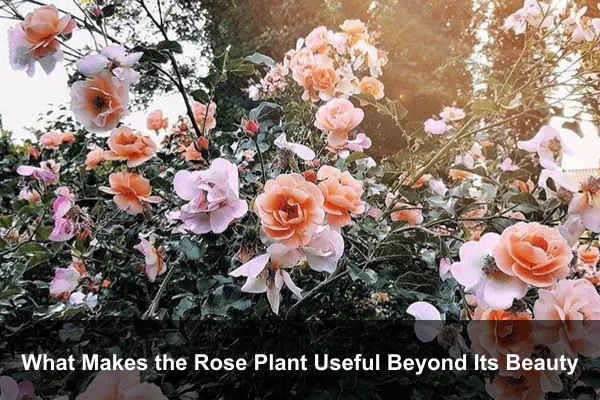
The rose plant belongs mainly to the genus Rosa, a large group of woody flowering shrubs and climbers grown in gardens across many climates. Most roses have compound leaves, thorn-like prickles, layered flowers, and a growth habit that can range from compact and tidy to tall, arching, or climbing. This variety is one reason roses remain useful: you can choose a plant for a small patio pot, a formal border, a cutting bed, or a fence line.
The biggest practical benefit of a rose plant is repeat value. A bouquet from a store is temporary, but a healthy garden rose can produce waves of flowers across a season. For homeowners who enjoy fresh flowers indoors, this turns one plant into a renewable source of stems. It also gives the garden a reliable rhythm: new shoots, buds, opening flowers, fading blooms, and the next cycle of growth.
Basic rose plant information
Roses are perennial plants, which means they can live for many years when their roots are healthy and their care matches the local climate. Some varieties bloom once in a large seasonal flush, while many modern garden roses bloom repeatedly. Flower form varies widely, including single, semi-double, double, cupped, rosette, and high-centered blooms. Colors include white, cream, yellow, apricot, peach, pink, red, mauve, purple tones, and many blends.
Although people casually call the sharp points thorns, roses technically have prickles. These are outgrowths from the stem surface rather than true woody thorns. Knowing this detail is useful when handling roses, because different varieties have different prickle density. If you want roses mainly for cutting and arranging, smoother stems can make maintenance easier.
Practical benefits for everyday gardeners
- Fresh indoor flowers: Repeat-blooming roses can provide stems for simple home arrangements.
- Seasonal structure: Roses create a clear garden calendar through pruning, budding, blooming, and resting stages.
- Color planning: A rose bed can establish a long-lasting color theme for patios, walkways, and borders.
- Skill building: Roses teach observation, pruning judgment, watering discipline, and pest awareness.
- Space efficiency: Compact roses can deliver strong visual impact from a small footprint.
Choosing Roses for a Cut-Flower Garden
If your goal is better flowers for the vase, variety selection matters more than buying the prettiest plant in bloom at the garden center. A rose that looks impressive in a nursery pot may have short stems, weak disease resistance, or flowers that shatter quickly after cutting. For a cut-flower approach, look for roses that combine repeat bloom, strong stems, healthy foliage, and flowers that hold their shape for several days.
Rose types worth understanding
Hybrid tea roses are famous for long stems and classic flower form. They are often a good choice for formal cutting, though some need more careful disease management. Floribunda roses produce clusters of flowers, making them useful for casual arrangements and constant garden color. Grandiflora roses sit between hybrid tea and floribunda types, often with tall growth and showy blooms.
Shrub roses are valuable when you want toughness, natural shape, and generous flowering. Many modern shrub roses are bred for disease resistance and repeated bloom. Climbing roses can be trained on arches, fences, or trellises, but they are not always the easiest cutting roses because stems may be long, stiff, or positioned high. Miniature and patio roses suit containers and small spaces, although their stems are usually shorter.
Selection traits that matter
When comparing roses, read the plant label carefully and look beyond flower color. Mature size tells you whether the plant will fit your space. Disease resistance helps reduce maintenance. Bloom habit tells you whether it flowers once or repeats. Stem length tells you how useful it will be for arrangements. Growth habit tells you whether it belongs in a container, border, hedge, or support structure.
- Choose repeat-blooming varieties if you want flowers through more than one flush.
- Prioritize disease-resistant cultivars in humid or rainy regions.
- Match mature size to the planting spot instead of relying on heavy pruning to keep a large rose small.
- Pick at least two complementary colors if you want easy bouquets without a crowded look.
- Check whether the plant is grafted or own-root, because this can affect long-term regrowth after winter or stress.
Color Planning With Roses for a More Cohesive Garden
One unique benefit of roses is their ability to define a garden palette for months. Many flowering plants bloom briefly, but repeat-blooming roses can keep a color theme visible across the growing season. This makes them especially useful near entrances, seating areas, front paths, and windows where the same plant is viewed often.
Warm, cool, and neutral rose palettes
A warm rose palette uses tones such as red, coral, peach, apricot, and golden yellow. It feels energetic and suits sunny patios, terracotta pots, and Mediterranean-style plantings. A cool palette uses white, pale pink, mauve, lavender, and soft purple tones. It feels calmer and works well with silver foliage, gray paving, and shaded evening seating areas.
Neutral roses, especially white, cream, blush, and soft champagne shades, are flexible. They can connect mixed plantings without making the garden feel busy. If your garden already has strong colors from annuals, painted walls, or outdoor furniture, neutral roses often create a cleaner result than adding another intense color.
Using roses in simple design groups
For a beginner-friendly layout, repeat one rose variety three times instead of buying three unrelated plants. Repetition makes the bed look intentional and helps you compare plant performance. If you prefer variety, keep the color family consistent and vary flower form instead. For example, combine a blush rosette rose, a pale pink cluster-flowering rose, and a cream rose with open petals.
Good companions for visual balance include ornamental grasses, salvias, catmint, lamb’s ear, compact herbs, and low annuals. The goal is not to crowd the rose, but to frame its flowers and cover bare lower stems. Leave room for airflow and access, because roses are easier to manage when you can reach the center of the plant for pruning and harvesting.
Where and How to Plant Roses for Strong Flower Production
Roses produce their best flowers when the planting site supports strong roots and steady photosynthesis. Most roses prefer full sun, which usually means at least six hours of direct sunlight per day. Morning sun is especially useful because it dries leaves early and reduces the damp conditions that encourage fungal problems. In very hot climates, a little afternoon shade can help protect delicate petals from scorching.
Soil and spacing basics
Rose roots need soil that holds moisture but drains well. Heavy, waterlogged soil can suffocate roots, while extremely sandy soil may dry too quickly. Before planting, loosen the soil deeply and mix in compost or well-rotted organic matter. Avoid burying roses in raw manure or strong fertilizer at planting time, because tender roots can be damaged by excessive salts or heat.
Spacing depends on mature size, not the small nursery pot size. Crowded roses compete for light and airflow, which can reduce flower quality. Compact roses may need only 18 to 24 inches between plants, while large shrub roses can need 3 to 5 feet or more. Climbers need both root space and a sturdy support.
Planting checklist
- Sun: Aim for six or more hours of direct light in most climates.
- Drainage: Avoid locations where water stands after rain.
- Airflow: Keep space around the plant to help leaves dry.
- Access: Leave room to prune, deadhead, water, and cut stems safely.
- Mulch: Add organic mulch after planting, keeping it away from direct stem contact.
Container-grown roses need extra attention because pots dry out faster than garden beds. Use a large container with drainage holes, a quality potting mix, and a stable base that will not tip when the plant grows tall. Patio roses, miniature roses, and compact shrub roses are better container choices than large climbers or vigorous landscape roses.
The Seasonal Bloom Routine: From Buds to Repeat Flowers
The most productive rose plants are rarely the result of one dramatic gardening task. They come from steady seasonal habits. For repeat bloom, the goal is to help the rose replace spent flowers with healthy new growth. That requires balanced watering, timely feeding, light shaping, and regular deadheading.
Watering for bloom quality
Roses prefer deep, consistent watering rather than frequent shallow splashes. Shallow watering encourages roots to remain near the surface, where they are more vulnerable to heat and drought. Deep watering supports a stronger root system and steadier flower development. Water at the base of the plant when possible, because wet leaves are more likely to develop disease in humid conditions.
A simple test is to check the soil a few inches below the surface. If it is dry at root depth, water slowly and thoroughly. If it is still damp, wait. Mulch helps maintain moisture and keeps soil temperature more stable, but it should not be piled against the crown of the plant.
Feeding and deadheading
Roses are active flowering plants, so they benefit from nutrients during the growing season. Use a balanced rose fertilizer or compost-based feeding plan according to local conditions and product directions. Avoid pushing late-season soft growth in climates with cold winters, because tender growth can be damaged by frost.
Deadheading is the removal of spent flowers. It tells many repeat-blooming roses to direct energy toward new growth instead of seed formation. Cut faded blooms back to a strong leaf set on an outward-facing stem. This helps maintain an open shape and encourages new flowering shoots.
- Inspect the rose every few days during active bloom.
- Remove faded flowers before petals fully collapse.
- Cut to a healthy outward-facing leaf set.
- Remove weak, crossing, or damaged stems during routine grooming.
- Stop heavy deadheading late in the season if you want the plant to slow naturally before winter.
How to Harvest Rose Stems Without Weakening the Plant
Cutting roses for the home is one of the most satisfying rose plant benefits, but careless harvesting can reduce future bloom. The best approach is to take flowers at the right stage, use clean tools, and avoid stripping too much foliage from the plant. Leaves are the plant’s energy factories, so a rose needs enough remaining foliage to keep producing strong stems.
Best time to cut roses
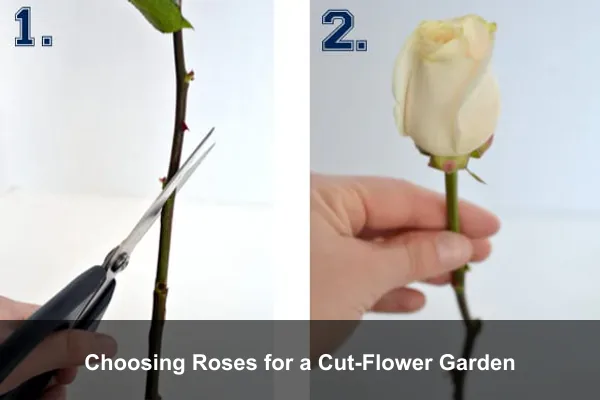
Cut roses early in the morning, when stems are hydrated and temperatures are cooler. Choose buds that are beginning to open but are not fully expanded. Very tight buds may fail to open indoors, while fully open flowers usually have a shorter vase life. Use sharp, clean pruners to make a slanted cut, then place stems in water quickly.
For young rose plants, harvest lightly during the first season. Let the plant build roots and structure before demanding many long stems. Mature, vigorous roses can handle more regular cutting, especially if you feed and water them consistently.
Simple vase care routine
- Remove leaves that would sit below the water line.
- Recut stems before arranging if they have been out of water.
- Use a clean vase to reduce bacterial growth.
- Change the water regularly.
- Keep arrangements away from harsh sun, heaters, and ripening fruit.
For informal arrangements, combine one focal rose with small filler flowers, herbs, or foliage. You do not need a florist-style bouquet every time. A single rose stem in a narrow vase can be enough to bring the garden indoors and remind you why the plant is worth caring for.
Common Bloom Problems and What They Usually Mean
Roses communicate through their leaves, stems, and buds. When flower production declines, the cause is often visible before the plant becomes seriously stressed. Learning to read those signals is part of the practical value of growing roses.
Few flowers or no flowers
If a rose grows leaves but produces few flowers, check sunlight first. Too much shade is one of the most common reasons for poor bloom. Next, consider pruning. Cutting at the wrong time can remove developing flower buds, especially on roses that bloom mainly on older wood. Excess nitrogen can also encourage leafy growth at the expense of flowers.
Bud drop and weak stems
Buds that form but fail to open may indicate water stress, sudden temperature swings, pest damage, or a variety that is poorly suited to the climate. Weak stems can result from insufficient light, overcrowding, or underdeveloped roots. In containers, weak flowering often means the pot is too small, the mix is exhausted, or watering has been inconsistent.
Petal damage and leaf spots
Petal edges can brown from heat, rain, wind, or natural aging. Leaf spots often appear in damp conditions where airflow is poor. Remove badly affected leaves, clean up fallen debris, and avoid overhead watering. If disease pressure is persistent, choose more resistant varieties rather than relying only on repeated treatments.
- Pale leaves: Possible nutrient deficiency, root stress, or poor soil conditions.
- Short stems: Often linked to variety traits, low light, or a young plant.
- Small flowers: May result from heat, drought stress, crowding, or low nutrition.
- Fast fading: Common in intense sun, high heat, or fully open harvested blooms.
Rose Plant Benefits for Small Homes, Balconies, and Shared Gardens
You do not need a large traditional rose garden to enjoy roses. Many modern varieties are suitable for compact spaces, including balconies, courtyards, rental patios, and shared community beds. The key is to choose the right scale. A compact rose in a generous pot is usually more rewarding than a vigorous rose squeezed into a tiny container.
Container roses for limited space
For balconies and patios, look for patio roses, miniature roses, compact floribundas, or small shrub roses. Use a container large enough to protect roots from rapid drying. A pot that is too small may keep the plant alive, but it will rarely support the best flower production. Add a saucer only if you can empty standing water after irrigation.
Place container roses where they receive strong light and good airflow. On hot balconies, reflective walls and hard paving can intensify heat. In that situation, morning sun with light afternoon protection may be better than all-day exposure. Rotate pots occasionally if growth leans toward the sun.
Shared and community garden value
In shared spaces, roses can become dependable gathering plants. People notice when buds appear, when the first flush opens, and when someone cuts a few stems for a table. This social value is simple but real. A rose plant can turn maintenance into observation and observation into conversation.
For shared gardens, choose varieties with good disease resistance, manageable size, and clear care needs. Label the plant so volunteers know its name and pruning habit. Avoid placing highly prickly roses directly against narrow paths where people will brush against them.
Buying Checklist and First-Year Expectations
A strong rose garden starts before planting. The first choice is usually between bare-root roses and potted roses. Bare-root roses are dormant plants sold without soil around their roots, often in late winter or early spring. They can be economical and establish well when planted correctly. Potted roses are easier for beginners to visualize because you can see leaves, stems, and sometimes flowers before buying.
What to inspect before buying
- Look for strong, healthy canes without shriveled bark.
- Avoid plants with blackened, mushy, or badly damaged stems.
- Check leaves for severe disease, pests, or yellowing.
- Choose plants with a clear variety name, mature size, and bloom habit listed.
- For potted roses, inspect drainage and avoid root-bound plants when possible.
What to expect in year one
First-year roses are building roots as much as flowers. It is normal for them to produce fewer blooms than mature plants. Focus on steady watering, healthy foliage, and good structure. Remove weak growth, keep the base mulched, and avoid overharvesting long stems. A patient first year often leads to much better performance in the second and third seasons.
If a newly planted rose struggles, do not rush to apply multiple products at once. Check the basics first: sunlight, water, drainage, planting depth, and root space. Most rose problems become easier to solve when you separate environmental stress from pest or disease issues.
Conclusion
Rose plant benefits and information can go far beyond a general appreciation of beautiful flowers. When you grow roses with a cut-flower and bloom-planning mindset, the plant becomes a renewable source of color, seasonal rhythm, gardening skill, and fresh indoor displays. The best results come from choosing the right rose for your space, giving it enough sun and root room, maintaining steady care, and harvesting stems with respect for the plant’s long-term strength.
For beginners, the most practical path is simple: choose a disease-resistant repeat bloomer, plant it in a sunny and well-drained spot, water deeply, deadhead regularly, and cut only what the plant can afford to give. With that approach, roses become less mysterious and much more useful, offering beauty in the garden and in the vase across many growing seasons.
