
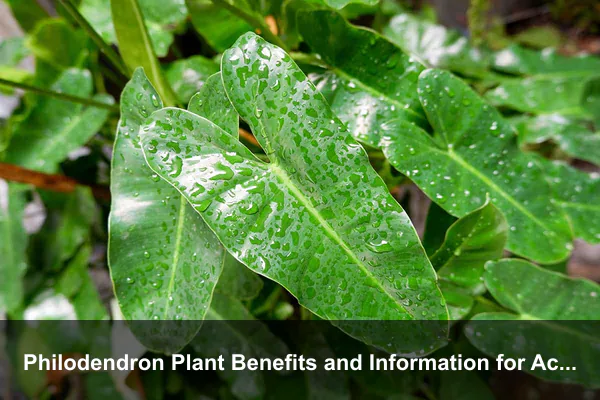
Philodendrons are popular for good reason: they bring generous green foliage indoors without demanding a complicated care routine. For many homes, the real value of this plant is not only decorative. It is practical, flexible, and easy to adapt to different rooms, schedules, and physical needs. This guide to Philodendron plant benefits and information looks at the plant through an accessible-care lens, helping readers choose, place, and maintain philodendrons in ways that feel manageable over the long term.
Instead of focusing only on rare varieties or display trends, this article explains how philodendrons can support calmer indoor spaces, simpler plant-care habits, and more comfortable living areas. The goal is realistic: a healthy houseplant that is easy to reach, easy to inspect, and easy to enjoy. Like all plant benefits, the value comes from the right match between plant, room, and routine.
Why Philodendrons Work Well for Accessible Indoor Greenery
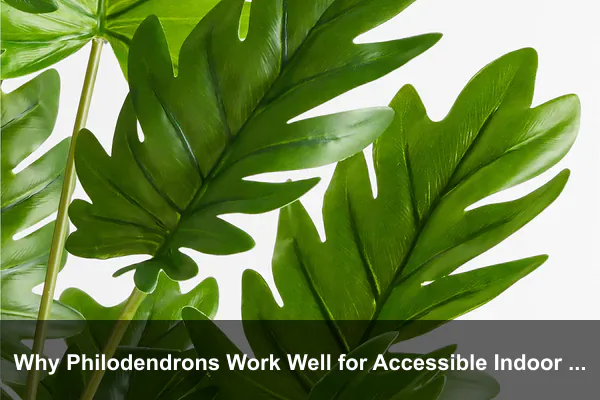
One of the biggest benefits of philodendron plants is their adaptability. Many species and cultivars tolerate normal indoor conditions better than fussier tropical plants. They usually prefer bright, indirect light, but many can manage in moderate light if watering is adjusted. This makes them useful for people who want indoor greenery without constant moving, misting, or advanced care.
Accessibility in houseplant care means the plant can be cared for comfortably. A plant that looks beautiful but sits too high, dries out too fast, or needs heavy lifting every week may become stressful. Philodendrons can be arranged at waist height, trained along a small support, or kept in containers that are light enough to move. This makes them a smart choice for apartments, shared homes, offices, and households where plant care needs to be simple.
Practical Benefits for Daily Living
The most useful philodendron benefits are modest but meaningful. Their foliage adds softness to hard indoor surfaces, creates a stronger feeling of life in a room, and gives people a simple routine to observe. Checking a leaf, turning a pot, or watering when the soil is partly dry can become a grounding habit. These are everyday manfaat tanaman: plant benefits that support a more pleasant environment without making exaggerated health claims.
- Visual comfort: Broad green leaves can make shelves, desks, and corners feel less harsh.
- Flexible styling: Vining, climbing, and upright forms can fit many room layouts.
- Manageable care: Most common philodendrons do not need daily attention.
- Observation value: Leaves often show clear signs when light or water needs adjusting.
- Long-term value: A healthy plant can grow for years with pruning, support, and occasional repotting.
Key Philodendron Information: What This Plant Is and Is Not
Philodendrons belong to the Araceae family, a group often called aroids. They are tropical plants known for decorative foliage rather than showy indoor flowers. Some philodendrons climb with the help of aerial roots, some trail from shelves, and others grow in a more upright, self-heading form. This variety is part of their appeal, but it also means shoppers should check the plant type before buying.
Common Indoor Types
For accessible indoor care, it helps to understand the basic growth habit. A heartleaf philodendron can trail from a shelf or be trained upward. A climbing philodendron may need a moss pole, coir pole, or slim trellis. Upright types, such as many self-heading hybrids, can become wider and heavier over time. None of these forms is automatically better; the best choice is the one that fits your reach, room, and maintenance style.
- Trailing philodendrons: Good for shelves, plant stands, and hanging displays, but long vines should be kept within reach for pruning and cleaning.
- Climbing philodendrons: Good for vertical structure, but supports should be stable and not too tall to inspect safely.
- Upright philodendrons: Good as floor or table plants, but choose pot size carefully so the plant does not become difficult to move.
Safety Information
An important part of Philodendron plant benefits and information is safety. Philodendrons contain calcium oxalate crystals, which can irritate the mouth, throat, skin, or digestive system if chewed or handled carelessly. They are not edible plants. Keep them away from pets and small children, wear gloves if your skin is sensitive, and wash hands after pruning. A plant can be beneficial in the home while still needing responsible placement.
Air-Cleaning Claims Should Be Realistic
Philodendrons are often described as air-purifying plants, but a single houseplant should not be treated as a replacement for ventilation, cleaning, humidity control, or mold prevention. The realistic indoor benefit is that a philodendron encourages better room attention: you notice light, dust, airflow, dry soil, and stagnant corners more often. That awareness can lead to healthier habits, but the plant itself should not be marketed as a medical solution.
Choosing the Right Philodendron for Your Body, Space, and Routine
A good philodendron begins with a good match. Before buying, think less about the trendiest leaf and more about where the plant will live. Can you reach the soil without stretching? Can you rotate the pot? Will the plant block a walkway? Is the pot too heavy to lift for watering? These practical questions prevent most care problems before they start.
Match Leaf Size to the Room
Large leaves create a bold, tropical look, but they also collect more dust and may need more space. Smaller-leaved philodendrons are easier to place on shelves, side tables, and office surfaces. If your space is narrow, a compact or trained climbing form may work better than a wide upright plant. For a busy household, a plant that stays clear of doors, chairs, and pet paths is usually easier to keep healthy.
Check the Plant Before Buying
Look for firm stems, evenly colored leaves, active new growth, and a pot that is not waterlogged. Avoid plants with sour-smelling soil, mushy stems, heavy pest damage, or many yellow leaves at once. A few older yellow leaves can be normal, but widespread decline suggests stress. Buying a healthier plant is one of the simplest ways to make philodendron care more accessible.
- Choose a plant that fits your current space, not the space you hope to have later.
- Lift the nursery pot if possible to judge future handling weight.
- Inspect leaf undersides for pests before bringing the plant indoors.
- Check that the pot has drainage holes or plan to move it into one that does.
- Pick stable containers that are difficult to tip over in active rooms.
Accessible Care Setup: Light, Water, Soil, and Tools
Philodendron care becomes easier when the setup does some of the work for you. The goal is not to buy many gadgets. It is to create a simple system where watering, checking, and cleaning can happen without moving furniture or guessing every time.
Light That Supports Steady Growth
Most philodendrons do best in bright, indirect light. Near an east-facing window, beside a filtered south or west window, or a few feet from a bright opening can work well. Direct afternoon sun may scorch leaves, especially on delicate or variegated types. In lower light, growth may slow, leaves may become smaller, and soil may stay wet longer. That does not always mean the plant is failing; it means the care routine should be slower.
Watering Without Guesswork
Water when the top part of the soil feels dry, then let excess water drain away. Do not let the plant sit in a saucer of water. For accessible care, place the philodendron where you can check soil with a finger, wooden chopstick, or simple moisture meter. If bending is difficult, use a waist-high stand or table. A lightweight watering can with a narrow spout also helps control water without spills.
Many philodendron problems come from watering by calendar instead of by condition. A plant in bright light may need water more often than one in a dim corner. A small pot dries faster than a large one. A warm room dries faster than a cool one. The best routine is consistent observation, not automatic watering.
Soil and Potting Basics
Philodendrons need a potting mix that holds some moisture but still drains well. A common approach is to use indoor potting mix improved with chunky material such as orchid bark, perlite, or coco chips. This helps air reach the roots. Dense, soggy soil increases the risk of root stress. Choose a pot with drainage holes and avoid moving a small plant into a much larger pot too soon.
Tools That Make Care Easier
- A narrow-spout watering can for controlled watering.
- A tray or saucer that can be emptied easily.
- Soft cloths for wiping dust from broad leaves.
- Clean pruning scissors for removing damaged growth.
- A stable plant stand, rolling base, or lightweight cachepot for easier access.
Placement Ideas That Keep Philodendron Care Simple
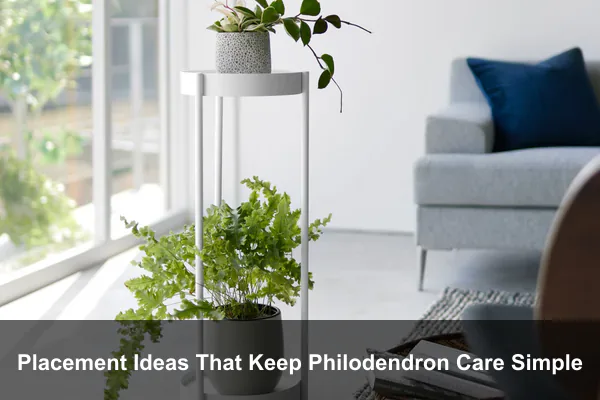
Placement is where design and care meet. A philodendron should look good, but it should also be reachable. If the plant is too high, too crowded, or too close to a heat source, maintenance becomes harder. The best location is usually a bright, calm spot with enough space around the leaves.
Waist-Height Plant Stations
A waist-height table, bench, or plant stand makes watering and inspection easier. This is especially useful for people who dislike lifting floor pots or climbing stools. Keep a small care kit nearby with a cloth, scissors, and watering tool. When care supplies are close, the routine becomes more natural.
Safe Corners and Clear Walkways
Philodendrons should not block doors, narrow hallways, or frequently used paths. Trailing vines should be trimmed or guided so they do not catch on bags, chairs, or mobility aids. If you use a climbing support, make sure it is firmly anchored in the pot. A top-heavy plant can tip, damage leaves, and create a mess.
Office and Study Areas
A compact philodendron can add greenery near a work area without requiring fragrance, flowers, or frequent cleanup. Place it to the side of a screen rather than directly in front of it. This keeps the plant visible without interfering with work. Rotate the pot occasionally so growth stays balanced toward the light.
Common Problems and Simple Fixes
Philodendrons are forgiving, but they still respond to stress. The benefit of learning their common signals is that you can act early. A simple fix is usually better than a dramatic rescue attempt.
Yellow Leaves
One yellow older leaf can be normal. Many yellow leaves at once often point to overwatering, poor drainage, or sudden environmental change. Check the soil before adding more water. If the mix is wet for many days, improve airflow around the pot, empty the saucer, and consider whether the plant needs brighter indirect light.
Brown Leaf Edges
Brown edges may come from underwatering, inconsistent watering, fertilizer buildup, dry air, or direct sun damage. Trim only the damaged part if needed, then correct the cause. Avoid heavy fertilizer on a stressed plant. A gentle rinse of the soil during normal watering can help reduce excess salts if drainage is good.
Leggy Growth
Long spaces between leaves usually mean the plant wants more light. Move it gradually to a brighter indirect location. Pruning can encourage fuller growth, but light must improve too. Otherwise, new stems may stretch again.
Pests
Common indoor pests include spider mites, mealybugs, scale, and fungus gnats. Inspect new plants before placing them near others. Wipe leaves, isolate affected plants, and treat early with an appropriate houseplant method such as insecticidal soap, following label directions. Good care reduces stress, but inspection is still necessary.
Sustainable and Budget-Smart Philodendron Habits
Another benefit of philodendrons is that they can support lower-waste indoor gardening habits. You do not need to replace the plant every season. With the right care, a philodendron can be refreshed through pruning, repotting, and support adjustments. This makes it a good plant for people who want long-term greenery rather than short-lived decoration.
Buy One Good Plant Instead of Many Weak Ones
A healthy, appropriately sized philodendron often gives more value than several stressed bargain plants. Choose one that fits your light and care capacity. If your home has limited bright space, do not buy several plants that all need the same window. A smaller collection is easier to maintain and often looks better.
Reuse and Upgrade Thoughtfully
Repot only when the plant needs it, such as when roots circle tightly, water runs through too quickly, or growth stalls despite good care. Reuse decorative cachepots when possible, but keep the inner nursery pot or growing pot functional. A beautiful container is not helpful if it traps water and damages roots.
Prune With Purpose
Pruning keeps philodendrons within reach and prevents vines from becoming tangled. Cut above a node with clean scissors. Healthy cuttings may sometimes be rooted, depending on the type and condition of the stem, but propagation should not be the only goal. The first goal is a plant that remains safe, attractive, and manageable in its space.
Philodendron Benefits Compared With Other Houseplants
When readers search for Philodendron plant benefits and information, they often want to know why they should choose this plant instead of another indoor option. Compared with many flowering houseplants, philodendrons are usually grown for foliage, so they are less dependent on bloom cycles. Compared with some high-light succulents, they often suit indoor rooms better. Compared with very delicate foliage plants, many common philodendrons recover more easily from minor mistakes.
That said, philodendrons are not perfect for every household. They are not pet-safe chewing plants, they may outgrow small shelves, and some types become expensive because of collector demand. The best decision is practical: choose a common, healthy philodendron that matches your space before considering rare or costly forms.
Conclusion
Philodendrons offer more than attractive leaves. Their real value comes from adaptability, visible growth, flexible styling, and care routines that can be made accessible for many homes. When placed within reach, planted in a draining mix, watered by soil condition, and kept away from pets and children, they can become long-lasting indoor companions.
The most helpful approach to Philodendron plant benefits and information is realistic and practical. Choose the right growth habit, create a care setup that fits your body and schedule, and pay attention to simple leaf and soil signals. With that foundation, a philodendron can bring steady greenery, calmer visual texture, and low-stress plant care into everyday indoor life.
