
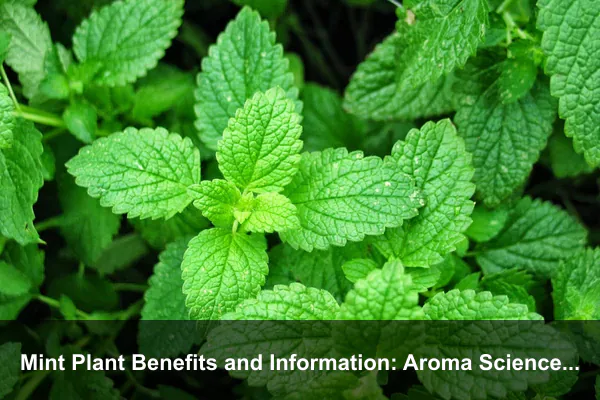
Mint is one of the most familiar herbs in the world, yet many gardeners only use it as a garnish or a quick tea ingredient. A closer look shows that this fast-growing Mentha plant has a richer story: its fragrance comes from powerful natural compounds, its flowers can support pollinators, and its leaves can make everyday food feel fresher without heavy seasoning.
This guide takes a distinct, practical look at mint plant benefits and information through aroma, wellness traditions, garden ecology, quality selection, and safe everyday use. Instead of repeating basic mint-growing advice, it focuses on how to understand the plant better so you can use it more thoughtfully in a kitchen garden, balcony planter, sensory corner, or herbal plant collection.
What Makes Mint Different From Other Culinary Herbs?
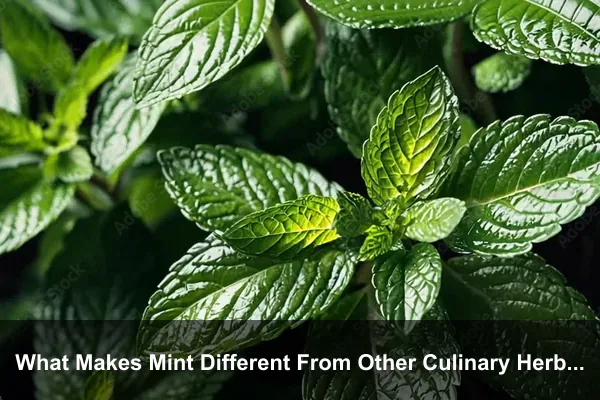
Mint belongs to the Lamiaceae family, the same plant family as basil, rosemary, lavender, oregano, and thyme. What makes mint stand out is the speed of its growth, the sharp cooling impression of its aroma, and the way its stems spread through runners. This combination makes it both useful and demanding: useful because it provides generous leaves, demanding because it can move beyond its assigned space when planted directly in open soil.
Botanical Identity in Simple Terms
The word mint does not describe just one plant. It refers to many plants in the Mentha genus. Spearmint and peppermint are the two most recognized culinary types, but garden centers may also sell apple mint, chocolate mint, orange mint, or other scented selections. For most home uses, the important point is not collecting every type. It is choosing a healthy mint with the aroma and leaf texture you actually enjoy.
Mint usually has square stems, opposite leaves, and small flowers that may appear in clusters or spikes. The leaves often release fragrance as soon as they are touched, bruised, cut, or warmed by sunlight. That immediate scent response is one reason mint is so popular in sensory gardens and edible landscapes.
The Aroma Comes From Plant Chemistry
Mint’s cooling character is linked to aromatic compounds such as menthol and related natural oils, especially in peppermint. Spearmint has a sweeter, softer profile because its aromatic balance is different. This is why one mint may feel bold and icy while another tastes rounder and more gentle.
Understanding this chemistry helps explain several mint plant benefits. The leaves do not simply add flavor; they change how food and drinks feel. A few torn leaves can make plain water seem brighter, fruit taste cleaner, and a heavy meal feel lighter. This is sensory value, not magic. Mint works because aroma strongly influences taste, freshness, and the way people experience a meal.
Key Mint Plant Benefits Beyond Basic Freshness
The most obvious benefit of mint is its refreshing taste, but the plant offers more than a pleasant flavor. When used realistically, mint can support better home cooking, more inviting outdoor spaces, and mindful herbal routines. The key is to separate everyday benefits from exaggerated health claims.
Mint Encourages Lighter, Fresher Cooking
Fresh mint can help home cooks create flavor without relying only on salt, sugar, cream, or bottled sauces. It pairs well with cucumber, melon, citrus, peas, yogurt, lentils, grilled vegetables, roasted potatoes, rice dishes, and many herbal drinks. This makes it valuable for people who want food that tastes lively without making every dish feel heavy.
Mint is especially useful when a recipe needs contrast. Rich foods benefit from its cool edge. Sweet foods benefit from its green aroma. Spicy foods can feel more balanced when mint is added with yogurt, lime, or fresh herbs. This culinary flexibility is one of the simplest plant benefits for everyday life.
Mint Has a Long Digestive Tradition
Mint leaves have been used in many cultures after meals, often as tea or as a fresh garnish. Some people find warm mint tea comforting after eating, especially when the issue is occasional heaviness from a large meal. However, it is important to be accurate: fresh mint tea is not the same as concentrated peppermint oil capsules, and neither should be treated as a cure for digestive disease.
For evidence-based context, the National Center for Complementary and Integrative Health discusses peppermint oil and notes that some research supports short-term use for irritable bowel syndrome symptoms, while also warning about safety limits. Readers can review that official overview here: NCCIH peppermint oil safety and usefulness. For a home gardener, the practical takeaway is simple: enjoy mint leaves as food and tea, but treat concentrated oils and supplements with more caution.
Mint Adds Sensory Value to Homes and Gardens
Mint is one of the easiest plants to experience through touch and smell. Brushing the leaves releases fragrance, which makes it excellent near a path, outdoor seat, kitchen door, or balcony edge. In this role, mint becomes more than an ingredient. It becomes a living scent plant that changes the feeling of a small space.
This sensory benefit is especially useful in small gardens where every plant must earn its place. A mint plant can provide greenery, aroma, leaves for food, and seasonal flowers from a compact area when managed properly. That makes it a strong choice for beginner gardeners who want quick feedback from their plants.
Mint Flowers Can Help Pollinators
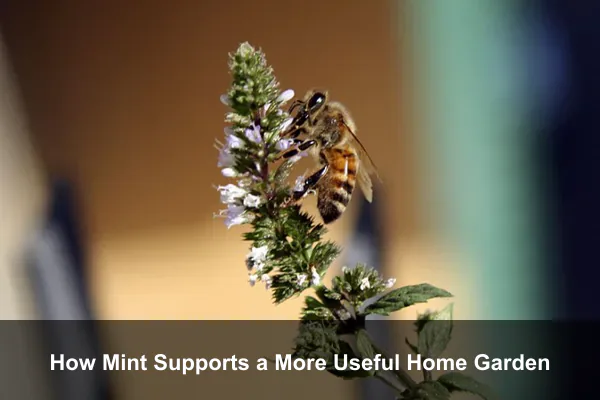
When mint is allowed to flower, its small blossoms may attract bees and other beneficial insects. This ecological value is often overlooked because many cooks harvest mint before flowering for the best leaf quality. A balanced approach is to keep one section trimmed for kitchen leaves and allow another small section to bloom for pollinators.
Because mint can spread vigorously, this pollinator benefit should be planned rather than accidental. A contained planting, raised bed edge, or dedicated herb patch is better than letting mint run through a mixed garden without boundaries. The goal is to gain the ecological benefit while keeping the plant easy to manage.
Mint Plant Information for Choosing a Healthy Plant
Good mint benefits begin with good plant selection. A weak, stressed, or poorly labeled mint plant may still survive, but it may not provide the best aroma, leaf quality, or long-term performance. Whether you buy mint from a nursery or receive a cutting from a friend, look at the plant closely before bringing it into your garden.
Signs of a Strong Mint Plant
A healthy mint should have firm stems, lively green leaves, and a clear fragrance when gently rubbed. The leaves should not be sticky, heavily spotted, gray with mildew, or covered with webbing. Lower leaves may be slightly older, but the newest growth should look fresh and energetic.
- Good leaf color: Look for consistent green tones without widespread yellowing.
- Strong aroma: A light touch should release a recognizable mint scent.
- Firm stems: Stems should stand up well instead of collapsing.
- Clean undersides: Check under leaves for pests, eggs, or mildew.
- Active growth tips: New shoots show that the plant is ready to regrow after harvest.
Know the Difference Between Nursery Mint and Grocery Mint
Mint sold as a potted herb in a grocery store is often grown for quick kitchen use, not necessarily long outdoor life. It can still be planted, but it may need a transition period with better light, more root space, and careful watering. Nursery mint is usually better suited for long-term growing because it has been raised as a garden plant.
If you buy cut mint stems from the produce section, you may be able to root them in water if they are fresh and have strong nodes. This is a low-cost way to start, but the final plant quality depends on how fresh the stems are and whether they were treated well before purchase.
How Mint Supports a More Useful Home Garden
Mint can be part of a productive garden design when its energy is directed properly. The plant is not delicate. It grows fast, responds well to cutting, and usually recovers quickly after stress. These strengths make it useful, but they also explain why unmanaged mint can become a problem.
A Sensory Corner for Small Spaces
In a balcony, patio, or narrow side yard, mint can create a small sensory corner. Place it where you naturally pass by, water plants, sit in the morning, or prepare food outdoors. The benefit is not only the harvest. It is the repeated experience of touching the leaves, smelling the plant, and seeing it respond with new growth.
For a more useful arrangement, combine mint with plants that offer different sensory qualities without depending on mint as a companion plant. For example, a nearby pot of chives gives upright texture, parsley gives soft edible foliage, and a small flowering annual can add color. Mint should still have its own root space so it does not compete aggressively.
Fresh Leaves on Demand
One major advantage of growing mint is convenience. Store-bought mint often wilts quickly, but a living plant lets you take only what you need. This reduces waste and encourages small, frequent use. Instead of saving mint for special recipes, you can add a few leaves to water, salad, soup, fruit, grain bowls, or sauces whenever the flavor fits.
Frequent light cutting also helps mint stay bushier. The plant responds to harvest by pushing side growth, especially when it has enough light and moisture. This creates a useful cycle: regular use encourages better form, and better form provides more usable leaves.
Garden Ecology With Boundaries
Mint can contribute to biodiversity, but it should not be planted carelessly in open ground. Extension resources such as the University of Maryland Extension explain that mint spreads aggressively through runners and is often best managed in containers or contained spaces: University of Maryland Extension mint guide.
For gardeners who want both leaves and flowers, boundaries matter. Keep the plant where its runners can be seen, trimmed, or lifted. If it escapes into a bed, it may compete with slower herbs and ornamentals. A responsible mint garden is not about fighting the plant constantly; it is about giving it a role that matches its growth habit.
Safe Everyday Uses of Mint Leaves, Tea, and Aroma
Mint is widely used as food, but safe use still matters. Fresh leaves in normal culinary amounts are different from essential oil, extracts, or high-dose supplements. This distinction is especially important for children, pregnant people, people with reflux, and anyone using medication or managing a medical condition.
Using Fresh Mint Leaves
Fresh mint leaves are best treated as a flavorful food ingredient. Wash them well, especially if they came from outdoors or a store bunch. Tear or slice the leaves shortly before serving because cut mint can darken and lose aroma. For hot dishes, add mint near the end so the fragrance stays fresh.
Good everyday uses include herb yogurt, cucumber salads, fruit bowls, iced water, herbal tea, pea soup, lentil dishes, and quick sauces. The goal is balance. Mint can dominate delicate food if used heavily, so start with a small amount and adjust.
Making Mint Tea Responsibly
Mint tea is simple: steep clean leaves in hot water, then strain or sip around the leaves. Many people prefer a short steep for a bright flavor and a longer steep for a stronger herbal taste. If the tea tastes harsh, use fewer leaves or steep for less time.
People with frequent heartburn or gastroesophageal reflux may find peppermint uncomfortable because it can relax the lower esophageal sphincter in some situations. Anyone with persistent digestive symptoms should seek medical guidance instead of relying on mint. A pleasant tea can support a routine, but it should not replace diagnosis or care.
Be Careful With Essential Oil
Peppermint essential oil is concentrated and should not be used like fresh leaves. It can irritate skin, eyes, and mucous membranes if misused. Menthol-containing products should not be applied to the face of infants or young children because breathing-related side effects are a concern. Concentrated oils also require caution around pets and sensitive adults.
For most households, the safest way to enjoy mint aroma is to grow the plant, use fresh leaves, or make mild tea. Essential oil use belongs in a separate safety category and should follow professional guidance and product directions.
Common Mistakes That Reduce Mint Benefits
Mint is forgiving, but it is not impossible to misuse. Some common habits reduce leaf quality, weaken aroma, or turn a helpful herb into a garden headache. Avoiding these mistakes makes the plant more rewarding.
Letting the Plant Become Woody and Tired
Old mint stems can become tough, sparse, and less attractive. If the plant is never cut, it may stretch, flower heavily, and produce smaller leaves. Regular trimming keeps growth younger and more useful. This does not mean stripping the plant bare. It means taking stems thoughtfully and giving the plant time to regrow.
Growing Mint in Poorly Drained Soil
Mint likes moisture, but wet roots are not the same as healthy moisture. Soil that stays soggy can encourage root problems, weak stems, and disease. A good mint setup holds enough water to prevent constant wilting but drains well enough that roots can breathe.
Ignoring Sun and Heat Stress
Mint can grow in sun or partial shade, but extreme heat can make leaves coarse or stressed. In very hot climates, afternoon shade may improve leaf quality. In cooler regions, more sun may encourage fuller growth. The best position depends on local conditions, not a single universal rule.
Using Leaves Without Washing Them
Because mint leaves have textured surfaces, they can hold dust, soil splash, or insects. Always wash mint before eating it, even if it comes from your own garden. If you use pest sprays or fertilizers nearby, keep mint protected from drift and follow all safety intervals before harvesting.
Practical Care Routine for Better Aroma and Regrowth
Although this article focuses on a unique angle, basic care still supports every mint benefit. A stressed plant cannot provide the same aroma, leaf volume, or garden value as a vigorous one. Keep the routine simple and consistent.
Light
Give mint bright light. In many gardens, morning sun with some afternoon protection works well. Indoors, mint needs a very bright window or a grow light to stay compact. Weak indoor light often leads to long, thin stems and pale leaves.
Water
Water when the top layer of soil begins to dry, but do not leave the plant sitting in stagnant water. Outdoor pots may need more frequent watering during hot weather. Indoor pots should have drainage holes and a saucer that is emptied after watering.
Pruning
Cut above a pair of leaves to encourage branching. Remove yellow leaves and old stems. If the plant flowers and your priority is leaf flavor, trim flowering stems back. If your priority is pollinator support, allow a limited section to bloom.
Renewal
Mint can become crowded over time. If growth slows, divide the root mass, refresh the soil, or root new cuttings. Renewal keeps the plant productive and prevents the pot from becoming a dense block of roots.
Sustainable Ways to Preserve Mint’s Value
Mint often grows faster than a household can use it. Instead of wasting extra leaves, preserve small batches in ways that match your cooking habits. The best method is the one you will actually use later.
- Air-dry small bundles: Hang clean stems in a dry, shaded, airy place until crisp, then store the leaves in an airtight jar.
- Freeze chopped leaves: Freeze mint with water in ice cube trays for drinks, soups, or sauces.
- Make herb sugar sparingly: Blend dry leaves with sugar for desserts or drinks, but store carefully to avoid moisture.
- Use stems for aroma: Clean stems can scent hot water, vinegar cleaning routines, or compost layers before they break down.
Dried mint is usually softer and less bright than fresh mint, but it is useful for tea and simple seasoning. Store dried leaves away from light, heat, and moisture. If they lose their scent, they have lost much of their value.
Buying, Storing, and Using Mint With Quality in Mind
Not everyone grows mint year-round, and even gardeners may buy bunches when their plants are resting. Quality selection makes a clear difference. Choose bunches with perky leaves, clean stems, and a strong but pleasant aroma. Avoid mint that smells sour, looks slimy, or has blackened patches.
To store cut mint, trim the stem ends and place the bunch in a glass with a little water, loosely covered in the refrigerator. Alternatively, wrap the leaves in a slightly damp towel and keep them in a container. Use fresh mint quickly because its best aroma fades with time.
When cooking, think about mint as a finishing herb. Add it late, pair it with acidity, and avoid burying it under too many strong flavors. Lemon, lime, yogurt, cucumber, peas, berries, watermelon, lamb, beans, and rice all work well because they leave room for mint’s fragrance to be noticed.
Quick FAQ About Mint Plant Benefits and Information
Is mint a good plant for beginners?
Yes. Mint is one of the easier herbs for beginners because it grows quickly and responds well to cutting. The main beginner lesson is control. Grow it where its roots can be managed, especially if your garden has limited space.
Can mint grow indoors?
Mint can grow indoors if it receives enough bright light and steady moisture. A sunny window may work, but many homes are too dim for compact growth. If stems become long and weak, the plant likely needs stronger light.
Does mint clean indoor air?
Mint can make a room smell fresher when leaves are touched or used, but it should not be promoted as a major air-purifying solution. Its real indoor benefits are culinary convenience, greenery, scent, and a satisfying growing experience.
Is mint safe for pets?
Small accidental exposure to fresh leaves may not be the same as concentrated oil exposure, but pet safety depends on the animal, amount, and product. Keep essential oils away from pets unless a veterinarian has approved their use. If a pet eats a large amount of any plant or shows symptoms, contact a veterinarian.
Should mint be allowed to flower?
Allowing some mint to flower can benefit pollinators, but flowering may reduce the tenderness of leaves used for cooking. A practical method is to trim most stems for leaf production and let a small, contained section bloom.
What is the most important mint plant benefit?
The most practical benefit is versatility. Mint provides edible leaves, refreshing aroma, pollinator-friendly flowers, sensory garden value, and easy propagation. Few herbs offer that many everyday uses with such fast regrowth.
Conclusion
Mint is more than a common garnish. When understood well, it becomes a high-value herbal plant with culinary, sensory, ecological, and practical benefits. Its cooling aroma can brighten food, its leaves can support simple herbal routines, and its flowers can contribute to a more active garden ecosystem.
The best way to enjoy mint plant benefits and information is to use the plant with both appreciation and discipline. Choose a healthy plant, give it enough light and moisture, harvest regularly, respect its spreading habit, and keep safety in mind when moving from fresh leaves to concentrated products. With that balanced approach, mint becomes one of the most useful herbs a home gardener can grow.
