
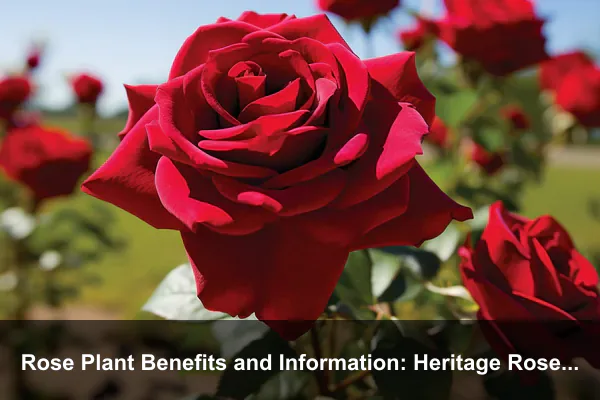
Rose plant benefits and information become much more useful when the conversation starts before the rose is planted. Many gardeners ask how to care for roses after problems appear, but the strongest results often come from choosing the right rose type, root system, size, and growth habit from the beginning. A rose that fits the climate, soil, space, and care routine can reward a home garden for many years with flowers, fragrance, wildlife value, and a calmer outdoor atmosphere.
This article takes a different angle from a general rose care guide. Instead of focusing only on watering, pruning, or flower meaning, it looks at how smart variety selection affects the real benefits of roses. Whether you are interested in heritage roses, modern shrub roses, own-root plants, grafted roses, or compact varieties for a small garden, understanding the plant before buying helps you avoid wasted effort and build a healthier, more satisfying landscape.
Why Rose Plant Benefits Start With Selection
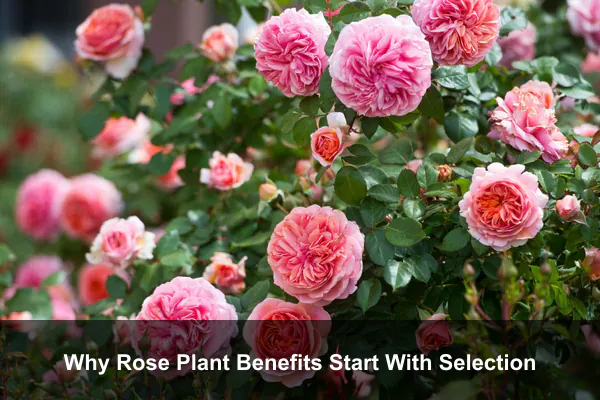
Roses are often described as beautiful flowering plants, but that description is too simple. A rose can behave like a compact border plant, a tall arching shrub, a climbing screen, a container feature, a fragrant specimen, or a seasonal wildlife resource. The benefits you receive depend heavily on which rose you choose.
A well-selected rose can provide layered value: visual color, natural scent, garden structure, pollinator support, useful petals when grown safely, and emotional comfort through regular observation. A poorly matched rose may still flower, but it can demand constant spraying, outgrow its location, drop leaves in humid weather, or produce blooms that do not match your expectations.
The practical benefit of choosing well
The right rose saves time, water, money, and garden space. It also reduces frustration. For example, a disease-resistant shrub rose may be better for a busy gardener than a delicate exhibition rose. A thornless or nearly thornless climber may suit a family walkway better than a heavily armed old rose. A compact landscape rose may make more sense near a patio than a vigorous rambler that wants to cover a fence.
Beauty is only one part of rose value
When people search for rose plant benefits and information, they often expect a list of uses. Those uses matter, but rose value is strongest when the plant fits its role. Look beyond flower color and ask what the rose will do in the space. Will it soften a hard wall, mark a garden path, attract gentle insect activity, create a fragrant sitting area, or bring seasonal color to a quiet corner? Selection turns a pretty plant into a useful garden feature.
Important Rose Types and Their Garden Roles
There are thousands of rose cultivars, but most home gardeners can make better choices by understanding a few practical groups. Each group has different strengths, maintenance needs, and design uses.
Hybrid tea roses
Hybrid tea roses are known for elegant, high-centered blooms on long stems. They are often chosen for formal beauty and flower display. Their main benefit is dramatic individual blooms, but they may require more attention than easier landscape roses. In humid or disease-prone regions, choose modern hybrid teas bred for better leaf health, not only color.
Floribunda roses
Floribundas produce clusters of flowers, making them useful when you want repeated garden color rather than single show blooms. They are often more generous in the landscape than hybrid teas and can work well in beds, borders, and mixed flower gardens. Their benefit is reliable color impact with a balanced size.
Shrub and landscape roses
Shrub roses are often the most practical choice for everyday gardens. Many modern shrub roses are bred for repeat flowering, disease resistance, and strong garden performance. They can offer long bloom periods without needing the intense care associated with more formal rose growing. For beginners, this group is often the safest place to start.
Climbing and rambling roses
Climbing roses add vertical value. They can cover arches, pergolas, fences, and walls, but they need support and space. Ramblers are usually more vigorous and may bloom heavily once a year, while climbers are often more controlled and may repeat bloom depending on the cultivar. Their benefit is structure, shade, romance, and vertical softness in the landscape.
Heritage and old garden roses
Heritage roses, sometimes called old garden roses, are valued for history, fragrance, petal form, and character. Some bloom once with great abundance, while others repeat. They can be excellent for gardeners who want a plant with cultural depth and natural charm. However, not every old rose is low maintenance in every climate, so local performance matters.
Miniature, patio, and groundcover roses
Small roses are useful where space is limited. Miniature and patio roses can suit containers, balconies, and small beds. Groundcover roses can fill edges, slopes, or low borders. Their benefit is scale. They make roses accessible to gardeners who do not have room for large shrubs or climbing plants.
Own-Root vs Grafted Roses: Information Buyers Should Know
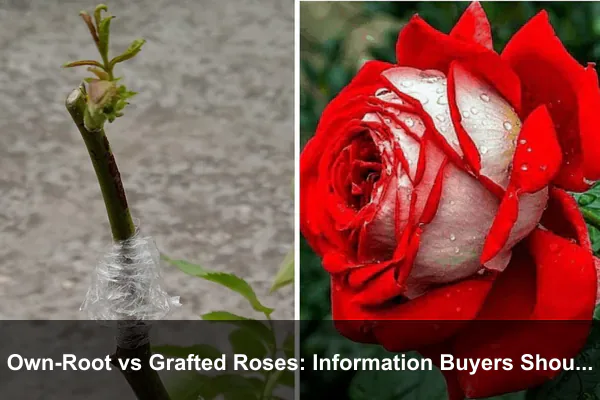
One of the most overlooked parts of rose plant benefits and information is the root system. Many roses are sold either as own-root plants or grafted plants. This difference can affect vigor, cold recovery, disease response, suckering, and long-term garden performance.
What is an own-root rose?
An own-root rose grows on its own roots, meaning the top growth and root system are the same cultivar. If winter, pruning damage, or accidental breakage kills the stems back to the ground but the roots survive, new shoots should come back as the same rose. This can be a major advantage in colder areas or for gardeners who want long-term consistency.
Own-root roses may start smaller and grow more slowly at first, especially compared with vigorous grafted roses. Their benefit is stability. Once established, many own-root roses become durable and dependable, particularly in gardens where winter dieback is a concern.
What is a grafted rose?
A grafted rose has the chosen flowering variety attached to a different rootstock. The rootstock may improve vigor, adaptability, or commercial production speed. Many traditional roses in nurseries are grafted because grafting can produce saleable plants quickly and consistently.
The main thing to watch is suckering. If shoots emerge from below the graft union, they may belong to the rootstock, not the rose you purchased. These shoots can grow strongly and compete with the desired plant. Gardeners should learn to identify and remove rootstock suckers early.
Which is better?
Neither option is automatically superior. The better choice depends on climate, cultivar, nursery quality, and your goals. Own-root roses are often preferred for cold resilience and long-term identity. Grafted roses may establish quickly and perform strongly when the rootstock suits the region. When buying, ask whether the rose is own-root or grafted and choose based on your local conditions.
Matching Roses to Climate, Soil, and Space
Roses are adaptable, but they are not all adaptable in the same way. A variety that thrives in a dry, breezy garden may struggle in a humid area with warm nights. A rose that looks perfect in a catalog may grow too wide for a narrow bed. Smart matching helps preserve the benefits of roses while reducing ongoing care.
Light and airflow
Most roses flower best with strong sunlight. In many gardens, six or more hours of direct sun is a good target. Morning sun is especially useful because it helps dry leaves after dew or rain. Good airflow also supports leaf health. Crowding roses tightly against walls or dense shrubs can create damp, still conditions that invite fungal problems.
Soil and drainage
Roses appreciate fertile, well-drained soil with organic matter. They do not like roots sitting in stagnant water. Before planting, observe how water moves through the site after rain. If the ground stays soggy, improve drainage or consider a raised bed. If the soil is sandy and dries quickly, compost and mulch can help retain moisture without smothering the crown.
Size at maturity
One of the most common rose mistakes is buying for flower color while ignoring mature size. A rose labeled as 90 cm tall behaves very differently from a climber that can reach several meters. Always read height and width information, then allow extra room for airflow and maintenance access.
Regional disease pressure
Disease resistance is not universal. A rose that resists black spot in one region may still struggle elsewhere. Local nurseries, public rose gardens, and experienced nearby gardeners can provide practical clues. If you want lower input growing, choose varieties known to perform well in your climate rather than relying only on glossy photos.
Key Benefits of Roses in the Home Garden
Roses are popular because they offer more than ornament. Their benefits reach into design, mood, biodiversity, cultural meaning, and everyday garden routines. The best results come from realistic expectations and safe growing practices.
Visual structure and seasonal rhythm
A rose plant can anchor a garden bed. Shrub roses create mass and color, climbers draw the eye upward, and compact roses add detail near paths or seating areas. Even when not in bloom, a healthy rose can contribute structure through stems, foliage, and shape. This seasonal rhythm encourages gardeners to observe changes over time.
Fragrance and sensory value
Many roses are loved for fragrance, though not all modern roses are strongly scented. Fragrance can make a garden feel more personal and memorable. For a seating area, entry path, or meditation corner, a scented rose can offer a gentle sensory benefit without needing artificial perfume.
Pollinator and wildlife support
Single and semi-double roses are usually more accessible to pollinators than densely packed double blooms. Open flowers can provide pollen for bees and beneficial insects. Rose hips, when allowed to form, may add seasonal interest and food value for wildlife. If biodiversity matters, include at least some roses with visible centers and avoid unnecessary pesticide use.
Emotional and cultural value
Roses carry strong associations with love, remembrance, celebration, respect, and beauty. In many home gardens, their emotional value is as important as their physical benefits. A rose planted to mark a family event, honor a person, or create a welcoming entrance can become part of the household story.
Potential edible and household uses
Some roses produce petals and hips that can be used in teas, syrups, preserves, or simple kitchen projects, but only when the plant has been grown without unsafe chemicals and correctly identified. Do not eat petals from florist roses or treated plants. For household use, select roses specifically grown for clean harvesting and avoid roadsides or polluted locations.
How to Read a Rose Label Before Buying
A rose label is more than a name tag. It is a compact decision guide. Learning to read it carefully can prevent most beginner mistakes. When possible, compare several varieties before choosing the one with the most attractive flower photo.
Information to check first
- Mature height and width: Choose a rose that fits the space after several years, not only at planting time.
- Growth habit: Look for words such as shrub, climbing, patio, groundcover, upright, arching, or spreading.
- Bloom pattern: Repeat-flowering roses provide more frequent color, while once-blooming roses may deliver one powerful seasonal display.
- Fragrance level: If scent matters, select a variety known for fragrance instead of assuming all roses smell strong.
- Disease resistance: Prioritize this in humid regions or if you prefer lower chemical input.
- Root type: Ask whether the rose is own-root or grafted, especially in cold climates.
- Hardiness: Match the rose to your winter and summer conditions.
Questions to ask a nursery
- Has this rose performed well in local gardens?
- Is it own-root or grafted?
- How large does it usually become in this region?
- Does it need regular spraying to look healthy?
- Is it suitable for containers, borders, arches, or hedges?
Good nurseries should be able to answer these questions or suggest varieties that fit your conditions. A beautiful rose that needs constant rescue is rarely the best bargain.
Planting and First-Year Care for Long-Term Benefits
Even the best rose needs a strong start. First-year care should focus on root establishment, steady moisture, and reducing stress. Avoid forcing heavy flowering at the expense of plant strength. A rose that builds good roots early will usually reward you later with better growth and more reliable blooms.
Planting basics
Choose a site with suitable sun, airflow, and drainage. Dig a hole wide enough for the roots to spread comfortably. Add compost if the soil is poor, but avoid creating a soft, rich pocket surrounded by hard native soil. The goal is to encourage roots to move outward into the surrounding ground.
For grafted roses, planting depth depends on climate and local practice. In colder regions, the graft union is often planted slightly below soil level for winter protection. In warmer regions, it may be kept at or above soil level. Follow regional guidance from a trustworthy nursery or extension source.
Watering and mulching
New roses need consistent moisture while roots establish. Water deeply rather than sprinkling lightly every day. Mulch helps regulate soil temperature, reduce weeds, and conserve moisture. Keep mulch a small distance away from the main stems to avoid trapping moisture against the crown.
Feeding with restraint
Roses are often treated as heavy feeders, but too much fertilizer can produce soft growth that attracts pests or suffers in heat. Start with healthy soil, then feed according to the plant’s growth stage and product instructions. Compost, organic mulch, and slow-release nutrients can support steady growth without pushing the rose too aggressively.
Observation as care
The most useful rose care habit is observation. Check new leaves, buds, stems, and soil moisture weekly. Early signs of stress are easier to correct than advanced problems. Observation also helps you learn the normal rhythm of your specific plant.
Common Rose Selection Mistakes to Avoid
Many rose problems begin with choices made at purchase time. Avoiding these mistakes can make rose growing easier, more affordable, and more satisfying.
Choosing only by flower photo
Flower color matters, but it should not be the only decision factor. A rose with a perfect bloom photo may have weak disease resistance, an unsuitable size, or little fragrance. Look at the full plant description before buying.
Ignoring maintenance style
Some gardeners enjoy detailed pruning, feeding schedules, and bloom grooming. Others want a plant that looks good with moderate care. Be honest about your routine. A lower-maintenance shrub rose may provide more real benefit than a demanding rose that never receives the care it needs.
Planting too close together
Dense planting may look full at first, but roses need air around their leaves. Crowding can increase disease pressure and make pruning difficult. Give each rose enough room to mature gracefully.
Assuming every rose is good for pollinators
Highly double roses can be beautiful but less useful to pollinators if insects cannot access the flower center. If wildlife support is a goal, include open-flowered varieties along with showier blooms.
Forgetting thorns and access
Thorns are part of many roses, but placement matters. Avoid heavily thorned roses beside narrow paths, children’s play areas, or tight maintenance spaces. If access is important, look for smoother-stemmed varieties or position thornier roses farther back in the bed.
Best Rose Choices for Different Garden Goals
The best rose is the one that fits your purpose. Instead of asking which rose is best overall, match the plant to the benefit you want most.
For beginners
Choose disease-resistant shrub roses, landscape roses, or compact patio roses from reputable nurseries. Prioritize strong growth, repeat blooming, and clear size information. Avoid highly specialized exhibition roses until you understand local rose care.
For fragrance
Look for varieties specifically described as strongly scented. Heritage roses, English-style shrub roses, and some hybrid teas can be excellent choices. Place fragrant roses near seating areas, gates, windows, or paths where the scent can be enjoyed naturally.
For wildlife value
Select single or semi-double roses with visible stamens. Allow some flowers to form hips if the plant produces them. Grow with minimal chemical intervention and combine roses with companion perennials that bloom before and after the rose season.
For small spaces
Use patio roses, miniature roses, compact floribundas, or small shrub roses. Check mature width carefully. In containers, choose a deep pot, high-quality potting mix, and a location with adequate light and airflow.
For heritage character
Explore old garden roses, species roses, and regionally proven heirloom cultivars. These roses can add story, fragrance, and historical depth. Make sure the growth habit fits your site, as some heritage roses become large shrubs.
Safety Notes for People, Pets, and Edible Use
Roses are generally considered friendly garden plants, but practical safety still matters. Thorns can injure skin, eyes, and pets. Wear gloves when pruning and keep vigorous thorny roses away from tight walkways. Clean scratches promptly.
If you want to use rose petals or hips, grow the plant specifically for that purpose. Avoid chemical sprays not labeled for edible crops. Do not harvest from florist arrangements, public plantings, or unknown sources. Some people may also be sensitive to fragrance or pollen, so place strongly scented roses thoughtfully near shared spaces.
For pets, the plant itself is not usually the main concern; thorns and garden chemicals are more important risks. Keep fallen prunings out of play areas and store fertilizers or pest products securely.
Conclusion: A Smarter Way to Enjoy Rose Plant Benefits
Rose plant benefits and information are most valuable when they help you choose wisely, not just react to problems later. Roses can offer beauty, scent, structure, pollinator value, household meaning, and seasonal enjoyment, but those benefits depend on matching the variety to the garden.
Before buying, look at rose type, mature size, disease resistance, fragrance, bloom pattern, root system, and regional performance. A carefully chosen rose is easier to care for and more likely to become a long-term part of the landscape. By thinking about heritage, rootstocks, own-root plants, and real garden conditions, you can grow roses that are not only beautiful but genuinely useful, resilient, and rewarding.
