
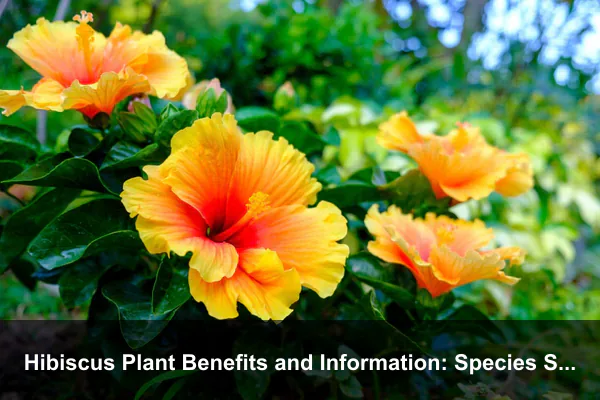
Hibiscus is often treated as one familiar tropical flower, but that single name can refer to several different plants with different growth habits, climates, uses, and safety considerations. That is why the best way to understand Hibiscus plant benefits and information is to begin with identification. A patio hibiscus grown for glossy leaves and bright flowers is not the same practical plant as roselle grown for tart red calyces, and a hardy perennial hibiscus in a cold garden behaves differently from a woody rose of Sharon hedge.
This guide takes a species-first angle so you can choose the right hibiscus for your space, plan longer flowering, and use the plant responsibly. In the language of plant benefits, hibiscus offers beauty, seasonal structure, pollinator support, edible possibilities, and meaningful home-garden value. The key is matching the plant to the purpose instead of assuming every hibiscus gives the same results.
Why Hibiscus Is More Than One Plant
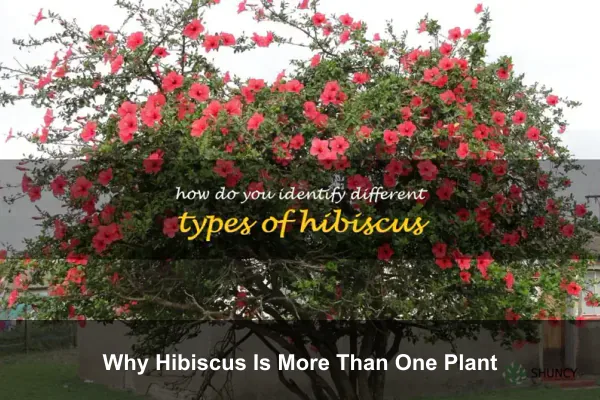
The word hibiscus describes a large group in the mallow family, and home gardeners usually meet a few main types. They may look related because of their open, showy flowers and prominent central staminal column, but their care and benefits vary. A hibiscus bought from a florist, a nursery shrub for summer bloom, and a roselle plant grown for a kitchen harvest can all require different decisions.
The common hibiscus types homeowners see
- Tropical hibiscus – Usually sold as Hibiscus rosa-sinensis or modern hybrids. It has glossy foliage, bold flowers, and strong patio appeal in warm weather. It is frost tender and often grown in containers outside warm climates.
- Hardy hibiscus – Often linked with Hibiscus moscheutos and related hybrids. It dies back in winter in many climates, returns from the crown, and produces very large summer flowers.
- Rose of Sharon – Hibiscus syriacus is a deciduous shrub with late-season flowers. It is useful where a woody garden plant is wanted, though seedlings and mature size should be managed.
- Roselle – Hibiscus sabdariffa is the hibiscus most associated with tart red calyces used for drinks, syrups, and culinary color. It is not interchangeable with every ornamental hibiscus.
Why identification matters
Identification changes everything: winter care, pruning timing, edible use, plant size, water needs, and expected bloom season. The University of Minnesota Extension discusses tropical hibiscus as a houseplant and container plant, while resources such as the Missouri Botanical Garden Plant Finder describe hardy hibiscus as a moisture-loving perennial. Those are very different growing profiles.
Key Hibiscus Plant Benefits for Home Gardens
The benefits of hibiscus are strongest when they are understood as practical garden value rather than miracle claims. A well-chosen hibiscus can make a porch, edible border, sunny bed, or small landscape feel more alive and useful.
High-impact flowers in a small footprint
Hibiscus flowers are large, visible, and emotionally rewarding. A single container plant can brighten a balcony, doorway, or patio without needing a large bed. In landscape design, this makes hibiscus useful as a focal point, seasonal accent, or color anchor near seating areas.
Seasonal structure and shade value
Woody hibiscus shrubs can add summer density and late-season flowers after many spring shrubs have finished. Hardy hibiscus can fill a sunny perennial border with broad leaves and dramatic blooms. Tropical hibiscus in pots can soften hard paving, screen a small corner, and bring a lush look to rented spaces where permanent planting is limited.
Kitchen and wellness potential when the species is correct
Roselle is the standout for edible hibiscus uses. Its calyces are commonly dried or simmered for a tangy red drink, syrup, jelly, or sauce. This gives hibiscus a practical connection to herbal plant traditions, but safe use depends on correct species, clean growing conditions, and personal health context.
Support for outdoor life
Open hibiscus flowers can provide visual signals and nectar access for garden visitors such as bees, butterflies, and hummingbirds, depending on the species, cultivar, and local ecosystem. Single flowers are usually more accessible than heavily doubled forms. For a balanced garden, hibiscus works best with diverse companion plants that bloom before and after it.
Choose the Right Hibiscus Before You Buy
A common mistake is buying hibiscus for flower color alone. Color matters, but climate, space, winter care, and intended use matter more. The right plant will be easier to maintain and more likely to deliver the benefits you want.
For patios, balconies, and containers
Choose tropical hibiscus if you want glossy foliage, frequent warm-season blooms, and a movable container plant. It suits people who can provide bright light, regular watering, and protection from cold. Select a pot with drainage holes, use a quality potting mix, and avoid placing the plant where wind will shred new growth.
For cold-winter gardens
Hardy hibiscus is usually the better choice where winters are too cold for tropical hibiscus outdoors. It can be slow to emerge in spring, so gardeners should mark its location and avoid digging around the crown too early. Once temperatures rise, growth can accelerate quickly and produce dramatic summer flowers.
For shrubs and late-season structure
Rose of Sharon can serve as a flowering shrub for sunny landscapes. It is useful for late bloom, but it needs thoughtful pruning and placement because mature plants can become large. In some regions, seedlings may appear, so sterile or low-seed cultivars can be a practical choice.
For edible calyces and tart drinks
Choose roselle when your goal is culinary harvest. Do not assume any red hibiscus flower is automatically suitable for tea or food. Buy seeds or plants labeled Hibiscus sabdariffa, grow them without unsafe chemical sprays, and harvest the fleshy calyces after flowering rather than random ornamental blooms.
Bloom Planning: How to Get Color for More Months
Bloom planning is where hibiscus becomes more than a pretty impulse buy. Since many hibiscus flowers last only a short time, the goal is not to keep one bloom forever. The goal is to support steady bud production, strong new growth, and a plant that has enough energy to replace yesterday’s flowers with tomorrow’s.
Give enough direct light
Most hibiscus plants flower best in strong light. Tropical hibiscus usually needs several hours of bright sun to bloom well, especially if it is kept indoors part of the year. Hardy hibiscus and rose of Sharon generally perform best in full sun, although local heat and wind may require careful watering.
Prune with the plant type in mind
Tropical hibiscus flowers on new growth, and the Smithsonian Gardens care guidance notes that pruning can delay flowering but does not stop it completely because new growth can produce buds. For most home growers, light shaping and tip pinching during active growth is better than random severe cutting. Hardy hibiscus is commonly cut back after frost or in late winter because it regrows from the base.
Feed for growth, not just flowers
Hibiscus needs leaves, roots, and stems to support bloom. A balanced or hibiscus-labeled fertilizer used according to the label can help container plants that are watered frequently. Avoid overfeeding with high nitrogen fertilizer, because lush green growth without enough light may reduce flowering and increase pest pressure.
Stagger varieties for a longer season
In a garden with enough room, use more than one hibiscus type for a longer show. A tropical hibiscus in a pot can start the warm season near the patio. Hardy hibiscus can take over in midsummer with huge flowers. Rose of Sharon can extend interest later in the season. This creates continuity without forcing one plant to do every job.
Care Foundations: Light, Water, Soil, and Containers
Good hibiscus care is not complicated, but it must be consistent. Hibiscus is often forgiving when it has the right light and moisture, yet it can react quickly to drought, cold stress, root problems, or sudden changes.
Light requirements
Give hibiscus the brightest practical location for its type. Outdoors, morning sun with some afternoon moderation may help container plants in very hot climates, while full sun is often best in mild climates. Indoors, a sunny window or supplemental grow light may be needed if the plant is expected to keep blooming.
Soil and drainage
Container hibiscus needs a potting mix that holds moisture but still drains. Heavy garden soil in a pot can compact and suffocate roots. Hardy hibiscus appreciates moisture-retentive soil and can be excellent near rain gardens, low areas, or pond edges if drainage and local conditions are appropriate. Roselle prefers warm soil and steady moisture during active growth.
Watering habits
Water deeply, then let conditions guide the next watering. Tropical hibiscus in a hot pot may need frequent water, while an indoor plant in winter needs less. Drooping can mean thirst, but it can also happen from heat stress or root damage, so check the soil before watering again.
Container size and root comfort
A pot that is too small dries quickly and restricts roots. A pot that is too large can stay wet too long if the plant is small and light is weak. Move up gradually, use drainage holes, and avoid leaving the container sitting in standing water. For large patio hibiscus, a heavier pot can also prevent wind tipping.
Pruning and Training for Shape, Airflow, and More Buds
Pruning is one of the most useful hibiscus skills because it affects both appearance and flowering. The aim is not simply to make the plant smaller. The aim is to create branching, airflow, light penetration, and a structure that suits the space.
Pinching young growth
Pinching soft tips encourages side branches, which can create more potential flowering points. This is helpful for tropical hibiscus in containers and young woody shrubs that need a fuller habit. Pinch only healthy active growth, and stop heavy shaping when you want buds to develop.
Removing weak or crossing stems
Cut out dead, damaged, inward-growing, or crossing stems. This improves airflow and reduces rubbing wounds. On rose of Sharon, selective thinning can make the shrub look more refined and reduce the crowded look that develops with age.
Respecting seasonal rhythm
Hardy hibiscus may look lifeless in early spring because it is slow to emerge. Do not assume it has failed too soon. When new shoots appear from the crown, allow them to establish before shaping. Tropical hibiscus should be protected from cold before frost damages tender stems.
Edible and Wellness Uses Without Confusing the Species
Hibiscus is widely associated with a ruby-red herbal drink, but this is where careful wording matters. The beverage commonly called hibiscus tea is usually made from roselle calyces, not from every ornamental hibiscus plant in the garden. Correct identification and clean cultivation are essential.
How roselle is commonly used
Roselle calyces can be used fresh or dried. They bring tart flavor, red color, and a refreshing quality to drinks and kitchen preparations. Home uses include hot tea, iced drinks, syrups, jams, sauces, and vinegar infusions. The flavor pairs well with citrus, ginger, mint, cinnamon, and light sweeteners.
Safety and health context
Hibiscus products are not a substitute for medical care. The National Center for Complementary and Integrative Health notes that roselle may help reduce blood pressure in people with hypertension, but health use should be treated carefully. People who are pregnant, breastfeeding, taking blood pressure medicine, taking diabetes medicine, preparing for surgery, or managing a medical condition should ask a qualified clinician before using hibiscus supplements or concentrated preparations.
Safe harvest checklist
- Confirm the plant is roselle, Hibiscus sabdariffa, when harvesting for food or drink.
- Use only plants grown without unsafe pesticides or contaminated soil.
- Harvest clean, mature calyces after flowering and remove tough seed pods when needed.
- Dry calyces thoroughly before storage to reduce mold risk.
- Start with modest amounts if you are new to hibiscus drinks, especially if you monitor blood pressure or blood sugar.
Common Problems: Read the Plant Before You React
Hibiscus problems are often messages about stress. Instead of adding fertilizer or pesticide immediately, inspect light, water, roots, weather, and pests. A few minutes of observation can prevent the wrong fix.
Bud drop
Bud drop often follows sudden changes: moving the plant, inconsistent watering, low light, heat stress, or pest pressure. Container tropical hibiscus may drop buds after being brought indoors or shifted into a much darker location. Stabilize care before expecting new buds to hold.
Yellow leaves
Yellow leaves can come from overwatering, underwatering, cold stress, nutrient deficiency, or normal aging. Check soil moisture and drainage first. If the plant is rootbound, dries very fast, and has pale new growth, repotting and measured feeding may help.
Pests
Aphids, whiteflies, scale, mites, and Japanese beetles can affect hibiscus depending on region and plant type. Start with physical removal, water sprays, pruning of heavily infested tips, and better airflow. If you use any treatment, follow the label and avoid spraying open flowers when pollinators are active.
Leaf spots and fungal issues
Leaf spots often increase when foliage stays wet, airflow is poor, or fallen leaves remain around the plant. Water at the base when practical, remove diseased debris, and give plants enough spacing. Healthy hibiscus in the right place usually needs fewer interventions.
A Year-Round Hibiscus Calendar
A simple calendar helps hibiscus stay productive and prevents panic when the plant changes with the season. Adjust timing to your local climate, but use the pattern below as a practical guide.
- Spring: Move tropical hibiscus outdoors only after cold risk has passed. Refresh potting mix if needed, begin light feeding, and prune for shape before heavy bud production. Watch for hardy hibiscus shoots emerging from the crown.
- Summer: Maintain consistent watering, remove spent flowers for tidiness, monitor pests, and protect containers from extreme drying. This is the main flowering and growth season for many hibiscus types.
- Fall: Harvest roselle calyces when ready, reduce feeding as growth slows, and prepare tropical hibiscus for indoor transition before nights become too cold. Cut back hardy hibiscus after frost or leave stems briefly as garden markers.
- Winter: Keep tropical hibiscus bright, warmer than chilling conditions, and slightly drier than in summer. Do not overwater a plant that is resting. Review notes from the season and decide whether pruning, repotting, or a new variety is needed next spring.
Design Ideas That Keep Hibiscus Useful
Hibiscus is most successful when it has a job in the design. Instead of placing it randomly, think about sight lines, maintenance access, color echoes, and seasonal gaps.
Entry containers
A pair of tropical hibiscus containers near a doorway creates strong color and a welcoming feel. Choose sturdy pots, leave room for air circulation, and keep a watering can nearby because entry pots often dry faster than expected.
Rain garden accents
Hardy hibiscus can be useful in sunny moist areas where smaller perennials struggle. Pair it with grasses, sedges, or moisture-tolerant flowering perennials to make the large leaves and flowers feel integrated rather than isolated.
Edible border with roselle
Roselle can add ornamental value to an edible garden. Its red stems and calyces look attractive while serving a kitchen purpose. Plant it where you can harvest easily, and label it clearly so guests or family members do not confuse it with non-edible ornamental hibiscus.
Late-season shrub layer
Rose of Sharon can fill the late-summer shrub gap, especially when spring bloomers have faded. Use it where its mature size makes sense, prune for structure, and combine it with plants that provide early-season interest.
Frequently Asked Questions About Hibiscus Plant Benefits and Information
Is hibiscus easy for beginners?
Yes, hibiscus can be beginner-friendly if the type matches the climate and space. Hardy hibiscus is often easier in cold outdoor gardens, while tropical hibiscus is manageable in containers if you can provide sun, water, and winter protection.
Can hibiscus grow indoors all year?
Tropical hibiscus can grow indoors, but blooming indoors requires very bright light. Many plants survive indoors in winter yet bloom better after returning outside in warm weather. Low light, dry air, and pests are the main indoor challenges.
Which hibiscus is best for tea?
Roselle, Hibiscus sabdariffa, is the primary hibiscus used for the tart red drink commonly called hibiscus tea. Do not use unknown ornamental hibiscus plants for food or drink unless the species and growing conditions are confirmed safe.
Why does my hibiscus flower for only one day?
Many hibiscus blooms are naturally short-lived. This is normal. A healthy plant compensates by making new buds. Focus on strong light, steady moisture, and healthy new growth rather than trying to preserve individual flowers.
Does hibiscus need full sun?
Most hibiscus types bloom best with abundant sun. In very hot container situations, some afternoon protection may reduce stress, but too much shade usually means fewer flowers and weaker growth.
Conclusion
The most useful way to understand Hibiscus plant benefits and information is to see hibiscus as a group of related plants rather than one universal plant. Tropical hibiscus brings container color, hardy hibiscus delivers dramatic perennial flowers, rose of Sharon adds shrub structure, and roselle offers the best-known edible calyx harvest.
When you choose the right type, hibiscus can provide beauty, seasonal rhythm, garden habitat, culinary value, and a more intentional planting design. Start with correct identification, match care to the species, use edible forms responsibly, and plan blooms across the year. That approach turns hibiscus from a decorative impulse purchase into a practical, rewarding plant with lasting home-garden value.
