
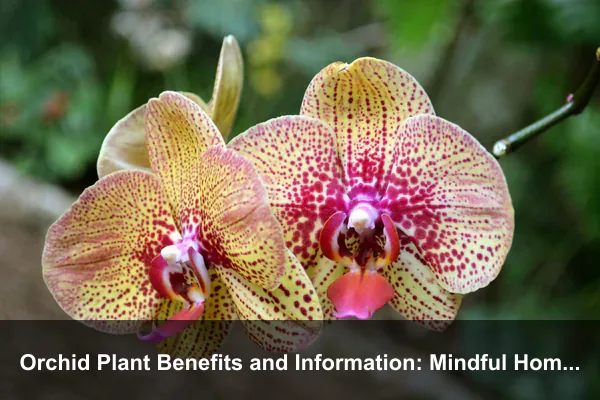
Orchids are often treated as luxury flowers, but their real value is broader than a short-lived decorative moment. A well-chosen orchid can brighten a room for weeks, invite slower observation, teach practical plant awareness, and offer a refined way to enjoy flowering plants in small spaces. This guide to Orchid plant benefits and information looks at orchids from a fresh angle: not only how beautiful they are, but why they can be meaningful, sustainable, and rewarding plants for modern homes.
Within the wider world of Manfaat Tanaman, or plant benefits, orchids stand out because they combine visual beauty with patience. They do not demand the constant harvesting routine of herbs or the fast growth of many leafy houseplants. Instead, they reward attention to small details: root color, leaf firmness, seasonal rhythm, and the quiet transformation from spike to bloom. For beginners and experienced plant lovers alike, this makes orchids useful as living reminders to slow down, notice changes, and make care decisions based on observation rather than habit.
Why Orchids Offer a Different Kind of Plant Benefit
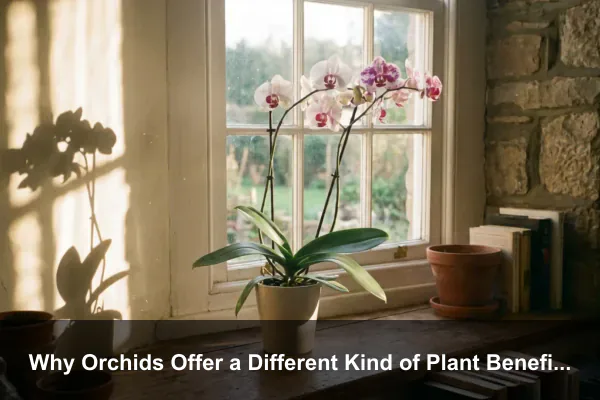
The most obvious benefit of an orchid is its bloom, but the deeper benefit is longevity. Many cut flowers fade within days, while a healthy moth orchid can keep its flowers for many weeks indoors. This makes orchids a practical choice for people who want the elegance of fresh flowers without replacing bouquets constantly.
Orchids also bring structure and calm to indoor spaces. Their upright stems, clean leaves, and sculptural flowers create a focused visual point without filling a room with clutter. For apartments, work desks, compact shelves, or quiet corners, this makes them especially useful. A single orchid can feel complete on its own, which supports a low-waste approach to home greenery.
Long-lasting beauty with less replacement
One of the strongest orchid plant benefits is the way an individual plant can provide repeated value over time. A potted orchid is not a disposable decoration when cared for correctly. It can rest after blooming, grow new leaves or roots, and flower again in another season. Even during the non-blooming phase, the plant remains alive, attractive, and educational.
This matters for households that want beauty but also want to avoid unnecessary waste. Instead of buying decorative items that lose relevance quickly, an orchid becomes part of the living environment. Its changing stages create a quiet sense of seasonality indoors.
A small plant with high visual impact
Orchids are efficient. They do not need large floor space to make a room feel more polished. A compact Phalaenopsis, for example, can sit on a side table, kitchen counter, reception desk, or bathroom ledge with bright indirect light. The plant gives vertical interest, flower color, and a sense of care without requiring a large planter or heavy soil volume.
This is one reason orchids are popular in urban homes. They match the needs of people who want meaningful plants but do not have balconies, gardens, or wide windowsills. Their benefits are not measured by size alone, but by the quality of attention they bring into a room.
Essential Orchid Plant Information for Better Appreciation
Orchids belong to one of the largest flowering plant families in the world. They vary widely in form, habitat, scent, color, and growth habit. Some grow attached to trees in tropical forests, some grow in the ground, and some adapt to cooler or drier conditions. This diversity is part of what makes orchid plant information so useful: understanding the plant group prevents the common mistake of treating every orchid like an ordinary potted flower.
Many orchids sold for indoor growing are epiphytes. This means they naturally anchor themselves to tree bark or similar surfaces rather than living in dense garden soil. Their roots are designed to receive air, moisture, and light exposure. This is why many orchids are sold in bark mixes, clear pots, or chunky media instead of standard potting soil.
Common orchids found in homes
The orchid family is huge, but a few types are especially common in homes and garden centers. Knowing their differences helps buyers choose a plant that matches their space and care style.
- Phalaenopsis: Often called moth orchids, these are the most common beginner orchids. They have broad leaves, arching flower spikes, and long-lasting blooms.
- Dendrobium: These orchids often have cane-like stems and can produce clusters of flowers. Some prefer brighter light than Phalaenopsis.
- Cattleya: Known for large, showy blooms, Cattleya orchids are often associated with corsages and fragrant flowers.
- Oncidium: Sometimes called dancing lady orchids, they often produce many smaller blooms on branching sprays.
- Paphiopedilum: Also known as slipper orchids, these have distinctive pouch-shaped flowers and are valued for unusual form.
- Vanilla: The vanilla plant is also an orchid, though it is usually grown for botanical interest rather than easy indoor spice production.
Roots are part of the story
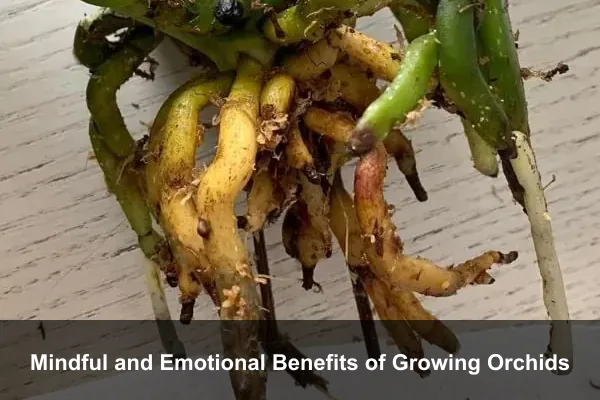
Orchid roots are not just hidden support structures. They are active indicators of plant health. Healthy roots may appear green when moist and silvery when dry, especially in clear pots. Firm roots usually signal vitality, while mushy, hollow, or dark roots may suggest overwatering or poor air flow around the root zone.
This root visibility is one of the reasons orchids are excellent teaching plants. They help growers understand that plant care is not only about leaves and flowers. The root system tells a clear story, and learning to read it can improve confidence with many other plants as well.
Mindful and Emotional Benefits of Growing Orchids
Orchids are not medicinal solutions, and they should not be described as cures for stress or health conditions. However, they can support a more mindful home routine. Their slow growth and visible stages encourage calm attention. Checking an orchid does not need to become a demanding task; it can be a small pause in the day.
This is where orchid plant benefits and information connect with everyday wellness in a practical way. A plant that asks for observation, not constant action, can help people build a steadier rhythm. Instead of watering automatically, the grower learns to look first. Are the roots dry? Are the leaves firm? Is the plant actively growing? This simple habit can make plant care feel less stressful and more intentional.
Orchids encourage patient attention
Many houseplants show growth through new leaves or trailing stems. Orchids often teach patience differently. A flower spike may take weeks to develop. Buds may swell gradually before opening. After blooming, the plant may enter a quiet phase where the reward is not dramatic beauty but maintenance of health.
For people used to fast results, this can be surprisingly valuable. The orchid becomes a living example of delayed reward. It shows that care is not always immediately visible, but consistency still matters.
Color and form influence room atmosphere
Different orchid colors create different moods. White orchids feel clean and formal. Pink orchids feel soft and warm. Yellow orchids can make a room brighter. Purple orchids often feel elegant or contemplative. Because orchid flowers have distinct shapes and patterns, they also add visual interest without needing excessive decoration.
This benefit is especially useful in spaces where strong fragrance, heavy foliage, or large planters are not practical. Orchids can create a refined atmosphere while remaining relatively compact and controlled.
Ethical Buying and Sustainable Orchid Value
A unique angle in orchid plant information is ethical sourcing. Orchids have a long history of plant collecting, and some rare species are protected because wild populations can be damaged by illegal removal. For everyday home growers, the best choice is simple: buy nursery-grown orchids from reputable sellers.
Most common orchids in garden centers are commercially propagated, which makes them accessible and responsible choices. Still, buyers should be careful with rare species, unusually cheap wild-looking plants, or sellers who cannot explain where the orchid came from. Responsible buying supports conservation and encourages better growing practices.
How to choose a responsible orchid
When buying an orchid, beauty should not be the only factor. A healthy, responsibly produced plant gives longer value and reduces disappointment. Use the following checklist before bringing one home:
- Choose plants labeled with a type or variety when possible.
- Look for firm leaves without large black patches or soft rot.
- Check that roots are firm, not mushy or sour-smelling.
- Prefer plants with some open flowers and some unopened buds for longer display.
- Avoid wild-collected claims unless the seller provides legal and conservation documentation.
- Choose minimal packaging when available, especially for local purchases.
Orchids as meaningful gifts
Orchids are popular gifts because they feel elegant, but their deeper value is symbolic. They can represent respect, patience, refinement, affection, and long-lasting appreciation. Unlike a bouquet, a potted orchid continues living after the occasion passes. This makes it suitable for housewarming gifts, office openings, birthdays, gratitude gestures, and quiet sympathy gifts.
To make an orchid gift more useful, choose a plant that matches the recipient. A beginner may appreciate a Phalaenopsis in a simple pot. A collector may enjoy an unusual Paphiopedilum or Oncidium. Someone with limited space may prefer a compact plant rather than a tall display with many stakes.
Practical Indoor Benefits Without Exaggerated Claims
Some plant articles overstate indoor plant benefits, especially around air purification. Orchids, like many houseplants, can contribute to a more pleasant indoor environment, but they should not be presented as a replacement for ventilation, cleaning, or healthy building design. Their practical benefits are more realistic and still valuable: long-lasting flowers, compact growth, low soil mess when grown in bark, and a gentle visual presence.
Because many orchids are grown in chunky media rather than dense soil, they can be cleaner on shelves and tables than some traditional potted plants. Clear inner pots and decorative outer pots also make it easier to monitor moisture without disturbing the plant.
Useful for small homes and workspaces
Orchids work well where space is limited. Their upright habit means they provide height without spreading too far. They can sit near a bright window, on a desk, or on a narrow console. For renters, they are easy to move and do not require permanent installation, trellises, or large containers.
In workspaces, orchids can soften a technical or formal environment. A single blooming orchid on a desk or reception counter can make the space feel more attentive and cared for. The plant does not need to dominate the room to create that effect.
Potential allergy and fragrance considerations
Many common orchids are mild in scent or nearly unscented, which can be helpful for people who dislike heavy floral fragrance. However, some orchids are strongly scented, especially certain Cattleya, Oncidium, and species orchids. If the plant will be placed in a bedroom, office, clinic, or shared room, it is wise to smell it before purchase.
People with sensitivities should treat orchids the same way they treat any indoor plant: observe personal reactions, avoid moldy potting media, keep the plant clean, and maintain good air movement. The benefit comes from thoughtful placement, not from assuming every orchid suits every person.
Simple Orchid Care Principles That Support Long-Term Benefits
Even though this article focuses on orchid benefits and information rather than a standard care guide, the benefits only last when the plant remains healthy. The good news is that many orchids fail because of too much attention, especially too much water. A calmer approach usually works better.
For most common indoor orchids, bright indirect light is preferable. Direct harsh sun can scorch leaves, while deep shade may prevent strong growth. Watering should be based on root and media condition, not a fixed calendar. The potting mix should allow air around the roots, and the pot should drain well.
Read the plant before acting
The best orchid habit is observation. Before watering or moving the plant, check its signals. This approach keeps care practical and reduces the chance of overcorrecting.
- Look at the roots: Silvery roots may be ready for water, while green roots often still hold moisture.
- Feel the pot weight: A lighter pot usually means the medium has dried more than a heavy pot.
- Check the leaves: Firm leaves are a good sign; limp leaves can point to root trouble, underwatering, or heat stress.
- Notice new growth: New roots and leaves show the plant is active and may need consistent support.
- Watch the flowers: Bud drop can happen from sudden temperature changes, drafts, or stress after moving.
Avoid the most common orchid mistakes
Many orchid problems come from treating the plant like a typical soil-grown houseplant. The following mistakes are easy to avoid once the grower understands orchid structure:
- Do not leave the pot sitting in water for long periods.
- Do not pack the roots into heavy garden soil.
- Do not place the plant in harsh midday sun behind hot glass.
- Do not fertilize heavily when the plant is weak or root-damaged.
- Do not cut healthy aerial roots just because they grow outside the pot.
- Do not assume the orchid is dead just because the flowers have faded.
Orchid Meaning, Culture, and Everyday Symbolism
Orchids have been admired in many cultures because of their elegance, rarity, and unusual forms. They are often linked with beauty, dignity, refinement, luxury, fertility, affection, and strength. In modern homes, their meaning can be more personal. An orchid may represent a milestone, a memory, a gift from someone important, or a commitment to caring for something slowly.
This symbolic value is one reason orchids fit well within the idea of plant benefits. Not every benefit needs to be nutritional or physical. Some plants improve daily life because they carry meaning, invite care, and help people shape a more thoughtful environment.
Orchids as plants of patience and renewal
The cycle of bloom, rest, root growth, and rebloom makes orchids strong symbols of renewal. A plant that looks quiet after flowering may still be preparing for its next stage. This can be encouraging for people who enjoy plants not just as decor, but as living companions through changing seasons.
For this reason, orchid owners often become more attached to a plant after the first bloom cycle. The second set of flowers feels earned, not purchased. That emotional reward is part of the long-term value of growing orchids.
How to Use Orchids Thoughtfully at Home
Using orchids well does not require complicated styling. The best approach is to place the plant where its light needs and visual qualities both make sense. A bright room with filtered light, stable temperature, and easy visibility is usually better than a dark corner chosen only for decoration.
Think of orchids as living focal points. They are especially effective in calm areas where their shape can be appreciated: a reading table, entrance console, bedside surface with suitable light, bathroom shelf near a bright window, or work desk away from direct air-conditioning blasts.
Pairing orchids with simple materials
Orchids look good with natural and restrained materials because their flowers already provide detail. Ceramic pots, woven trays, stone surfaces, glass containers, and simple wooden shelves can all support the plant without competing with it. Avoid overly busy containers that distract from the flowers or make watering difficult.
For a more sustainable approach, reuse decorative outer pots and replace only the inner growing medium when needed. This keeps the orchid display fresh without turning plant care into constant shopping.
Matching orchid choice to lifestyle
A busy person may do best with a common Phalaenopsis because it is widely available and forgiving when given proper light and drainage. A detail-oriented grower may enjoy Oncidium or Paphiopedilum because their growth patterns are interesting to observe. Someone who loves fragrance may prefer selected Cattleya types, while someone sensitive to scent may choose an unscented moth orchid.
The right orchid is not always the rarest or most expensive. The best orchid is the one that fits the room, the grower, and the level of attention available.
Conclusion: The Real Value of Orchids
Orchid plant benefits and information go far beyond the idea of a pretty flowering plant. Orchids offer long-lasting beauty, compact indoor value, mindful routines, symbolic meaning, and opportunities to make more ethical plant choices. They invite people to observe before acting, appreciate slow growth, and understand that living decor can be both elegant and responsible.
For anyone interested in Manfaat Tanaman, orchids are a strong example of how plants improve daily life in subtle but meaningful ways. They do not need exaggerated claims to be valuable. Their benefits are visible in the calm they bring to a room, the patience they teach, the sustainable alternative they offer to disposable flowers, and the satisfaction of seeing a cared-for plant bloom again. Choose a healthy nursery-grown orchid, place it thoughtfully, learn its signals, and it can become one of the most rewarding flowering plants in the home.
