
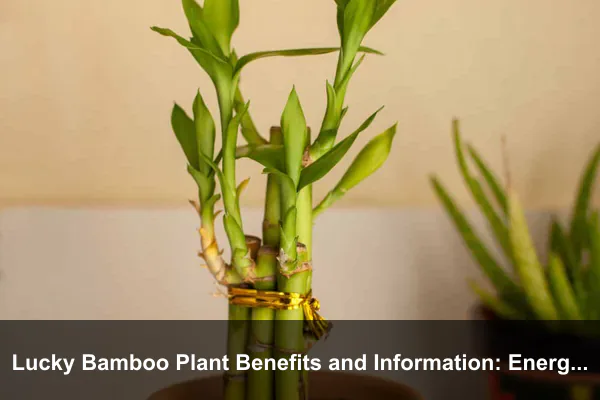
Lucky bamboo is one of the most recognizable indoor plants in modern homes, offices, studios, and small apartments. Although it is often called bamboo, this elegant plant is not a true bamboo at all. It is usually Dracaena sanderiana, a tropical plant valued for its upright green canes, graceful leaves, easy care routine, and strong symbolic meaning. For readers searching for Lucky Bamboo plant benefits and information, the real value of this plant goes beyond decoration. It offers a compact way to bring greenery, calm visual structure, cultural symbolism, and simple plant care into everyday spaces.
This guide takes a fresh angle from basic water-care articles by focusing on how lucky bamboo supports indoor harmony, mindful routines, symbolic placement, and long-term plant health. You will learn what the plant represents, how to choose the right stalk arrangement, where to place it for the best visual and energetic effect, how to avoid common mistakes, and how to keep it attractive for years. In the context of Manfaat Tanaman, lucky bamboo is a good example of how an ornamental houseplant can provide emotional, aesthetic, and practical benefits without requiring a garden, balcony, or complex maintenance schedule.
What Is Lucky Bamboo?
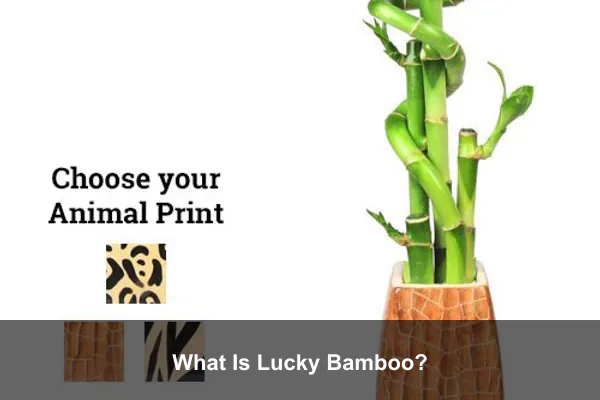
Lucky bamboo is a tropical houseplant commonly sold as straight stalks, curled stems, braided arrangements, towers, spirals, or grouped canes in glass vases. Its botanical identity is usually Dracaena sanderiana, a member of the asparagus family. True bamboo belongs to the grass family and grows much differently, often becoming large, fast-spreading, and woody. Lucky bamboo, by contrast, remains compact indoors and grows slowly enough to be managed on a desk, shelf, counter, or entry table.
The plant became popular because it can be grown in water with pebbles, which makes it feel approachable even for beginners. However, lucky bamboo can also grow in soil when planted in a well-draining potting mix. Its visual simplicity is one reason people associate it with calmness, order, and balance. The green vertical stems create a clean shape, while the leaves add softness and movement.
Why the Name Can Be Confusing
The word “bamboo” describes its cane-like appearance, not its actual plant family. This distinction matters because lucky bamboo does not need the same conditions as outdoor bamboo. It prefers bright indirect light, clean water or lightly moist soil, moderate indoor temperatures, and protection from harsh sun. Treating it like real bamboo can lead to stress, yellow stalks, or leaf damage.
Lucky Bamboo Plant Benefits for Indoor Living
The main benefits of lucky bamboo are practical, visual, emotional, and symbolic. It is not a miracle plant, but it can improve the feel of a room by adding living greenery in a neat, low-maintenance form. Its benefits are strongest when it is placed thoughtfully and cared for consistently.
- Compact greenery: Lucky bamboo fits easily into small homes, rented rooms, work desks, bathrooms with suitable light, and narrow shelves.
- Low maintenance appeal: It does not need frequent pruning, complicated fertilizing, or large containers.
- Visual calm: The upright stalks create order and softness in spaces filled with electronics, hard surfaces, or clutter.
- Symbolic value: Many people use lucky bamboo as a sign of prosperity, growth, resilience, and good wishes.
- Beginner-friendly routine: Changing water, checking roots, and trimming yellow leaves can build confidence for new plant owners.
A Plant for Mindful Routines
One underrated benefit of lucky bamboo is the gentle routine it creates. A plant that grows in water makes its condition visible. You can see the water level, root color, and pebble cleanliness. This encourages simple observation, which can become a calming weekly habit. In a busy household or work environment, that small pause can make plant care feel less like a chore and more like a grounding ritual.
Decor Without Taking Over the Room
Some indoor plants dominate a space with wide leaves or large pots. Lucky bamboo is different. It works well as a quiet accent. A short arrangement can sit beside a laptop, while a taller arrangement can frame a console table or reception counter. Because it grows vertically, it uses height rather than floor space, making it especially useful for small spaces.
Meaning, Symbolism, and Stalk Numbers
Lucky bamboo is strongly connected with symbolism, especially in feng shui-inspired decorating. While beliefs vary by culture and household, the plant is often associated with positive energy, flexibility, steady growth, and good fortune. Its ability to remain green indoors also makes it a popular gift for new homes, new businesses, birthdays, weddings, and professional milestones.
Common Stalk Meanings
Many lucky bamboo arrangements are chosen based on the number of stalks. These meanings are symbolic rather than scientific, but they help people personalize the plant and give it emotional value.
- Two stalks: Often associated with love, partnership, and balanced relationships.
- Three stalks: Commonly linked with happiness, long life, and prosperity.
- Five stalks: Often used to symbolize balanced life areas such as health, family, career, creativity, and personal growth.
- Six stalks: Frequently connected with smooth progress, opportunity, and good luck.
- Eight stalks: Popular for abundance, growth, and business success.
- Nine stalks: Associated with completeness, blessings, and long-term good fortune.
Some traditions avoid four-stalk arrangements because the number four is considered unlucky in certain East Asian contexts. If you are giving lucky bamboo as a gift, choosing three, five, six, or eight stalks is usually a safer and more positive choice.
Why Symbolism Matters in Plant Benefits
Symbolism may not change the plant’s biology, but it can change how people interact with it. A plant chosen as a meaningful gift is more likely to be cared for, noticed, and appreciated. In that way, the meaning becomes part of the plant’s practical benefit. It turns a simple green arrangement into a reminder of intention, gratitude, growth, or renewal.
Best Places to Put Lucky Bamboo at Home
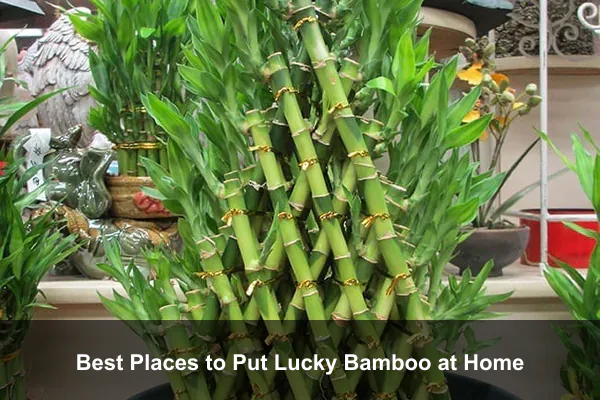
Lucky bamboo performs best when its placement supports both plant health and room function. The most important care factor is light. It likes bright, indirect light and can tolerate lower light, but it should not sit in direct afternoon sun. Strong sunlight may scorch leaves or encourage algae growth in water containers.
Entryway Placement
An entryway is a popular location because lucky bamboo creates a welcoming first impression. A healthy green arrangement near the door can make a home feel fresher and more intentional. Just make sure the area is not too dark and does not receive blasts of hot or cold air from outside.
Desk and Workspace Placement
Lucky bamboo works especially well on a desk because it is tidy, upright, and visually calm. Choose a stable container that will not tip over near electronics. If the plant is grown in water, keep the vase away from papers, cables, and power strips. A small soil-grown lucky bamboo in a weighted pot may be safer for busy work areas.
Living Room and Shelf Styling
In a living room, lucky bamboo can soften media cabinets, side tables, and shelving units. Its vertical shape contrasts nicely with books, ceramics, candles, and framed photos. For a cleaner look, use a plain ceramic pot, clear glass cylinder, or simple stone-filled vase rather than an overly decorative container.
Water-Grown Lucky Bamboo Care
Growing lucky bamboo in water is one of the reasons the plant is so popular. The setup looks clean and modern, and the care routine is simple once you understand the basics. Use a container that supports the stalks upright and add pebbles, stones, or glass beads to anchor the roots.
Water Quality Matters
Lucky bamboo can be sensitive to chemicals in tap water, especially chlorine, fluoride, and mineral buildup. If leaf tips turn brown or stalks begin yellowing without another obvious cause, water quality may be part of the problem. Many growers use filtered water, distilled water, rainwater, or tap water that has been left out overnight.
- Keep the roots covered with water, but do not submerge too much of the stalk.
- Change the water every one to two weeks to reduce odor and algae.
- Rinse pebbles when they become slimy or cloudy.
- Wash the container gently before refilling it.
- Use a very weak liquid houseplant fertilizer only occasionally.
How Much Water Should Be in the Vase?
The goal is to cover the roots, not drown the entire stem. Usually, one to three inches of water is enough, depending on the container and root length. If the water sits too high on the stalk for long periods, the cane can become soft or rot. A clear vase makes it easier to monitor the water level and root condition.
Soil-Grown Lucky Bamboo Care
Although water-grown arrangements are common, lucky bamboo can also grow very well in soil. Soil may be a better choice for people who want stronger long-term growth, more stability, and less frequent water changing. A soil-grown plant also reduces the risk of stagnant water smell and algae.
Potting Mix and Drainage
Use a light, well-draining potting mix. A standard indoor potting mix blended with perlite or fine bark can work well. The pot must have drainage holes because lucky bamboo dislikes soggy soil. If the roots sit in constantly wet potting mix, the plant may develop root rot.
Watering in Soil
Keep the soil lightly moist but not waterlogged. Water when the top layer begins to feel slightly dry. Indoor conditions matter: a plant near bright indirect light may need water more often than one in a cooler, dimmer room. Always empty excess water from the saucer after watering.
Light, Temperature, and Humidity Needs
Lucky bamboo is adaptable, but it still has preferences. The healthiest plants usually receive consistent bright indirect light, moderate humidity, and stable temperatures. Sudden changes can cause leaf yellowing or slow growth.
Ideal Light
Place lucky bamboo near a window with filtered light, such as behind a sheer curtain or several feet away from direct sun. It can survive in lower light, but growth may become slower and leaves may look less vibrant. Avoid hot windowsills where direct sun touches the leaves for hours.
Comfortable Indoor Temperature
Most indoor rooms are suitable if temperatures remain comfortable for people. Keep the plant away from air conditioners, heaters, cold drafts, and hot appliances. Extreme temperature swings can stress the stalks and cause yellowing.
Humidity Support
Lucky bamboo appreciates moderate humidity but usually does not need a special humidifier. If your home is very dry, you can place the plant near other houseplants or use a pebble tray for nearby humidity support. Do not mist heavily if the leaves stay wet for too long, especially in low airflow rooms.
Common Lucky Bamboo Problems and Fixes
Most lucky bamboo problems appear as yellow leaves, yellow stalks, brown tips, soft stems, or cloudy water. The key is to respond early because a damaged stalk may not recover once rot spreads.
Yellow Leaves
Yellow leaves can happen from old age, too much sun, poor water quality, overfertilizing, or stress after moving. Remove fully yellow leaves with clean scissors. Then check the plant’s light, water source, and fertilizer routine.
Yellow Stalks
A yellow stalk is more serious than a yellow leaf. It can indicate rot, chemical stress, or severe damage. If one stalk in a group turns yellow, remove it quickly so it does not affect nearby healthy stalks. Healthy stalks should feel firm and green.
Brown Leaf Tips
Brown tips often point to dry air, chemical sensitivity, or inconsistent water care. Switch to filtered or distilled water, avoid strong fertilizer, and trim only the brown portion if you want a cleaner appearance.
Algae in the Container
Algae grows when water, light, and nutrients combine. To control it, clean the container, rinse the pebbles, refresh the water, and move the plant slightly away from strong light. Clear glass looks attractive, but opaque containers reduce algae more effectively.
Safety Notes for Homes with Pets and Children
Lucky bamboo should be treated as an ornamental plant, not an edible plant. It can be toxic to cats and dogs if chewed or swallowed. If you live with pets that nibble leaves, place the plant out of reach or choose a pet-safe alternative. Small children should also be taught not to taste houseplants or play with vase water and pebbles.
For safe placement, use a stable container, avoid sharp decorative stones, and keep water-grown arrangements away from electrical devices. A heavy ceramic pot or wide-bottom vase is better than a narrow, top-heavy container in active homes.
How to Choose a Healthy Lucky Bamboo Plant
When buying lucky bamboo, look for firm green stalks, fresh leaves, pale healthy roots, and clean water. Avoid plants with mushy stems, strong odor, dark slimy roots, wrinkled canes, or widespread yellowing. If the plant is in a crowded arrangement, check that each stalk is healthy because one damaged cane can reduce the appearance and longevity of the whole display.
Quick Buying Checklist
- Stalks should be firm, green, and upright.
- Leaves should look fresh, not crispy or heavily spotted.
- Roots should be light-colored, not black and mushy.
- The container should smell clean, not sour or rotten.
- The arrangement should feel stable and balanced.
Conclusion
Lucky bamboo is a compact, symbolic, and beginner-friendly houseplant that brings more than simple decoration into a room. Its benefits include visual calm, space-saving greenery, meaningful gift value, and an easy care routine that fits modern indoor living. Whether grown in water or soil, it performs best with clean water, bright indirect light, stable temperatures, and careful attention to early signs of stress.
For anyone exploring Lucky Bamboo plant benefits and information, the most important takeaway is that this plant rewards thoughtful simplicity. Choose a healthy arrangement, place it where it supports both the room and the plant’s needs, keep its water or soil clean, and enjoy it as a quiet symbol of growth, balance, and good intention.
