
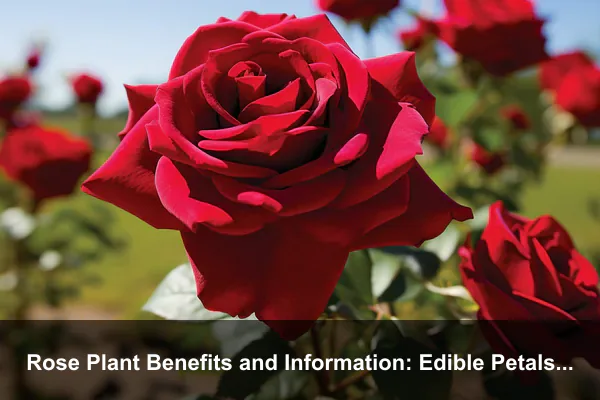
Rose plant benefits and information often begin with beauty, fragrance, and classic garden appeal, but roses can be far more practical than many gardeners realize. A well-grown rose plant can support pollinators, provide edible petals, produce vitamin-rich hips, improve outdoor living spaces, and teach gardeners valuable lessons about seasonal care, soil health, and low-waste harvesting.
This guide takes a unique angle: roses as useful, sustainable flowering plants for home gardens. Instead of treating roses only as decorative blooms, it focuses on food-safe growing, responsible harvesting, ecological value, and simple ways to enjoy roses without relying on heavy chemicals or complicated routines.
Why Roses Deserve a Place in a Useful Garden
Roses are among the most recognized flowering plants in the world, yet their value is not limited to bouquets or ornamental borders. In a practical home garden, roses can act as multi-purpose plants: they bring color, structure, scent, wildlife interest, and harvestable plant material into one space.
The main benefits of rose plants include:
- Edible petals when grown without unsafe pesticides or chemical sprays.
- Rose hips, the fruit-like structures that develop after flowering on many varieties.
- Pollinator support, especially from single and semi-double roses with accessible pollen.
- Garden structure through shrubs, climbers, hedges, and container plants.
- Sensory value from color, scent, texture, and seasonal change.
- Low-waste uses such as drying petals, making infused water, or composting pruned material appropriately.
For gardeners interested in Manfaat Tanaman, or the useful benefits of plants, roses are a strong example of how a beautiful plant can also support daily routines and a healthier garden ecosystem.
Edible Rose Petals and Rose Hips for Everyday Use
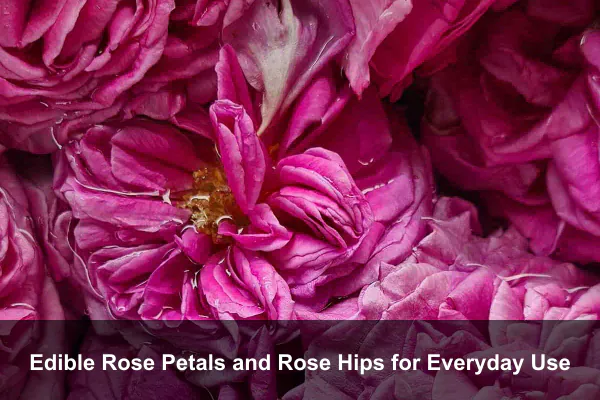
One of the most overlooked parts of rose plant benefits and information is the edible potential of pesticide-free roses. Rose petals and rose hips have been used in teas, syrups, jams, desserts, and traditional home preparations for generations. However, safe use starts with how the plant is grown.
Choose Food-Safe Roses First
Not every rose should be treated as edible. Florist roses, supermarket bouquets, and heavily sprayed garden roses may contain residues that are not suitable for eating. If you want to harvest petals or hips, grow your own roses organically or with food-safe pest management methods.
For edible use, follow these basic rules:
- Harvest only from roses you can clearly identify.
- Avoid roses treated with systemic pesticides or unknown sprays.
- Wash petals gently and remove insects, dust, and debris.
- Remove the bitter white base of petals if the flavor is too sharp.
- Introduce rose-based foods gradually, especially for sensitive individuals.
Simple Uses for Rose Petals
Rose petals can add gentle floral flavor and visual appeal to everyday foods. Their taste varies by variety: some are sweet and perfume-like, while others are mild, fruity, or slightly spicy. Deeply fragrant roses often produce the most noticeable flavor, but fragrance alone does not guarantee the best culinary result.
Food-safe rose petals can be used for:
- Herbal tea blends with mint, chamomile, or hibiscus.
- Infused water for a light floral drink.
- Homemade syrups for desserts or beverages.
- Decorating cakes, salads, and fruit bowls.
- Drying for potpourri or non-food craft use.
For best quality, pick petals in the morning after dew has dried but before strong afternoon heat. This timing helps preserve color, aroma, and texture.
Understanding Rose Hips
Rose hips form after flowers are pollinated and the petals fall. They often look like small red, orange, or reddish-brown fruits. Many gardeners remove spent flowers to encourage more blooms, but if you want hips, leave some flowers on the plant and allow them to mature naturally.
Rose hips are commonly associated with vitamin C, teas, jams, and syrups. The exact nutritional value varies by species, climate, and processing method. When preparing rose hips, the inner seeds and fine hairs should be handled carefully because they can irritate the mouth and digestive tract. For home use, many people strain preparations thoroughly or remove the inner material before cooking.
Sustainable Benefits for Pollinators and Soil Life
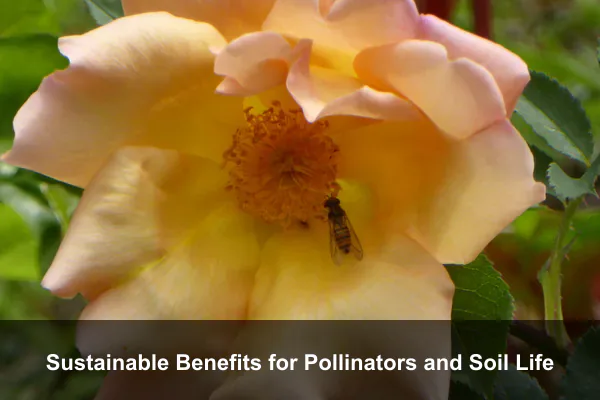
Roses can become part of a sustainable garden when chosen and managed thoughtfully. While some modern roses have dense blooms that are difficult for insects to access, many single, semi-double, and old garden roses provide pollen and nectar access for bees and other beneficial insects.
Choose Pollinator-Friendly Flower Forms
If wildlife value is important, look for roses with visible centers. These open flowers make it easier for pollinators to reach reproductive parts of the bloom. Highly doubled roses may look dramatic, but they often offer less practical value for insects.
Good pollinator-friendly rose choices often include:
- Single shrub roses.
- Wild species roses.
- Rugosa roses where suitable and non-invasive in your region.
- Old garden roses with accessible flower centers.
- Landscape roses grown with minimal spraying.
Reduce Chemical Dependence
A sustainable rose garden is not about ignoring pests or disease. It is about designing conditions where problems are less likely to become severe. Healthy soil, good spacing, morning sun, airflow, and resistant varieties can reduce the need for frequent chemical intervention.
Mulching with compost, shredded leaves, or clean organic material helps moderate soil temperature, reduce weeds, and support soil organisms. Avoid piling mulch against the stem, because constant moisture around the crown can increase disease risk.
Essential Rose Plant Information for Beginners
Before planting roses, it helps to understand how different types grow. The right rose for a small patio is not always the right rose for a fence, hedge, or large garden bed. Choosing the correct growth habit makes care easier and improves long-term success.
Main Types of Rose Plants
Common rose types include:
- Shrub roses: Practical, often hardy, and useful for mixed borders or informal hedges.
- Climbing roses: Long canes that need support on arbors, fences, or trellises.
- Hybrid tea roses: Known for large individual blooms, often grown for cutting.
- Floribunda roses: Produce clusters of flowers and steady color in the garden.
- Miniature roses: Compact plants suitable for containers and small spaces.
- Species roses: Closer to wild roses, often valuable for hips and pollinators.
Seasonal Growth Pattern
Most roses grow actively in warm weather, bloom during their main season, and slow down or go dormant in colder climates. In warm tropical or subtropical regions, roses may not experience the same deep dormancy, but they still benefit from periodic pruning, feeding, and rest from constant flowering pressure.
Knowing your climate matters. In cooler regions, winter protection may be important. In hot regions, afternoon shade, consistent watering, and mulch can help reduce stress. Local adaptation is one of the most important parts of successful rose care.
How to Grow Roses for Cleaner Harvests
If your goal is edible petals, rose hips, or a low-chemical garden, plant health must come first. Strong roses are less dependent on sprays and more likely to produce clean, usable harvests.
Light, Soil, and Spacing
Most roses prefer at least six hours of direct sun each day. Morning sun is especially useful because it dries leaves quickly and may reduce fungal problems. Soil should be fertile, well-draining, and rich in organic matter. Heavy clay can be improved with compost, while sandy soil benefits from organic material that holds moisture.
Spacing is often underestimated. Crowded roses may look full at first, but poor airflow can encourage black spot, powdery mildew, and pest buildup. Always check the mature size of the variety and plant with that future size in mind.
Watering and Mulching
Water deeply rather than lightly sprinkling every day. Deep watering encourages roots to grow downward, making the plant more resilient during heat or dry spells. Try to water near the base of the plant instead of wetting the leaves, especially in humid weather.
Mulch can make rose care easier by conserving moisture and reducing weed pressure. Use a breathable organic mulch and refresh it as it breaks down. This improves the soil over time and supports a more natural growing system.
Feeding Without Overdoing It
Roses are productive flowering plants, so they appreciate nutrients. However, too much nitrogen can create soft leafy growth that attracts pests and produces fewer flowers. A balanced rose fertilizer, compost, or well-rotted organic matter can support steady growth without pushing the plant too hard.
Stop heavy feeding late in the season in climates with winter dormancy. Tender new growth may be more vulnerable to cold damage.
Harvesting, Drying, and Storing Rose Materials
Harvesting roses should be gentle and selective. A rose plant still needs leaves for photosynthesis and enough flowers to support pollinators or develop hips. Instead of stripping the plant, take small amounts from healthy, established roses.
Harvesting Petals
Choose fresh, fully opened flowers that are free from disease, insect damage, and spray residue. Gently pull petals from the bloom or cut the flower and process it indoors. Spread petals in a single layer to dry in a shaded, airy place. Direct sun can fade color and reduce aroma.
Once fully dry, store petals in a clean airtight container away from heat and light. Label the container with the rose variety and harvest date if you grow several types.
Harvesting Rose Hips
Rose hips are usually harvested when they develop strong color and feel firm but not rock-hard. In some climates, flavor improves after cool weather. Use clean pruners and avoid damaging nearby canes.
To prepare hips, rinse them, trim ends, and process according to your intended use. If opening the hips, remove or strain out seeds and fine hairs carefully. This step is important for comfort and safety.
Common Rose Problems and Natural Prevention
Roses can experience pests and diseases, but prevention is usually easier than rescue. A strong plant in the right location will handle minor issues better than a stressed plant in poor conditions.
Fungal Issues
Black spot, powdery mildew, and rust are common rose problems in many gardens. They often become worse when leaves stay wet, plants are crowded, or infected leaves remain on the ground.
Prevention steps include:
- Choose disease-resistant varieties whenever possible.
- Plant roses where they receive morning sun and airflow.
- Water at soil level instead of overhead.
- Remove diseased leaves from the plant and ground.
- Clean tools after pruning infected plants.
Pests
Aphids, mites, thrips, and beetles may attack roses. For a food-safe garden, start with low-impact controls. A strong spray of water can remove aphids, while encouraging beneficial insects can help balance pest populations. Avoid broad-spectrum insecticides when roses are blooming because they may harm pollinators.
Inspect plants regularly. Early action is more effective than waiting until leaves are distorted, buds are damaged, or pests have spread across the entire plant.
Safety Notes for Rose Plant Use
Rose plants are generally considered low-risk ornamental plants, but safe handling still matters. Thorns can cause scratches or punctures, so wear gloves when pruning or harvesting. Keep pathways clear if roses are planted near seating areas, gates, or children’s play spaces.
For edible use, the biggest concern is contamination from pesticides, polluted soil, roadside dust, or unknown floral preservatives. Never eat petals from a bouquet unless you know it was grown for culinary use. People with allergies, sensitive skin, pregnancy-related concerns, or medical conditions should be cautious with concentrated rose preparations and seek professional guidance when needed.
Compost healthy petals and leaves, but avoid composting badly diseased material if your compost pile does not heat properly. This helps reduce the chance of carrying disease into future garden beds.
Conclusion
Rose plant benefits and information go far beyond classic flower beauty. When grown thoughtfully, roses can provide edible petals, useful rose hips, pollinator support, garden structure, sensory enjoyment, and sustainable plant material for home routines. The key is to choose the right variety, grow it in healthy soil, avoid unsafe sprays, and harvest with care.
For gardeners who want flowering plants with both beauty and practical value, roses are worth serious attention. A food-safe, pollinator-friendly rose garden can become a living source of color, flavor, seasonal learning, and natural benefit year after year.
