
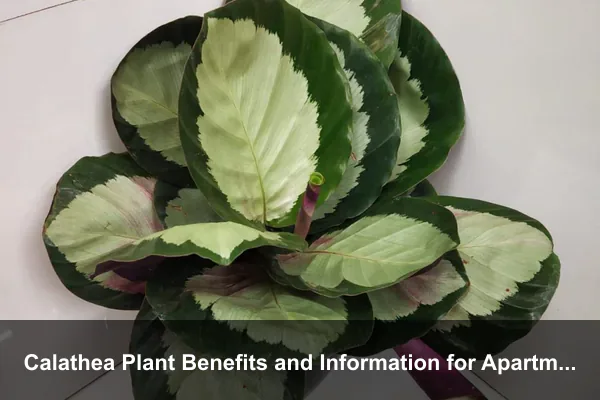
Calathea is one of the most useful foliage plants for people who want a home to feel greener without turning it into a full indoor jungle. Its patterned leaves, compact growth, and gentle tropical presence make it especially valuable in apartments, rented homes, studios, and small rooms where every plant needs to earn its space.
This guide takes a practical angle on Calathea plant benefits and information: how to use Calathea as a design-friendly, pet-safe, routine-building houseplant for modern indoor living. Instead of treating it only as a decorative plant, we will look at how it supports calmer interiors, helps you read indoor conditions, and fits into a realistic care schedule.
What Makes Calathea Different from Other Houseplants?
Calathea is admired for foliage rather than flowers. Many plants sold as Calathea are now botanically classified under Goeppertia, but the older name remains common in garden centers and among indoor plant growers. For everyday care, the important point is simple: these plants come from humid tropical understory environments, so they prefer filtered light, consistent moisture, and gentle conditions.
Patterned Leaves with Practical Value
The first benefit of Calathea is visual. The leaves often show stripes, feathered markings, dark green patterns, burgundy undersides, or silvery tones. In a small home, that means one plant can add texture and contrast without needing flowers, fragrance, or a large footprint. This is useful for renters and apartment dwellers who may not have garden beds, balconies, or space for large indoor trees.
A Plant That Responds to Its Environment
Calathea is also known for leaf movement. Many types raise and lower their leaves as light changes through the day. This movement does not mean the plant is magical or difficult; it simply reflects its natural rhythm. For plant owners, it becomes a subtle reminder that indoor plants are living things affected by light, moisture, airflow, and routine.
Calathea Benefits at a Glance
- Decorative impact: Bold foliage patterns add life to plain shelves, corners, desks, and side tables.
- Pet-friendly value: Calathea is generally considered non-toxic to cats and dogs, making it a safer ornamental choice than many popular houseplants.
- Compact growth: Most common varieties stay manageable indoors and do not climb, vine, or sprawl aggressively.
- Routine support: The plant encourages regular observation, gentle watering habits, and better awareness of indoor humidity.
- Low-waste styling: A healthy Calathea can refresh a room for years without disposable decor changes.
Why Calathea Works Well in Apartment-Scale Green Spaces
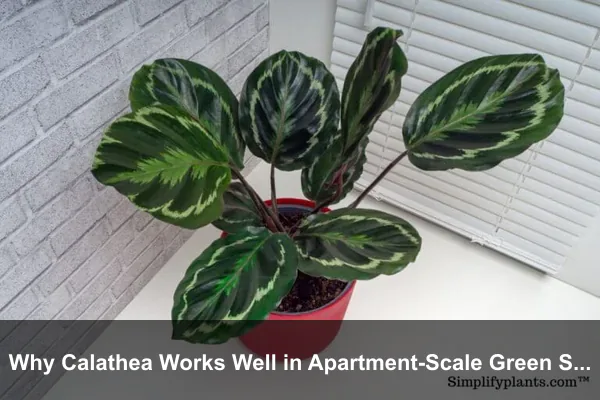
In the practical spirit of manfaat tanaman, or plant benefits, Calathea is valuable because it solves real indoor problems. It softens hard surfaces, brings detail to neutral rooms, and creates a natural focal point without requiring structural changes. This matters in apartments where you may not be able to paint walls, drill shelves, or redesign the layout.
It Adds Detail Without Visual Clutter
Some plants need dramatic height or trailing stems to feel noticeable. Calathea works differently. Its leaf patterns create interest at close range, so it is effective on a coffee table, cabinet, plant stand, or workspace corner. A single well-placed plant can make a room feel more intentional without adding too many objects.
It Fits Quiet, Repeated Daily Use
Calathea is not a plant you buy for one dramatic bloom and discard later. Its benefit comes from steady presence. In a reading corner, it can soften a hard edge. Near a desk, it can add a natural break from screens. In a bedroom, it can provide pattern and greenery without strong fragrance. These are small benefits, but they matter because they improve spaces you use every day.
It Encourages Better Indoor Awareness
Many indoor plant problems come from ignoring the room itself. Calathea pushes you to notice conditions: Is the light too harsh? Is the air dry? Is the pot draining properly? Are the leaves dusty? This makes it a useful learning plant for people who want to become more observant growers, not just plant collectors.
Choosing the Right Calathea for Your Room and Routine
The best Calathea is not always the rarest or most colorful one. The best choice is the one that matches your room, your available light, and your willingness to maintain consistent care. Before buying, think about where the plant will live and how often you realistically check your plants.
For Shelves and Small Tables
Compact types are best for shelves, narrow cabinets, bedside tables, and plant groupings. Look for plants with full crowns, firm leaves, and no heavy browning at the edges. A smaller Calathea is easier to rotate, rinse, inspect, and move when you clean the room.
For Floor Stands and Empty Corners
Larger Calathea plants can work as soft statement plants in corners that receive bright indirect light. They are especially useful where a large palm or fiddle leaf fig would feel too bulky. Choose a plant stand that lifts the foliage slightly off the floor so air can move around the pot and the leaves remain visible.
For Desks and Work Areas
A medium Calathea near a desk can make a workspace feel less sterile. Keep it to the side rather than directly behind a laptop or monitor, because heat and airflow from electronics can dry leaf edges. If the desk receives strong afternoon sun, use a curtain or move the plant a little farther back.
Buying Checklist
- Choose a plant with mostly upright leaves and no sour smell from the potting mix.
- Inspect leaf undersides for pests before bringing it home.
- Avoid plants sitting in standing water at the store.
- Pick a size that fits your room now, not an ideal future room.
- Plan the pot, saucer, and care location before purchase.
A Room-by-Room Calathea Placement Plan
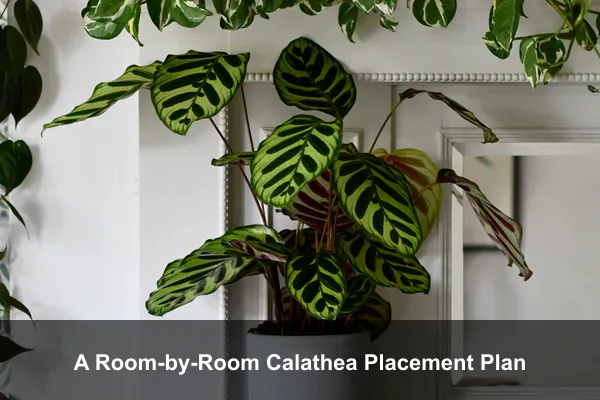
Good placement is one of the biggest factors in Calathea success. The plant usually struggles less when it lives in a stable spot with filtered light, moderate warmth, and no sudden blasts of cold or hot air. Think of placement as part of care, not just decoration.
Living Room
The living room is often the easiest place for Calathea because it usually has more space and more stable temperatures. Place the plant near an east-facing window, a bright north-facing window, or a few feet away from stronger light. If the leaves look washed out or curl during sunny hours, the spot may be too bright or too dry.
Bedroom
Calathea works well in bedrooms when the room has soft light and steady humidity. It is a good choice for people who want greenery without a strong scent. Keep it away from direct air conditioning, heaters, and windows that become cold at night. A bedside position can work if the plant receives enough daytime light.
Bathroom
A bright bathroom can be excellent for Calathea because showers may raise humidity. However, the room still needs natural light or a proper grow light. A dark bathroom is not a good long-term home. Make sure the pot is not placed where water splashes constantly into the soil, because wet roots can become a problem.
Kitchen
Kitchens can offer warmth and humidity, but they also have risks. Avoid placing Calathea near ovens, stovetops, fruit bowls that attract pests, or windows with direct heat. A kitchen shelf with bright indirect light can work well if the plant is easy to reach for watering and leaf cleaning.
Home Office
In a work area, Calathea can provide a natural visual pause. Place it where you can see it without crowding your keyboard, paperwork, or cables. This makes the plant part of the room rather than another object competing for space.
Calathea Care System for Busy Indoor Growers
Calathea has a reputation for being demanding, but many failures come from inconsistent basics. A simple system is more useful than complicated plant hacks. The goal is not perfection; the goal is steady light, careful watering, breathable soil, and regular observation.
Light
Calathea prefers bright, indirect light. Direct sun can scorch or fade leaves, while very low light slows growth and weakens the plant. If your room is dim most of the day, consider a small grow light used for a consistent schedule. Avoid moving the plant every few days in search of the perfect spot; stability usually works better.
Watering
Keep the potting mix lightly moist, not soaked. Water when the top layer begins to feel slightly dry, then let excess water drain away. Calathea may react to poor water quality, especially if your tap water is very hard or heavily treated. If leaf edges brown despite good care, try filtered water, rainwater, or water left to sit before use.
Humidity
Calathea appreciates moderate to high humidity, but misting alone is not a complete solution. A pebble tray, room humidifier, plant grouping, or naturally humid room can help. The most important point is consistency. Sudden dry air from air conditioning or heating can cause curling leaves and crispy edges.
Soil and Potting
Use a mix that holds some moisture while still draining well. A heavy, compacted mix can suffocate roots, while a mix that dries too fast can stress the plant. A practical blend often includes quality potting mix with added perlite, fine bark, or coco coir. Always use a pot with drainage holes, even if you place it inside a decorative outer pot.
Feeding
Feed lightly during active growth with a balanced houseplant fertilizer diluted below full strength. Overfeeding can damage roots and worsen leaf tips. In cooler or darker months, reduce feeding because the plant is growing more slowly.
Benefits Beyond Decoration
Calathea is beautiful, but its benefits are not only visual. It can support a more thoughtful relationship with your home environment. This does not mean it should be marketed as a cure-all air purifier or wellness product. Its real value is more practical and more believable.
It Makes Indoor Routines More Intentional
Because Calathea responds visibly to stress, it encourages a habit of checking leaves, soil, and placement. This can turn plant care into a steady household routine instead of a random chore. For beginners, that routine is one of the most useful long-term plant benefits.
It Supports Pet-Conscious Decorating
Many attractive houseplants are irritating or toxic if chewed by pets. Calathea is widely chosen because it is generally regarded as pet-safe. That said, pets should still be discouraged from chewing any houseplant, since eating leaves can cause stomach upset or damage the plant.
It Reduces the Need for Disposable Decor
A well-grown Calathea can replace short-lived decorative items such as artificial seasonal accents or cut foliage. Its patterns change as new leaves unfurl, so the room feels refreshed without buying new objects. This is a subtle sustainability benefit, especially for people trying to reduce household waste.
It Helps Balance Minimalist Rooms
Minimalist interiors can sometimes feel cold if they rely only on straight lines and smooth surfaces. Calathea adds movement, pattern, and organic form while staying compact. It is especially effective beside wood, ceramic, linen, matte black metal, or plain white walls.
Common Calathea Mistakes to Avoid
Most Calathea problems begin with overcorrection. A leaf curls, so the plant is flooded with water. A tip browns, so fertilizer is added. A leaf fades, so the plant is moved into direct sun. Care improves when you respond slowly and check the basics first.
Watering on a Fixed Calendar
A weekly watering schedule sounds convenient, but the plant may dry faster in warm months and slower in cool months. Check the soil instead of following the calendar alone. The right timing depends on pot size, soil mix, light, temperature, and humidity.
Using Decorative Pots Without Drainage
Cachepots are fine if the nursery pot inside can drain. Problems begin when water collects unseen at the bottom. After watering, lift the inner pot and empty any excess water from the outer container.
Ignoring Leaf Dust
Dust blocks light and makes the plant look dull. Wipe leaves gently with a damp cloth every few weeks. This also gives you a chance to inspect for pests, dry edges, yellowing, or new growth.
Expecting Perfect Leaves Forever
Older leaves naturally age. A few marks, crispy tips, or faded leaves do not mean the plant is failing. Focus on the pattern of new growth. If new leaves emerge healthy, the plant is generally adapting well.
Simple Monthly Calathea Maintenance Plan
A repeatable monthly rhythm keeps Calathea care manageable. You do not need to fuss with the plant every day, but you should observe it often enough to catch small problems early.
- Every few days: Check leaf posture and soil moisture with your finger.
- Weekly: Rotate the pot slightly so growth stays balanced.
- Every two weeks: Wipe dusty leaves and inspect undersides.
- Monthly: Review placement, drainage, and humidity conditions.
- Seasonally: Adjust watering and feeding as light and growth change.
If you travel often, Calathea may need a self-watering setup, a plant sitter, or a more moisture-retentive potting approach. If your home is extremely dry and you do not want to manage humidity, choose a more tolerant plant instead. Good plant care includes choosing honestly.
Conclusion
Calathea is more than a pretty patterned houseplant. For apartment dwellers, pet-conscious homes, and people who want greener rooms without large plants, it offers a strong mix of beauty, compact growth, and daily usefulness. The key is to treat it as a plant that prefers stability: filtered light, gentle watering, breathable soil, and moderate humidity.
When understood this way, Calathea plant benefits and information become practical rather than exaggerated. It improves indoor spaces through texture, routine, safer ornamental value, and long-lasting natural design. Choose the right plant for your room, give it consistent care, and Calathea can become one of the most rewarding foliage plants in a small home.
