

Calathea is one of the most expressive indoor plants for people who want more than plain green leaves. Its painted-looking patterns, soft color contrast, and compact growth make it useful for shelves, desks, bedrooms, and shared family spaces. When people search for Calathea plant benefits and information, they often want to know whether this plant is beautiful only, or whether it also adds practical value to daily indoor living.
The unique angle worth understanding is Calathea as a pet-aware ornamental plant. Many popular houseplants are attractive but toxic if chewed by cats or dogs. Calathea is widely valued because it is generally considered non-toxic to pets, while still offering the visual richness of a collector plant. That combination makes it especially useful for homes where style, plant benefits, and safer indoor choices all matter.
This guide looks at Calathea benefits through that practical lens: patterned foliage, pet-friendly room planning, safe styling, realistic care, and smart buying choices. It avoids the myth that any houseplant can magically fix indoor air and instead focuses on benefits you can actually notice: calmer-looking rooms, better plant habits, greener decor, and a living connection to nature without choosing a high-risk plant for pets.
What Makes Calathea Different From Ordinary Houseplants
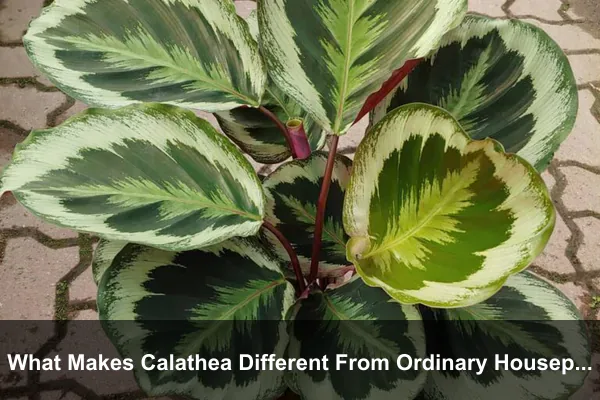
Calathea belongs to the prayer plant group, a family of tropical foliage plants known for dramatic leaf patterns. Many plants still sold as Calathea have been botanically reclassified into the genus Goeppertia, but the older name remains common in garden centers and online plant shops. For everyday plant owners, the most important point is simple: Calathea is grown mainly for foliage, not flowers.
Unlike trailing vines or stiff architectural plants, Calathea has broad, flexible leaves that often display stripes, brush-like markings, feathered patterns, purple undersides, or pale green contrast. This makes it useful when you want a houseplant that feels decorative even when it is small. A young Calathea can bring the visual impact of a larger plant because its leaves already carry detail.
A Foliage Plant With Strong Visual Identity
The biggest design benefit of Calathea is that it does not rely on height or flowers to earn attention. A plant such as Calathea orbifolia can soften a room with round, silver-green leaves. Calathea lancifolia, often called rattlesnake plant, adds narrow wavy leaves with spotted markings. Calathea makoyana, known as peacock plant, gives a delicate patterned look that suits lighter interiors.
This matters because many indoor spaces need visual interest at eye level or tabletop level. Calathea can fill that role without becoming a large indoor tree, a messy vine, or a thorny plant. For renters, apartment dwellers, and pet owners, that makes it a flexible choice.
Why The Leaves Feel So Decorative
Calathea leaves often look hand-painted because their markings follow natural symmetry. Human eyes tend to respond well to repeated patterns, soft contrast, and rounded shapes. A Calathea on a side table can make a room feel more finished because it introduces detail without clutter. In this way, one of the most realistic Calathea plant benefits is visual comfort: it gives the eye a natural resting point.
Key Calathea Plant Benefits For Pet-Aware Homes

Pet-aware plant buying is not about assuming a pet will never chew leaves. It is about choosing plants that reduce risk while still creating a home that feels alive. Calathea is popular in this category because it is generally listed among non-toxic houseplants for cats and dogs. That does not mean pets should eat it, but it does make Calathea a more sensible option than many toxic aroids, lilies, or sago palms.
Non-Toxic Does Not Mean Edible
The phrase non-toxic can be misunderstood. Calathea is not grown as a food crop, and chewing any houseplant can still cause mild stomach upset, vomiting, or irritation simply because plant fiber is not meant to be a pet snack. The benefit is that Calathea does not carry the same serious toxicity profile as many common ornamental plants.
If your cat or dog is an active chewer, place the plant where it can be admired but not constantly attacked. You can also offer pet grass, increase play time, and avoid placing moving leaves directly beside favorite pet paths. A safer plant choice works best when paired with smart placement.
A Better Choice For Shared Rooms
Calathea is especially useful in living rooms, bedrooms, home offices, and reading corners where pets and people spend time together. Its foliage is interesting enough to act as decor, but it does not have sharp spines, heavy fruit, sticky sap, or strong fragrance. That makes it a gentle fit for households that want indoor greenery without turning every plant shelf into a hazard zone.
For families, Calathea also supports simple plant education. Children can notice new leaves, leaf color, soil moisture, and plant posture without handling a dangerous plant. Adults should still supervise, but Calathea is a friendlier teaching plant than many dramatic but toxic ornamentals.
Visual Calm Without Strong Scent
Some people enjoy fragrant plants, but scent can be overwhelming in small rooms. Calathea offers beauty through texture, pattern, and color instead of perfume. This is helpful for people who want plant benefits in bedrooms or workspaces but prefer a neutral-smelling environment.
How To Choose A Calathea By Pattern, Size, And Room Use
Choosing Calathea should start with the room, not only the plant photo. Some Calatheas are compact and upright, while others grow broader leaves that need more horizontal space. A plant that looks perfect in a close-up image may become frustrating if its leaves press against a wall, heater, curtain, or pet walkway.
Choose Patterns That Match The Mood Of The Room
Leaf pattern can change the feeling of a space. Fine stripes look refined and organized. Round leaves feel softer and calmer. Darker leaves with purple undersides feel more dramatic. Long wavy leaves feel playful and natural. This makes Calathea useful as a design tool, not just a plant collection item.
- For calm bedrooms: choose round or softly striped leaves with gentle green tones.
- For desks and shelves: choose compact plants with upright leaves that will not sprawl into work areas.
- For modern rooms: choose bold striping or strong contrast to add detail without extra objects.
- For family spaces: choose sturdy-leaved varieties and stable pots that tolerate routine household movement.
Think About Mature Width
Calathea is often sold when small, but the leaves may widen over time. A plant with large round leaves needs breathing room. If leaves are constantly bent against furniture, they may tear or develop damaged edges. Measure the space before buying, especially if you plan to place the plant on a narrow shelf or small bedside table.
Buy For Health, Not Just Pattern
The best Calathea is not always the rarest one. Look for leaves that are firm, evenly colored, and free from webbing, sticky residue, or many brown patches. Check the underside of leaves for pests. Avoid plants sitting in soggy soil with a sour smell. A healthy common Calathea will usually bring more benefit than a stressed rare plant that needs rescue from the first week.
Pet-Safe Styling Without Creating Plant Problems
Calathea may be a safer plant for pet-aware homes, but styling still matters. A heavy ceramic pot placed on a wobbly stand can be more dangerous than the plant itself. Soil scattered by pets can create mess. Constant leaf chewing can ruin the plant and encourage bad habits. The goal is to make the plant visible, stable, and easy to maintain.
Use Stable Containers
Choose a pot with enough weight to resist tipping. If you use a decorative cachepot, make sure the nursery pot fits securely inside it and can still drain after watering. Avoid tall, narrow stands in areas where pets run or jump. A low plant stand, wide shelf, or sturdy side table is often better.
Protect The Soil Surface
Some pets dig in exposed soil. You can reduce this by using a snug pot, placing the plant slightly out of reach, or covering the soil surface with a breathable layer such as large clean stones. Do not seal the soil with plastic or decorative materials that trap moisture, because Calathea roots still need oxygen.
Avoid Risky Leaf Sprays And Harsh Chemicals
Because Calathea leaves are thin and decorative, people sometimes overuse shine sprays or chemical treatments. This can damage foliage and create unnecessary exposure for pets. Clean leaves with a soft damp cloth instead. If pests appear, begin with isolation, gentle washing, and a plant-safe treatment appropriate for indoor use. Keep any product away from pets until leaves and surfaces are dry.
- Place Calathea where pets can see it but not constantly chew it.
- Use a stable pot with drainage and a secure saucer.
- Keep fertilizers, soil bags, and pest products stored away.
- Inspect leaves weekly so small problems do not become major damage.
- Rotate the plant carefully so all sides receive balanced light.
Care Basics That Protect Calathea Benefits
The benefits of Calathea depend on leaf quality. If the plant is dry, scorched, dusty, or pest-stressed, it loses much of its decorative value. Calathea is not the hardest houseplant, but it is less forgiving than snake plant or ZZ plant. It prefers consistency, gentle light, and moderate moisture.
Light: Bright But Indirect
Calathea naturally grows under taller tropical vegetation, so it prefers filtered light. Strong direct sun can fade patterns or burn leaf edges. Too little light can make growth slow and dull. A bright room away from harsh afternoon sun is usually ideal. East-facing light, filtered south light, or a spot several feet from a bright window can work well.
Water: Even Moisture Without Soggy Roots
Calathea dislikes becoming bone dry, but it also dislikes sitting in water. Water when the top layer of the potting mix begins to feel slightly dry, then allow excess water to drain. Do not leave the pot standing in a full saucer. Consistent moisture helps leaves stay smooth and reduces stress curling.
Water quality can matter for sensitive Calatheas. If your tap water is very hard or heavily treated, brown tips may appear more often. Filtered water, rainwater, or water left to reach room temperature may help, depending on your local water conditions.
Humidity And Temperature
Calathea generally appreciates moderate to higher humidity. Dry indoor air can cause crispy edges, especially near heaters or air conditioners. Grouping plants, using a humidifier, or placing the plant in a naturally more humid room can help. Misting alone is not a complete humidity solution because it raises moisture only briefly and can leave spots on patterned leaves.
Keep Calathea away from cold drafts, hot vents, and sudden temperature swings. A comfortable human room temperature is usually suitable. The plant benefits from stability more than dramatic care tricks.
Soil And Potting
Use a light potting mix that holds some moisture but still drains well. A good indoor mix with added perlite, fine bark, or coco coir can work. The pot must have drainage holes. Repot only when the roots are crowded or the soil has broken down, because unnecessary repotting can stress the plant.
Common Calathea Problems And What They Mean
Calathea communicates through its leaves. The challenge is not to panic at every mark. One old leaf yellowing is normal. A few brown tips may happen in dry rooms. The goal is to read patterns of change and respond carefully.
Brown Leaf Edges
Brown edges often point to dry air, inconsistent watering, mineral-heavy water, or old damage. Trim only the dead brown tissue if it bothers you, using clean scissors. Then improve the routine rather than repeatedly cutting leaves. Check whether the plant is near a vent, receiving harsh sun, or drying out too far between waterings.
Curling Leaves
Leaves may curl when the plant is thirsty, cold, or stressed by too much light. Feel the soil before watering. If the soil is dry, water thoroughly and watch for recovery. If the soil is wet and leaves are curled, inspect roots, temperature, and drainage instead of adding more water.
Yellow Leaves
Yellowing can come from overwatering, poor drainage, lack of light, or natural aging. If several lower leaves yellow at once and the soil stays wet, root stress is likely. Let the mix dry slightly, check the pot, and adjust watering frequency. Do not fertilize a stressed plant until the cause is clearer.
Faded Patterns
Fading may happen when light is too strong or too weak. Direct sun can bleach leaves, while very low light can reduce contrast in new growth. Move the plant gradually. Sudden changes can cause more stress than the original problem.
Pests
Spider mites, thrips, and mealybugs can affect Calathea. The patterned leaves sometimes hide early pest signs, so inspect undersides regularly. Isolate any suspicious plant. Wipe leaves gently, remove badly damaged foliage, and treat early. Healthy humidity and clean leaves reduce pest pressure, but they do not replace inspection.
Low-Waste Calathea Habits For Everyday Homes
A plant benefit is stronger when the care routine is sustainable. Calathea does not need constant buying, excessive accessories, or complicated products. In many homes, the best approach is to buy one healthy plant, place it well, and build a steady routine.
Clean Leaves Instead Of Replacing Plants
Dust makes Calathea look dull and can reduce light reaching the leaf surface. Wipe leaves with a soft damp cloth every few weeks. Support each leaf from below so it does not tear. This simple habit keeps the plant attractive and reduces the urge to replace it when it only needs cleaning.
Propagate By Division When The Plant Is Ready
Calathea is not usually propagated by stem cuttings like pothos. The practical method is division during repotting, when the plant has multiple healthy clumps. Divide only if the plant is strong enough and each section has roots. This avoids unnecessary waste and gives you a second plant without buying another one.
Use Fertilizer Lightly
More fertilizer does not mean more benefit. During active growth, a diluted balanced houseplant fertilizer can support new leaves. Too much fertilizer can burn roots or worsen brown tips. In cooler or darker months, reduce feeding because the plant grows more slowly.
Best Places To Use Calathea Indoors
Calathea works best where its leaves can be seen up close. It is not usually a distant corner plant. The patterns are detailed, so place it where people naturally pause: a desk edge, reading table, plant shelf, bedroom dresser, or living room sideboard.
Bedrooms
In bedrooms, Calathea adds softness without scent. Choose a stable location away from direct sun and heating vents. A medium-sized plant can make a bedside area feel greener without overwhelming the room.
Home Offices
For workspaces, Calathea provides a natural visual break. Its detailed leaves can soften the hard lines of screens, keyboards, and office furniture. Keep it near bright indirect light and away from electronics during watering.
Living Rooms
In living rooms, Calathea can act as a patterned accent. Pair it with simpler pots so the leaves remain the focus. If pets share the space, choose a location that is visible but not in the center of pet traffic.
Bathrooms With Light
A bright bathroom can suit Calathea because humidity is often higher. However, light still matters. A dark bathroom will not support healthy growth simply because it is humid. If the room has a window with indirect light, Calathea may do well.
Calathea Plant Benefits And Information FAQ
Is Calathea Good For Beginners?
Calathea can be suitable for careful beginners, but it is not the easiest first plant. It asks for more consistency than drought-tolerant plants. Beginners who enjoy checking soil moisture, observing leaves, and adjusting placement may do well with it.
Is Calathea Really Pet-Safe?
Calathea is generally considered non-toxic to cats and dogs, which is one of its major indoor benefits. Still, pets should not be encouraged to eat it. Repeated chewing can upset digestion and damage the plant.
Does Calathea Purify Air?
Like other living plants, Calathea participates in normal plant processes, but a single houseplant should not be treated as an air purifier. Its more realistic benefits are visual comfort, plant care routine, pet-aware decor, and connection to nature indoors.
Why Are Calathea Leaves So Sensitive?
The leaves are thin, broad, and adapted to humid tropical conditions. Dry air, harsh sun, poor water quality, or irregular watering can show quickly as curled leaves or brown edges. This sensitivity is manageable when the plant is placed correctly.
How Often Should I Water Calathea?
There is no fixed schedule for every home. Check the soil instead. Water when the upper layer begins to dry, then drain thoroughly. Your frequency will change with light, season, pot size, soil mix, and room temperature.
Conclusion
Calathea plant benefits and information are most useful when viewed realistically. This plant is not a miracle air cleaner or a no-care decoration. Its true value is more practical and more interesting: it offers pet-aware foliage, detailed natural patterns, gentle indoor beauty, and a daily reason to pay attention to your living space.
For homes with cats, dogs, children, or shared rooms, Calathea can be a smart choice because it combines safer plant selection with high decorative impact. Choose a healthy plant, give it bright indirect light, keep moisture consistent, protect it from drafts and harsh sun, and style it in a stable container. With that steady care, Calathea becomes more than a pretty leaf plant. It becomes a thoughtful part of a greener, calmer, and better-planned indoor home.
