
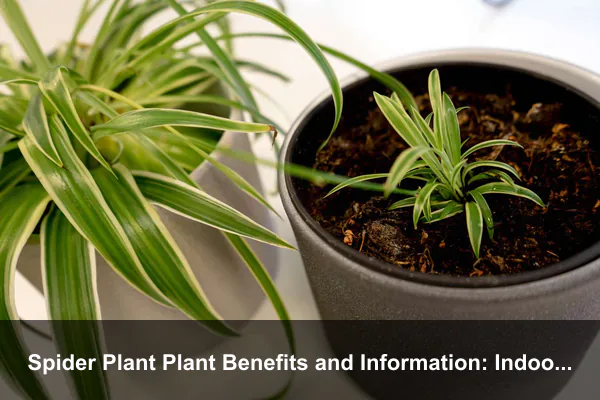
Spider Plant plant benefits and information are often discussed in simple terms: it is easy to grow, attractive, and forgiving. Yet the spider plant, known botanically as Chlorophytum comosum, offers a deeper kind of value for homes, apartments, classrooms, and shared indoor spaces. It is one of the few houseplants that can turn everyday plant care into a visible learning experience because its arching leaves, fast recovery, and dangling offsets show growth in a way people can actually observe.
This guide takes a distinct angle on the spider plant. Instead of focusing only on basic care, air quality claims, or brown leaf tips, it explores how this plant can support indoor learning, practical home routines, hanging displays, family gardening habits, and beginner confidence. In the wider context of Manfaat Tanaman, or plant benefits, the spider plant is valuable not because it promises miracle effects, but because it makes greener living easier to practice every week.
Why Spider Plant Still Matters in Modern Indoor Living
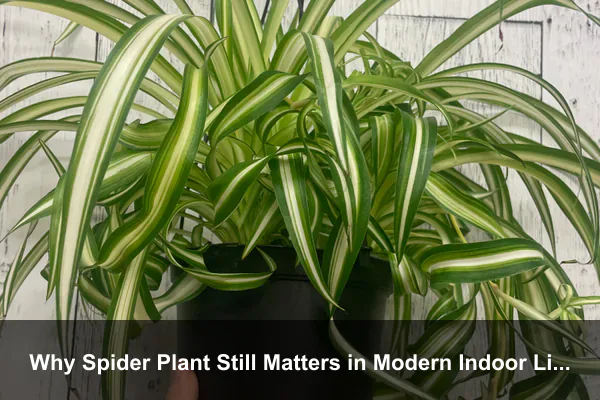
The spider plant has remained popular for decades because it fits the way people actually live. It does not demand a greenhouse, a complex watering schedule, or expensive equipment. Its leaves bring movement to shelves and hanging baskets, while its compact root system works well in small containers. For renters, students, families, and office workers, that combination makes it a practical indoor plant rather than a decorative burden.
One of the most important spider plant benefits is its ability to make indoor gardening feel approachable. Many houseplants look beautiful in photos but become intimidating when they need exact humidity, filtered water, or high light. A spider plant is more flexible. It grows best in bright, indirect light, but it can tolerate medium indoor light. It prefers evenly moist soil, but it can recover from occasional forgetfulness. This resilience gives beginners space to learn without losing the plant quickly.
A Plant That Shows Its Progress
Some plants grow slowly or hide their progress underground. Spider plant growth is more visible. New leaves emerge from the center, older leaves arch outward, and mature plants may produce long stems with small plantlets. This makes it useful for people who want feedback from their care routine. When light, watering, and potting conditions are reasonably balanced, the plant responds clearly.
That visible progress is why spider plants work well in family homes and learning spaces. Children can observe new leaf growth, compare older and younger leaves, and understand that plants respond to water, light, and time. Adults benefit too, especially those who want a calming plant habit without needing advanced horticultural knowledge.
Indoor Value Beyond Decoration
Spider plants do improve the visual quality of a room, but their value is not limited to looks. They create small routines: checking soil moisture, turning the pot, trimming tired leaves, and noticing seasonal changes. These routines support attentiveness. In a home where screens dominate attention, even a small living plant can become a useful reminder to slow down and observe.
Spider Plant Benefits for Daily Home Routines
When people search for Spider Plant plant benefits and information, they often want to know what the plant actually does for everyday life. The most realistic answer is that it supports cleaner habits, softer interiors, beginner gardening confidence, and simple household rhythm. It is not a cure-all, but it is a dependable plant that adds value through repeated daily contact.
- Beginner confidence: The plant forgives small mistakes and gives new growers time to improve.
- Flexible placement: It works on shelves, desks, plant stands, windowsills, and hanging baskets.
- Visual softness: Its arching leaves reduce the hard lines of furniture, walls, and technology-heavy rooms.
- Routine building: It encourages simple observation, watering discipline, and seasonal adjustment.
- Educational value: Its growth pattern is easy to study, making it useful for families and classrooms.
A Gentle Plant for Habit Formation
The spider plant is especially helpful for people trying to build a plant-care habit. A demanding plant can make beginners feel as if indoor gardening is too complicated. A spider plant does the opposite. It teaches the basics in a forgiving way: soil should not stay soggy, light should be bright but not harsh, and leaves can show stress before serious decline happens.
This habit-building benefit is practical. A person who learns to care for a spider plant can later understand other houseplants more easily. They begin to notice the difference between dry soil and wet soil, strong sun and filtered light, active growth and slow winter rest. In that sense, the spider plant functions almost like a training plant for indoor gardening.
Useful for Busy Homes
Busy homes need plants that fit into real schedules. Spider plants usually do not need daily attention. During active growth, checking the soil once or twice a week is often enough. In cooler or darker seasons, watering may be less frequent. This makes the plant suitable for people who want greenery but cannot manage fussy care.
The key is consistency rather than perfection. Place the plant where it receives bright, indirect light, use a pot with drainage, and water when the upper layer of soil begins to dry. These simple steps provide most of what the plant needs.
Using Spider Plant as a Living Learning Tool
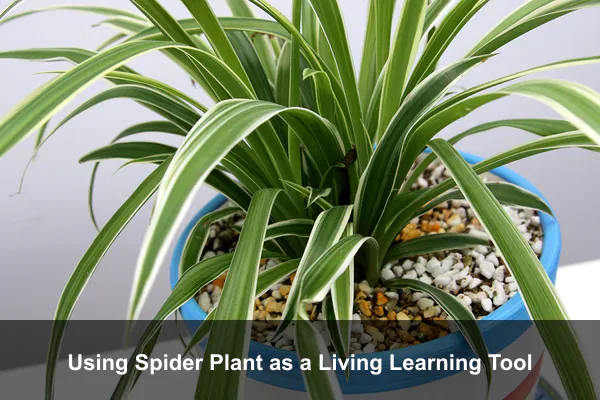
A unique benefit of the spider plant is its usefulness as a living teaching tool. Because the plant grows in a clear, visible pattern, it can help people understand basic plant biology without technical language. This makes it valuable for parents, teachers, homeschoolers, community centers, and anyone who enjoys hands-on learning.
What Children Can Learn from Spider Plants
Children often learn best when they can see cause and effect. A spider plant offers many safe, simple observations. They can see how leaves grow from the center, how roots fill a pot over time, and how plantlets form after the plant matures. They can also learn responsibility by helping with watering and cleaning leaves.
- Observation: Children can track new leaves and compare changes from week to week.
- Responsibility: A simple watering routine teaches care without overwhelming them.
- Patience: Growth happens gradually, helping children understand natural timing.
- Respect for living things: The plant becomes something to care for, not just an object in the room.
For best results, adults should keep the routine simple. Let children feel the top of the soil, help rotate the pot, or remove a dry leaf with supervision. The lesson is not only about growing a plant; it is about paying attention.
Simple Home Experiments
Spider plants can also support simple home experiments. For example, two similar plants can be placed in different light levels, then observed over several weeks. One may grow more compact and vibrant, while the other may stretch or grow more slowly. This teaches the role of light in plant health.
Another experiment is a watering journal. Write down the date, soil condition, and room temperature each time the plant is watered. Over time, patterns become clear. The plant may dry faster near a bright window or slower in a cool room. These small experiments make plant care more thoughtful and less random.
Best Indoor Placement for Function and Style
Spider plants are flexible, but placement still matters. The best location balances light, visibility, airflow, and ease of care. A plant that is hidden in a dark corner may survive for a while, but it will not show its best shape. A plant placed in harsh direct sun may fade or scorch. The goal is a bright, comfortable spot where the plant can grow naturally and remain easy to maintain.
Hanging Baskets
Hanging baskets are one of the most effective ways to display spider plants. Their arching leaves and long stems look natural when allowed to cascade. This placement also saves floor and table space, which is useful in apartments and small rooms. Hang the plant near a bright window with filtered light, but avoid placing it where hot afternoon sun hits the leaves directly.
When using a hanging basket, choose a secure hook and a lightweight pot with drainage. Check the plant regularly because hanging containers can dry faster than pots placed on shelves. If watering overhead is inconvenient, remove the pot, water it thoroughly at a sink, let it drain, and return it to the basket.
Desks and Work Areas
A spider plant can soften a work area without taking up too much room. Smaller plants fit well on desks, side tables, and shelves. In a workspace, the plant provides a visual break from screens and documents. Its bright green or variegated leaves can make the area feel more alive without creating clutter.
For desks, choose a compact pot and avoid overwatering. Office plants often suffer because they are watered by multiple people or placed in decorative containers without drainage. A clear routine solves this problem. Assign one person to water, or use a simple reminder based on soil dryness rather than a fixed daily schedule.
Kitchens, Bathrooms, and Utility Areas
Spider plants can work in kitchens and bathrooms if light is adequate. Kitchens often have bright windows and regular activity, making plant care easy to remember. Bathrooms may provide extra humidity, but only if there is natural or strong artificial light. A dark bathroom is not suitable for long-term growth.
Avoid placing spider plants near heat vents, ovens, cold drafts, or doors that open to intense outdoor weather. Stable conditions help the plant maintain healthy leaves and steady growth.
Care Information That Supports Long-Term Benefits
To enjoy spider plant benefits over time, the plant needs practical care. Fortunately, spider plant care is simple when the basics are understood. The plant prefers bright, indirect light, a well-draining potting mix, moderate watering, and occasional feeding during active growth.
Light Requirements
Bright, indirect light is ideal. Near an east-facing window, a few feet from a south or west-facing window, or behind a sheer curtain often works well. Variegated spider plants usually need brighter light to maintain their leaf pattern. In lower light, they may grow more slowly and produce fewer offsets.
Direct sun for long periods can stress the leaves, especially through hot glass. If leaves look bleached or dry at the edges after sun exposure, move the plant slightly farther from the window. If growth is weak and the plant leans toward light, move it closer to a brighter area.
Watering Rhythm
Water when the top portion of the soil begins to dry. The exact timing depends on pot size, light, temperature, and season. A plant in bright light may need water more often than one in a cooler, dimmer room. Always let excess water drain away. Spider plants dislike sitting in stagnant water because overly wet soil can damage roots.
If you are unsure, check the soil with your finger. Dry soil feels lighter and less cool. Wet soil feels dense and damp. This simple check is more reliable than watering on a strict calendar.
Soil and Potting
A general indoor potting mix with good drainage works well. If the mix feels heavy, add perlite, pumice, or coarse material to improve airflow around the roots. The pot should have drainage holes. Decorative outer pots are fine, but the inner growing pot should not stand in collected water.
Repot when roots become crowded, water runs straight through without soaking the mix, or growth slows despite good light and care. Move up only one pot size at a time. A pot that is much too large can hold excess moisture and increase the risk of root problems.
Feeding
Spider plants are not heavy feeders. Use a balanced houseplant fertilizer at a diluted strength during spring and summer if the plant is actively growing. Avoid overfeeding, which can cause weak growth or leaf stress. In fall and winter, feeding is usually unnecessary unless the plant is under strong grow lights and still growing actively.
Design Ideas That Make Spider Plant More Useful
Good plant design is not about filling every empty corner. It is about placing greenery where it improves the room and remains easy to care for. Spider plants are useful because their shape adds movement. Their leaves can frame a shelf, soften a cabinet, or brighten a quiet corner without overwhelming the space.
Small-Space Display Ideas
- Use vertical space: Hang a spider plant near a window to save surfaces.
- Group with upright plants: Pair it with compact upright plants for contrast in shape.
- Place on narrow shelves: Let leaves arch over the edge without blocking walkways.
- Use matching pots: Simple containers make the display look intentional.
- Keep access clear: Make sure the plant can be watered and rotated easily.
In small homes, the best plant is often the one that does not interrupt daily movement. Spider plants can be kept above eye level, on wall shelves, or in hanging containers where they add greenery without stealing floor space.
Calm, Practical Styling
The spider plant has a relaxed form, so it pairs well with natural textures, clean ceramic pots, woven baskets, and simple wooden shelves. Variegated types can brighten neutral rooms, while solid green forms create a calmer look. Avoid overly crowded plant groupings if maintenance becomes difficult. A healthy, well-placed spider plant has more value than a crowded display that is hard to water.
Common Misunderstandings About Spider Plant Benefits
Spider plant benefits are real, but they should be described accurately. Some claims about houseplants are exaggerated, especially when people discuss indoor air purification. While spider plants have been included in studies of plant-related air improvement under controlled conditions, a normal home is much more complex. One plant will not replace ventilation, cleaning, or air filtration.
A more accurate view is that spider plants contribute to a healthier indoor atmosphere indirectly. They encourage people to open blinds, notice room conditions, manage moisture, and care for a living thing. They also improve the sensory quality of a room by adding natural color and form. These benefits are practical and sustainable because they come from daily use, not from unrealistic promises.
Not a Substitute for Good Home Maintenance
Spider plants should not be treated as a solution for mold, smoke, chemical exposure, or poor ventilation. If a room has serious air quality issues, address the source first. Improve airflow, remove pollutants, clean regularly, and use proper filtration where needed. Plants can support a pleasant indoor setting, but they cannot do the work of building maintenance.
Not Completely Problem-Free
Although spider plants are beginner-friendly, they still need suitable conditions. Too much water, very low light, compacted soil, or extreme temperatures can cause decline. The benefit of the plant is that it usually gives warning signs early. Leaves may pale, droop, or lose vigor before the plant is beyond recovery.
Seasonal Spider Plant Care Calendar
A seasonal approach keeps spider plant care simple and prevents overdoing tasks. Indoor conditions change through the year, even when the plant stays in the same room. Light intensity, temperature, and humidity all affect how quickly the plant uses water and grows.
Spring
Spring is the best time to refresh care. Growth usually becomes more active as light increases. Check whether the plant needs repotting, trim damaged leaves, and begin light feeding if needed. This is also a good time to reposition the plant closer to bright indirect light after a darker winter.
Summer
In summer, spider plants may dry out faster. Check soil more often, especially in hanging baskets. Protect the plant from harsh direct sun and hot windows. If the plant is outdoors temporarily, keep it in shade or filtered light and bring it inside before temperatures become stressful.
Fall
Fall is a transition season. Growth may slow as daylight decreases. Reduce feeding and monitor watering carefully. The plant may not need water as frequently as it did in summer. Clean leaves gently so they can use available light efficiently.
Winter
Winter care should be restrained. Avoid overwatering because cooler, darker conditions slow water use. Keep the plant away from cold drafts and heating vents. If the room is very dry, focus on stable care rather than heavy misting. Good light and careful watering matter more than quick fixes.
Choosing the Right Spider Plant for Your Space
Several spider plant forms are commonly available. The best choice depends on your light conditions, design preference, and available space. Variegated plants are popular because their white or cream stripes brighten indoor rooms. Green types can look fuller and may tolerate slightly lower light better, though all spider plants perform best with good indirect light.
What to Look for When Buying
- Firm leaves: Choose plants with upright, flexible leaves rather than limp growth.
- Healthy center: New growth should look clean and strong.
- No sour soil smell: Bad odor may indicate overly wet roots.
- Good pot condition: Avoid plants sitting in waterlogged nursery pots.
- Balanced shape: A plant with growth on all sides is easier to display.
Do not worry if a few older leaves have minor marks. Indoor plants are living things, not plastic decor. Focus on the overall health of the roots, center growth, and leaf firmness.
Matching Plant Size to Room Size
A young spider plant is ideal for a desk, shelf, or windowsill. A mature plant with long arching leaves works better in a hanging basket or on a plant stand. Before buying, consider where the leaves will fall as the plant grows. Give it enough space so the foliage can arch naturally without being crushed against a wall.
Safe, Responsible Use in Family Homes
Spider plants are widely considered one of the more family-friendly houseplants, especially compared with many toxic ornamental plants. Even so, responsible placement matters. Curious children or pets may pull leaves, dig soil, or knock down hanging pots. A plant that is safe in general still needs to be placed securely.
Use stable containers, avoid loose hooks, and keep soil surfaces tidy. If pets chew plants frequently, place the spider plant out of reach and provide appropriate pet enrichment. If a child or pet eats a large amount of any plant material and shows symptoms, contact a qualified medical or veterinary professional.
Teaching Respectful Interaction
Family plant care works best when people learn how to interact with the plant. Children can touch leaves gently, water with supervision, and help remove dry foliage. They should also learn not to pull, tear, or overwater. These small lessons build respect for living things and make the plant part of the household routine.
Conclusion: A Practical Plant With Lasting Everyday Value
Spider Plant plant benefits and information are most useful when they are grounded in real life. The spider plant is not valuable because it solves every indoor problem. It is valuable because it is adaptable, attractive, educational, and easy to include in daily routines. It helps beginners learn, gives families a living object to care for, and brings soft green movement into rooms that might otherwise feel static.
For anyone interested in Manfaat Tanaman, the spider plant is a strong example of practical plant value. It supports observation, responsibility, indoor beauty, and low-pressure gardening. With bright indirect light, thoughtful watering, a draining pot, and occasional seasonal adjustment, this classic houseplant can remain useful and beautiful for years.
