
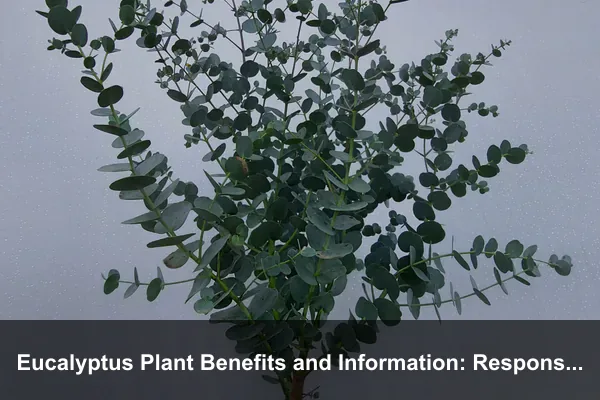
Eucalyptus is often introduced as a plant with a fresh, cooling fragrance, but its real value reaches far beyond scent. In the right setting, a eucalyptus plant can offer sculptural foliage, fast-growing privacy, seasonal nectar for pollinators, useful cut stems, and a strong visual anchor for gardens that need structure without fussy flowers.
This guide explores Eucalyptus plant benefits and information from a responsible home-gardening perspective. Instead of treating eucalyptus as a miracle plant or a simple decorative tree, it explains how to choose the right type, understand its growth habits, use the leaves wisely, and avoid the common mistakes that make this plant unsuitable for some spaces. The best manfaat tanaman, or plant benefits, come when beauty, safety, ecology, and maintenance all fit the site.
What Makes the Eucalyptus Plant Distinct
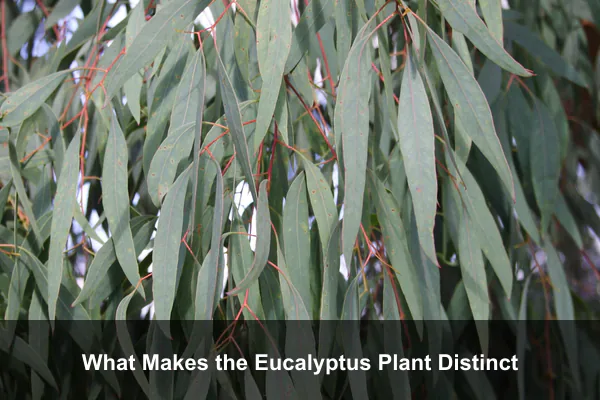
Eucalyptus belongs to a large group of mostly Australian trees and shrubs known for aromatic leaves, peeling bark, rapid growth, and unusual flowers. Many species have blue-green or silver foliage that looks modern in landscapes and flower arrangements. Some stay relatively compact, while others become very large trees that need open ground and careful placement.
A Large Genus, Not One Single Plant
One of the most important pieces of eucalyptus plant information is that eucalyptus does not describe one identical plant. There are hundreds of species, and they vary in size, cold tolerance, leaf shape, bark color, growth speed, and landscape behavior. A compact eucalyptus grown for foliage in a container is very different from a tall gum tree planted as a windbreak on a large property.
For small gardens, species and cultivated forms with manageable height are usually more practical. For larger landscapes, gardeners may consider eucalyptus for screening, shelter, or ornamental structure. The key is to match the plant to the space instead of buying only for leaf color or fragrance.
Why the Leaves Smell So Strong
The familiar eucalyptus scent comes from volatile compounds in the leaves, including 1,8-cineole in many species. These compounds are part of the plant’s natural chemistry, not just a pleasant perfume. They help explain why eucalyptus foliage is popular in dried bunches, shower bundles, wreaths, and natural home displays.
However, strong fragrance does not automatically mean the plant is safe for every use. Eucalyptus essential oil is concentrated and should not be swallowed. It should also be kept away from young children and pets. Responsible use means appreciating the aroma while respecting the strength of the plant compounds.
Key Eucalyptus Plant Benefits for Home Landscapes
The most useful eucalyptus plant benefits are practical, sensory, and ecological. A healthy plant can improve the look and function of a garden, but the value depends on correct placement and realistic expectations.
Fast Structure, Shade, and Wind Filtering
Many eucalyptus species grow quickly, which makes them attractive for people who want a young garden to feel established sooner. A well-placed eucalyptus can create vertical structure, soften a boundary, filter wind, and provide light shade. The upright habit and narrow leaves can feel airy compared with dense broadleaf evergreens, especially in open gardens.
This fast growth is also a responsibility. A tree that grows quickly above ground often needs enough root space, regular early training, and thoughtful distance from buildings, drains, paving, and overhead lines. The benefit is strongest where the site is large enough for the mature plant, not just the nursery size.
Flowers That Can Support Pollinators
Eucalyptus flowers are often less showy than roses or hibiscus, but they can be valuable to bees and other nectar-seeking insects. The flowers usually have fluffy stamens rather than broad petals, and many produce abundant nectar when in bloom. In warm climates, certain eucalyptus species may flower at times when other nectar sources are limited.
For a pollinator-friendly garden, eucalyptus works best as one part of a mixed planting. Pair it with regionally appropriate native flowers, herbs, and shrubs so local insects have a varied food supply. In areas where eucalyptus is not native, avoid planting it as a monoculture or allowing it to spread into sensitive habitats.
Aromatic Foliage With Low-Mess Visual Value
Eucalyptus foliage is one of its most popular benefits. The leaves can add color contrast, movement, and fragrance without needing constant deadheading. Juvenile leaves are often rounded and silvery, while mature leaves may become longer and more lance-shaped. This change makes the plant interesting through time.
Cut stems are useful for simple indoor arrangements, seasonal wreaths, and natural decor. Unlike delicate flowers, eucalyptus stems can last for weeks when dried properly. This makes the plant valuable for low-waste decorating, especially when foliage is harvested from a plant already growing in the garden.
Site Planning Before You Plant Eucalyptus
Good site planning is the difference between eucalyptus as a long-term asset and eucalyptus as a future problem. Before planting, consider mature height, root space, local climate, fire risk, water availability, and how close the plant will be to people, pets, and structures.
Match Species to Space
Start by checking the expected mature size of the exact species or cultivar. A label that simply says eucalyptus is not enough. Some types can become tall trees, while others are commonly grown as smaller ornamental foliage plants. If your garden is narrow, urban, or close to buildings, choose a compact option or grow eucalyptus in a large container where size can be managed more carefully.
Also consider leaf form. If you want round, silver juvenile foliage for cutting, you may need a species or pruning method that encourages juvenile growth. If you want a shade tree, mature form and branch structure matter more than florist-style leaves.
Think About Water, Roots, and Neighbors
Established eucalyptus trees can be drought-tolerant in suitable climates, but young plants need regular water while their roots develop. They also dislike constantly wet, poorly drained soil. The best site is sunny, open, and well drained, with room for roots to spread without competing aggressively with small garden beds.
Because eucalyptus can cast shade and drop leaves or bark, it should be placed where this natural litter will not become a nuisance. Avoid squeezing large species into tiny spaces near patios, pools, drains, or property lines. A plant that is beautiful in the right place can become high-maintenance in the wrong one.
Container Growing for Small Spaces
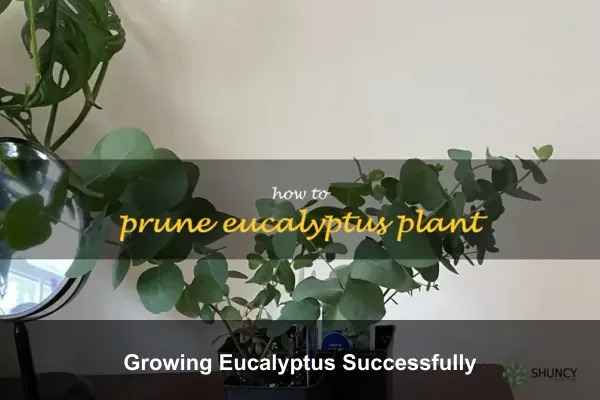
Container-grown eucalyptus can be a good option for patios, balconies, and renters, especially when the goal is foliage rather than a full-sized tree. Use a large, heavy pot with drainage holes, and choose a compact species. The container limits root spread, but it also means the plant depends more on consistent watering and seasonal feeding.
In pots, eucalyptus may dry out faster during hot weather and may become unstable in strong wind. Rotate the container occasionally for balanced light, prune lightly to maintain shape, and repot or root-prune when growth slows or water runs straight through the potting mix.
Safe and Practical Uses of Eucalyptus Leaves
Eucalyptus leaves are useful, but they should be handled with common sense. The goal is to enjoy fragrance, texture, and decorative value without turning the plant into an unsafe home remedy.
Fresh and Dried Stems
Fresh stems can be placed in vases with other foliage or used alone for a clean, sculptural look. As they dry, the leaves usually keep some color and fragrance. For best results, cut healthy stems in the morning, remove damaged leaves, and hang them in a dry, airy place away from direct sun.
Dried eucalyptus is suitable for wreaths, shelf displays, and simple bundles. Keep dried foliage away from candles, stovetops, and fireplaces because dry plant material can catch fire. If the leaves become dusty or brittle, compost them if local composting guidance allows, or dispose of them responsibly.
Steam and Aroma Use
Many people hang eucalyptus in the bathroom because warm steam can release scent from the leaves. This can create a spa-like atmosphere, but it should be treated as a fragrance practice rather than medical treatment. Do not place leaves where water will constantly soak them, and replace bundles before they become moldy.
If someone in the home has asthma, fragrance sensitivity, migraines, or respiratory irritation, test eucalyptus aroma cautiously. Natural scent can still be strong. Good ventilation and moderation are better than filling a small room with intense fragrance.
Essential Oil Cautions
Eucalyptus essential oil is much more concentrated than leaves. It should not be ingested, applied undiluted to skin, or used around babies without professional guidance. Pets, especially cats and dogs, can also be sensitive to essential oils. Store bottles securely and avoid diffusing oils in enclosed rooms where pets cannot leave.
For most households, whole leaves used as decor are a gentler option than concentrated oil. Even then, keep leaves out of reach of children and pets who may chew them.
Growing Eucalyptus Successfully
Healthy eucalyptus care begins with sun, drainage, and early structure. Once established in a suitable climate, many plants are not difficult, but they do need the right start.
Light, Soil, and Drainage
Eucalyptus generally prefers full sun. A bright location helps produce strong stems, better leaf color, and compact growth. In too much shade, plants may stretch, lean, or develop weak branches. Soil should drain well, since waterlogged roots can lead to decline.
Heavy clay can sometimes be improved with organic matter and careful planting on a slight mound, but do not bury the root crown. In containers, use a free-draining potting mix rather than dense garden soil. Drainage is especially important during cool seasons when wet roots stay cold for longer.
Watering the First Year
Newly planted eucalyptus needs regular watering while roots establish. Deep watering is better than frequent shallow sprinkling because it encourages roots to grow outward and downward. Once the plant is established, reduce irrigation according to local rainfall, soil type, and species needs.
Container plants need closer attention. Check moisture by feeling the mix below the surface. If the top dries but the lower root zone is still moist, wait before watering again. Overwatering and underwatering can both cause leaf drop, so observe the plant rather than following a rigid calendar.
Pruning, Coppicing, and Size Control
Pruning can shape eucalyptus, remove damaged growth, and encourage fresh foliage. Light formative pruning when the plant is young is usually easier than correcting a neglected tree later. Remove crossing, broken, or poorly placed branches with clean tools.
Some gardeners use coppicing, which means cutting the plant back low to stimulate new juvenile shoots. This can be useful for foliage production, but it is not appropriate for every species, climate, or landscape goal. If the plant is large, close to structures, or already unstable, consult a qualified arborist instead of making severe cuts yourself.
Harvesting, Drying, and Storing Foliage
Harvesting is one of the most satisfying eucalyptus plant benefits because it turns garden maintenance into useful material. The best stems are clean, pest-free, and flexible, with attractive leaves and no signs of disease.
When to Cut
Cut stems during dry weather after dew has evaporated. Morning is often ideal because the plant is hydrated but not stressed by afternoon heat. Avoid taking too much from a young plant. A good rule is to harvest lightly and leave enough foliage for strong growth.
If you grow eucalyptus mainly for cut foliage, plan pruning around the type of leaves you want. Regular light cutting can encourage bushier growth in some plants, while unpruned trees may shift toward mature leaf forms as they age.
How to Dry Eucalyptus
Bundle small groups of stems with twine and hang them upside down in a dry, shaded, well-ventilated area. Direct sun can fade the leaves, while damp air can lead to mold. Once dried, store stems loosely in a breathable container or use them immediately in arrangements.
Avoid sealing damp leaves in plastic bags. Trapped moisture reduces quality and can create an unpleasant smell. Proper drying keeps the foliage cleaner, longer lasting, and more useful for home displays.
Common Myths and Mistakes About Eucalyptus
Eucalyptus is surrounded by strong opinions. Some people treat it as a cure-all, while others see it only as a problem tree. A balanced view is more useful for gardeners.
- Myth: Eucalyptus is always small enough for home gardens. Many species become large trees. Always check mature size before planting.
- Myth: Natural aroma means completely safe. Eucalyptus compounds can be irritating or toxic when misused, especially as essential oil.
- Myth: Eucalyptus needs no water at all. Young plants need consistent moisture while establishing, even if mature plants are drought-tolerant.
- Myth: It is always bad for wildlife. Flowers can support nectar-feeding insects, but eucalyptus should be part of diverse planting, not the only habitat plant.
- Mistake: Planting too close to structures. Large species need space for roots, branches, bark shed, and long-term maintenance access.
- Mistake: Ignoring local rules. In some regions, certain eucalyptus species may be discouraged, restricted, or considered invasive. Check local guidance before planting.
Quick Eucalyptus Care Checklist
Use this simple checklist before buying or planting eucalyptus. It helps connect the benefits of the plant with the real conditions in your garden.
- Identify the exact species or cultivar. Do not rely on a vague nursery label.
- Check mature height and spread. Choose a plant that fits the space in five, ten, and twenty years.
- Choose full sun. Strong light supports better form and healthier foliage.
- Prioritize drainage. Avoid sites where water sits around the roots.
- Water deeply during establishment. Young plants need help before they become resilient.
- Prune early and lightly. Guide structure before the plant becomes too large.
- Use leaves responsibly. Enjoy aroma and decor, but avoid unsafe ingestion or concentrated oil misuse.
- Review local climate and fire guidance. In dry regions, placement and maintenance matter.
Frequently Asked Questions
Is eucalyptus easy to grow?
Eucalyptus can be easy to grow when the climate, sunlight, soil, and space are right. Problems usually happen when a large species is planted in a small area, when drainage is poor, or when the plant is expected to behave like a compact houseplant.
Can eucalyptus grow indoors?
Eucalyptus can be grown indoors temporarily in very bright light, but most types prefer outdoor conditions. Indoors, they often struggle with low light, dry air, and restricted roots. A sunny patio container is usually more practical than a dark room.
Is eucalyptus safe for pets?
Eucalyptus leaves and essential oil should be kept away from pets that may chew or lick them. Essential oil is especially concentrated and can be risky for cats and dogs. If a pet eats eucalyptus, contact a veterinarian for guidance.
What is the best benefit of eucalyptus for beginners?
For beginners, the best benefit is usually the foliage. A carefully chosen compact eucalyptus can provide attractive leaves for garden texture and occasional cutting without requiring complicated flowering care. Beginners should start with a manageable plant and learn its watering and pruning rhythm before planting larger trees.
Conclusion
Eucalyptus is a valuable plant when it is chosen with care and used responsibly. Its benefits include aromatic foliage, strong visual structure, potential pollinator support, useful cut stems, and practical garden presence. At the same time, it is not a one-size-fits-all plant. Mature size, root space, local climate, safety, and maintenance all matter.
The smartest approach to Eucalyptus plant benefits and information is to see eucalyptus as both beautiful and powerful. Select the right species, plant it in the right place, harvest lightly, use leaves safely, and keep the garden diverse. When those basics are respected, eucalyptus can become a long-lasting and meaningful part of a healthy home landscape.
