
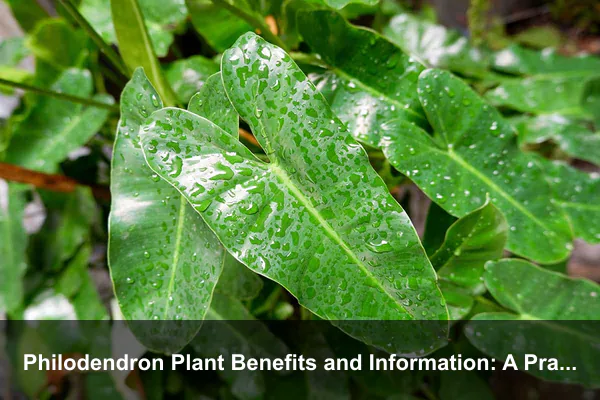
Philodendron plant benefits and information are often discussed in broad terms, but the real value of this houseplant becomes clearer when you look at everyday living: a brighter corner, softer indoor surfaces, easier plant routines, and a calmer visual rhythm in rooms that feel too hard or empty. Philodendrons are not miracle plants, and they should not be treated as medical or air-purifying replacements for ventilation, cleaning, or safe home habits. Their strength is more practical: they are adaptable foliage plants that can make indoor spaces feel more alive without demanding expert-level care.
This guide takes a distinct, realistic angle on philodendrons: how they support livable interiors through visual comfort, simple maintenance, flexible placement, and thoughtful plant ownership. Instead of repeating a basic type-by-type overview, it focuses on how to choose, place, and care for philodendrons in a way that fits modern homes, apartments, work corners, and shared rooms. You will also find safety notes, buying guidance, maintenance routines, and common mistakes to avoid so your philodendron stays attractive for the long term.
Why Philodendrons Remain Popular Indoor Plants
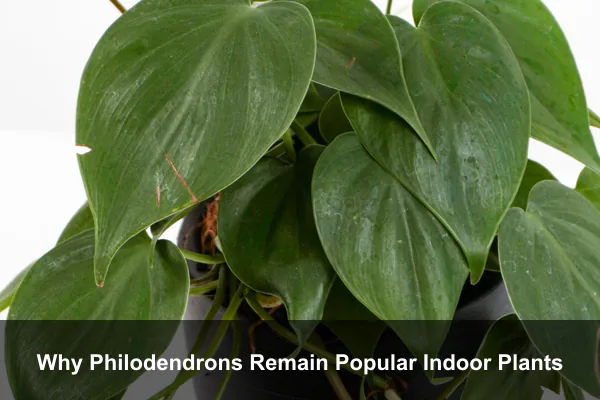
Philodendrons belong to the aroid family and are known for their decorative foliage, forgiving growth habits, and wide range of shapes. Some trail from shelves, some climb supports, and others grow in a self-heading form with upright leaves. This variety gives homeowners many ways to use one plant group without creating a repetitive look.
The popularity of philodendrons is not only about appearance. Many varieties tolerate normal household conditions better than fussy tropical plants. They usually prefer bright, indirect light but can adapt to moderate indoor light. They appreciate consistent moisture but often recover from small care mistakes when the roots are healthy. For beginners, this balance is useful because it reduces the pressure to be perfect.
A Plant That Works With Real Homes
Modern rooms are not greenhouses. Light changes during the day, air-conditioning dries the room, and people forget watering dates. Philodendrons are valuable because they can fit into this imperfect reality. A healthy plant still needs care, but it does not usually require daily attention, special equipment, or a complicated schedule.
This makes philodendrons especially helpful for renters, busy households, and people who want indoor plants but do not want to build their entire routine around them. Their benefits come from consistency: steady foliage, flexible styling, and visible growth that rewards basic care.
Key Philodendron Plant Benefits for Indoor Living
The best way to understand philodendron plant benefits and information is to separate realistic benefits from exaggerated claims. A philodendron can improve the feel of a room, support a more mindful care routine, and add natural texture. It cannot replace an air purifier, treat illness, or make a poorly ventilated home automatically healthy.
Visual Softness in Hard Indoor Spaces
Many homes contain hard materials such as tile, glass, metal, plastic, and painted walls. These surfaces can make a room feel efficient but visually cold. Philodendrons soften that impression with rounded leaves, trailing stems, and rich green color. Even one well-placed plant can make a shelf, desk, or empty corner feel less harsh.
Large-leaved philodendrons create a bold tropical effect, while smaller vining types add movement and casual greenery. This visual softness is one of the most reliable benefits because it does not depend on scientific claims. It is immediate, visible, and easy to experience.
A Simple Way to Build a Plant Care Habit
Philodendrons are useful for people learning plant care because they show feedback clearly. Drooping leaves may suggest thirst, yellowing leaves may point to overwatering or aging foliage, and leggy stems often mean the plant wants more light. These signals help beginners become better observers.
A good care habit also has emotional value. Checking soil moisture, rotating the pot, wiping leaves, and watching new growth can become a quiet routine. In the broader context of manfaat tanaman, or plant benefits, this everyday interaction is often more meaningful than dramatic claims. The plant gives people a simple reason to slow down and notice their surroundings.
Flexible Design Without Heavy Renovation
Philodendrons can change how a room feels without paint, furniture, or construction. A trailing plant on a bookcase can soften vertical lines. A climbing philodendron on a moss pole can add height to a narrow corner. A compact variety can make a work surface feel less sterile.
This flexibility is helpful in apartments and rental homes where permanent changes may not be possible. You can move the plant, change its pot, adjust its support, or propagate a cutting when you want a refreshed look.
Choosing the Right Philodendron for Your Space
Not every philodendron fits every home. A plant that looks beautiful in a nursery may become awkward if it grows too large, needs more light than your room provides, or is unsafe around curious pets. Before buying, think about the plant’s mature size, growth form, light needs, and maintenance style.
Vining Philodendrons
Vining philodendrons are excellent for shelves, hanging planters, tall cabinets, and small spaces. Their stems can trail downward or be guided along a support. Heartleaf philodendron is a classic example because it is adaptable, attractive, and easy to trim.
Vining types are good when you want movement and length rather than a large floor plant. They are also easier to propagate, making them useful for low-cost indoor greenery. However, they can become thin and sparse in poor light, so they still need a reasonably bright spot.
Climbing Philodendrons
Climbing philodendrons use aerial roots to attach to supports in nature. Indoors, they often benefit from moss poles, coir poles, wooden planks, or trellises. When given support, many climbing types produce larger, more mature-looking leaves over time.
These plants suit people who enjoy training and shaping growth. They can turn a plain corner into a vertical green feature, but they need occasional tying, rotating, and pruning to stay neat. Choose this group if you want a plant project that remains manageable but more involved than a simple tabletop plant.
Self-Heading Philodendrons
Self-heading philodendrons grow more upright and compact, with leaves emerging from a central base rather than long trailing vines. They often work well as floor plants, side-table accents, or focal points near bright windows with filtered light.
These are ideal when you want structure rather than trailing stems. Their broad leaves can make a room feel lush, but they need enough space for leaf spread. Measure your intended area before buying, especially if the plant is already large.
Philodendron Care Basics That Protect Long-Term Benefits
A philodendron delivers the most value when it stays healthy. Tired, dusty, yellowing plants can make a room feel neglected rather than refreshed. Good care does not need to be complicated, but it should be consistent.
Light Requirements
Most philodendrons grow best in bright, indirect light. This means a room that is naturally bright but does not expose the leaves to harsh midday sun for long periods. Direct sunlight can scorch sensitive leaves, while very low light may slow growth and produce smaller leaves.
If your plant stretches toward the window, loses fullness, or produces long gaps between leaves, it may need more light. Move it gradually rather than making a sudden extreme change. A spot near an east-facing window or several feet from a bright south- or west-facing window is often suitable.
Watering Rhythm
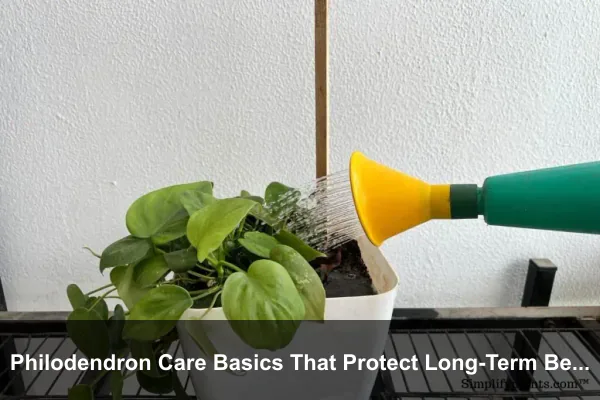
Watering is where many philodendron problems begin. The goal is not to water on a rigid calendar but to respond to the soil. In many homes, watering when the top few centimeters of soil feel dry is a practical starting point. The exact timing depends on pot size, light, temperature, humidity, and soil mix.
Use a pot with drainage holes. Water thoroughly until excess drains out, then empty the saucer. Avoid letting the plant sit in standing water because soggy roots can lead to rot. If the leaves yellow quickly and the soil stays wet for many days, reduce watering and check the potting mix.
Soil and Potting
Philodendrons generally prefer a loose, airy potting mix that holds some moisture but drains well. A standard indoor potting mix can be improved with ingredients such as orchid bark, perlite, coco chips, or pumice. The goal is to give roots both moisture and oxygen.
Repot only when needed. Signs include roots circling tightly, water running straight through the pot, slowed growth during the growing season, or a plant that dries out unusually fast. Moving up one pot size is usually better than jumping into a much larger container, which may hold too much moisture.
Practical Styling Ideas Without Overcrowding
Philodendrons are easy to overuse because they are beautiful and widely available. A more thoughtful approach is to place them where they improve the room’s function and appearance. The best indoor greenery looks intentional, not cluttered.
Use One Strong Plant Per Visual Zone
Instead of filling every surface with plants, choose one philodendron for each visual zone. A trailing plant can define a shelf. An upright plant can anchor a reading corner. A climbing plant can bring height to a narrow wall. This method keeps the room calmer and makes each plant easier to maintain.
Spacing also improves plant health. Crowded leaves dry slowly, collect dust, and may hide pests. Good airflow around the plant supports cleaner foliage and easier inspection.
Match Pot Style to Leaf Shape
Philodendrons have strong leaf personalities. Heart-shaped leaves pair well with simple ceramic pots, while bold split or lobed leaves often look better in heavier containers that balance their size. Dark green foliage can look elegant in white, terracotta, charcoal, or natural fiber planters.
Choose pots with drainage first and appearance second. Decorative cachepots are fine if the nursery pot inside can drain properly and excess water is removed after watering.
Keep Growth Accessible
A plant that is hard to reach is easy to neglect. Avoid placing philodendrons so high that watering, pruning, or pest checks become difficult. If you use hanging planters, make sure you can safely remove or access them. Good styling should make care easier, not harder.
Safety Information for Pets, Children, and Sensitive Homes
Philodendrons contain calcium oxalate crystals, which can irritate the mouth, lips, tongue, and digestive tract if chewed or eaten. This makes safety an important part of responsible philodendron ownership. The plant is decorative, not edible.
Pet and Child Safety
Keep philodendrons away from cats, dogs, and young children who may chew leaves. Place trailing stems out of reach, because dangling vines can attract attention. If a pet or child bites the plant and shows signs of irritation, drooling, vomiting, or distress, contact a veterinarian, pediatrician, or poison control service promptly.
Safety does not mean you cannot own philodendrons. It means placement matters. High shelves, closed plant rooms, wall-mounted supports, and supervised spaces can reduce risk.
Skin and Handling Notes
Most people can handle philodendrons without trouble, but sap may irritate sensitive skin. Wear gloves when pruning, repotting, or taking cuttings if you are prone to irritation. Wash hands after handling, especially before touching your face or preparing food.
Maintenance Routine for a Better-Looking Philodendron
A philodendron does not need constant attention, but a small routine keeps it attractive. The following simple schedule can help prevent problems before they become serious.
- Weekly: Check soil moisture, inspect leaves, and look under foliage for pests.
- Every two to four weeks: Rotate the pot so growth stays balanced.
- Monthly: Wipe dusty leaves with a soft damp cloth.
- During active growth: Prune leggy stems and feed lightly if the plant is healthy.
- Every year or two: Check whether the roots need more space or fresher mix.
Leaf Cleaning Matters
Philodendron leaves can collect dust, especially broad-leaved varieties. Dust dulls the plant’s appearance and may reduce the amount of light reaching the leaf surface. A soft cloth and clean water are usually enough. Avoid heavy leaf-shine products because they can leave residue and make leaves look artificial.
Pruning for Shape and Fullness
Pruning helps vining philodendrons stay full. Cutting just above a node encourages new growth and provides material for propagation. Remove yellow, damaged, or diseased leaves with clean scissors. Do not remove too much foliage at once unless the plant is healthy and actively growing.
Common Philodendron Problems and Realistic Fixes
Even easy plants can struggle. The advantage of philodendrons is that many problems are correctable when caught early. Observe the whole plant, not just one leaf, before making changes.
Yellow Leaves
One yellow leaf may simply be old. Many yellow leaves, especially with wet soil, may indicate overwatering or poor drainage. Check the roots if the pot smells sour or the soil remains soggy. Improve drainage, reduce watering, and remove damaged leaves.
Brown Leaf Tips
Brown tips can come from inconsistent watering, dry air, fertilizer buildup, or water quality issues. Trim only the dry edges if they bother you, but focus on the cause. Flush the soil occasionally with water, avoid overfertilizing, and keep the plant away from hot vents or cold drafts.
Leggy Growth
Long bare stems usually mean the plant needs more light or more regular pruning. Move it to a brighter indirect location and trim stems to encourage branching. Propagated cuttings can be planted back into the pot to create a fuller look.
Pests
Philodendrons can attract common houseplant pests such as spider mites, mealybugs, scale, and fungus gnats. Inspect new plants before bringing them near your collection. If pests appear, isolate the plant, remove visible insects, and use an appropriate treatment such as insecticidal soap according to label directions.
Propagation as a Low-Waste Benefit
One of the most practical philodendron benefits is easy propagation, especially with vining types. Propagation allows you to refresh a tired plant, share cuttings, or create fuller pots without buying more plants.
Stem Cuttings in Water or Soil
To propagate many vining philodendrons, cut a healthy stem with at least one node. The node is the point where roots and leaves can grow. Place the cutting in water or moist potting mix, keeping the node in contact with moisture. Bright indirect light supports rooting.
Once roots are several centimeters long, water-rooted cuttings can be moved into soil. Keep the mix lightly moist while the cutting adjusts. Avoid placing fresh cuttings in direct sun, which can stress them before roots are established.
Refreshing an Older Plant
Older philodendrons may become long, uneven, or bare near the base. Instead of discarding the plant, prune healthy stems, root cuttings, and replant them into the same container. This creates a fuller plant and reduces waste.
Buying Philodendrons Responsibly
A good buying decision saves money and prevents frustration. Look beyond the prettiest leaf and inspect the plant carefully. Healthy roots, pest-free foliage, and suitable size matter more than a dramatic first impression.
What to Check Before Buying
- Leaves should be firm, not limp or heavily damaged.
- Soil should not smell rotten or remain swampy.
- Undersides of leaves should be free from webbing, sticky residue, or cottony clusters.
- The pot should match the plant size reasonably well.
- The plant label should provide at least basic variety or care information.
Be cautious with rare or highly variegated philodendrons if you are new to plant care. Some are expensive and may grow more slowly or need more precise conditions. A healthy common variety often provides more everyday value than a costly plant that struggles in your home.
Myths About Philodendron Benefits
Philodendrons are valuable, but they are sometimes marketed with claims that need context. Balanced information helps readers enjoy the plant without unrealistic expectations.
Myth: One Philodendron Purifies an Entire Room
Plants interact with indoor air, but a single houseplant should not be presented as a complete air-cleaning solution. Real indoor air quality depends on ventilation, source control, cleaning habits, humidity management, and filtration when needed. Philodendrons can contribute to a greener environment, but they should not replace practical health measures.
Myth: Philodendrons Grow Well in Any Light
Philodendrons are adaptable, not light-proof. They may survive in lower light, but growth can slow and leaves may become smaller or less vibrant. For long-term beauty, give them the best indirect light you can provide.
Myth: More Water Means More Tropical Growth
Philodendrons are tropical plants, but indoor roots still need oxygen. Constantly wet soil can damage roots. A better approach is even moisture with good drainage, not endless watering.
Best Places to Use Philodendrons at Home
Placement should combine beauty, plant health, and safety. The best spot is not always the most decorative one if it makes watering difficult or exposes the plant to harsh sun.
Living Rooms
Living rooms often have enough space for larger philodendrons or climbing forms. Place them near bright windows with filtered light, beside low furniture, or in corners that need height. Avoid blocking walkways or placing plants where leaves will be brushed constantly.
Home Offices
A compact philodendron can make a desk or shelf feel less sterile. Choose a plant that does not spill into your work area or block screens. A small vining plant trained on a mini support can add greenery without taking much surface space.
Bedrooms
Philodendrons can work in bedrooms if there is enough light and safe placement. Keep them away from pets that sleep in the room. Avoid overwatering in low-light bedrooms because soil dries more slowly.
Kitchens and Bathrooms
Bright kitchens and bathrooms may suit philodendrons if temperature and light are stable. Keep plants away from cooking heat, soap splashes, and cleaning chemicals. In bathrooms, make sure there is natural light; humidity alone is not enough.
Conclusion
Philodendron plant benefits and information are most useful when they stay realistic. These plants offer adaptable beauty, flexible styling, clear growth signals, simple propagation, and an approachable way to build indoor plant care habits. They can soften hard rooms, bring natural color into daily routines, and help people create greener spaces without complicated maintenance.
The best philodendron is not always the rarest or largest one. It is the plant that fits your light, space, safety needs, and care rhythm. Choose thoughtfully, water with attention, provide bright indirect light, keep leaves clean, and respect its toxicity around pets and children. With that balanced approach, a philodendron can become one of the most dependable and rewarding ornamental plants in the home.
