

Boston Fern plant benefits and information are often discussed through humidity, air freshness, and classic indoor beauty, but there is another useful angle for modern homes: this fern can be a smart, pet-friendly, low-waste houseplant when chosen and maintained with intention. Its soft arching fronds bring movement and texture to apartments, bathrooms, balconies, work corners, and family rooms without demanding a large floor footprint.
Known botanically as Nephrolepis exaltata, the Boston Fern has been loved for generations because it feels lush without looking formal. It does not flower indoors in the way many ornamental plants do, yet its value comes from layered green fronds, a gentle tropical look, and a care routine that encourages regular observation. For readers interested in plant benefits, or manfaat tanaman, this guide focuses on practical everyday value: comfort, safer indoor placement, waste-conscious growing, and realistic plant care.
This article avoids repeating the usual basic fern advice and instead explains how to use Boston Ferns responsibly in small homes, rental spaces, and pet-aware households. You will learn how to buy better plants, avoid disposable growing habits, place the fern where it can thrive, divide it sustainably, and understand common problems before they turn into plant loss.
What Makes Boston Fern Different From Other Houseplants
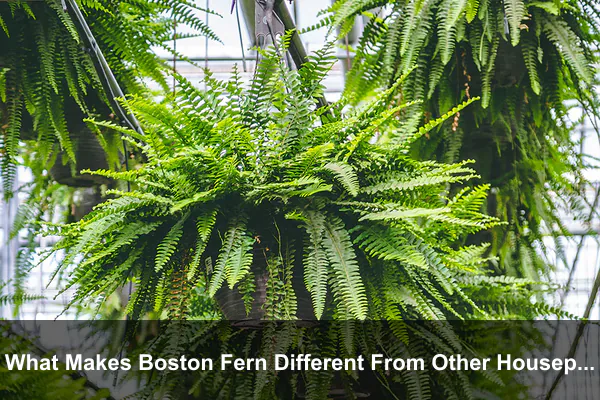
A Boston Fern is not a succulent, not a woody indoor tree, and not a vine. It is a fern, which means it belongs to an ancient group of plants that reproduce by spores rather than seeds. In the home, this matters because the plant behaves differently from many familiar houseplants. It grows in dense crowns, produces many fine leaflets along each frond, and reacts quickly when light, moisture, or airflow changes.
A Quick Plant Profile
- Botanical name: Nephrolepis exaltata, commonly sold as Boston Fern or sword fern.
- Plant type: Evergreen fern grown mainly as an indoor ornamental plant.
- Best feature: Long, arching green fronds with a soft, full appearance.
- Indoor use: Hanging baskets, shelves, plant stands, bright bathrooms, and shaded patios.
- Pet note: Commonly regarded as non-toxic to cats and dogs, though pets should still be discouraged from chewing houseplants.
- Care level: Moderate, mostly because it prefers consistent moisture and does not like being forgotten for long periods.
Why Its Growth Habit Matters
Many indoor plants grow from one main stem or a small number of thick stems. Boston Ferns grow as a crown of many fronds, so they fill space outward and downward. This makes them excellent for vertical greenery. A single basket can visually soften a wall, window corner, or cabinet edge without needing a wide pot on the floor. For renters, this is useful because the plant can add a green focal point without permanent changes to the room.
The same growth habit also explains why the fern can look messy when neglected. When fronds dry, they shed small leaflets. When the plant is turned irregularly, one side may become thin. When the pot dries out completely, the fern may decline quickly. Good Boston Fern care is less about complicated techniques and more about consistent, simple habits.
Key Boston Fern Benefits for Modern Homes
The most valuable Boston Fern benefits are practical rather than magical. It can improve how a room feels, support a calmer indoor routine, and offer a greener option for households that want ornamental plants without sharp leaves, heavy trunks, or high toxicity concerns.
Soft Visual Texture Without Taking Over the Room
Boston Ferns have a relaxed shape. Their fronds curve, overlap, and move slightly when air circulates. This gives them a softer appearance than stiff architectural plants. In interiors with hard lines, tile, metal shelving, or plain walls, the fern adds visual relief. It works especially well in bathrooms, laundry corners, reading spaces, and entryways with bright indirect light.
A Pet-Aware Houseplant Choice
For homes with cats or dogs, choosing plants can be frustrating. Many beautiful houseplants are irritating or toxic if chewed. Boston Fern is widely chosen as a pet-friendlier option because it is generally considered non-toxic. That does not mean it should become a pet snack. Eating plant material can still cause stomach upset, and damaged fronds weaken the plant. The safer approach is to place the fern in a hanging basket, on a stable shelf, or in a room where curious pets are supervised.
A Helpful Plant for Observation-Based Care
Boston Ferns communicate clearly. Dry tips, crispy leaflets, pale growth, and shedding are visible signals. This makes the plant useful for people who want to become better indoor gardeners. Instead of guessing, you can learn from the plant’s response. If fronds crisp at the edges, check moisture consistency. If growth stretches weakly, check light. If the pot smells sour, check drainage. The plant teaches care through visible feedback.
A Low-Footprint Way to Add Greenery
Because Boston Ferns look full from above and below, they provide a lot of greenery from one pot. This is helpful in small spaces where every surface matters. A hanging fern can decorate an unused corner, and a shelf-grown fern can add depth without blocking walking paths. For apartments and rented homes, this makes the plant more practical than large statement plants that need heavy containers.
How to Choose a Healthy Boston Fern Without Creating Waste
Low-waste plant care starts before the plant enters your home. A weak fern in poor soil, a cracked plastic hanger, or a plant already stressed by drought may require more replacements, more supplies, and more frustration. Choosing well reduces waste and gives the fern a better chance of becoming a long-term houseplant.
Signs of a Good Plant at the Shop
- Look for evenly green fronds with only a few older yellow or brown pieces near the base.
- Choose a plant that feels slightly moist but not soggy when you lift the pot.
- Avoid plants with a sour smell, slimy soil surface, or standing water in decorative sleeves.
- Inspect the undersides and inner crown for pests, webbing, sticky residue, or cottony patches.
- Check that the plant has new growth in the center, which indicates active health.
- Choose a size you can realistically water, carry, and clean around.
When a Discount Fern Is Worth Saving
A clearance Boston Fern can be a good low-waste choice if the damage is mostly cosmetic. Dry outer fronds, a few bald patches, or a slightly uneven shape can often recover with trimming and steady care. However, plants with root rot, severe pest infestation, or a collapsed crown may cost more in time and supplies than buying a healthier specimen. Sustainable plant ownership is not only about rescuing every plant. It is about making choices that reduce avoidable loss.
Questions to Ask Before Buying
- Do I have bright indirect light, not harsh all-day sun?
- Can I check soil moisture several times a week during warm weather?
- Do I have a place where fallen leaflets will be easy to clean?
- Can I keep pets from chewing the fronds?
- Am I willing to divide or refresh the plant when it becomes crowded?
If the answer to most of these questions is yes, Boston Fern can be a rewarding indoor plant. If not, it may still work in a bathroom or shaded balcony, but you should start with a smaller plant rather than a huge hanging basket.
Low-Waste Potting, Watering, and Feeding Basics
Boston Fern care is often presented as a list of strict rules, but a low-waste approach is more flexible. The goal is to keep the plant healthy using durable supplies, good drainage, measured watering, and modest feeding. Overbuying sprays, gadgets, and specialty products usually does less than mastering the basics.
Choose a Practical Pot Setup
A Boston Fern needs a container that holds some moisture while still letting extra water escape. A nursery pot placed inside a washable outer basket is often more practical than planting directly into a sealed decorative pot. This setup lets you water thoroughly, drain properly, and remove the plant for inspection. If you use a hanging basket, make sure the hook, ceiling support, or wall bracket can handle the weight of wet soil.
Repot only when needed. A slightly snug fern can remain healthy, but a severely root-bound plant dries too fast and becomes difficult to water evenly. When repotting, move up only one pot size. Oversized pots hold excess moisture, which can cause root stress.
Use a Moisture-Retentive but Airy Mix
Boston Ferns prefer a mix that stays lightly moist without becoming dense. A good blend may include quality potting mix, fine bark, coco coir, composted material, and perlite. The exact recipe is less important than the texture. It should feel springy, not muddy. For a more sustainable approach, look for peat-reduced or peat-free mixes when available, and avoid replacing soil unnecessarily. Refreshing the top layer and improving drainage can often extend the life of the potting medium.
Water Thoroughly, Then Let Excess Drain
The fern dislikes extreme cycles of bone-dry soil followed by flooding. Water when the top layer begins to feel slightly dry, then water evenly until excess drains from the bottom. Let the pot drain before returning it to a saucer or basket. If your home is warm, dry, or windy, the plant may need more frequent watering. In cooler months, it usually needs less.
To reduce waste, use room-temperature leftover drinking water when appropriate, collect clean water while waiting for the tap to warm, or water several plants in one session so runoff can be managed efficiently. Do not let the fern sit in old water for long periods. Low-waste care should still be clean care.
Feed Lightly During Active Growth
Boston Ferns are not heavy feeders indoors. A diluted balanced houseplant fertilizer during active growth can support fresh fronds, but too much fertilizer may burn roots and create brown tips. Feeding lightly is better than trying to force fast growth. Avoid fertilizing a stressed, dry, newly repotted, or pest-affected fern until it stabilizes.
Best Placement for Light, Airflow, and Daily Living
Placement is where many Boston Fern problems begin. The plant may be purchased for a dark corner, a sunny window, or a decorative shelf that is impossible to water properly. A good location balances beauty with access. You should be able to reach the pot, check the soil, rotate the plant, and clean fallen leaflets.
Light That Supports Full Green Growth
Boston Ferns do best in bright indirect light. Near an east-facing window, filtered south or west light, or a bright room away from direct midday sun can work well. Too little light causes weak growth and thinning. Too much direct sun can scorch leaflets and dry the plant quickly. If the fern looks pale and crispy even with adequate watering, light exposure may be too intense.
Rooms Where Boston Ferns Often Work Well
- Bathroom: A bright bathroom can provide extra moisture in the air, but only if there is enough natural or grow light.
- Laundry area: Warmth and occasional humidity can help, though airflow and light still matter.
- Kitchen corner: A shelf away from heat vents and cooking grease can work for compact plants.
- Home office: A hanging fern can soften the background without using desk space.
- Covered balcony: In suitable climates, shaded outdoor time can refresh growth, but protect the plant from harsh sun and cold.
Airflow Without Draft Stress
Boston Ferns appreciate gentle air movement, but they dislike hot blasts, cold drafts, and dry air from vents. Keep the plant away from air conditioners, heaters, and frequently opened doors during temperature extremes. If fronds dry on one side only, the cause may be a nearby vent or a beam of afternoon sun rather than a whole-plant care failure.
Propagation by Division for a More Sustainable Plant Collection
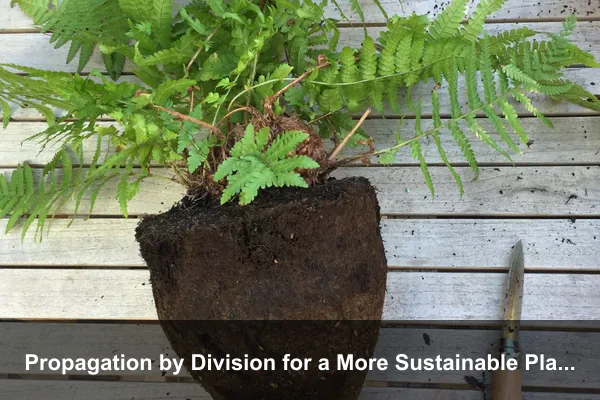
Boston Ferns are commonly propagated by division. This is one of the most practical ways to expand your plant collection without buying another plant. It also helps refresh an older fern that has become crowded, heavy, or difficult to water.
When to Divide a Boston Fern
The best time to divide is during active growth, often in spring or early warm-season conditions. The plant should be healthy, hydrated, and pest-free before division. Avoid dividing a fern that is already failing from drought, rot, or severe stress. Division is a controlled form of disturbance, so the plant needs enough strength to recover.
Simple Division Steps
- Water the fern lightly the day before division so the root ball is easier to handle.
- Remove the plant from its pot and gently loosen the outer roots.
- Identify natural sections with both roots and growing crowns.
- Separate sections by hand if possible, or use a clean sharp tool for dense root masses.
- Pot each division into a container with fresh, airy mix and drainage holes.
- Water thoroughly, drain well, and keep the new plants in bright indirect light.
- Expect some temporary shedding while the divisions adjust.
Why Division Fits a Low-Waste Mindset
Division turns one mature plant into multiple useful plants. You can keep one, gift one, or use divisions to replace a plant in another room without new nursery packaging. It also prevents the original fern from becoming so crowded that water runs around the root ball instead of soaking in. A divided fern may look smaller at first, but it often becomes easier to maintain.
Common Boston Fern Problems and What They Really Mean
A struggling fern is not always a mystery. Most Boston Fern problems come from inconsistent moisture, unsuitable light, poor drainage, dry air movement, or pests hiding in the dense crown. Reading the symptoms correctly saves time and prevents overcorrecting.
Brown Tips and Crispy Leaflets
Brown tips often point to dryness, fertilizer buildup, harsh sun, or dry drafts. Check the soil before assuming the plant needs misting. If the pot is drying too quickly, improve watering consistency or consider a slightly larger pot. If the soil stays wet while tips brown, root stress may be the issue.
Yellowing Fronds
Some yellowing is normal as older fronds age. Widespread yellowing can come from overwatering, poor drainage, low light, or a sudden environmental change. Remove fully yellow fronds at the base with clean scissors. Do not strip away every imperfect piece at once, because the plant still needs enough foliage to recover.
Leaflet Drop Around the Pot
Boston Ferns shed more than many houseplants. A small amount of litter is normal. Heavy shedding usually means the plant dried out, was moved to a harsher location, or is adjusting after purchase. Place the fern where cleanup is easy, such as above washable flooring or inside a wide catch tray.
Pests in Dense Growth
Spider mites, scale, and mealybugs can hide among fronds. Inspect regularly, especially after bringing a new plant home. Isolate suspicious plants before placing them near the rest of your collection. A strong rinse, careful pruning, and appropriate houseplant pest treatment can help, but repeated inspection is essential because dense fern foliage can shelter pests.
Safety, Myths, and Realistic Expectations
Boston Fern plant benefits and information should be honest. This plant can support a greener, calmer, more comfortable indoor environment, but it is not a medical treatment, not a replacement for ventilation, and not a guaranteed air purifier for a whole room. Realistic expectations make the plant more enjoyable.
Pet and Child Safety
Boston Fern is a popular choice for pet-aware homes because it is generally considered non-toxic. Still, keep it out of reach if pets chew plants, dig soil, or pull hanging baskets. Children should also be taught not to eat fronds or potting mix. The main safety risks are usually mess, choking on plant material, falling baskets, or stomach upset from chewing, rather than serious plant toxicity.
Air Quality Claims
Many people associate houseplants with cleaner air. Boston Ferns can contribute to a pleasant indoor setting, and plants are part of a healthy-feeling home for many people. However, a few houseplants cannot replace open windows, proper ventilation, air filtration when needed, and regular cleaning. Think of the fern as one part of a better home environment, not a single solution.
Misting Is Not a Complete Care Plan
Misting can briefly dampen fronds, but it does not solve dry soil, poor placement, or strong vent airflow. In some homes, frequent misting may even encourage spots or damp surfaces if airflow is poor. A better approach is consistent watering, suitable light, grouping plants when appropriate, and using a pebble tray or room humidifier only when conditions justify it.
Seasonal Boston Fern Care Calendar
Boston Fern care changes through the year. The plant may grow strongly in warm bright months and slow down in cooler darker periods. Adjusting care by season prevents many common problems.
Spring
Spring is a good time to inspect roots, trim winter damage, refresh the top layer of potting mix, and begin light feeding if new growth appears. This is also the best time for division if the plant is crowded. Increase watering gradually as growth speeds up.
Summer
During summer, check moisture frequently. Hanging baskets can dry quickly, especially near windows or outdoor shade. Protect the fern from direct hot sun. If placed outdoors, inspect for pests before bringing it back inside.
Autumn
Autumn is a transition period. Reduce fertilizer, monitor cooler nights, and move outdoor ferns inside before temperatures drop too far. Expect some shedding after relocation. Clean the plant, check the pot, and isolate it briefly from other houseplants.
Winter
Winter care focuses on stability. Growth may slow, so the plant needs less fertilizer and sometimes less water. Keep it away from heaters and cold windows. Bright indirect light becomes more important during shorter days. Remove dead fronds, but avoid aggressive repotting unless there is a drainage or rot problem.
Design Ideas That Keep the Plant Practical
Because this article focuses on a unique, low-waste angle, design should support care instead of making care harder. A Boston Fern that looks beautiful but cannot be watered, drained, or cleaned around will eventually become a problem.
Use Durable Displays
Choose washable baskets, strong hooks, stable stands, and saucers that are easy to empty. Natural fiber baskets look attractive, but they should be protected from constant dampness. A removable inner pot makes watering and cleaning much easier.
Keep Access in Mind
Do not hang the fern so high that checking soil becomes inconvenient. If you need a ladder every time you water, the plant is likely to suffer. Place it at a height where you can rotate it, prune old fronds, and inspect for pests without turning care into a chore.
Match Plant Size to the Room
A large Boston Fern can look impressive, but it also sheds more, weighs more when wet, and needs more frequent attention. In a compact apartment, two smaller divisions may be easier than one huge basket. This approach also gives you flexibility if one room has better light than another.
Conclusion: Is a Boston Fern Right for You?
Boston Fern plant benefits and information are most useful when they are practical. This fern offers soft green beauty, pet-friendlier indoor appeal, strong visual impact from a single pot, and the chance to grow more plants through division rather than constant buying. It is especially valuable for renters, apartment dwellers, and households that want a lush plant without a large floor footprint.
The main tradeoff is consistency. A Boston Fern is not the best plant for someone who wants to water once a month and forget about it. It prefers steady moisture, bright indirect light, good drainage, and regular observation. If you can provide those basics, it can become a long-lasting, low-waste part of your indoor plant collection. Treated with realistic expectations, the Boston Fern is more than a decorative fern. It is a useful, responsive houseplant that brings everyday plant benefits into the home in a simple and sustainable way.
