
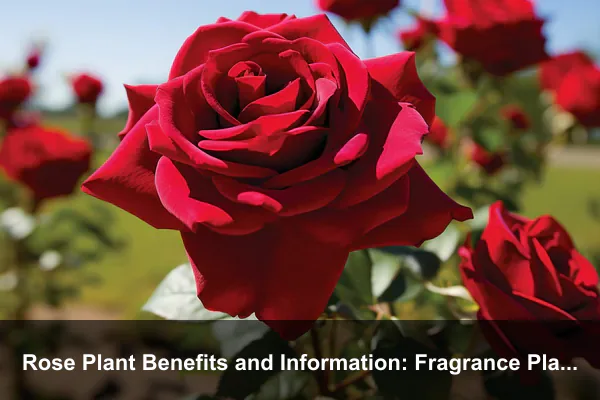
Rose plant benefits and information usually begin with beauty, but roses can offer far more than attractive flowers. A well-chosen rose plant can improve the feel of a garden path, add natural fragrance near a window, support simple outdoor routines, and turn a small corner into a place people notice every day. In the context of Manfaat Tanaman, roses are valuable because they combine ornamental charm with practical benefits that can be planned, observed, and enjoyed through the seasons.
This article takes a distinct fragrance-focused angle. Instead of repeating common discussions about edible petals, rose hips, privacy hedges, cut flowers, or heritage varieties, it explores how rose scent, petal quality, placement, and care habits can make a home garden more useful. You will learn what affects rose fragrance, how to choose and position scented roses, and how to maintain blooms so the plant delivers lasting value without complicated routines.
What Makes Roses Valuable Beyond Decoration
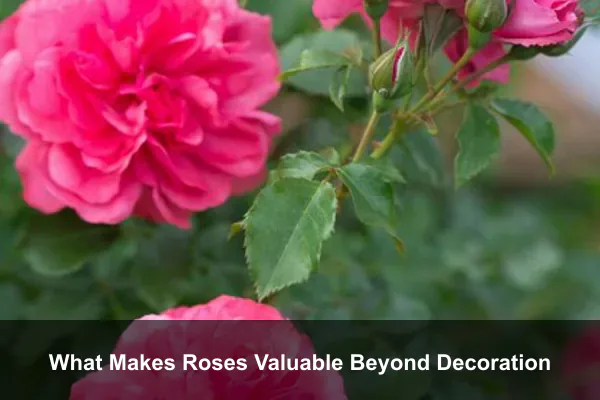
Roses are among the most recognized flowering plants in the world, yet their practical value is often underestimated. A rose plant is not only a source of color. It is also a living feature that changes with light, temperature, airflow, and season. That makes it useful for gardeners who want a plant that rewards daily observation.
The most unique benefit of a rose plant is the way it connects appearance with scent. Many flowering plants look beautiful from a distance, but a fragrant rose invites people to slow down and notice detail. The texture of petals, the shape of buds, and the intensity of fragrance can shift from morning to evening. This makes roses especially valuable near spaces where people walk, sit, open windows, or welcome guests.
Basic Rose Plant Information
Roses belong to the genus Rosa, a large group of woody flowering plants that includes shrubs, climbers, ramblers, groundcover roses, and compact patio types. Most roses prefer bright sun, fertile soil, good drainage, and steady moisture. Their flowers may be single, semi-double, or fully double, and their scent can range from light and fresh to rich, spicy, fruity, or classic damask-like.
When discussing rose plant benefits and information, it is important to remember that not every rose behaves the same way. Some roses are bred mainly for flower shape, some for disease resistance, some for repeat blooming, and some for strong fragrance. A garden that prioritizes scent should start with the right variety instead of expecting every rose to perfume the air equally.
The Fragrance Angle
Fragrance is not just a pleasant extra. It influences where a rose should be planted, how often people interact with it, and how useful the plant feels in daily life. A lightly scented rose at the back of a large border may be visually attractive but barely noticed. A strongly scented rose near a doorway, bench, laundry area, or kitchen window can become part of a daily routine.
Fragrance Benefits of Rose Plants at Home
A scented rose can change how a garden is experienced. Its benefit is not limited to perfume in the air. Fragrance can mark an entrance, soften a workday transition, add character to a small patio, and make outdoor maintenance feel more rewarding. These benefits are practical because they influence how often people use and appreciate their outdoor space.
A Natural Sense of Welcome
Fragrant roses are especially useful near gates, front paths, and seating areas. When placed where people naturally pass, the scent becomes part of the home environment. Unlike artificial fragrance products, a rose plant releases scent gradually and seasonally. The result is subtle, changing, and connected to the garden rather than imposed on the space.
For people who enjoy low-waste living, this is one reason roses remain relevant. A healthy rose plant can provide repeated fragrance from living blooms without single-use packaging or constant replacement. The plant also contributes structure, greenery, and seasonal interest even when it is not at peak bloom.
Atmosphere Without Overstated Claims
Rose scent is often associated with calm, romance, care, and memory. It is reasonable to say that a fragrant rose garden may help create a more pleasant atmosphere. However, it should not be treated as a cure for stress, anxiety, sleep problems, or medical conditions. The real benefit is simpler and more reliable: roses can make a space feel more inviting, personal, and enjoyable.
Helpful fragrance uses include:
- Entrance planting: placing scented roses near a front path or gate for a natural welcome.
- Window fragrance: growing roses near a window that is opened in the morning or evening.
- Rest corners: adding one fragrant rose near a bench, reading seat, or tea table.
- Routine gardening: using bloom checks as a simple habit for observing plant health.
- Guest areas: choosing fragrant varieties near patios where visitors gather.
Why Scent Changes During the Day
Many roses smell strongest in the morning after the plant has rested overnight and before heat dries the petals. Warm air can lift fragrance, but intense midday sun may reduce scent quickly. Humidity, wind, soil moisture, and plant stress can also affect how noticeable the aroma becomes. This is why rose plant benefits and information should include placement and timing, not only variety names.
Choosing Roses for Stronger Natural Aroma
If fragrance is the main goal, selection matters. Some modern roses have excellent color and long vase life but only mild scent. Others may have fewer petals or a less formal shape but a richer aroma. The best choice depends on the gardener’s space, climate, care level, and personal preference.
Fragrance Families in Roses
Rose scent is often described in families. These descriptions are not exact science for home gardeners, but they help when comparing plants at a nursery or reading variety descriptions. A classic rose fragrance may feel deep and floral. A fruity rose may suggest citrus, berry, apple, or peach. A spicy rose can feel warmer and more complex. Some roses have a tea-like scent that is softer and fresher.
When buying, avoid choosing by color alone. If possible, smell open blooms at different times of day. Ask whether the plant is known for fragrance, repeat flowering, and local performance. A rose that smells wonderful in one climate may be weaker in another if it struggles with heat, humidity, poor soil, or disease pressure.
Compact, Shrub, and Climbing Options
Different rose forms serve different fragrance goals. Compact roses can work near patios, balconies, and small beds, but not all compact types are strongly scented. Shrub roses are often useful for mixed borders because they provide both flowers and leafy structure. Climbing roses are excellent for scent near arches, pergolas, fences, or walls, especially when their flowers are trained close to nose level rather than far overhead.
For a scent-focused garden, consider these selection points:
- Flower height: choose plants that bloom where people can easily smell them.
- Repeat bloom: select roses that flower more than once if you want fragrance across a longer season.
- Local disease resistance: healthy foliage supports better flowering and less frustration.
- Petal durability: choose varieties that hold petals well in your weather.
- Growth habit: match the mature size to the planting space to avoid constant hard pruning.
Color and Scent Balance
Darker red, pink, mauve, and some apricot roses are often associated with noticeable fragrance, but color alone is not a guarantee. Some pale roses are strongly scented, while some dramatic dark roses are mild. The better approach is to treat fragrance as a named feature. Look for variety descriptions that specifically mention strong scent, old rose fragrance, fruity notes, or award recognition for aroma.
Planting for Better Scent, Petal Quality, and Access
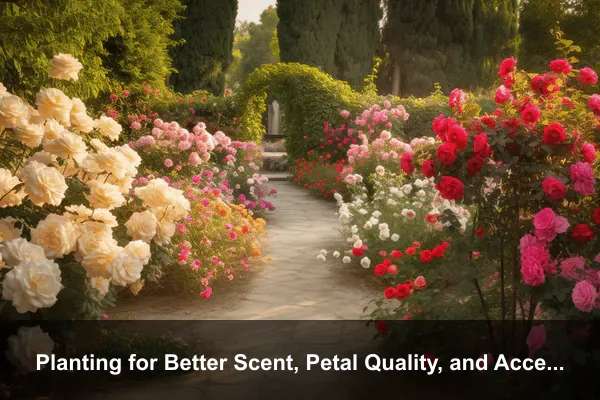
Even a fragrant rose can disappoint if planted in the wrong place. Roses need enough sun to build energy for flowers, enough airflow to reduce leaf problems, and enough access for pruning, watering, and bloom checks. Good planting is one of the most overlooked parts of rose plant benefits and information because it determines whether the plant becomes a joy or a chore.
Light and Airflow
Most roses perform best with at least six hours of direct sun per day. Morning sun is especially valuable because it helps dry dew from leaves, reducing conditions that favor fungal problems. In very hot climates, some afternoon shade can protect petals from scorching and help fragrance last longer.
Airflow matters too. A rose squeezed tightly between walls, dense shrubs, or cluttered pots may stay damp after rain. That can increase disease pressure and reduce flower quality. Give each plant enough space for its mature width, not just its nursery-pot size. Good spacing also makes the plant easier to inspect and maintain.
Soil Preparation for Stronger Blooms
Roses prefer soil that holds moisture but drains well. Heavy clay can be improved with compost and careful bed preparation, while sandy soil may need organic matter to hold nutrients and water. Avoid planting in a low spot where water collects around the roots for long periods. Constantly wet roots weaken the plant and can reduce flowering.
A practical soil routine includes:
- Loosen the planting area wider than the root ball so new roots can spread.
- Mix in mature compost instead of relying only on quick fertilizer.
- Water deeply after planting to settle soil around the roots.
- Add mulch while keeping it slightly away from the main stem.
- Check moisture below the surface before watering again.
Place Roses Where Their Benefits Are Used
A fragrant rose planted in a forgotten corner provides less daily value than one placed beside a walkway. Think of roses as living features, not just plants to fill empty ground. Put the most fragrant roses where people can experience them: near a porch step, outdoor table, garden gate, or laundry line. This simple design choice turns fragrance into a real household benefit.
Daily Rose Care That Preserves Fragrance
Good rose care is not about doing complicated tasks every day. It is about consistent habits that prevent stress. A stressed rose may still survive, but its flowers can become smaller, fewer, or less fragrant. Healthy leaves, balanced water, and sensible pruning all support better blooms.
Watering for Root Health
Deep watering is usually better than frequent shallow watering. Shallow watering encourages roots to stay near the surface, where soil dries quickly. Deep watering encourages a stronger root system that can support better flower production. Water at the base of the plant rather than over the leaves when possible, especially in humid weather.
Mulch helps reduce water loss and keeps soil temperatures more stable. Organic mulches such as shredded leaves, composted bark, or straw-like materials can also improve soil gradually as they break down. Keep mulch from touching the crown or main stems, because constant dampness against stems may invite problems.
Feeding Without Forcing Weak Growth
Roses are productive flowering plants, so they benefit from nutrients. However, overfeeding can push soft, leafy growth that attracts pests and performs poorly in heat or rain. A balanced rose fertilizer or compost-based feeding schedule is usually more useful than heavy nitrogen. Follow local timing recommendations, because feeding too late in the season can encourage tender growth when the plant should be slowing down.
Pruning for Air, Shape, and Flower Renewal
Pruning helps remove dead, crossing, weak, or crowded stems. It also improves airflow and directs energy toward stronger growth. The exact pruning method depends on the rose type, but the goal is the same: keep the plant open enough to breathe and shaped enough to flower where you can enjoy it.
For many repeat-blooming roses, removing spent flowers encourages the plant to produce more blooms. This is often called deadheading. Use clean, sharp tools, and make cuts above healthy outward-facing growth. Avoid stripping the plant of too much foliage, because leaves are the energy source for future flowers.
Low-Chemical Habits That Support Scent
A fragrance-focused rose garden should avoid unnecessary chemical use. Strong sprays can disrupt the pleasant experience of smelling flowers and may affect helpful insects if used carelessly. Start with prevention: right plant, right spacing, morning sun, clean tools, and regular observation. If a problem appears, identify it before treating it. Not every spotted leaf or chewed petal requires a strong response.
Practical Non-Food Uses for Fragrant Rose Petals
Because many existing discussions about roses focus on edible petals or rose hips, this guide keeps the focus on non-food uses. Fragrant rose petals can still be useful at home without entering the kitchen. The key is to use clean, unsprayed blooms and to keep expectations realistic. Dried petals will not smell exactly like fresh flowers, but they can add gentle beauty and a soft natural aroma.
Simple Home Fragrance Ideas
Fresh rose petals can be placed in a shallow bowl for short-term fragrance during a meal, bath, or gathering. Dried petals can be used in sachets for drawers, craft projects, or decorative bowls. These uses are especially suitable when blooms are past their best garden display but still clean and attractive.
Practical ideas include:
- Scent bowls: place fresh petals in a small bowl for a temporary natural fragrance.
- Dry sachets: dry petals fully before placing them in breathable fabric pouches.
- Gift wrapping: add a few dried petals to handmade paper, tags, or simple packages.
- Bath decor: use clean petals for visual beauty, while avoiding irritated or sensitive skin.
- Compost return: compost old petals so plant material returns to the garden cycle.
How to Dry Petals Well
Harvest petals on a dry morning after dew has evaporated. Choose flowers that are open and fragrant but not already browning. Spread petals in a single layer in a shaded, airy place. Avoid thick piles, because trapped moisture can cause mold. Once fully dry, store petals in a clean jar or breathable pouch away from direct light.
Do not use petals from roses that have been sprayed with products not intended for human contact. Even for non-food uses, clean growing practices matter. This is part of responsible rose plant benefits and information: a beautiful plant is most useful when it is grown with safe handling in mind.
Safety, Thorns, and Household Fit
Roses are generally familiar garden plants, but they still need thoughtful placement. Many roses have thorns, and some have stiff stems that can scratch skin or catch clothing. This does not make roses unsuitable for home gardens. It simply means they should be placed with movement, children, pets, and maintenance access in mind.
Thorn-Smart Placement
Avoid planting thorny roses right against narrow paths where people brush past them. If you want roses near a walkway, allow enough clearance or choose a variety with a more manageable growth habit. For climbing roses, tie stems securely to supports so canes do not swing into paths during wind or after rain.
Wear gloves when pruning or cleaning around roses. Long sleeves are helpful when working with established shrubs or climbers. Dispose of thorny prunings carefully instead of leaving them where people kneel, step, or collect garden waste.
Pets, Children, and Sensitive Users
Rose petals are often viewed as gentle, but garden safety depends on more than the flower. Thorns can injure curious children or pets, and fertilizers or sprays can create avoidable risks. Store garden products securely, label homemade mixtures, and keep freshly treated plants away from frequent contact until they are safe according to product instructions.
People who are sensitive to fragrance may prefer lightly scented roses away from windows and seating areas. A strong rose scent is a benefit for some households and too much for others. Good garden planning respects the people who actually use the space.
Common Problems That Reduce Rose Fragrance and Flower Quality
When roses fail to deliver strong scent or attractive blooms, the cause is often environmental. The plant may be healthy enough to survive but not comfortable enough to perform well. Before replacing it, check the basics.
Too Little Sun
Insufficient light is one of the most common reasons roses produce fewer flowers. A rose in shade may stretch, bloom weakly, or become more disease-prone. If a nearby tree or structure now blocks light, pruning surrounding plants or moving the rose may help.
Heat and Dry Soil
Extreme heat can shorten bloom life and reduce fragrance. Dry soil adds more stress. Mulch, deep watering, and afternoon shade in very hot areas can help petals last longer. Avoid overhead watering in the hottest part of the day, because wet petals can spot or scorch depending on conditions.
Poor Airflow and Leaf Disease
Fungal leaf problems can weaken the plant over time. Remove fallen diseased leaves, improve spacing, water at soil level, and prune crowded growth. Choose locally reliable varieties when replacing struggling roses. Healthy foliage is one of the foundations of repeat blooming.
Over-Pruning or Wrong Timing
Pruning at the wrong time can remove flower buds, especially on roses that bloom mainly on older wood. Learn the basic type of rose you have before making major cuts. Light cleanup is usually safer than severe pruning when you are unsure.
A First-Season Plan for Scent-Focused Roses
If you are new to roses, start with one or two plants instead of building a large rose bed immediately. This helps you learn your local light, soil, pest pressure, and watering rhythm. A smaller start also makes it easier to notice which rose plant benefits matter most in your home.
- Choose the location first: pick a sunny spot where fragrance will actually be noticed.
- Buy for scent and health: read variety notes and ask local growers about performance.
- Prepare soil well: improve the planting area before the rose goes in.
- Water deeply: build root strength with consistent moisture, not constant sprinkling.
- Observe weekly: check leaves, buds, soil moisture, and scent changes.
- Deadhead carefully: remove spent blooms on repeat bloomers to encourage more flowers.
- Record results: note when fragrance is strongest and which care habits help.
What to Track in a Rose Journal
A simple rose journal can improve future decisions. Record bloom dates, scent strength, weather, watering, feeding, pest issues, and pruning times. Over one season, patterns become clearer. You may discover that your rose smells strongest after cool nights, fades quickly in dry wind, or blooms best after a specific feeding schedule.
This kind of observation turns rose care into practical knowledge. It also supports better buying choices. Instead of choosing the next plant only by a label photo, you can select based on what your garden actually needs.
Conclusion
Rose plant benefits and information can be much richer than a simple list of pretty flowers and basic care tips. When viewed through a fragrance-focused lens, roses become useful living features that shape entrances, patios, windows, and daily garden routines. Their scent, petal quality, bloom timing, and placement all affect how much value they bring to a home.
For the best results, choose roses known for fragrance, plant them where people can enjoy them, support them with sun and healthy soil, and maintain them with steady, sensible care. A rose does not need to be complicated to be meaningful. With the right planning, it can offer natural aroma, seasonal beauty, and practical garden value year after year.
