
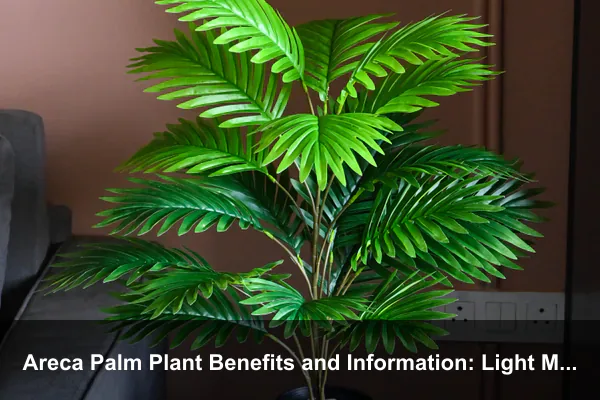
Areca Palm plant benefits and information are often discussed through the usual lens of tropical decor, humidity, and easy indoor beauty. This guide takes a different angle: how to use an Areca Palm as a long-lasting indoor canopy plant by matching it to real light conditions, reducing waste, and reading its fronds as practical signals. That makes the plant more than a pretty corner filler. It becomes a living part of a healthier, more thoughtful home routine.
The Areca Palm, also known as Dypsis lutescens, butterfly palm, or golden cane palm, is loved for its soft arching fronds and bright green texture. In the right home, it can soften hard interiors, add visual height, support a calmer atmosphere, and make a room feel fresher without relying on complicated care. The key is not treating it like a disposable decorative plant. With good placement, measured watering, and simple maintenance, an Areca Palm can stay attractive for years.
Areca Palm Benefits for a Sustainable Indoor Canopy
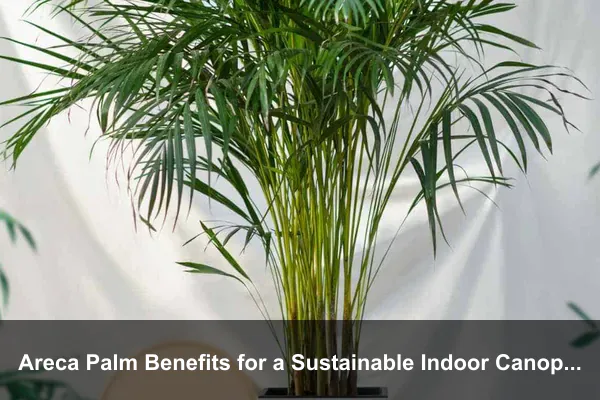
The most useful Areca Palm benefits begin with structure. Unlike small tabletop houseplants, this palm creates a vertical canopy that fills empty air space without looking heavy. Its many narrow leaflets filter the view, soften bright windows, and add movement when air circulates through the room. This makes it valuable in apartments, offices, reading corners, and open-plan interiors where a single plant needs to do more than sit on a shelf.
A Softer Indoor Atmosphere
Areca Palm plant benefits include a strong visual calming effect. The plant has fine, repeated leaf patterns rather than large dramatic leaves, so it feels light and restful. In practical terms, that means it can make a room feel greener without visually crowding the space. It works especially well beside simple furniture, pale walls, wood floors, rattan pieces, stone textures, or neutral curtains.
Like many leafy houseplants, Areca Palm may also help people feel more connected to nature indoors. This is not a substitute for ventilation, cleaning, or proper indoor air management, but it can support a more comfortable living environment. The benefit is strongest when the plant is healthy, clean, and placed where people actually spend time.
Useful Leaf Surface and Gentle Moisture Release
Areca Palm leaves provide many fine surfaces that can catch ordinary household dust. This is useful only if the leaves are cleaned regularly. A dusty plant does not look fresh and cannot perform well. Wiping or rinsing the fronds occasionally keeps the plant more attractive and prevents buildup that can interfere with light absorption.
The plant also releases moisture through transpiration when it is actively growing and properly watered. This can make the surrounding area feel less dry, especially in bright rooms. However, it should not be promoted as a replacement for a humidifier in very dry homes. Think of it as a small comfort contributor rather than a machine-like solution.
High Impact Without Many Plants
A single full Areca Palm can provide the visual value of several smaller plants. This matters for low-waste indoor gardening because every extra pot means more soil, more plastic, more water, and more maintenance. When you choose one healthy palm and care for it well, you can create a green focal point without overfilling the room.
Essential Areca Palm Plant Information
Understanding basic Areca Palm information helps prevent the most common care mistakes. This plant is a clustering palm with multiple cane-like stems that grow from the base. Its fronds arch outward in a feathered pattern, creating a soft fountain shape. Indoors, it usually grows more slowly than it would outdoors in a tropical climate, but it can still become a substantial floor plant with time.
Botanical Identity and Common Names
The Areca Palm is commonly sold under several names, including golden cane palm, butterfly palm, bamboo palm in some retail settings, and areca. The botanical name most often used is Dypsis lutescens. These names matter because plant labels can be confusing. When buying, look for the familiar clumping habit, yellow-green stems, and fine feather-like fronds.
Indoor Size and Growth Habit
In homes, Areca Palm commonly stays between medium and tall floor-plant size, depending on pot size, light, age, and care. It does not usually become a massive indoor tree quickly, but it can widen as new stems and fronds develop. This spreading habit is part of its beauty, but it means the plant needs room around it. A cramped corner can bend fronds, cause uneven light exposure, and make cleaning harder.
Best Indoor Conditions at a Glance
- Light: Bright indirect light is best, with gentle morning sun tolerated in many homes.
- Water: Keep the soil lightly moist, then let the upper layer dry before watering again.
- Soil: Use a loose, well-draining potting mix that holds some moisture without staying soggy.
- Pot: Choose a stable container with drainage holes and enough weight to support tall fronds.
- Temperature: Normal warm indoor temperatures are suitable; protect it from cold drafts.
- Maintenance: Remove fully brown fronds, clean dust, and watch for spider mites in dry conditions.
Light Mapping Before You Choose a Spot

A unique and practical way to approach Areca Palm care is to map the light before choosing the final position. Many people buy a large palm first, place it in the darkest empty corner, and then wonder why the fronds yellow or thin out. Areca Palm benefits are strongest when the plant receives enough light to maintain dense, fresh growth.
How to Read Indoor Light
Stand in the room at different times of day and observe where the light falls. Bright indirect light usually means the room is clearly lit for several hours, but harsh direct sun is filtered through a sheer curtain, nearby wall, or distance from the window. If you can comfortably read without turning on a lamp during the day, the spot may be bright enough. If the corner looks dim even at midday, it is probably too dark for a long-term Areca Palm.
East-facing windows are often useful because they provide gentle morning sun. South- and west-facing rooms can work well if the palm is set back from intense afternoon rays or protected by a curtain. North-facing rooms may be acceptable only if they are very bright and unobstructed.
A Simple Three-Day Light Test
- Day one: Check the chosen spot in the morning and note whether the plant would receive direct sun, filtered sun, or shade.
- Day two: Check around midday and see whether the room remains bright without artificial lighting.
- Day three: Check late afternoon, especially near west-facing windows where sun can become too hot.
If the spot stays bright but not scorching, it is a strong candidate. If light reaches only one side, rotate the plant every few weeks so the canopy grows evenly. Rotation is especially important for large palms because uneven growth can make the plant lean toward the window.
Signs the Light Is Wrong
Too little light often shows up as slow growth, stretched fronds, dull color, and gradual yellowing. Too much direct sun can create dry, pale, scorched patches. The best response is usually placement correction, not fertilizer. Feeding a plant that is sitting in poor light rarely solves the real problem.
Low-Waste Care Routine That Keeps Fronds Attractive
The best Areca Palm plant benefits come from consistency. This palm does not need complicated tricks, but it dislikes extremes. A low-waste routine means watering accurately, avoiding unnecessary repotting, reusing resources where sensible, and maintaining the plant before problems become severe.
Water With Observation, Not a Calendar
Watering once a week may work in one home and fail in another. Pot size, soil mix, light, season, indoor temperature, and airflow all change how fast the soil dries. The better habit is to check the soil. When the top layer feels dry but the mix below is still slightly moist, water thoroughly until excess drains away. Empty the saucer so the roots do not sit in standing water.
Brown tips are often blamed on underwatering, but they can also come from dry air, salt buildup, inconsistent watering, or damaged roots. Yellowing lower fronds can be natural aging, but widespread yellowing may suggest overwatering or poor drainage. Before adding more water, check the pot and soil carefully.
Choose Soil That Balances Moisture and Air
Areca Palm roots need oxygen as much as moisture. A dense mix that remains wet for too long can lead to root stress. A practical blend is high-quality indoor potting mix improved with drainage materials such as perlite, pumice, fine bark, or coco chips. The goal is a mix that holds enough moisture for steady growth but does not collapse into a heavy, airless mass.
Repot Only When It Helps
Repotting too often creates waste and can stress the plant. Areca Palm generally benefits from repotting when roots are circling heavily, water runs through too fast, the plant becomes unstable, or the soil has degraded. Choose a pot only one size larger than the current one. A much larger pot can hold excess wet soil around the roots.
When repotting, keep healthy old mix around the root ball if it is not sour or compacted. Replace only what needs replacing. This reduces shock and avoids wasting usable material.
Feed Lightly During Active Growth
Use a balanced houseplant fertilizer at a diluted rate during the growing season. More fertilizer does not mean more benefits. Excess salts can contribute to crispy leaf tips and root stress. If your tap water is hard or your fertilizer routine has been heavy, occasionally flush the soil with clean water and allow it to drain fully.
Clean and Prune With Purpose
Remove fronds only when they are fully brown or clearly damaged. Green fronds still help the plant produce energy. Trimming every small brown tip can make the plant look neater temporarily, but repeated cosmetic cutting may create a ragged appearance. When trimming is needed, use clean scissors and follow the natural leaf shape.
For dust, use a soft damp cloth or give the plant a gentle shower if the pot is manageable. Clean leaves look brighter, reduce pest hiding places, and help the palm use available light more efficiently.
Problem Signals and Practical Fixes
Areca Palm care becomes easier when you treat symptoms as information. The plant usually shows stress gradually, giving you time to adjust conditions. The table below summarizes common signals and likely causes.
| Signal | Likely Cause | Practical Response |
| Brown tips | Dry air, inconsistent watering, salt buildup, or old damage | Check soil moisture, flush excess salts, improve consistency, and trim only dead tissue |
| Yellow fronds | Natural aging, overwatering, low light, or poor drainage | Inspect roots and soil, improve light, and avoid watering until the top layer dries |
| Pale scorched patches | Too much direct sun | Move the plant back from the window or add a sheer curtain |
| Fine webbing or speckled leaves | Possible spider mites | Rinse leaves, increase monitoring, isolate if needed, and use appropriate plant-safe treatment |
| Leaning canopy | One-sided light or unstable pot | Rotate regularly and use a heavier pot or support basket |
Brown Tips Are Not Always Failure
Brown tips are common on indoor palms. They do not always mean the plant is dying. The important question is whether the problem is spreading. A few dry tips on older fronds are mostly cosmetic. Rapid browning across many fronds deserves closer attention to watering, humidity, fertilizer, and root health.
Pest Prevention for Dense Foliage
Areca Palm has many leaflets, so pests can hide if the plant is ignored. Spider mites are more likely in dry, warm rooms with dusty foliage. Regular rinsing, good airflow, and quick isolation of affected plants can prevent small problems from becoming major infestations. Check the undersides of fronds, not just the visible outer leaves.
Styling Ideas That Add Function, Not Clutter
Because many existing discussions focus on tropical decoration, it is useful to think more functionally. An Areca Palm can shape how a room works. It can soften glare, create a reading nook, frame a desk, or make a plain hallway feel intentional. The best placement is attractive and practical at the same time.
Use It as a Light Filter
Place the palm near a bright window where its fronds can visually soften sunlight without blocking the entire view. This is especially effective in rooms with hard lines, glossy surfaces, or strong afternoon brightness. Avoid pressing the plant directly against the glass, where leaves may scorch or chill depending on the season.
Create a Green Transition Zone
In open-plan living spaces, an Areca Palm can mark a transition between work and rest areas. Instead of using bulky partitions, the feathery canopy gives a partial visual boundary while keeping the room open. This works well beside desks, lounge chairs, and dining corners.
Match the Pot to the Plant’s Role
A tall palm needs a pot that looks balanced. For calm interiors, choose matte ceramic, textured clay, woven baskets with an inner liner, or simple neutral planters. Make sure drainage still works. A beautiful pot without drainage can cause long-term root problems unless the nursery pot is removed for watering and allowed to drain fully.
Safety, Sustainability, and Buying Notes
Areca Palm is commonly considered a pet-friendly houseplant, and it is often chosen for homes with cats or dogs. Even so, it is wise to prevent chewing. Any plant material can cause stomach upset if eaten in quantity, and damaged fronds reduce the plant’s appearance. Place the palm where pets are less likely to treat the leaves as a toy.
Choose a Healthy Plant From the Start
When buying an Areca Palm, inspect the stems, soil, and leaf undersides. A good plant should have firm canes, fresh green fronds, and no sticky residue, webbing, or strong sour smell from the soil. Avoid plants with many collapsed stems or severe browning across the whole canopy. A few imperfect older tips are normal, but widespread decline can be difficult to reverse.
Make the Purchase Count
The most sustainable plant is often the one you keep alive. Before buying, measure the spot, check the light, and make sure you can lift or access the pot for watering. If the plant is too large for your routine, choose a smaller specimen and let it grow into the space. This reduces plant loss and prevents the cycle of replacing stressed palms every few months.
Responsible Disposal and Renewal
Old potting mix can sometimes be reused outdoors in non-edible ornamental beds if it is not diseased or pest-infested. Healthy trimmed fronds can be composted where local systems allow. Plastic nursery pots can often be reused for propagation, seed starting, or plant divisions. These small choices turn Areca Palm care into a lower-waste habit rather than a purely decorative purchase.
Conclusion
Areca Palm plant benefits and information become much more useful when the plant is seen as a long-term indoor canopy rather than a short-term decoration. Its main strengths are soft visual texture, bright green presence, gentle screening, dust-catching leaf surface, and the ability to make a room feel more connected to living nature. Those benefits depend on healthy growth, and healthy growth depends on light, drainage, consistent watering, and simple observation.
For the best results, start with a bright indirect location, use a breathable potting mix, water by checking the soil rather than following a rigid calendar, and clean the fronds often enough to keep the canopy fresh. With that approach, the Areca Palm becomes a practical and beautiful houseplant for bright homes, offices, and calm indoor spaces. It offers the lasting value people want from indoor plants: beauty, comfort, and a greener daily routine without unnecessary complexity.
