
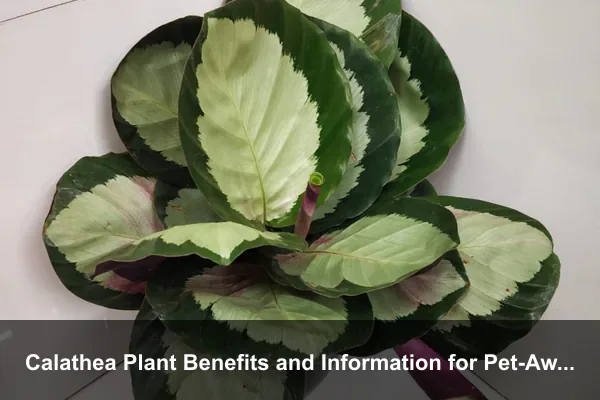
Calathea plant benefits and information often get reduced to one simple idea: beautiful leaves. That is true, but it is only the beginning. A well-chosen Calathea can bring color, movement, softness, and a more observant indoor routine into a home without relying on strong fragrance, showy flowers, or a large floor footprint. For people who want the benefits of plants in everyday rooms, especially shared spaces with pets or children, Calathea offers a distinctive kind of value.
This guide looks at Calathea from a practical and unique angle: patterned, pet-aware indoor greenery. Instead of treating the plant as a difficult collector item, it explains how Calathea works in real homes, what benefits are realistic, what information matters before buying one, and how to keep the foliage looking clean, colorful, and calm. Calathea is not a medicine, air purifier, or edible herb, but it can be a meaningful ornamental plant when its needs match the room.
Why Calathea Stands Out Among Indoor Plants

Calathea is best known for leaves that look painted, striped, feathered, or brushed by hand. Many plants sold as Calathea now belong botanically to the genus Goeppertia, but the name Calathea remains common in nurseries, plant shops, and home care guides. These plants are part of the Marantaceae family, the same wider group associated with prayer plants and leaf movement.
The most important Calathea plant information for beginners is that this is a foliage plant first. Its value comes from the surface, shape, and daily behavior of its leaves rather than from dramatic flowers. That makes it useful for homes where people want plant beauty without pollen-heavy blooms, strong scent, thorny stems, or messy petals dropping onto furniture.
A Plant Chosen for Pattern, Not Size
Some houseplants become statement pieces because they grow tall or trail across shelves. Calathea is different. It usually stays compact to medium-sized, so it works well on plant stands, side tables, shelves, and low cabinets. The benefit is visual richness in a controlled space. One healthy Calathea can add the effect of botanical art without requiring a large corner, climbing pole, or hanging system.
Living Foliage With Subtle Motion
Calathea leaves may shift position between day and night as light changes. This motion is not something to force or overinterpret, but it does make the plant feel more alive than static decor. For plant lovers, this gentle change encourages observation: noticing light direction, leaf posture, soil moisture, and room comfort. In the broader idea of plant benefits, this is one of Calathea’s quiet strengths.
Pet-Aware Benefits in Real Homes

One reason Calathea is popular in modern indoor planting is its reputation as a pet-friendlier decorative option than many common houseplants. Many Calathea and Goeppertia types are generally regarded as non-toxic to cats and dogs, which can make them a better choice for households that avoid more irritating ornamentals. However, non-toxic does not mean edible. Pets can still vomit or develop stomach upset after chewing leaves, soil, or potting material.
For a pet-aware home, the benefit of Calathea is not permission to let animals browse freely. The benefit is a wider safety margin when compared with plants that are known to cause more serious irritation. The best practice is to place the pot where pets are unlikely to dig, nibble, or knock it over, and to confirm the exact plant identity if a pet has a habit of chewing greenery.
Why Texture and Placement Matter
Calathea leaves are soft, broad, and visually tempting. Cats may paw at moving leaves, and dogs may investigate low pots. Choose a heavy container, stable saucer, and raised location if pets roam the room. A narrow plant stand with a wide base or a shelf away from jumping routes can protect both the plant and the animal.
Cleaner Decoration Without Strong Scent
Calathea is useful when a household wants a plant that feels decorative but not fragrant. It does not fill a room with aroma the way herbs or cut flowers can. This matters for people who prefer neutral-smelling interiors, shared apartments, work areas, or sleeping spaces where strong scents can feel intrusive. The plant brings visual interest while staying quiet in the background.
Key Calathea Plant Benefits and Information for Indoor Wellness
The realistic benefits of Calathea are mostly environmental, emotional, and design-related. It should not be marketed as a cure for stress, a guaranteed air cleaner, or a substitute for ventilation. Still, indoor plants can improve how a space feels and how people interact with it, and Calathea is especially good at creating a sense of attention and softness.
- Visual comfort: Patterned leaves add color and texture without needing flowers or seasonal bloom cycles.
- Low-fragrance greenery: Calathea supports plant-filled rooms for people who prefer scent-free decor.
- Pet-aware styling: It is often chosen by households avoiding highly toxic ornamental plants, while still requiring sensible placement.
- Observation habits: Leaf signals help owners notice light, water, humidity, and routine changes.
- Compact beauty: Many varieties deliver strong decorative value in small or medium containers.
In the context of manfaat tanaman, or plant benefits, Calathea is best understood as a supportive houseplant. Its value is not in eating it, brewing it, or extracting medicine from it. Its value is in making indoor life feel more connected to natural patterns while teaching careful, non-rushed plant care.
Choosing a Calathea That Matches Your Home
Before buying a Calathea, look beyond the most dramatic leaf pattern. A plant can be beautiful in the shop but unsuitable for your room if the light is too harsh, the air is extremely dry, or your schedule makes consistent care difficult. The right Calathea is the one that fits your space and habits.
Look for Healthy Leaves and Balanced Growth
Choose a plant with firm stems, evenly colored leaves, and new growth emerging from the base. A few small brown tips are common and not always a problem, but widespread yellowing, limp stems, sticky residue, webbing, or black patches can signal pests, root issues, or stress. Check the underside of leaves, because patterned foliage can hide early problems.
Pick the Right Size First
Compact Calathea types are easier to place away from pets and drafts. A small plant on a stable stand may be more successful than a large, dramatic specimen placed in a busy hallway. If your home is dry or air-conditioned, starting with a modest plant also reduces the risk of losing a costly specimen while you learn its preferences.
Ask About the Growing Medium
Some nursery plants arrive in dense, water-holding soil. That can work in a greenhouse but stay too wet indoors. If the pot feels heavy for many days after watering or the surface smells sour, the plant may need a better-draining mix after it acclimates. Do not repot immediately unless the roots are clearly suffering; give the plant time to adjust first.
Care Guide for Strong, Patterned Foliage
Calathea care is not about doing more. It is about doing the right things consistently. Most problems come from extremes: direct sun, bone-dry soil, soggy roots, cold drafts, or very dry air. A stable routine keeps the patterned leaves clearer and reduces crispy edges.
Light: Bright but Filtered
Calathea prefers bright, indirect light. Place it near an east-facing window, a bright room with sheer curtains, or a spot several feet away from strong afternoon sun. Direct sun can fade markings and scorch leaves. Too little light may slow growth and make new leaves smaller or weaker. If the pattern looks dull and the plant leans heavily, adjust the position gradually.
Water: Even Moisture, Not Constant Wetness
Water when the top layer of the potting mix begins to dry, but before the entire root ball becomes hard and dusty. The goal is lightly moist soil with oxygen around the roots. Use a pot with drainage holes, empty the saucer after watering, and avoid letting the pot sit in standing water. If your tap water is very hard or heavily treated, filtered water or rainwater may reduce leaf tip browning for sensitive plants.
Humidity and Air Movement
Calathea appreciates moderate to higher humidity, but it also needs fresh air movement. A humid room with stagnant air can encourage fungal problems, while dry air can crisp the leaf margins. Grouping plants, using a pebble tray correctly, or running a humidifier nearby can help. Keep leaves away from heaters, air-conditioner blasts, and cold windows.
Soil, Potting, and Feeding
A good Calathea mix should hold some moisture while draining well. A blend for tropical houseplants with added perlite, fine bark, or coco coir often works better than heavy garden soil. Feed lightly during active growth with a balanced houseplant fertilizer at reduced strength. Too much fertilizer can create salt buildup and brown tips, so gentle feeding is better than aggressive feeding.
- Check light before changing water habits.
- Check soil moisture before adding more humidity.
- Check roots before assuming the plant needs fertilizer.
- Change one condition at a time so you can read the plant’s response.
Troubleshooting Calathea Leaf Problems
Calathea leaves communicate quickly, which is helpful but can also make owners nervous. A curled or marked leaf is not always a crisis. Read symptoms in context and look for patterns across the whole plant.
Brown Tips
Brown tips are among the most common Calathea issues. They may come from dry air, irregular watering, mineral-heavy water, fertilizer buildup, or old leaf aging. Trim only the dead brown edge with clean scissors if it bothers you. Then improve consistency rather than cutting heavily into healthy tissue.
Curling Leaves
Leaves may curl when the plant is thirsty, chilled, exposed to harsh light, or adjusting to a new room. Feel the soil before watering. If the mix is dry, water thoroughly and let it drain. If the soil is wet but leaves are curling, check for cold air, root stress, or poor drainage.
Yellow Leaves
One older yellow leaf is normal as the plant renews itself. Several yellow leaves at once can point to overwatering, compacted soil, low light, or root problems. Remove fully yellow leaves at the base and inspect the potting mix. A plant that stays wet too long needs more air around its roots, not more fertilizer.
Faded Pattern
Faded leaves often mean the plant is receiving too much direct sun or not enough balanced light for strong new growth. Move it to filtered brightness and wait for new leaves to show improvement. Existing faded leaves may not fully regain contrast, but future growth can look better.
Room-by-Room Uses for Calathea
Calathea can work in many rooms, but it should be placed where its needs and the household’s movement patterns match. A beautiful plant in the wrong place becomes a maintenance problem.
Living Rooms
In living rooms, Calathea adds softness near bookshelves, sideboards, or reading chairs. It pairs well with wood, stone, woven baskets, and plain ceramic pots because the leaves already carry strong detail. Avoid placing it beside hot electronics, sunny glass doors, or areas where pets run and bump into furniture.
Bedrooms
Calathea can suit bedrooms because it is low-scent and visually calming. Choose a spot with morning light or filtered brightness. Keep the pot off bedside tables if you are sensitive to soil smell or if the room has poor airflow. A simple plant stand near a bright wall is often better.
Home Offices
On a workday, Calathea gives the eye a natural object to rest on between screen sessions. Its benefit here is not magical focus, but a gentler visual break. A compact plant placed beside, not directly behind, a monitor can add greenery without cluttering the desk.
Bathrooms and Laundry Areas
Bathrooms can provide humidity, but only if there is enough light and airflow. A windowless bathroom is not a good long-term location. If the room has bright filtered light and dries out between showers, Calathea may do well. Watch for soil staying wet too long in cool, damp spaces.
Myth-Free Safety and Sustainability Notes
Responsible Calathea plant benefits and information should include what the plant cannot do. Calathea does not replace air filters, medical care, pest control, or safe home maintenance. Its presence can improve the feel of a room, but clean air still depends on ventilation, source control, cleaning habits, and the right equipment when needed.
Sustainability also matters. Buying a plant that dies quickly is not low-waste. Choose a healthy plant, reuse suitable pots, avoid overbuying rare varieties you cannot support, and learn your room conditions before collecting more. If a Calathea grows well, division may be possible later, but propagation should be done patiently and only when the plant is strong enough.
- Use a durable pot instead of a decorative container with no drainage.
- Clean leaves with a damp cloth instead of relying on leaf shine products.
- Keep old nursery labels so you know the likely variety and care needs.
- Quarantine new plants briefly before placing them near an existing collection.
- Compost dead leaves where local rules and household systems allow it.
Conclusion
Calathea plant benefits and information are most useful when the plant is treated honestly: a beautiful, responsive foliage houseplant with real decorative and lifestyle value, but not a miracle plant. Its patterned leaves can soften rooms, support pet-aware plant choices, reduce the need for scented decor, and encourage a slower habit of observing light, water, and indoor comfort.
For the best results, choose a healthy Calathea that fits your home rather than the most dramatic plant on the shelf. Give it filtered light, steady moisture, moderate humidity, breathable soil, and a stable place away from pets that chew. With realistic expectations and calm care, Calathea becomes more than a pretty leaf plant. It becomes a thoughtful piece of living greenery for gentle, pattern-rich indoor spaces.
