
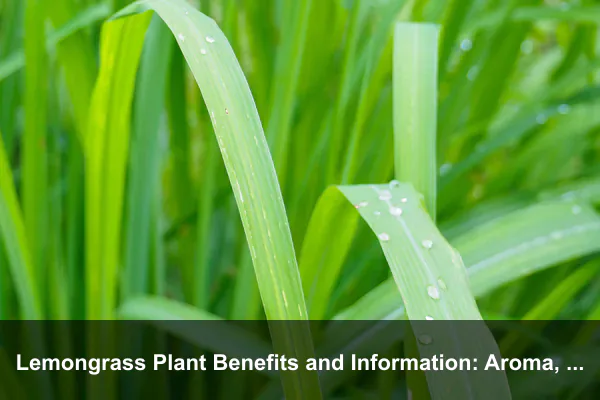
Lemongrass is more than a fragrant stalk used in soups, teas, and herbal routines. This tall tropical grass brings together culinary value, refreshing aroma, garden practicality, and simple home usefulness in one plant. For readers searching for Lemongrass plant benefits and information, the most useful approach is not only to list what lemongrass can do, but to understand how the plant works, where it fits best, and how to use it wisely without overclaiming its benefits.
Known botanically as Cymbopogon, lemongrass is prized for its citrus-like scent, narrow arching leaves, and firm edible lower stems. In many home gardens, it acts as a practical herb, a sensory plant, a border grass, and a low-waste kitchen ingredient. This guide takes a distinctive angle by focusing on lemongrass as a smart household plant: how it supports cooking, aroma, garden design, sustainable routines, and everyday plant care decisions.
What Is Lemongrass?
Lemongrass is a perennial grass in warm climates and is often grown as an annual in cooler regions. It forms dense clumps of slender green leaves, with the most commonly used part being the pale, swollen lower stem. The plant has a clean lemon fragrance because of natural aromatic compounds, especially citral, which gives lemongrass its recognizable citrus note.
There are several lemongrass types, but the culinary species most often grown for cooking is Cymbopogon citratus. Some related species are used more for essential oil production or ornamental purposes, so gardeners should choose carefully if they want edible stalks.
Key Plant Features
- Growth habit: Clumping tropical grass with upright and arching leaves.
- Useful parts: Tender lower stalks, leaves for infusion, and aromatic trimmings.
- Preferred climate: Warm, sunny, humid, and frost-free conditions.
- Main value: Culinary flavor, natural fragrance, garden texture, and low-waste home use.
Main Benefits of Lemongrass Plant
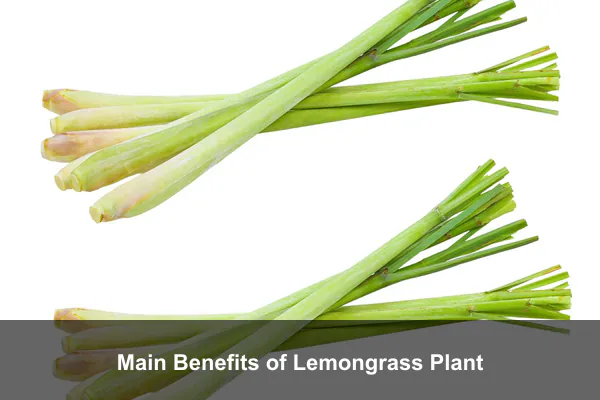
The benefits of lemongrass are best understood in practical categories: kitchen use, home aroma, garden function, and lifestyle value. It is not a miracle plant, but it is highly versatile when used correctly.
Culinary Flavor Without Heavy Ingredients
Lemongrass adds brightness to food without needing extra sugar, cream, or heavy seasoning. The stalks are often used in broths, curries, marinades, sauces, and herbal drinks. Its flavor is lemony, grassy, lightly floral, and warmer than plain citrus peel.
For everyday cooking, bruised lemongrass stalks can be simmered in soups, rice, or stews, then removed before serving. Finely minced tender inner stalks can also be used in spice pastes and marinades. This makes lemongrass valuable for people who want layered flavor from fresh plant ingredients.
A Refreshing Herbal Aroma
The scent of lemongrass is one of its most appreciated qualities. Fresh leaves and stalks release a clean citrus fragrance when crushed, cut, or steeped. In the home, this aroma can make kitchens, patios, and garden paths feel fresher and more inviting.
Lemongrass leaves can be used for simple herbal infusions, steam bowls, or natural scent bundles. However, essential oils are much more concentrated than the fresh plant, so they should be used with caution and kept away from children and pets unless guided by qualified advice.
Useful Garden Structure
In the landscape, lemongrass creates vertical texture and movement. Its dense clumps can soften garden edges, define herb beds, and add a tropical look without requiring flowers. Because it grows in a clump rather than a spreading vine, it can be easier to manage than some aggressive herbs.
Low-Waste Household Value
Lemongrass supports a low-waste kitchen because different parts can be used in different ways. The thick lower stalks can flavor dishes, tougher leaves can be steeped for tea, and leftover trimmings can be added to compost if they are disease-free. This whole-plant usefulness makes lemongrass especially attractive for small home gardens.
How Lemongrass Supports a Practical Herb Garden
Lemongrass works well in a garden because it provides both beauty and utility. It does not need to be hidden in a vegetable patch; it can look attractive near patios, walkways, and outdoor cooking areas. The plant’s height also helps create layers among shorter herbs such as basil, parsley, thyme, and oregano.
Best Placement Ideas
- Grow near a kitchen door for quick harvest access.
- Use as a border plant around herb beds.
- Place in large containers on sunny patios.
- Combine with edible flowers and leafy herbs for a sensory garden.
- Grow in a warm balcony corner if outdoor ground space is limited.
For the strongest flavor and best growth, lemongrass needs full sun. A position with at least six hours of direct sunlight is ideal. In partial shade, the plant may survive, but it usually grows thinner and produces fewer sturdy stalks.
Growing Conditions for Healthy Lemongrass
Healthy lemongrass depends on warmth, drainage, sunlight, and regular moisture. The plant is tough once established, but it performs best when its tropical nature is respected.
Light and Temperature
Lemongrass loves heat and sun. It grows fastest in warm months and slows down when temperatures drop. In frost-prone regions, gardeners often grow it in containers so it can be moved indoors before cold weather arrives.
Soil and Water
The best soil for lemongrass is loose, fertile, and well-draining. It appreciates moisture but does not like sitting in waterlogged soil. A mix enriched with compost helps support strong stalk growth. Container plants should have drainage holes and should not be left standing in saucers of water.
Feeding and Maintenance
Because lemongrass grows many leaves, it benefits from moderate feeding during the active growing season. Compost, diluted organic fertilizer, or balanced plant food can help maintain vigor. Remove dry leaves regularly to keep the clump tidy and reduce hiding places for pests.
Smart Harvesting and Kitchen Preparation
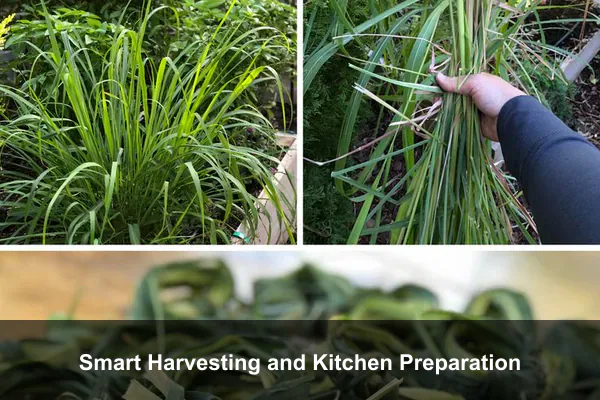
Harvesting lemongrass correctly helps the plant stay productive. Instead of cutting random leaves only from the top, focus on mature outer stalks at the base. Choose stalks that are about pencil-thick or larger, firm, and pale near the bottom.
How to Harvest
- Select a mature outer stalk from the clump.
- Hold the stalk near the base and twist gently, or cut close to soil level with a clean knife.
- Remove tough outer layers until the tender inner stem is visible.
- Trim dry leaf tips and rinse the stalk before cooking.
- Use fresh, refrigerate, freeze, or dry depending on your recipe plan.
For soups and teas, stalks can be bruised with the back of a knife to release aroma. For pastes, use only the tender lower portion and slice it thinly before chopping or blending. Tough leaves are flavorful but fibrous, so they are usually steeped and removed rather than eaten.
Lemongrass for Herbal Drinks and Everyday Wellness
Lemongrass tea is one of the simplest ways to enjoy the plant. Fresh or dried leaves can be steeped in hot water to make a fragrant drink with a light citrus flavor. Many people enjoy it after meals or as a caffeine-free evening beverage.
It is important to speak carefully about wellness claims. Lemongrass has a long history of traditional use and contains aromatic plant compounds, but it should not be treated as a cure for medical conditions. Pregnant people, those taking medication, and individuals with allergies or chronic health concerns should ask a qualified professional before using lemongrass medicinally or in concentrated forms.
Simple Lemongrass Tea Method
- Use one fresh stalk or a small handful of clean leaves.
- Bruise or cut the plant material to release aroma.
- Steep in hot water for 5 to 10 minutes.
- Strain before drinking.
- Add ginger, mint, honey, or lime if desired.
Safety, Pets, and Sensible Use
Lemongrass is widely used as a culinary herb, but safe use still matters. Fresh culinary amounts are different from concentrated extracts or essential oils. The oil can irritate skin, eyes, or mucous membranes if used improperly. It should never be swallowed unless under qualified guidance.
Pet owners should also be cautious. Cats and dogs may chew grass-like plants, and large amounts can cause digestive upset. Place potted lemongrass where pets cannot overgraze it, and contact a veterinarian if a pet shows vomiting, lethargy, or unusual symptoms after eating any plant.
Responsible Use Tips
- Use the edible stalks in normal food quantities.
- Avoid applying undiluted essential oil to skin.
- Keep concentrated products away from children and pets.
- Do not rely on lemongrass as a replacement for medical care.
- Wash harvested stalks before cooking or steeping.
Common Problems and What They Mean
Lemongrass is generally resilient, but its leaves can signal stress. Brown tips often point to underwatering, dry air, salt buildup, or old foliage. Yellowing may indicate poor drainage, lack of nutrients, or insufficient light. Thin weak growth usually means the plant needs more sun.
Quick Troubleshooting Guide
- Brown tips: Check watering consistency and trim old leaves.
- Yellow leaves: Improve drainage and avoid soggy soil.
- Weak stalks: Move the plant to a sunnier location.
- Slow growth: Add compost and wait for warmer temperatures.
- Crowded clump: Divide the plant to refresh growth.
Division is especially useful for older plants. A crowded lemongrass clump can be lifted, split into sections with roots attached, and replanted. This gives the plant more room and can provide extra plants for containers, friends, or another garden bed.
Conclusion
Lemongrass plant benefits and information are most valuable when viewed through everyday usefulness. This aromatic tropical grass can improve cooking, add refreshing fragrance, bring structure to a sunny garden, and support low-waste home routines. Its beauty is practical: tall leaves, edible stalks, and a clean citrus scent all come from one manageable plant.
For the best results, grow lemongrass in full sun, give it warm conditions, harvest mature stalks thoughtfully, and use it in sensible culinary amounts. With the right care, lemongrass becomes more than a herb; it becomes a productive, attractive, and naturally fragrant part of the home garden.
