
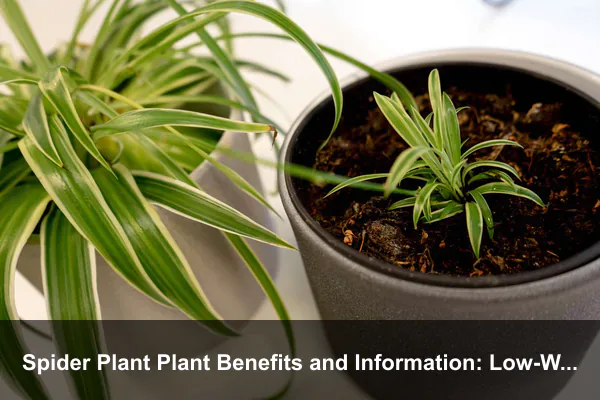
Spider Plant plant benefits and information are often discussed in terms of easy care, attractive striped leaves, and cheerful baby plants. Those points are true, but they do not tell the whole story. A Spider Plant can also become one of the most practical plants for building a low-waste indoor gardening habit because it grows well in ordinary homes, multiplies without complicated tools, and helps beginners learn plant care through clear visual signals.
This guide takes a fresh angle: the Spider Plant as a sustainable, shareable, family-friendly houseplant. Instead of focusing only on decoration or basic troubleshooting, you will learn how this resilient plant supports greener routines, reuse-minded propagation, small-space growing, mindful observation, and long-term indoor plant confidence. Whether you live in an apartment, manage a busy household, or want an affordable first plant, Spider Plant offers benefits that go far beyond its classic arching foliage.
Why Spider Plant Belongs in a Low-Waste Indoor Garden
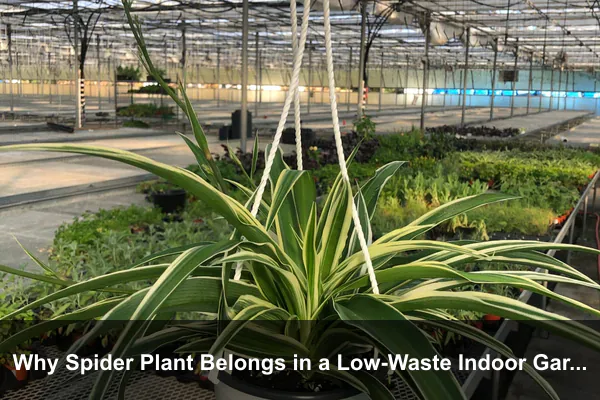
The Spider Plant, botanically known as Chlorophytum comosum, is one of the best houseplants for people who want greenery without constant buying, replacing, or complicated maintenance. Its value comes from a rare combination: it is attractive, forgiving, productive, and adaptable. A single healthy plant can create many offshoots over time, which means one purchase can turn into several plants for your own home or gifts for others.
For anyone interested in Manfaat Tanaman, or the benefits of plants in daily life, Spider Plant is a strong example of a plant that delivers practical value. It can soften a room visually, introduce a calming natural element, encourage regular care habits, and create opportunities for learning. Its long, narrow leaves work well in hanging baskets, shelves, plant stands, bright corners, and small work areas.
A Plant That Rewards Observation
Many beginners struggle because some houseplants decline quietly. Spider Plant is different. It tends to show what it needs in visible ways. Pale growth may suggest insufficient light, limp leaves often point toward watering stress, and slow growth may indicate old soil, low nutrients, or a cramped pot. These signals help new plant owners build confidence because care becomes a process of observation rather than guesswork.
More Greenery From Fewer Purchases
The most sustainable indoor plant is often the one that lives for years and can be multiplied responsibly. Spider Plant produces runners with small plantlets when mature and healthy. These plantlets can be rooted in water or soil, reducing the need to buy new plants repeatedly. This makes Spider Plant especially useful for students, renters, families, community plant swaps, and anyone who wants a greener home on a modest budget.
Spider Plant Plant Benefits and Information at a Glance
Before going deeper, it helps to understand what kind of plant you are working with. Spider Plant is a perennial foliage plant native to parts of southern Africa and widely grown around the world as a houseplant. It is known for its arching leaves, fast recovery, and ability to adapt to normal indoor temperatures.
Quick Plant Profile
- Botanical name: Chlorophytum comosum
- Common name: Spider Plant, airplane plant, ribbon plant
- Plant type: Herbaceous perennial houseplant
- Best light: Bright, indirect light; tolerates medium light
- Water needs: Moderate, with slight drying between watering
- Growth habit: Arching foliage with runners and plantlets on mature plants
- Best use: Hanging baskets, shelves, small homes, beginner plant collections, plant-sharing projects
- Difficulty level: Beginner-friendly
Popular Visual Forms
Spider Plant varieties usually differ by leaf pattern. Some have green leaves with creamy white centers, while others have white margins and green centers. Solid green forms also exist, though they are less common in many shops. The variegated types are especially popular because their light stripes brighten shelves and corners without requiring flowers.
When choosing a plant, look for firm leaves, healthy central growth, and roots that are not severely circling the pot. A few dry tips are not unusual, but avoid plants with mushy crowns, foul-smelling soil, or widespread yellow collapse. Buying one healthy plant is better than buying several stressed plants that need rescue immediately.
Practical Benefits Beyond Decoration
Spider Plant is beautiful, but its benefits are strongest when you think of it as part of a living routine. It can improve how a space feels, give you a simple care rhythm, and make indoor gardening more accessible.
It Softens Rooms Without Taking Much Space
The arching leaves of Spider Plant create movement and texture. Unlike large floor plants that need wide corners, Spider Plant can live in hanging planters, wall brackets, bookcases, window ledges, or compact plant stands. This makes it ideal for small apartments, dorm rooms, kitchens, laundry areas with light, and home offices.
Because the foliage spills outward, one plant can visually fill vertical space without blocking pathways. In interior design, this is valuable because the plant adds life and shape while keeping floor space open. For people who want indoor plants but do not have room for big pots, Spider Plant is an efficient choice.
It Encourages Consistent Care Habits
A major benefit of Spider Plant is that it helps beginners build a simple plant-care routine. You do not need rare soil mixes, elaborate equipment, or constant fertilizing. Checking soil moisture once or twice a week, rotating the pot for even growth, and trimming tired leaves are enough for most homes.
This habit-building matters. Many people buy plants impulsively, then lose them because they do not develop a rhythm. Spider Plant makes routine care feel achievable. Over time, that confidence can help you care for other indoor plants more successfully.
It Offers Gentle Wellness Value
Houseplants should not be treated as medical tools, and Spider Plant is not a replacement for ventilation, cleaning, or proper indoor air management. Still, living plants can support a more pleasant home environment. Caring for a plant may reduce mental clutter, create a short daily pause, and make indoor spaces feel less sterile.
Spider Plant also has a friendly visual character. Its bright, curved leaves feel casual rather than formal, so it fits well in relaxed homes, family rooms, craft areas, and learning spaces. The benefit is not only what the plant does biologically, but also how it changes your relationship with the room.
It Is Useful in Shared Homes
Spider Plant is commonly considered a safer houseplant choice for homes with pets compared with many popular toxic foliage plants. Even so, it is still smart to keep plants away from chewing pets because eating large amounts of any plant material can cause stomach upset. In homes with children, Spider Plant is also useful because it is sturdy enough for supervised learning and simple enough to explain.
Low-Waste Propagation and Sharing Guide
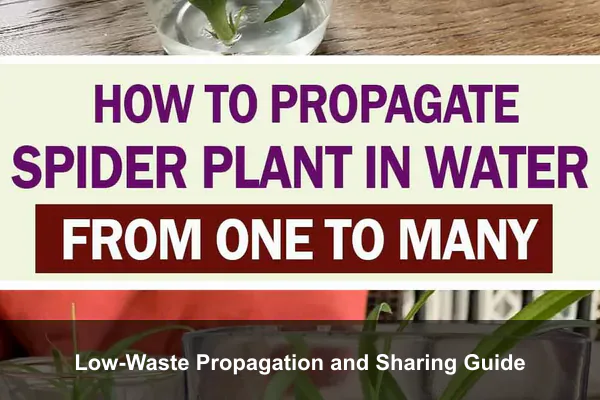
One of the most distinctive Spider Plant benefits is how easily it can be propagated. The plant produces long stems, often called runners or stolons, with small baby plants at the ends. These plantlets are not just decorative. They are a natural way to expand your indoor garden without creating unnecessary waste.
When to Separate Plantlets
Wait until a plantlet has several small leaves and visible root nubs before separating it. Larger plantlets usually establish faster than tiny ones. If the mother plant is weak, yellowing, or recovering from stress, let it regain strength before removing too many offsets. A healthy parent plant can support plantlets more effectively.
Use clean scissors to cut the runner, leaving a short stem attached to the plantlet. You can then root it directly in moist potting mix or place the base in a small jar of water until roots grow longer. Both methods work, but soil rooting often helps the young plant adapt faster to its final growing medium.
Water Rooting With Reused Containers
If you choose water propagation, small reused glass jars are perfect. Clean them well, fill them with fresh water, and place the plantlet so only the root area touches the water. Avoid submerging the leaves because this can cause rot. Change the water every few days to keep it clear.
This method is especially engaging for families or classrooms because the root growth is visible. Children can observe how roots lengthen, branch, and prepare the plant for soil. It turns Spider Plant care into a small science lesson without expensive supplies.
Soil Rooting for Strong Starts
For soil propagation, place the plantlet in a small pot with loose, well-draining potting mix. Keep the mix lightly moist but not soggy. A tiny pot is better than a large one because excess soil can hold too much water around young roots. After a few weeks, gentle resistance when you tug lightly means roots are forming.
You can also keep the plantlet attached to the mother plant while setting it into a nearby small pot of soil. Once it roots, cut the runner. This method reduces stress because the baby plant remains supported by the parent while establishing itself.
Responsible Plant Sharing
Spider Plant is often shared casually, but responsible sharing makes the gift more successful. Give rooted plantlets in small pots with drainage holes, include simple care notes, and avoid giving away weak or pest-infested starts. A healthy small plant is more useful than a large cutting that has not rooted properly.
For a low-waste approach, reuse clean nursery pots, glass jars, or simple containers with added drainage. Label the plant with its name and basic needs. This turns one Spider Plant into a practical, affordable gift that carries real knowledge with it.
Care Routines That Keep Spider Plant Productive
Spider Plant is forgiving, but it performs best when care is steady. The goal is not perfection. The goal is to create conditions that allow strong roots, clean leaves, and regular new growth.
Light: Bright but Gentle
Bright, indirect light is ideal. Place Spider Plant near an east-facing window, a few feet from a bright south or west window, or in a well-lit room where direct afternoon sun does not scorch the leaves. Too little light can reduce variegation and slow growth, while harsh direct sun may bleach or burn foliage.
If your plant leans toward the light, rotate the pot every week or two. This keeps the shape balanced and prevents one-sided growth. In darker homes, Spider Plant may survive, but it will usually produce fewer runners and smaller leaves.
Water: Consistent, Not Excessive
Water when the top part of the potting mix feels dry. In many homes this may be once a week, but frequency changes with pot size, season, light, humidity, and temperature. Always check the soil rather than watering by calendar alone.
Use a pot with drainage holes and empty excess water from saucers. Spider Plant has fleshy roots that store moisture, so it can handle brief dryness better than constant sogginess. Overwatering is more dangerous than slight underwatering because wet soil can lead to root problems.
Soil and Potting
A standard indoor potting mix works well if it drains properly. You can improve heavy mixes with perlite, pumice, or orchid bark. The best soil holds enough moisture for roots to drink while allowing air to move through the pot.
Repot when roots crowd the pot, water runs through too quickly, or growth slows despite good light and watering. Choose a pot only one size larger. Oversized pots hold extra moisture and can make care harder.
Feeding Without Overdoing It
Feed lightly during active growth, usually spring through early fall. A balanced houseplant fertilizer at half strength once a month is enough for most Spider Plants. Too much fertilizer can cause salt buildup and leaf stress, especially in dry indoor conditions.
If you prefer a low-waste routine, focus first on fresh soil, good light, and proper watering. Fertilizer should support healthy growth, not compensate for poor conditions.
Cleaning and Pruning
Dust can collect on long leaves, reducing the plant’s ability to use light. Wipe leaves occasionally with a damp cloth or rinse the plant gently in a sink or shower. Trim dead leaves at the base with clean scissors. Removing old growth keeps the plant tidy and directs energy toward fresh foliage.
How to Use Spider Plant in Small Homes and Learning Spaces
Spider Plant fits many rooms because it is flexible in shape and placement. It can look casual, modern, cottage-style, or minimal depending on the container and location.
Hanging Baskets
Hanging baskets are a classic choice because they let the leaves and runners arch naturally. Use a lightweight pot with drainage, and hang it where you can still reach it for watering. A plant that looks beautiful but is difficult to access often becomes neglected, so practical placement matters.
Shelves and Plant Stands
On a shelf, Spider Plant can trail slightly without becoming as long as many vining plants. It works well beside books, ceramics, woven baskets, or simple storage boxes. Leave enough space around the leaves so they do not get crushed against a wall.
Kitchen and Utility Areas
If the room has bright indirect light, Spider Plant can bring freshness to kitchens, laundry areas, and breakfast corners. Keep it away from heat vents, stove heat, and places where grease may coat the leaves. A washable pot or hanging planter is practical in these hardworking rooms.
Family and Classroom Projects
Spider Plant is excellent for observation projects. You can track new leaves, measure root growth, compare water-rooted and soil-rooted plantlets, or record how light affects growth direction. These activities make plant care concrete and memorable.
For children, the plant offers a gentle lesson in responsibility. They can check soil moisture, rotate the pot, count new plantlets, and learn that living things respond to consistent care. This educational benefit makes Spider Plant more than decoration.
Common Mistakes That Reduce Spider Plant Benefits
Even easy plants can struggle when basic needs are ignored. Avoiding common mistakes helps you get the most from Spider Plant plant benefits and information.
- Watering too often: Constantly wet soil can damage roots. Let the top layer dry before watering again.
- Using pots without drainage: Decorative cachepots are fine only if the inner pot drains and excess water is removed.
- Keeping it in deep shade: Low light slows growth and reduces the chance of plantlets.
- Overfertilizing: More fertilizer does not mean better growth. Light feeding is usually enough.
- Ignoring root crowding: A severely root-bound Spider Plant may dry out too fast and stop growing well.
- Placing it in harsh sun: Strong afternoon sunlight can scorch leaves, especially behind hot glass.
- Sharing weak plantlets: Give away rooted, healthy starts so new growers have a better experience.
Buying, Reusing, and Maintaining a Healthy Spider Plant
A low-waste indoor garden starts with thoughtful buying. Choose a plant that is appropriately sized for your space rather than the biggest one available. Smaller healthy plants often adapt better and cost less. Check leaves, soil, and roots if possible. Avoid plants sitting in water or showing widespread collapse.
After bringing it home, give the plant a week or two to adjust before repotting unless the soil is clearly poor or the pot is damaged. Sudden changes in light, humidity, and temperature can stress a plant, so gradual adjustment is wise. Place it in bright indirect light, water only when needed, and watch how it responds.
Reuse With Care
Reusing pots is a smart way to reduce waste, but clean them first. Old soil and dirty containers can carry pests, mineral buildup, or disease. Wash pots with warm soapy water, rinse well, and let them dry before adding fresh potting mix.
Create a Simple Maintenance Calendar
A Spider Plant does not need a complicated schedule, but a loose rhythm helps. Check soil weekly, rotate the pot twice a month, clean leaves monthly, feed lightly during active growth, and inspect roots once or twice a year. This routine keeps the plant healthy without turning care into a chore.
Conclusion
Spider Plant plant benefits and information go far beyond the idea of an easy houseplant. When viewed through a low-waste indoor gardening lens, Spider Plant becomes a practical teacher, a shareable green resource, and a reliable way to bring life into small spaces. Its arching leaves add softness, its plantlets invite propagation, and its forgiving nature helps beginners build real confidence.
For homes, classrooms, apartments, and workspaces, Spider Plant offers a rare mix of beauty, resilience, affordability, and everyday usefulness. Give it bright indirect light, moderate water, breathable soil, and occasional attention, and one healthy plant can support years of greenery, learning, and sustainable plant sharing.
