
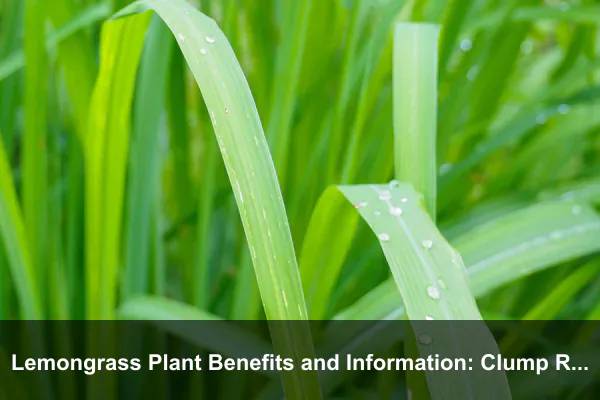
Lemongrass is often introduced as a fragrant cooking herb, but one of its most practical strengths is how well it can be renewed. A healthy plant does not have to be replaced every season. With good clump management, lemongrass can keep producing aromatic stalks, fresh leaves, and useful garden biomass for years.
This guide takes a different look at Lemongrass plant benefits and information by focusing on mature plant care: when to divide clumps, how to refresh crowded roots, and how to keep a productive herb bed from becoming woody, tired, or wasteful. It is especially useful for gardeners who already grow lemongrass and want stronger harvests without buying new plants often.
Why Mature Lemongrass Clumps Need Renewal
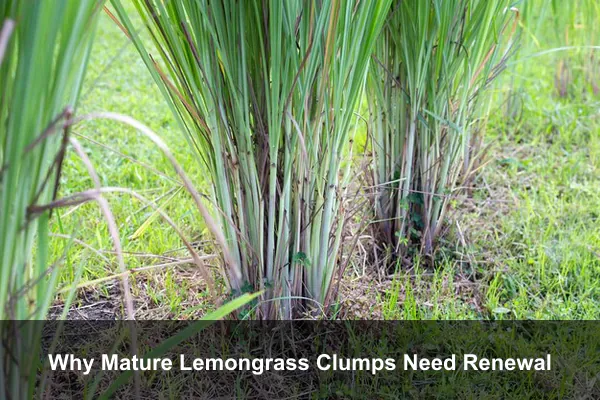
Lemongrass grows as a dense grass-like clump. Each stalk rises from a tight base, and over time the plant produces more shoots around the center. In warm climates, this growth can become large and heavy. In containers, the roots may press against the pot wall. In garden beds, the center of the clump may become less productive while the outer shoots stay vigorous.
Renewal matters because it keeps the plant young in function, even when the planting is several years old. Instead of letting one old clump decline, you divide it into smaller sections that have room to root again. This supports better airflow, easier harvesting, and cleaner stalk development.
Signs Your Lemongrass Is Overcrowded
- The plant has many thin stalks but fewer thick usable bases.
- The center looks dry, hollow, or woody.
- Water runs off the pot quickly because roots have filled the container.
- New shoots appear mostly around the outer edge.
- Harvesting becomes difficult because the base is too dense to cut cleanly.
Key Benefits of Renewing Lemongrass
Clump renewal turns lemongrass from a one-time herb purchase into a long-term productive plant. The benefits are practical rather than decorative only. A refreshed plant gives better harvests, creates free planting material, and makes the garden easier to manage.
More Usable Stalks
When lemongrass has space, its stalk bases can become thicker and more aromatic. These lower stems are the most valued part for cooking because they hold a strong lemony scent and firm texture. Crowded plants often produce many leaves but fewer quality stalk bases.
Free New Plants
Division gives you several plants from one established clump. These can be replanted in a herb bed, moved into containers, shared with neighbors, or used to replace older sections. This is a low-waste way to expand an herbal garden.
Better Plant Health
Opening the clump improves airflow and makes it easier to remove old leaves. This can reduce damp, stagnant growth around the base. It also gives you a chance to inspect roots, refresh soil, and remove any damaged or weak sections.
How to Divide Lemongrass Without Losing the Plant
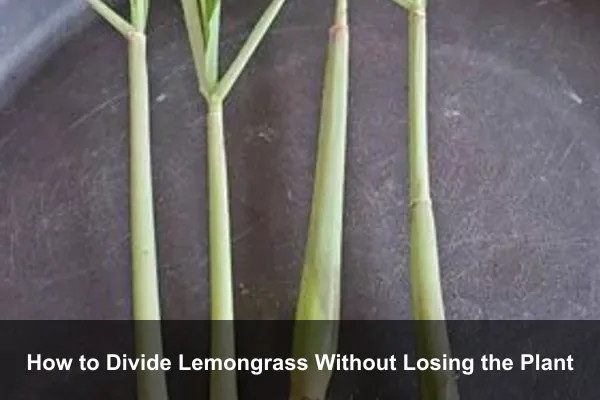
The best time to divide lemongrass is during active growth, when the plant can recover quickly. In tropical and subtropical areas, choose a mild day during the growing season. In cooler regions, divide after the danger of frost has passed and the plant is producing new shoots.
- Water the plant first. Moist soil helps reduce stress and makes the root ball easier to handle.
- Lift the clump carefully. For containers, slide the root mass out. For garden beds, dig around the plant with enough space to preserve roots.
- Remove dead outer leaves. Trim dry blades so you can see the base clearly.
- Separate strong sections. Each division should have several stalks and a healthy root portion.
- Replant promptly. Set divisions at the same depth they were growing before.
- Water deeply. Keep the soil evenly moist while new roots settle.
Large clumps may need a sharp spade or clean knife. Always use clean tools, because torn or dirty cuts can slow recovery. If the leaves are very long, trim the top growth by about one-third so the roots do not have to support too much foliage right away.
Soil, Spacing, and Container Refresh Tips
Lemongrass prefers warm conditions, bright sun, and soil that drains well but does not stay bone-dry for long. Because mature plants are vigorous feeders, renewal is also a good time to improve the growing medium.
For Garden Beds
Space divisions widely enough for future expansion. A small division can become a broad clump in one season under warm, moist conditions. Mix compost into the planting area to improve soil structure, but avoid waterlogged ground. Lemongrass enjoys moisture, yet its roots still need oxygen.
For Containers
Choose a sturdy pot with drainage holes. A refreshed container mix should hold moisture while allowing excess water to escape. If the old potting mix is compacted, replace much of it instead of simply pushing the divided plant back into exhausted soil.
- Use a deep container for stronger roots.
- Place pots where they receive at least 6 hours of sun.
- Water more often during hot weather.
- Feed lightly during active growth with compost or balanced organic fertilizer.
Harvesting After Renewal
Do not harvest heavily immediately after division. Give the plant time to anchor and push fresh growth. Once the divisions are growing strongly, harvest outer stalks first and leave the center to continue producing.
For cooking, cut or pull mature stalks near the base. Peel away tough outer layers and use the pale inner portion for soups, curries, marinades, teas, and broths. Leaves can be tied into bundles for infusions, but they are usually too fibrous to eat directly.
A Simple Harvest Rhythm
- Lightly harvest leaves once the plant is established.
- Take full stalks only from vigorous sections.
- Remove dry leaves regularly to keep the clump clean.
- Renew crowded plants every 1 to 3 years, depending on growth speed.
Safe and Practical Uses Around the Home
The value of lemongrass comes from its fragrance, culinary use, and garden productivity. It contains aromatic compounds such as citral, which help create its lemon-like scent. Fresh lemongrass tea can be a pleasant caffeine-free drink, and the stalks add bright flavor to food without needing synthetic flavoring.
Still, lemongrass should be used sensibly. It is a food herb, not a cure-all. People who are pregnant, nursing, taking medication, or managing health conditions should ask a qualified professional before using concentrated herbal preparations. Lemongrass essential oil is much stronger than the fresh plant and should never be swallowed or applied undiluted to skin.
Pet owners should also be cautious. While the plant is common in gardens, chewing large amounts may upset pets. Place container plants where curious animals will not treat them as a snack.
Common Mistakes When Managing Lemongrass Clumps
Most lemongrass problems come from letting the plant become crowded, cold, dry, or underfed for too long. Renewal solves many issues, but only if the divisions are replanted in better conditions.
- Dividing too small: Tiny pieces with weak roots recover slowly. Keep several shoots together.
- Planting too deep: Burying the crown can cause rot. Match the previous soil line.
- Ignoring old soil: Reusing compacted potting mix limits new root growth.
- Harvesting too soon: Newly divided plants need recovery time before heavy cutting.
- Forgetting winter limits: Lemongrass is frost-sensitive and may need indoor protection in cold regions.
Conclusion
Lemongrass is more than a fragrant herb for the kitchen. When managed as a renewable clumping plant, it can provide years of useful stalks, aromatic leaves, and new divisions for the garden. The smartest approach is to watch the base of the plant, not just the top growth. If the clump is crowded, woody, or producing weaker stalks, it is probably ready to be divided and refreshed.
By learning clump renewal, spacing, soil refreshment, and patient harvesting, gardeners can get more value from every lemongrass plant. This makes Lemongrass plant benefits and information especially practical for anyone who wants a productive, low-waste herbal garden that stays healthy season after season.
