

Rosemary is often introduced as a kitchen herb, but its real value is broader than flavor alone. This evergreen, aromatic plant can work as a drought-tolerant border, a pollinator resource, a patio fragrance plant, a low-maintenance edible shrub, and a year-round source of fresh leaves for simple home cooking. When people search for Rosemary plant benefits and information, they usually want to know whether this herb is worth growing, how difficult it is to care for, and how to use it responsibly. The answer is that rosemary is one of the most useful herbs for gardeners who want beauty, scent, resilience, and practical harvests from the same plant.
This guide takes a distinct garden-design angle: rosemary as a climate-smart herb for edible landscapes and pollinator-friendly spaces. Instead of focusing only on recipes or storage, it explains how rosemary supports a healthier home garden, where it grows best, how to place it in small or large spaces, and what safety boundaries matter when using an aromatic medicinal herb. Whether you grow it in a pot, raised bed, sunny walkway, or dry garden border, rosemary rewards thoughtful placement with long-lasting structure and steady everyday benefits.
Why Rosemary Belongs in a Drought-Wise Garden
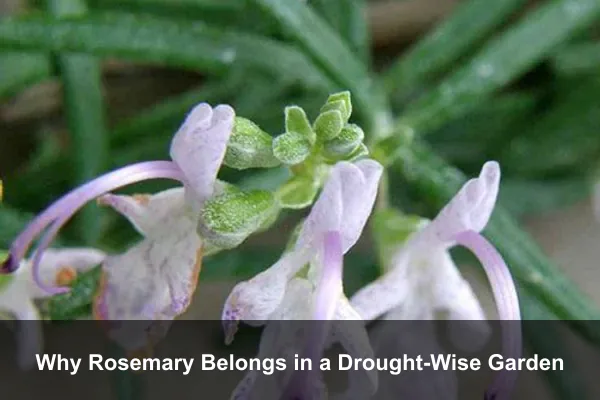
Rosemary, now widely classified as Salvia rosmarinus and formerly known as Rosmarinus officinalis, comes from the Mediterranean region. That background explains much of its personality: it enjoys sun, drainage, airflow, and moderate to dry conditions once established. For gardeners trying to reduce water use, this makes rosemary especially valuable. It is not a swamp-loving herb that needs constant attention. It performs best when its roots are not sitting in wet soil.
In warm climates, rosemary can act almost like a small evergreen shrub. It keeps its needle-like leaves through the year, offers a clean herbal scent when brushed, and can bring structure to beds that might otherwise look empty between flowering seasons. In cooler climates, it can be grown in containers and moved to a protected place when temperatures fall. That flexibility makes it useful for beginners, balcony gardeners, and homeowners designing low-water planting zones.
A Plant That Matches Modern Garden Needs
Many home gardens now need to balance beauty with resource awareness. Rosemary fits that goal because it can deliver multiple functions from one plant:
- Water-wise landscaping: Established rosemary usually prefers drying slightly between waterings.
- Edible planting: The leaves can be used fresh in small culinary amounts.
- Evergreen structure: Upright varieties can frame paths, edges, and sunny corners.
- Pollinator support: Rosemary flowers can attract bees and other beneficial insects.
- Sensory value: Its resinous fragrance adds interest to patios, herb gardens, and walkways.
This combination is the reason rosemary feels more like a living garden tool than a single-purpose herb.
Rosemary Plant Benefits Beyond the Kitchen
The most familiar rosemary benefit is flavor. Its strong aroma pairs well with roasted vegetables, potatoes, breads, beans, poultry, and grilled foods. However, limiting rosemary to cooking undersells the plant. Its benefits also include ornamental, ecological, and practical home-garden value.
Fragrance for Outdoor Living Areas
Rosemary is excellent near seating areas, steps, gates, and paths because the leaves release scent when touched. This makes it useful in sensory gardens, where plants are chosen for texture, aroma, movement, and seasonal changes. A rosemary plant by a sunny doorway can turn an ordinary entrance into a small herbal experience.
Pollinator-Friendly Flowers
Rosemary flowers are usually blue, lavender, purple, pink, or white, depending on the variety. In suitable climates, blooming may happen during cooler months or mild seasons when fewer plants are flowering. That timing can be helpful for bees searching for nectar. A flowering rosemary shrub is not just attractive; it can also contribute to a more active garden ecosystem.
Useful Structure in Edible Landscaping
Edible landscaping blends food-producing plants with ornamental design. Rosemary is well suited to this style because it looks tidy enough for front yards and functional enough for kitchen gardens. Upright cultivars can provide vertical lines, while trailing types can soften walls, containers, and raised-bed edges. This is a unique advantage compared with many tender herbs that look tired after one season.
Botanical Information Every Grower Should Know
Good rosemary care starts with understanding the plant. Rosemary belongs to the mint family, Lamiaceae, which also includes basil, mint, oregano, sage, lavender, and thyme. Unlike soft herbs that grow quickly and collapse easily, rosemary develops woody stems over time. This gives it durability, but it also means old, neglected plants can become leggy if never pruned.
Basic Rosemary Plant Profile
- Botanical name: Salvia rosmarinus
- Older synonym: Rosmarinus officinalis
- Plant type: Evergreen woody herb or small shrub
- Native region: Mediterranean area
- Light: Full sun is best
- Soil: Well-drained soil, never soggy
- Growth habit: Upright, rounded, or trailing, depending on variety
- Common uses: Culinary herb, border plant, pollinator plant, fragrant container plant
University and botanical references, including the University of Maryland Extension and Missouri Botanical Garden, describe rosemary as a sun-loving herb that needs good drainage and can vary widely by cultivar.
Upright vs. Trailing Rosemary
Choosing the right form matters. Upright rosemary is better for hedges, formal herb beds, and vertical accents. Trailing rosemary works well in hanging baskets, wall edges, large containers, and slopes. If your goal is a compact edible hedge, choose an upright variety. If your goal is to spill over a sunny container, choose a prostrate or trailing type.
How to Design With Rosemary in Beds, Borders, and Containers

Rosemary looks best when its natural Mediterranean character is respected. It pairs beautifully with stone, gravel, terracotta, raised beds, dry borders, and other sun-loving herbs. Instead of hiding it in a random pot, use rosemary as a deliberate design element.
Best Garden Placements
- Sunny kitchen path: Plant rosemary near a walkway where you can trim small sprigs as needed.
- Pollinator corner: Combine it with lavender, thyme, sage, oregano, and flowering native plants.
- Dry border: Use rosemary as an evergreen anchor among drought-tolerant perennials.
- Patio container: Grow it in a large pot with drainage holes and a gritty potting mix.
- Raised herb bed: Place rosemary near the edge so it receives airflow and does not shade smaller herbs.
Because rosemary dislikes wet feet, avoid planting it where roof runoff collects, irrigation oversprays heavily, or clay soil stays damp after rain. A slightly raised position is often better than a low, soggy one.
Companion Planting Ideas
Rosemary shares preferences with other Mediterranean herbs. It generally partners well with thyme, oregano, sage, and lavender because they all prefer sun and drainage. It is less compatible with moisture-loving herbs that need richer, consistently damp soil. For example, mint is better in its own container, and parsley may need more regular moisture than rosemary prefers.
Planting and Care for Strong Aromatic Growth
Rosemary is low maintenance when planted correctly, but it is not neglect-proof. Most failures come from too little light, poor drainage, overwatering, or winter stress. If you manage those four factors, the plant becomes much easier to grow.
Light and Temperature
Give rosemary as much direct sun as possible. Outdoors, full sun produces denser growth and stronger fragrance. Indoors, rosemary needs the brightest window available, often a south-facing window in the Northern Hemisphere, or supplemental grow lights. In cold regions, container culture is safer because the plant can be moved before freezing conditions cause damage.
Soil and Drainage
Rosemary prefers soil that drains quickly. In containers, use a quality potting mix amended for drainage if necessary. A pot with drainage holes is non-negotiable. In garden beds, heavy clay should be improved or avoided by planting in raised beds, mounds, or containers. The NDSU Extension rosemary guide notes that container rosemary should be watered when the top layer of soil dries and allowed to drain freely.
Watering Rhythm
Water deeply, then let the soil dry somewhat before watering again. Small daily splashes are less helpful than a full watering followed by a dry-down period. For potted rosemary, check the top 1 to 2 inches of soil. If that zone is dry, water thoroughly until excess drains out. Empty saucers so the roots do not sit in water.
Pruning for Shape
Regular light pruning keeps rosemary dense. Trim soft tips during active growth, but avoid cutting hard into old bare wood where no green growth remains. If you want a hedge effect, prune gradually rather than removing too much at once. A good rule is to harvest lightly and often instead of letting the plant become woody and then trying to rescue it with severe cuts.
Practical Ways to Use Rosemary Responsibly
Rosemary has a bold flavor, so a little goes a long way. The leaves are firm and aromatic, with pine-like, peppery, and slightly bitter notes. For cooking, use tender tips or finely chopped leaves so the texture does not feel tough. Fresh rosemary is stronger than many soft herbs, so start small and adjust.
Simple Culinary Uses
- Add a small sprig to roasted potatoes, carrots, or squash.
- Chop leaves finely into focaccia, flatbread, or savory biscuits.
- Use with olive oil, garlic, and lemon for marinades.
- Infuse a sprig briefly in soups or stews, then remove before serving.
- Pair with white beans, lentils, mushrooms, or grilled vegetables.
For the best plant health, do not strip one branch bare. Take small cuttings from different parts of the plant. This keeps the shape balanced and encourages new growth.
Home and Garden Uses That Do Not Require Ingestion
Rosemary can also be enjoyed without eating it. Fresh sprigs can be used in simple natural decorations, herb bundles, or fragrant table arrangements. In the garden, the plant itself can define a path, edge a bed, or add aroma to a patio. These non-culinary uses are especially helpful for people who love rosemary scent but prefer not to consume much of the herb.
Safety, Pets, and Wellness Boundaries
Rosemary is widely used as a culinary herb, but concentrated rosemary products are different from a sprig in soup. Essential oils, extracts, and high-dose supplements should be treated with caution. They may be inappropriate for pregnant or breastfeeding people, children, people with seizure disorders, and anyone taking medications unless a qualified healthcare professional says otherwise.
This distinction is important for responsible plant-benefit content. The benefits of rosemary plant in a home setting are best understood as culinary, sensory, ornamental, and garden-supportive benefits. Rosemary should not be promoted as a cure for disease. For herb-drug concerns in general, the National Center for Complementary and Integrative Health reminds readers that herbs and supplements can interact with medications, so medical guidance matters when concentrated herbal products are involved.
Pet Considerations
Rosemary is commonly grown around homes with pets, but any plant can cause stomach upset if a pet eats too much. Keep essential oils away from pets, especially cats, because concentrated oils can be risky. If an animal chews large amounts of plant material or shows unusual symptoms, contact a veterinarian.
Common Rosemary Problems and Simple Fixes
Rosemary problems are usually environmental. When the plant looks stressed, check conditions before adding fertilizer. Too much feeding will not solve soggy roots, poor light, or stagnant air.
Yellow Leaves
Yellowing can signal overwatering, poor drainage, nutrient imbalance, or lack of light. First, check the soil. If it stays wet for days, improve drainage and reduce watering. If the plant is indoors, move it to brighter light.
Brown Tips or Crispy Growth
Brown tips may come from underwatering, cold wind, root damage, or sudden indoor dryness. Water thoroughly when the soil is dry, but do not compensate by keeping the pot constantly wet.
Powdery Mildew or Weak Indoor Growth
Indoor rosemary can struggle when air circulation is poor and light is weak. Give the plant more sun, avoid crowding, and prune lightly to open airflow. A small fan can help in indoor growing areas, but do not blast the plant with hot or cold drafts.
Root Rot
Root rot is one of the most serious rosemary problems. Warning signs include wilting even when soil is wet, blackened roots, and limp stems. Prevention is easier than rescue: use drainage holes, avoid heavy soil, and water only when the upper soil has dried.
Buying and Starting a Healthy Rosemary Plant
For most beginners, buying a young rosemary plant is easier than starting from seed. Rosemary seed can be slow and uneven to germinate. A nursery plant gives you a stronger start and lets you choose the growth habit you want.
What to Look For at the Nursery
- Firm, fragrant leaves with no widespread yellowing.
- Several healthy stems rather than one weak, stretched stem.
- No sticky residue, webbing, or visible pest clusters.
- Roots that hold the soil together without circling heavily around the pot.
- A label showing the variety, especially if you need upright or trailing growth.
After bringing rosemary home, avoid immediately placing it in a dark kitchen corner. Give it a bright outdoor or window location and let it adjust. If repotting, move up only one container size at a time so the pot does not hold excess moisture around a small root system.
Conclusion: Rosemary Is a Resilient Herb With Everyday Value
Rosemary plant benefits and information go far beyond a list of recipes. Rosemary is a practical, fragrant, drought-wise herb that can support pollinators, shape edible landscapes, improve sensory garden design, and provide small fresh harvests for everyday meals. Its evergreen structure, aromatic foliage, and ability to thrive in sunny, well-drained spaces make it one of the most rewarding herbs for gardeners who want beauty and usefulness in the same plant.
The key is to grow rosemary according to its nature. Give it sun, drainage, airflow, careful watering, and light pruning. Use the leaves in normal culinary amounts, enjoy the fragrance in garden spaces, and treat concentrated oils or supplements with caution. With that balanced approach, rosemary becomes more than an herb pot on a windowsill; it becomes a long-lasting part of a healthier, more intentional home garden.
