
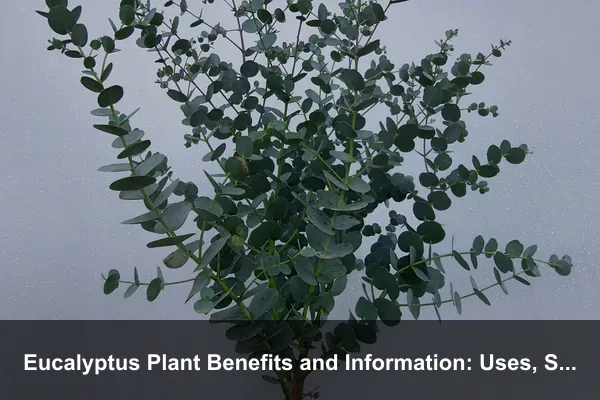
Eucalyptus plant benefits and information are often reduced to one familiar idea: the sharp, cooling scent of eucalyptus oil. That scent matters, but the plant is much more than a bottle of essential oil. Eucalyptus is a diverse group of aromatic evergreen trees and shrubs valued for silvery foliage, fast growth, drought tolerance, cut stems, wildlife value, and practical landscape uses in warm climates.
This guide takes a balanced look at eucalyptus as a real plant, not just a wellness trend. You will learn what eucalyptus is, which benefits are practical for homes and gardens, how to grow it responsibly, and how to use its fragrance safely. The focus is useful plant knowledge: attractive foliage, smart placement, safe handling, and realistic expectations for anyone considering eucalyptus in a garden, patio container, floral arrangement, or herbal plant collection.
What Is the Eucalyptus Plant?
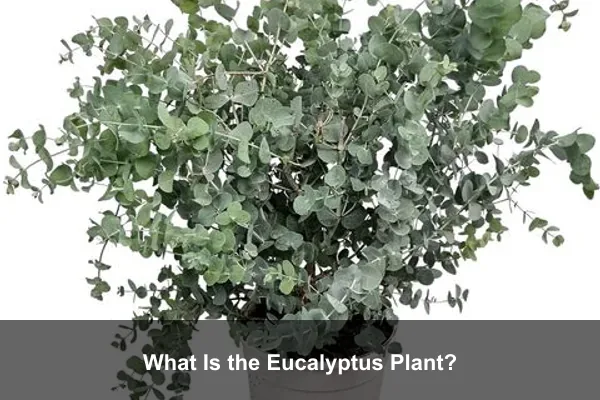
Eucalyptus is a genus of mostly evergreen woody plants in the myrtle family, Myrtaceae. Most species are native to Australia, with related distribution across nearby regions. There are hundreds of eucalyptus species, ranging from compact mallee shrubs to towering forest trees. Many are commonly called gum trees because some species exude resinous gum, while others are known by names such as blue gum, cider gum, silver dollar eucalyptus, or lemon-scented gum.
The best-known feature is the leaf aroma. When eucalyptus leaves are crushed, warmed, or distilled, they release volatile compounds, including eucalyptol, also known as 1,8-cineole. This is the compound most people associate with the clear, camphor-like smell used in vapor rubs, balms, shower products, and cleaning blends. However, a living eucalyptus plant is not automatically a medicine. Its value depends on species, growing conditions, safe use, and context.
Key Botanical Traits
Eucalyptus plants usually have leathery leaves, aromatic stems, and textured bark. Some species show dramatic peeling bark in cream, gray, tan, or reddish tones. Young foliage may look round, blue-green, and coin-shaped, especially in ornamental species such as Eucalyptus cinerea. Mature leaves often become longer, narrower, and more lance-shaped. This change from juvenile to adult foliage is one reason gardeners prune some eucalyptus plants to keep the soft, rounded leaves used in floral design.
Popular Species and Forms
Different species suit different purposes. Eucalyptus globulus, or blue gum, is famous for oil production and tall growth. Eucalyptus cinerea, often called silver dollar eucalyptus, is popular for cut foliage and containers. Eucalyptus gunnii, or cider gum, is grown in cooler temperate gardens where conditions allow. Lemon-scented eucalyptus, now often classified under Corymbia, is valued for a citrus-like aroma. Choosing the right plant matters because mature size, cold tolerance, leaf shape, and landscape behavior vary widely.
Main Eucalyptus Plant Benefits for Homes and Gardens
The strongest eucalyptus plant benefits are practical rather than magical. It can add year-round structure, aromatic foliage, water-wise beauty, and useful cut stems. In the right climate and location, eucalyptus can be a durable landscape plant. In the wrong location, it can outgrow its space, dry surrounding soil, or create safety concerns near buildings. A good eucalyptus article should explain both sides.
Aromatic Foliage for Sensory Gardens
Eucalyptus is excellent for sensory planting because its fragrance is noticeable without being sugary or heavy. The scent can make a patio, path, or cutting garden feel fresher, especially when leaves move in warm air. Unlike many flowering ornamentals, eucalyptus does not rely only on bloom time. Its leaves, stems, and bark provide interest throughout the year, which is useful in gardens designed for daily enjoyment.
Drought-Tolerant Landscape Value
Many eucalyptus species are adapted to sunny, open habitats and can become drought tolerant after establishment. This makes them useful in dry gardens, coastal gardens, and low-water landscapes where the climate is suitable. They still need careful watering when young, but mature trees often tolerate dry spells better than many thirsty ornamentals. For homeowners interested in climate-aware planting, eucalyptus can be part of a water-wise design when matched to the region.
Evergreen Privacy and Wind Filtering
Because many eucalyptus species grow quickly and hold foliage year-round, they can provide screening, wind filtering, and vertical structure. This benefit is most useful on larger properties where the mature tree has room. Eucalyptus should not be planted tightly against foundations, walls, drains, or small courtyards. Its speed is a benefit only when the site can handle the eventual height, canopy width, roots, and leaf drop.
Cut Foliage and Floral Design
Silver dollar eucalyptus and related ornamental forms are widely used in fresh and dried arrangements. The round blue-green leaves pair well with roses, orchids, native flowers, grasses, and minimalist arrangements. Cut stems can also be dried for wreaths and simple home decor. This is one of the easiest benefits for small-space gardeners to enjoy because container-grown eucalyptus can supply occasional stems without requiring a full-sized tree.
Ecological and Pollinator Value
Eucalyptus flowers can provide nectar and pollen for bees, birds, and other wildlife where the species is appropriate. In Australia, eucalyptus woodlands are central to many ecosystems, including habitat for specialist wildlife. Outside native ranges, ecological value is more complicated. A eucalyptus tree may feed pollinators, but it may also behave poorly in some regions. Responsible planting means checking local guidance before choosing a species.
Wellness Uses: What Eucalyptus Can and Cannot Do
Eucalyptus has a long history in traditional herbal products, but safe use requires precision. The plant itself, dried leaves, steam products, and concentrated essential oil are not the same thing. Essential oil is highly concentrated and should be treated with caution. The most responsible way to discuss eucalyptus plant benefits and information is to separate traditional use from medical claims.
Eucalyptus Oil Is Not the Same as Fresh Leaves
Fresh leaves release scent gradually. Essential oil is made by distilling plant material, which concentrates volatile compounds into a powerful product. A few drops of essential oil can represent a large amount of plant material. That is why eucalyptus oil should never be swallowed unless it is part of a regulated product specifically labeled for that use and directed by a qualified professional. Undiluted oil can also irritate skin, eyes, and mucous membranes.
Respiratory Comfort and Traditional Use
Eucalyptus is commonly used in products designed for coughs and stuffy noses. European herbal medicine summaries describe eucalyptus oil products as traditionally used for cough associated with colds, while many over-the-counter rubs and inhalation products rely on the cooling sensation of aromatic vapors. This does not mean eucalyptus cures infections, shortens every cold, or replaces medical care. It may support comfort for some adults when used exactly as labeled.
Topical Use for Muscle Comfort
Some eucalyptus oil preparations are used topically for localized muscle discomfort. The cooling aroma and skin sensation can feel refreshing after activity. Still, topical use should be diluted, patch-tested, and avoided on broken skin. People with asthma, sensitive skin, pregnancy concerns, medication interactions, or chronic illness should ask a qualified healthcare professional before using concentrated eucalyptus products.
Important Safety Boundaries
Safety is one of the most important eucalyptus topics because misuse can be serious. Keep these boundaries in mind:
- Do not ingest eucalyptus essential oil. Swallowing concentrated oil can be dangerous and requires poison control or emergency guidance.
- Keep oil away from children. Young children are more vulnerable to essential oil poisoning and breathing irritation.
- Avoid applying oil near the face of infants or toddlers. Strong aromatic oils can affect breathing in young children.
- Protect pets. Eucalyptus is listed as toxic to dogs, cats, and horses by animal poison resources.
- Use diluted products only as directed. More oil is not more beneficial.
- Ventilate small rooms. Diffusing strong oils in enclosed spaces can bother sensitive people and animals.
If a person swallows eucalyptus oil or a pet chews eucalyptus plant material, treat it as a safety issue, not a home remedy experiment. In the United States, Poison Control can be reached at 1-800-222-1222, and pet owners should contact a veterinarian or animal poison control service.
How to Grow Eucalyptus Successfully
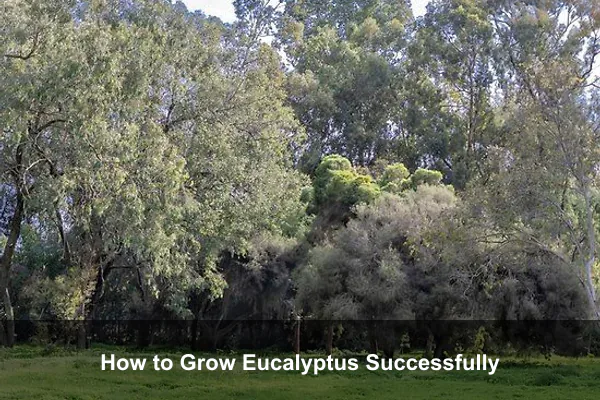
Eucalyptus grows best when the gardener respects its natural preferences: sun, drainage, airflow, and enough space. It is not a plant for every climate. Many species dislike prolonged freezing, wet soil, and cramped indoor conditions. Before buying a eucalyptus plant, check the mature size, cold tolerance, and local recommendations for your area.
Light Requirements
Most eucalyptus plants need full sun, meaning at least six hours of direct sunlight daily. Strong light helps maintain dense growth, good leaf color, and sturdy stems. A shaded eucalyptus often becomes stretched, weak, and more vulnerable to disease. If you grow eucalyptus in a container, place it in the brightest outdoor position available during the growing season.
Soil and Drainage
Well-drained soil is essential. Eucalyptus roots dislike sitting in stagnant water, especially in cool weather. Sandy loam, gravelly soil, or raised beds are usually better than heavy, compacted clay. If your garden holds water after rain, improve drainage before planting or choose another species. In containers, use a free-draining potting mix and a pot with drainage holes. Do not let the pot stand permanently in a saucer of water.
Watering Young and Established Plants
New eucalyptus plants need consistent watering while roots establish. Deep watering encourages roots to move downward instead of staying shallow. Once established, many species tolerate dry spells, but container plants dry out faster than in-ground trees and need closer attention. The goal is not constant moisture. The goal is a cycle of thorough watering followed by partial drying, adjusted for heat, wind, pot size, and rainfall.
Pruning for Size and Foliage
Pruning is useful for controlling shape, harvesting stems, and encouraging juvenile foliage. Some gardeners coppice or pollard suitable eucalyptus plants, cutting them back to promote fresh, rounded leaves. This should be done with species that tolerate the method and at the right season for the local climate. Avoid random heavy cuts on mature trees without understanding the response. Large tree work should be handled by a qualified arborist.
Container Growing Tips
Eucalyptus can grow in containers, especially when young, but it is not a typical low-light houseplant. It prefers outdoor light, airflow, and room for roots. Choose a heavy pot to prevent tipping, use free-draining soil, and rotate the plant for even growth. Repot before the plant becomes severely root-bound. In cold climates, some gardeners grow eucalyptus as a seasonal patio plant or overwinter it in a very bright, cool, protected space.
Using Eucalyptus Indoors Without Turning It Into a Houseplant Myth
Eucalyptus appears in many indoor decor photos, but it is important to be realistic. A cut bundle in a vase is not the same as a long-term indoor tree. Most eucalyptus plants struggle in dim rooms because they need strong sunlight. If your goal is an easy indoor plant, eucalyptus is usually more demanding than pothos, snake plant, or ZZ plant. Its indoor value is strongest as cut foliage, dried stems, or a temporary bright-window specimen.
Fresh Cut Stems
Fresh stems can be placed in clean water like other greenery. Remove leaves below the water line, change water regularly, and keep stems away from direct heat. The scent is usually gentle unless leaves are crushed. People with fragrance sensitivity should start with a small bundle instead of filling a room.
Dried Eucalyptus
Dried eucalyptus keeps its sculptural form and muted color for a long time. It works well in wreaths, wall bundles, and simple arrangements. Keep dried stems away from candles, stoves, and fireplaces because dry leaves and oil-rich plant material can burn readily. Dust dried arrangements occasionally and replace them when they become brittle or shed heavily.
Shower Bundles and Steam
Hanging eucalyptus in a shower is popular because warm humidity releases aroma. Use this carefully. Keep the bundle out of direct water flow to avoid slimy stems, replace it before mold develops, and avoid strong essential oil drops in hot showers. A mild leaf scent is different from concentrated vapor in a small room.
Choosing the Right Eucalyptus for Your Space
The right eucalyptus depends on your climate, space, and purpose. A plant chosen for a floral arrangement may not be suitable as a backyard tree. A tree that thrives in a dry, sunny coastal region may fail in a humid, freezing, or poorly drained area. Before planting, identify the species, not just the label eucalyptus.
For Cut Foliage
Choose species known for attractive juvenile leaves, such as silver dollar eucalyptus. Regular pruning can encourage the rounded foliage used in bouquets. This is a good option for gardeners who want harvestable stems rather than a massive shade tree.
For Large Landscapes
Where climate and local rules allow, larger eucalyptus species can become bold evergreen features. Give them generous distance from buildings, utility lines, pavement, and drains. Their mature size should be planned from the beginning, not corrected after the tree becomes a problem.
For Cold or Small Gardens
Cold-climate gardeners should look for hardy species and expect some winter damage in marginal areas. Small-space gardeners should consider containers, coppicing methods, or simply using purchased cut stems. Sometimes the best eucalyptus choice for a balcony is not a tree at all, but a responsibly sourced bunch from a florist.
Common Problems and Responsible Planting
Eucalyptus is tough in the right place, but it is not problem-free. Fast growth can create weak structure if a tree is poorly sited or neglected. Heavy leaf drop can build litter. Some species have shallow or wide-spreading roots. Oil-rich foliage and peeling bark can increase fire concerns in dry regions. These traits do not make eucalyptus bad; they mean it must be planted with judgment.
Fire-Wise Placement
In fire-prone regions, eucalyptus should be evaluated carefully. Avoid planting flammable, oil-rich trees close to houses, decks, sheds, or evacuation routes. Keep leaf litter managed, prune for clearance where appropriate, and follow local fire-safe landscaping guidance. If your region has wildfire risk, local extension or municipal guidance should override generic gardening advice.
Invasiveness and Local Rules
Some eucalyptus species have naturalized outside their native range. In certain areas, they may be discouraged or regulated. Check local invasive plant lists before planting. A plant that is valuable in one region can be irresponsible in another. Responsible gardening is not only about whether a plant grows well; it is also about how it behaves in the surrounding ecosystem.
Pests and Diseases
Eucalyptus can face leaf spot, root rot in wet soil, scale insects, psyllids, borers, and stress-related decline. Most problems start when the plant is placed in poor conditions: too much shade, too much water, compacted soil, or frost exposure. Good site selection prevents more problems than repeated spraying. If a mature tree shows cracking limbs, sudden dieback, or structural weakness, consult an arborist.
Quick Eucalyptus Care Checklist
Use this checklist before buying or planting eucalyptus:
- Sun: Choose a full-sun location with open airflow.
- Soil: Provide excellent drainage and avoid waterlogged roots.
- Space: Match the species to the mature size of your garden.
- Water: Water young plants deeply, then reduce once established.
- Pruning: Prune intentionally for foliage, shape, or safety.
- Safety: Keep leaves and essential oil away from children and pets.
- Local fit: Check cold hardiness, fire risk, and invasive potential.
Evidence and Safety References Worth Knowing
For readers who want reliable eucalyptus plant benefits and information, it helps to separate gardening sources from health and poison-safety sources. The North Carolina Extension Gardener Plant Toolbox gives practical plant details, including sun, drainage, drought tolerance, and toxicity notes. The Royal Horticultural Society provides growing and pruning guidance. For safety, Poison Control and MedlinePlus explain why concentrated eucalyptus oil should be handled carefully. The ASPCA lists eucalyptus as toxic to common pets, and the European Medicines Agency summarizes traditional medicinal uses of eucalyptus oil products.
Conclusion
Eucalyptus is a powerful example of why plant benefits should be understood in context. It can be beautiful, fragrant, drought tolerant, useful for cut foliage, and valuable in the right landscape. It can also be too large, too flammable, unsafe for pets, and risky when essential oil is misused. The best approach is balanced: enjoy eucalyptus for its aromatic leaves, evergreen form, and practical garden value, but respect its biology and safety limits.
If you choose the right species, plant it in full sun with excellent drainage, prune with purpose, and keep concentrated oil away from children and pets, eucalyptus can be a distinctive and useful addition to a plant collection. The real benefit is not a miracle claim. It is a well-matched plant used wisely in the right place.
