

Hydrangeas are often described in terms of their large flower heads, changing colors, and classic cottage-garden charm, but one of their most practical strengths is how well they can support a more comfortable, accessible outdoor space. This guide explores Hydrangea plant benefits and information from a unique angle: using hydrangeas to create gardens that are easier to enjoy, easier to navigate, and more emotionally restorative for people who want beauty without an overly demanding routine.
In the context of Manfaat Tanaman, or the real-life benefits of plants, hydrangeas offer more than decoration. Their generous blooms create strong visual landmarks, their shrubs can soften hard edges around paths and patios, and many varieties provide a long season of interest with relatively simple care once established. They are especially useful in family gardens, senior-friendly landscapes, quiet seating corners, and therapeutic outdoor areas where the goal is not just to grow flowers, but to make the garden feel welcoming, readable, and calming.
Why Hydrangeas Work Well in Accessible Gardens
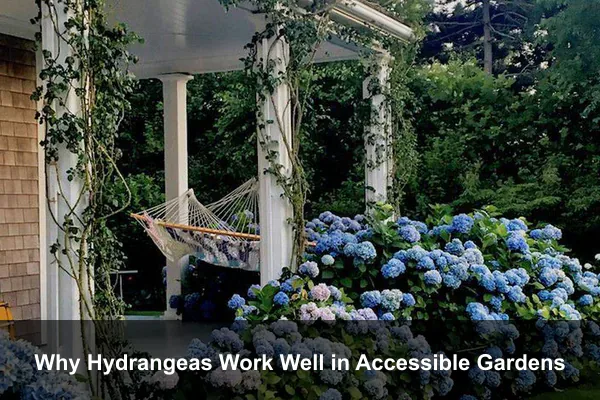
An accessible garden is not only a space for wheelchair users or people with limited mobility. It is a garden designed for comfort, clarity, and ease. Hydrangeas fit this purpose because they have a bold shape, predictable seasonal rhythm, and visible flowers that can be appreciated from a path, window, porch, or seated position.
Many flowering plants require close inspection to be fully appreciated. Hydrangeas are different. Their large flower clusters are visible from a distance, which makes them useful for people with reduced vision, older gardeners, or anyone who wants instant seasonal impact without needing to bend down or walk through dense planting beds.
Large Blooms Create Clear Visual Anchors
Hydrangeas can act like living signposts in a landscape. A row of shrubs near a gate, a single specimen beside a bench, or a pair framing a walkway can help organize the garden visually. This matters in accessible design because clear landmarks make outdoor spaces easier to understand and move through.
For example, a pale blue or white hydrangea planted near a shaded seating area can draw the eye and make that corner feel intentional. A compact panicle hydrangea near a patio can mark the transition between hardscape and garden bed. These visual cues are helpful for guests, children, and gardeners who prefer a layout that feels intuitive.
Enjoyment From a Seated Position
One practical benefit of hydrangeas is that many varieties bloom at eye level when viewed from a chair, bench, patio seat, or low deck. This makes them valuable in gardens designed for rest, recovery, or low-effort enjoyment. Instead of relying on small ground-level flowers, hydrangeas bring color and texture into the middle layer of the garden.
This middle height also works well outside windows. A hydrangea placed where it can be seen from a kitchen, reading chair, or bedroom window extends the value of the garden indoors. For people who cannot garden every day, that visual connection is a meaningful plant benefit.
Key Hydrangea Information for Choosing the Right Type
Hydrangea care and performance depend strongly on the type you grow. The word “hydrangea” includes several common groups, and each has different strengths. Choosing the right one is the first step toward a low-stress, accessible landscape.
Bigleaf Hydrangea
Bigleaf hydrangeas are famous for rounded mophead blooms and lacecap flowers. They are often associated with blue, pink, or purple flower color, depending on variety and soil chemistry. They are beautiful in mild climates and protected garden spaces, but they can be less predictable in regions with harsh winter damage or late spring frosts.
For accessible gardens, bigleaf hydrangeas are best where the gardener can provide steady moisture and some afternoon shade. They suit patios, foundation beds, and sheltered courtyards where their flowers can be enjoyed up close without needing complicated pruning.
Panicle Hydrangea
Panicle hydrangeas are among the most reliable choices for beginners and practical landscapes. They usually tolerate more sun than bigleaf hydrangeas, bloom on new wood, and produce cone-shaped flowers that often age from white or lime to pink, tan, or rose tones. Because they are sturdy and dependable, they are excellent for low-stress garden design.
In accessible spaces, compact panicle hydrangeas are especially useful beside paths, patios, ramps, and seating areas. Larger varieties can become strong landscape features, but they need enough room so they do not narrow walkways or create maintenance problems later.
Smooth Hydrangea
Smooth hydrangeas, including popular white-blooming forms, are valued for soft texture and generous summer flowers. Many bloom on new wood, which simplifies pruning. They are useful in naturalistic beds, shaded edges, and relaxed garden spaces where a softer look is desired.
For gardeners who want dependable flowers without complex care, smooth hydrangeas can be a smart choice. However, some varieties may flop after heavy rain, so placement matters. Growing them near supportive companion plants or choosing stronger-stemmed cultivars can reduce maintenance.
Oakleaf Hydrangea
Oakleaf hydrangeas offer more than flowers. Their bold leaves, peeling bark, and autumn color make them valuable across multiple seasons. They are especially helpful when the goal is a garden that remains interesting even after peak bloom.
For accessible design, oakleaf hydrangeas work best where they have enough space to spread naturally. They can become excellent background shrubs near seating areas, woodland edges, and calm garden corners. Their strong leaf shape adds texture that is easy to notice even from a distance.
Benefits of Hydrangeas for Comfort, Mood, and Daily Routine
The benefits of hydrangeas are not limited to ornamental value. Like many garden plants, they can support daily routines, encourage gentle observation, and make outdoor spaces feel more usable. A hydrangea does not need to be medicinal or edible to have meaningful wellness value. Its benefit comes from how it changes the environment around it.
Softening Harsh Outdoor Spaces
Modern homes often have hard surfaces: concrete paths, fences, walls, paving, and sharp building lines. Hydrangeas soften these areas with rounded forms and layered foliage. This visual softness can make a patio, entrance, or side yard feel less severe and more inviting.
In small gardens, one well-placed hydrangea can reduce the feeling of emptiness without creating clutter. In larger gardens, groups of hydrangeas can create gentle boundaries that guide movement without using rigid barriers.
Encouraging Slow Observation
Hydrangeas change gradually. Buds swell, flower heads open, colors mature, petals fade, and dried heads remain into cooler months. This slow transformation gives gardeners something to notice without requiring constant action. For people who enjoy mindful gardening, hydrangeas provide a steady seasonal story.
This is a practical benefit for families, older adults, and beginner gardeners. Observing changes in bloom color, leaf texture, or soil moisture can build plant awareness. The garden becomes a place to check in, not just a list of chores.
Creating a Calmer Seating Area
Hydrangeas are especially effective near benches, shaded patios, and quiet corners. Their flower clusters create a full, generous look without strong fragrance. This makes them useful for people who prefer fragrance-light gardens or who want visual beauty without overwhelming scent.
A calm hydrangea seating area can include:
- A stable bench or chair positioned where blooms are visible at eye level.
- A wide, even path so the space is easy to approach.
- Companion foliage plants for texture without visual clutter.
- Mulch to reduce weeds and help conserve soil moisture.
- Drip irrigation or a soaker hose to reduce watering effort.
Designing With Hydrangeas for Easier Movement
Hydrangeas can either improve movement through a garden or make it harder, depending on placement. Because many varieties become broad shrubs, planning mature size is essential. An accessible garden should leave enough space for walking, turning, carrying tools, or using mobility aids.
Keep Paths Open and Predictable
Plant hydrangeas far enough from paths that their mature stems and flowers will not lean into the walkway. This is especially important after rain, when heavy flower heads may droop. A path that feels generous in spring can become too narrow in summer if shrubs are planted too close.
As a practical rule, check the mature width listed for the variety and add extra clearance. If a hydrangea is expected to grow 4 feet wide, avoid placing its center only 2 feet from a path edge unless you are prepared to prune regularly. Better spacing reduces future work.
Use Hydrangeas as Gentle Boundaries
Hydrangeas can define outdoor areas without creating a closed-in feeling. A short row can separate a sitting area from a lawn. A single shrub can mark the edge of a path. A pair can frame an entrance into a side garden. These boundaries help the landscape feel organized while staying soft and natural.
This is especially useful in multigenerational gardens. Children can understand where paths and play areas begin, while adults get a more polished design. The plant supports both beauty and function.
Choose Compact Varieties for Tight Spaces
Not every hydrangea belongs beside a narrow walkway or small patio. Compact cultivars are often better for accessible gardens because they require less pruning and are less likely to block movement. Dwarf panicle hydrangeas, compact bigleaf types, and smaller smooth hydrangeas can provide the same flower impact at a more manageable scale.
Before buying, compare the plant tag with the actual space. A young hydrangea in a nursery pot may look small, but the mature shrub can be many times larger. Planning for adult size is one of the easiest ways to prevent future maintenance problems.
Hydrangea Care for Low-Stress Maintenance
A beautiful garden becomes frustrating if it demands more effort than the gardener can realistically provide. Hydrangeas are not maintenance-free, but they can be managed efficiently with the right setup. The goal is to reduce repeated bending, emergency watering, and confusing pruning decisions.
Watering Without Extra Work
Hydrangeas generally prefer consistent moisture, especially during establishment and hot weather. Their name is linked to water, and their leaves often show stress quickly when soil becomes too dry. However, this does not mean they should sit in soggy soil. The best condition is evenly moist, well-drained ground.
To make watering easier, consider:
- Mulching with organic material to slow evaporation and reduce weeds.
- Using a soaker hose around the root zone instead of frequent hand watering.
- Watering deeply rather than sprinkling lightly every day.
- Checking soil moisture with a finger test or simple moisture meter.
- Grouping plants with similar water needs so the whole bed can be managed together.
For an accessible garden, irrigation planning is not a luxury. It is part of making the space usable over time.
Pruning Made Simple
Pruning is where many hydrangea owners become confused. The key information is whether the hydrangea blooms on old wood, new wood, or both. Pruning at the wrong time can remove flower buds, especially on some bigleaf and oakleaf hydrangeas.
Panicle and many smooth hydrangeas bloom on new wood, so they are usually easier to prune in late winter or early spring. Bigleaf and oakleaf hydrangeas often need a lighter approach, with dead or damaged stems removed and major pruning done carefully after flowering if needed.
For low-stress care, keep a plant label or garden note with the hydrangea type and pruning time. This small habit prevents guesswork and protects future blooms.
Feeding Without Overdoing It
Hydrangeas do not need excessive fertilizer to perform well. Too much nitrogen can encourage leafy growth at the expense of flowers. A soil test is the best guide, but many garden hydrangeas do well with compost, mulch, and a balanced slow-release fertilizer used according to label directions.
In accessible gardening, fewer inputs are often better. A simple annual routine is easier to maintain than frequent feeding. Healthy soil, proper spacing, and steady moisture usually matter more than aggressive fertilizing.
Seasonal Interest Beyond Peak Bloom
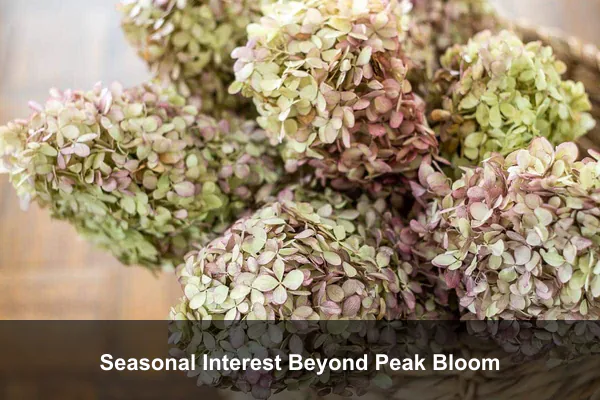
One reason hydrangeas are valuable in practical landscapes is that they do not disappear after their main bloom season. Depending on the type, they can offer attractive buds, fresh summer flowers, aging flower tones, autumn foliage, dried heads, and winter structure. This makes them useful for people who want a garden that remains engaging through more than one moment of the year.
Spring Structure and Leaf Emergence
In spring, hydrangeas begin with fresh leaves and swelling buds. This early growth gives gardeners an easy seasonal signal. It is a good time to inspect for winter damage, refresh mulch, and check irrigation before heat arrives.
For people who use gardening as a gentle routine, spring hydrangea checks can be simple and satisfying. You do not need to do everything at once. A few minutes of observation can reveal whether stems are alive, whether mulch has thinned, and whether nearby weeds should be removed.
Summer Flower Presence
Summer is when most hydrangeas become the main visual feature. Their flowers can brighten shaded areas, frame patios, and create a lush look around entrances. In accessible gardens, this strong summer presence is valuable because it gives high reward for moderate effort.
To keep plants comfortable in summer, watch for wilting during hot afternoons. Some temporary wilting can happen in heat even when soil is moist, but repeated severe wilting means the plant may need deeper watering, more mulch, or better afternoon shade.
Autumn Texture and Fading Color
As flowers mature, many hydrangeas develop softer antique tones. Whites may become cream, tan, pink, or green. Blues and pinks can fade into muted shades. Oakleaf hydrangeas may also produce strong fall foliage color.
This aging process is part of their charm. Instead of removing every faded flower immediately, consider leaving some heads in place for texture. This approach reduces work and supports a more natural seasonal look.
Winter Form and Dried Flower Heads
Dried hydrangea heads can remain attractive into winter, especially where snow, frost, or low sunlight highlights their structure. Leaving some dried blooms also reduces autumn cleanup. In tidy front gardens, you may choose a balanced approach: remove damaged or messy stems while keeping the best-shaped flower heads for winter interest.
This four-season value is a major benefit for gardeners who want beauty without constantly replacing annual plants.
Safety, Pets, and Responsible Placement
Hydrangeas are ornamental plants and should not be treated as edible herbs. Parts of the plant can be harmful if ingested by people or pets. Responsible placement is part of good garden design, especially in family spaces.
Keep Hydrangeas Out of Snack Zones
If children or pets explore the garden, avoid placing hydrangeas directly beside play areas where leaves or flowers may be handled roughly or tasted. This does not mean hydrangeas cannot be used in family gardens, but they should be positioned thoughtfully.
Better locations include background borders, foundation beds, fenced garden areas, and spaces where adults can supervise. Teaching children that ornamental plants are for looking, not eating, is also important.
Use Gloves for Sensitive Skin
Most routine hydrangea care is simple, but gloves are sensible when pruning, removing old flowers, or handling stems. Gloves protect against minor irritation, scratches, and contact with plant sap. They are especially helpful for gardeners with sensitive skin.
Dispose of Clippings Properly
After pruning, collect clippings and keep them away from pets that may chew plant material. Composting may be suitable in many home systems, but if pets access the compost area, use a closed bin or dispose of trimmings securely.
Best Companion Plants for Accessible Hydrangea Beds
Companion planting around hydrangeas should make the bed easier to manage, not harder. Choose plants that share similar light and moisture needs, stay in scale, and do not create a tangled maintenance problem.
Foliage Companions for Texture
Foliage plants can make hydrangea beds look full before and after bloom. Hostas, ferns, heuchera, and ornamental grasses may pair well depending on climate and light. The best companions create contrast without competing aggressively.
For accessible gardens, use companions in simple masses rather than scattered singles. Repeating the same plant reduces visual clutter and makes maintenance easier. It also helps the garden read clearly from a seated position or window.
Groundcovers to Reduce Weeding
Low groundcovers can reduce bare soil and suppress weeds, but they must be chosen carefully. Avoid aggressive spreaders that invade the hydrangea root zone or create extra work. In many gardens, mulch is the simplest groundcover strategy.
If using living groundcovers, select plants that remain low, tolerate the same moisture conditions, and are easy to edge. The goal is less maintenance, not a new problem.
Seasonal Bulbs for Early Interest
Spring bulbs can add color before hydrangeas reach their summer peak. Daffodils, alliums, or other suitable bulbs can be placed between shrubs where they will not interfere with roots. This adds seasonal interest without requiring much yearly effort.
Choose bulbs suited to your climate and avoid overcrowding. Hydrangeas need root space and airflow, so companion planting should support the shrub rather than overwhelm it.
Common Mistakes That Reduce Hydrangea Benefits
Hydrangeas are forgiving in many situations, but several common mistakes can turn a helpful landscape plant into a maintenance burden. Avoiding these problems protects both plant health and garden usability.
Planting Too Close to Walkways
This is one of the most common design errors. A young shrub may look perfect beside a path, but mature stems can block movement later. Always plan for mature width and leave generous clearance.
Ignoring Afternoon Heat
Some hydrangeas tolerate sun well, especially panicle types, but many suffer in intense afternoon heat. If leaves wilt severely every day, the plant may be in the wrong exposure. Better placement reduces watering stress and improves appearance.
Pruning Without Knowing the Type
Cutting all hydrangeas the same way can remove flower buds. Identify the type before pruning. When uncertain, remove only dead, damaged, or crossing stems until you know the plant’s blooming habit.
Expecting Color Control From Soil Alone
Flower color in some bigleaf hydrangeas is influenced by soil pH and aluminum availability, but not all hydrangeas change color this way. White hydrangeas usually do not turn blue from soil amendments. Color control also takes time and should be done carefully to avoid harming soil health.
Simple Planning Checklist Before Buying a Hydrangea
Before choosing a hydrangea, a short planning process can save years of frustration. This is especially important for accessible gardens, where the wrong plant in the wrong place can create barriers or extra maintenance.
- Measure the space. Note path width, bed depth, and distance from seating areas.
- Check light conditions. Observe morning sun, afternoon sun, and shade patterns.
- Identify water access. Decide whether hand watering, hose watering, or drip irrigation is realistic.
- Choose the hydrangea type. Match the plant to climate, light, and care preferences.
- Confirm mature size. Select compact varieties for tight areas.
- Plan viewing angles. Place blooms where they can be enjoyed from paths, seats, and windows.
- Consider safety. Keep ornamental shrubs away from areas where pets or children may chew plants.
Conclusion
Hydrangeas are more than colorful flowering shrubs. When chosen and placed thoughtfully, they can make a garden easier to understand, easier to enjoy, and more comfortable for daily life. This accessible design perspective gives fresh meaning to Hydrangea plant benefits and information, showing how the plant can support calm seating areas, clear pathways, seasonal observation, and low-stress outdoor beauty.
The best results come from matching the hydrangea type to the site, planning for mature size, keeping paths open, and building a simple care routine around water, mulch, and careful pruning. With those basics in place, hydrangeas can become long-lasting garden companions that offer visual richness, seasonal rhythm, and practical value for many kinds of households.
