
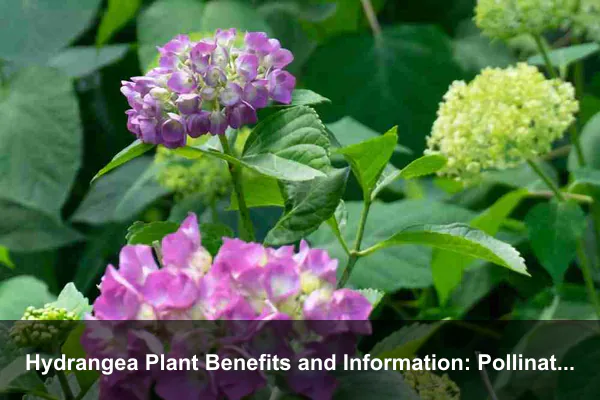
Hydrangeas are often chosen for their generous flower clusters, soft colors, and classic garden presence, but their value can go beyond decoration when they are selected and cared for with purpose. This guide to Hydrangea plant benefits and information focuses on a less repeated angle: how hydrangeas can support a more thoughtful ornamental garden through pollinator-aware variety choices, seasonal habitat value, safer handling, and practical care habits.
In the world of Manfaat Tanaman, or plant benefits, it is important to separate real everyday value from exaggerated claims. Hydrangeas are not edible herbs and should not be treated as home medicine, yet they can offer meaningful benefits as long-lived flowering shrubs, visual comfort plants, garden structure, learning tools, and nectar-supporting ornamentals when the right types are planted.
Why Hydrangeas Belong in Useful Ornamental Gardens
A hydrangea is a woody flowering shrub from the genus Hydrangea. Depending on the species, it may produce rounded mophead blooms, flat lacecap flowers, cone-shaped panicles, or native woodland-style clusters. These different bloom forms matter because they influence not only appearance, but also how useful the plant is for insects and the wider garden.
A benefit beyond flower color
Many people first learn about hydrangeas through their blue, pink, white, or greenish blooms. Flower color is attractive, but it should not be the only reason to grow the plant. Hydrangeas can soften harsh corners, make shaded areas feel intentional, provide repeat seasonal interest, and create a calmer visual rhythm in gardens that otherwise rely only on short-lived annual flowers.
Long-term landscape value
Unlike a bouquet that fades in days, a well-placed hydrangea can return for years. This makes it useful for homeowners who want a flowering plant with lasting value. Once established, many hydrangeas need less frequent replacement than bedding plants, reducing garden waste and helping the landscape mature naturally.
Pollinator Value Starts With the Right Hydrangea Type
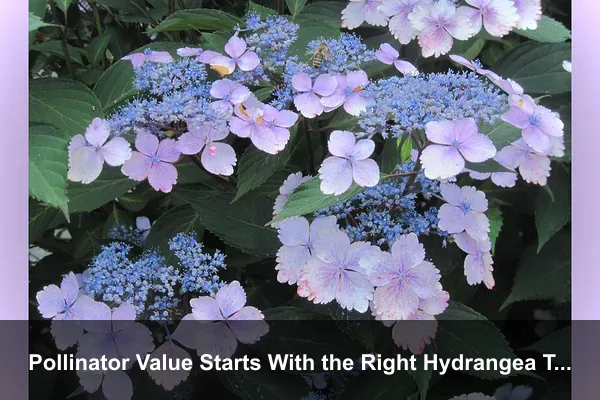
Not every hydrangea feeds pollinators equally. Some showy mophead varieties are dominated by sterile florets, which look full and dramatic but may offer little nectar or pollen. For a wildlife-aware garden, look for hydrangeas with visible fertile flowers, especially lacecap forms, oakleaf hydrangeas, smooth hydrangeas, and some panicle hydrangeas.
Better choices for garden life
Lacecap hydrangeas are often more useful to bees and small beneficial insects because their flat bloom structure exposes fertile flowers in the center. Oakleaf hydrangea adds another layer of value with textured leaves, summer flowers, autumn color, and peeling bark in winter. Smooth hydrangea, including forms related to Hydrangea arborescens, can also fit naturalistic gardens when the cultivar still provides accessible fertile flowers.
How to shop with pollinators in mind
When buying a hydrangea, do not choose by flower size alone. Inspect the bloom form, read the plant label, and ask whether the cultivar has fertile flowers. A huge flower head may be beautiful for the human eye, but a more open cluster may be more helpful for insects.
- Choose lacecap forms when pollinator access is a priority.
- Include native or regionally adapted species when suitable for your climate.
- Avoid relying only on highly modified blooms if wildlife value matters.
- Plant several flowering species nearby so pollinators have food before and after hydrangea season.
Key Hydrangea Plant Benefits for Home Gardens
The most realistic hydrangea benefits are practical, visual, and ecological. Hydrangeas make outdoor spaces feel fuller without needing constant replanting, and they can help gardeners pay closer attention to soil, light, and seasonal change.
Visual comfort and mood support
A flowering shrub can make a garden feel more settled and inviting. Hydrangeas have a soft, generous look that works well near seating areas, windows, side paths, and semi-shaded corners. Their large leaves and rounded blooms can reduce the feeling of a bare or hard landscape, which is one reason they are popular in wellness-focused garden design.
Seasonal observation
Hydrangeas are useful teaching plants because their leaves, buds, and flowers respond visibly to conditions. Wilting may show heat stress or dry soil. Weak flowering may suggest pruning at the wrong time, too much shade, or excess nitrogen. Pale leaves can encourage a gardener to check drainage, soil pH, or nutrient balance. In this way, hydrangeas help build better plant care habits.
Better use of partial shade
Many gardens have areas that receive morning sun and afternoon shade. Hydrangeas can make those spaces productive and attractive, especially where full-sun flowers struggle. This is one of the strongest benefits of the plant: it brings bloom value into places that might otherwise be underused.
Choosing Hydrangeas for Different Garden Goals
The best hydrangea is the one that matches your space, climate, and purpose. A plant chosen only for an online photo may disappoint if it dislikes the local heat, soil, or pruning routine.
For pollinator-aware borders
Use lacecap hydrangeas, oakleaf hydrangeas, or fertile-flowered panicle types near other nectar plants. Combine them with herbs, native perennials, and staggered bloomers so insects have a longer feeding season.
For structure and multi-season interest
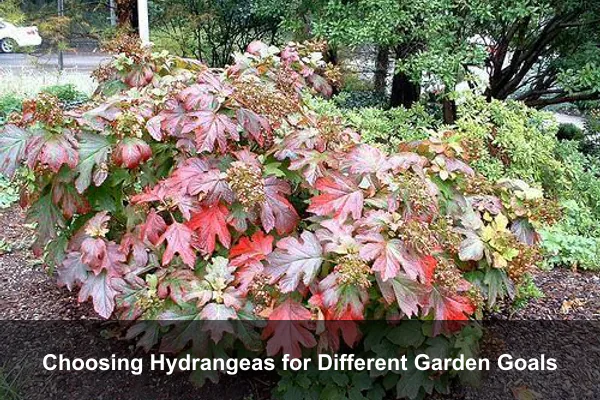
Oakleaf hydrangea is a strong choice where it is climate-appropriate because it offers flowers, leaf texture, fall color, and winter bark. Panicle hydrangeas can also provide upright structure and are often more sun-tolerant than bigleaf hydrangeas.
For classic garden color
Bigleaf hydrangeas are known for blue and pink tones, but the color effect depends on cultivar and soil chemistry. Acidic soil with available aluminum often supports bluer flowers, while more alkaline conditions may encourage pinker shades. This is interesting, but it should be treated as a garden experiment, not a guaranteed result.
- Match the hydrangea species to your climate first.
- Check mature size before planting near paths or walls.
- Choose bloom form based on your goal: showy display, pollinator access, or seasonal structure.
- Give the plant enough room for airflow and natural shape.
Care Information That Protects Hydrangea Benefits
Hydrangeas are not difficult plants when their basic needs are respected. Most problems come from poor placement, wrong pruning timing, dry roots during heat, or unrealistic expectations about bloom color.
Light and watering basics
Many hydrangeas prefer bright morning light with protection from intense afternoon sun, although panicle hydrangeas often tolerate more sun if watered well. Keep soil evenly moist, especially during the first year. Moist does not mean soggy; roots still need oxygen. Mulch helps keep soil temperature steadier and reduces water stress.
Soil and feeding
Hydrangeas generally perform best in fertile, well-drained soil with organic matter. Compost is often more useful than heavy feeding. Too much high-nitrogen fertilizer can push leafy growth at the expense of flowers. If you want to adjust blue or pink tones in bigleaf hydrangea, test the soil first instead of guessing.
Pruning without losing blooms
Pruning depends on the hydrangea type. Some bloom on old wood, meaning flower buds form on stems from the previous season. Others bloom on new wood and can be pruned more flexibly. Before cutting, identify the species. This single step prevents one of the most common hydrangea frustrations: removing next season’s flowers by accident.
Safety, Myths, and Responsible Use
Hydrangeas are best appreciated as ornamental plants, not food plants. Parts of the plant contain compounds that can be harmful if eaten, so keep them away from curious children and pets that chew plants. Wear gloves if you have sensitive skin, and wash hands after pruning or handling cut stems.
Some traditions mention hydrangea root in herbal contexts, but that does not make the garden plant safe for home remedies. For a public garden, family yard, or small patio, the responsible benefit is beauty, habitat value, shade interest, and learning, not ingestion.
Simple Hydrangea Care Calendar
A light seasonal routine keeps hydrangeas healthier and helps preserve their long-term benefits.
- Spring: check for winter damage, refresh mulch, and identify whether your hydrangea blooms on old or new wood before pruning.
- Early summer: water deeply during dry spells and watch for wilting during hot afternoons.
- Bloom season: observe which insects visit the flowers and note which plants nearby are also flowering.
- Late summer: avoid heavy nitrogen feeding that may encourage weak growth.
- Autumn: leave some dried flower heads for texture if the plant looks healthy and the style suits your garden.
- Winter: protect young plants in cold climates and avoid unnecessary cutting until you know the hydrangea type.
Conclusion
Hydrangea plant benefits and information are most valuable when viewed realistically. Hydrangeas bring long-lasting ornamental beauty, useful structure, partial-shade color, seasonal learning, and potential pollinator value when fertile-flowered types are chosen. They are not edible wellness plants, but they can make a home garden more beautiful, observant, and ecologically thoughtful.
For the best results, choose the hydrangea type before choosing the color, plant it where light and moisture match its needs, and care for it according to its bloom habit. With that approach, hydrangeas become more than pretty flowers; they become dependable garden companions with practical and lasting benefits.
