
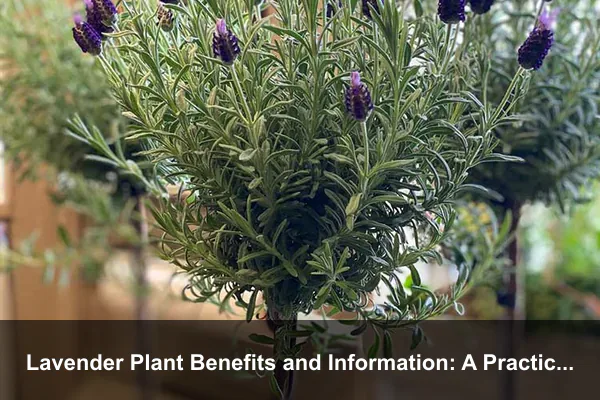
Lavender plant benefits and information are often discussed through fragrance, tea, sleep routines, or decorative garden value. A more practical way to understand lavender is to look at why this Mediterranean herb performs so well when its roots, soil, light, and climate are matched correctly. Lavender is not a plant that wants constant attention. It rewards restraint: lean soil, sharp drainage, full sun, good airflow, and careful watering.
This guide takes a soil-and-climate angle so gardeners can grow stronger lavender with fewer inputs, less waste, and fewer avoidable plant problems. Whether you want a compact border, a container herb, a dry-slope planting, or a low-maintenance flowering patch, lavender becomes much easier when you treat it as a sun-loving, drought-adapted plant rather than a thirsty bedding flower.
What Makes Lavender Different from Many Garden Herbs?
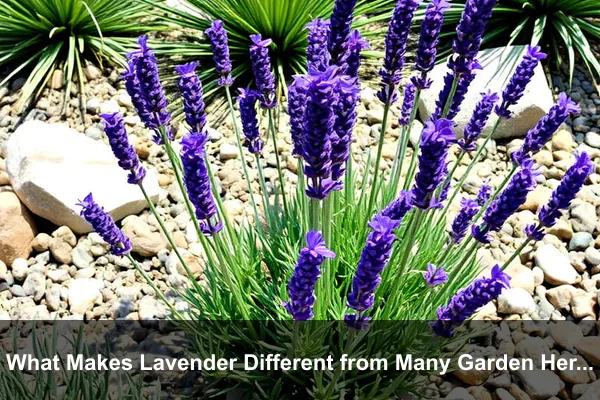
Lavender belongs to the Lavandula genus, a group of aromatic plants known for narrow leaves, fragrant oils, upright flower spikes, and strong adaptation to dry, open landscapes. Its natural growth habit explains much of its care. The plant is built for bright exposure, mineral-rich ground, and periods of dryness. When grown in heavy, wet, or overly fertile soil, lavender may look lush for a short time but often becomes weak, woody, or disease-prone.
The most useful lavender plant benefits and information begin with this simple idea: lavender is a resilience plant. Its best qualities appear when it is not overwatered, overfed, or crowded. The same conditions that make lavender easier to maintain also support better fragrance, tighter growth, and longer plant life.
Basic Botanical Profile
- Plant type: Woody perennial herb or subshrub.
- Best exposure: Full sun, ideally 6 or more hours of direct light daily.
- Soil preference: Well-drained, gritty, slightly alkaline to neutral soil.
- Main ornamental feature: Purple, blue, pink, or white flower spikes, depending on variety.
- Useful plant parts: Flowers and leaves, mainly for fragrance, crafts, garden design, and limited culinary use from suitable varieties.
Key Benefits of Lavender in Low-Input Gardens
Lavender is valuable because it offers beauty, scent, and ecological function without demanding rich soil or frequent watering. For gardeners who want practical plant benefits, it can help reduce maintenance while still creating a productive and attractive space.
Water-Smart Landscape Value
Once established, lavender can handle drier conditions better than many ornamental flowering plants. This makes it useful for gardeners who want to reduce watering, especially in sunny beds, gravel gardens, raised borders, and containers with fast-draining potting mixes. It is not a cactus and still needs care during establishment, but mature plants generally prefer deep, occasional watering over frequent light watering.
Fragrance Without Heavy Inputs
Lavender produces aromatic compounds in its foliage and flowers. These compounds contribute to its well-known scent, but strong fragrance depends on growing conditions. Full sun, moderate fertility, and good drainage often produce better aromatic quality than shaded or overly rich conditions. In practical terms, a slightly lean environment can improve both plant form and fragrance concentration.
Support for Garden Biodiversity
Lavender flowers can attract bees and other beneficial insects when blooming. It works well near vegetable gardens, fruiting plants, and mixed herb beds, provided it is placed where full sun and dry root conditions are available. It should not be forced into wet companion plantings that require frequent irrigation, because that often harms lavender roots.
Useful for Borders and Pathways
Because lavender has a naturally tidy shape when pruned correctly, it can be used along paths, patio edges, sunny entrances, and herb garden borders. Brushing past the foliage releases scent, making it useful in sensory garden design without needing artificial fragrance products.
Choosing the Right Lavender for Your Climate
One of the most overlooked pieces of lavender plant information is that not all lavender types perform the same way. Some tolerate cold better, while others prefer mild winters and dry summers. Choosing the right type reduces plant failure and makes care simpler.
English Lavender
English lavender, often listed as Lavandula angustifolia, is one of the most popular garden lavenders. It is valued for compact growth, sweet fragrance, and strong suitability for dried flowers and culinary use when the cultivar is intended for edible purposes. It generally handles cooler climates better than many other lavender types, but it still needs excellent drainage.
Lavandin
Lavandin, usually a hybrid known as Lavandula x intermedia, tends to grow larger and produce long flower stems. It is often used for fragrance production and ornamental mass planting. It can be a good choice for sunny, open areas where there is enough space for airflow and mature size.
Spanish Lavender
Spanish lavender, commonly associated with Lavandula stoechas, is recognized by its decorative top bracts. It is often better suited to warmer regions and may be less cold-hardy than English lavender. It works well as a visual feature in containers and sunny beds but still requires drainage and careful watering.
The Best Soil Conditions for Healthy Lavender
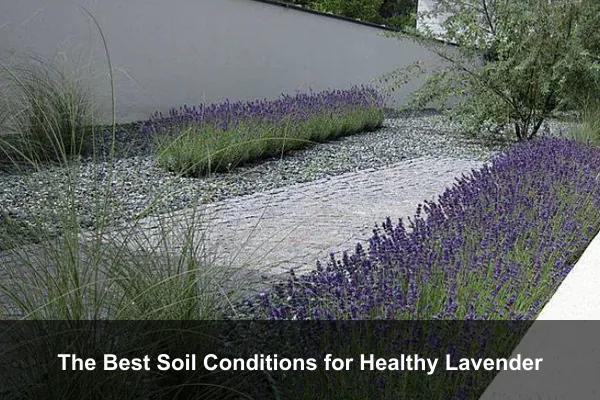
Soil is the foundation of successful lavender growing. Many lavender problems begin below the surface, especially in compacted soil or containers that hold too much moisture. If the roots cannot breathe, the plant may decline even when the top growth looks healthy at first.
Drainage Matters More Than Fertility
Lavender does not need rich, heavily amended soil. In fact, too much fertility can push soft leafy growth at the expense of strong stems, fragrance, and long-term resilience. Instead of adding heavy compost or high-nitrogen fertilizer, focus on structure. A gritty, open soil profile helps water move away from the crown and roots.
Ideal Soil Texture
The best soil for lavender is loose, mineral, and fast-draining. Sandy loam, gravelly soil, raised beds, and rock garden mixes can work well. Heavy clay can be improved, but it is often better to plant lavender in a raised mound or raised bed rather than trying to force it into a low, wet patch.
Container Soil Tips
For potted lavender, avoid dense mixes that stay wet for days. Use a container with drainage holes and a potting mix designed for herbs, Mediterranean plants, or cactus-style drainage, adjusted as needed with coarse mineral material. The goal is not to make the soil bone-dry at all times, but to prevent soggy roots.
Light, Airflow, and Placement
Lavender needs direct light to stay compact and aromatic. In weak light, the plant may stretch, produce fewer flowers, and become vulnerable to moisture problems. Good placement can reduce the need for corrective pruning, disease control, and replacement planting.
Full Sun Is Essential
Place lavender where it receives full sun for most of the day. Morning sun is useful, but strong midday and afternoon light are often what help the plant develop sturdy growth and abundant flower spikes. In very hot climates, a little afternoon relief may help containers, but deep shade is not suitable.
Give Each Plant Space
Spacing is not just about appearance. Lavender benefits from airflow around the crown and stems. Crowded plants trap humidity, especially after rain or watering. This can increase the risk of fungal issues and weak growth. When planting a row, leave enough room for the mature width of the variety instead of spacing based on the small nursery pot size.
Best Garden Locations
- Sunny raised beds with gravel mulch.
- Dry slopes where water naturally drains away.
- Patio containers with excellent drainage.
- Edges of herb gardens that are not watered too often.
- Walkways where scent can be enjoyed without crowding the plant.
Watering Lavender the Right Way
Watering is where many lavender plants are accidentally damaged. New plants need consistent moisture while establishing roots, but mature lavender dislikes frequent watering. A practical watering routine changes as the plant develops.
During Establishment
After planting, water deeply so the root ball and surrounding soil settle together. For the first several weeks, check soil moisture regularly. The plant should not dry out completely before roots extend, but the soil should not remain soggy. In hot weather, containers may need closer monitoring than garden beds.
After Establishment
Once lavender is established, reduce watering frequency. Deep, occasional watering encourages stronger roots. If rainfall is adequate, garden-grown lavender may need little supplemental water. In containers, water when the top portion of the mix has dried and the pot feels noticeably lighter.
Signs of Overwatering
- Yellowing leaves near the base.
- Drooping despite moist soil.
- Soft stems or crown rot.
- Weak fragrance and excessive leafy growth.
- Sudden decline after rainy periods.
Pruning for Shape, Airflow, and Longevity
Lavender becomes woody with age, but pruning helps keep it compact and productive. The goal is to shape the plant without cutting too far into old, leafless wood. Regular light pruning is better than waiting until the plant becomes large, open, and difficult to restore.
When to Prune
Prune lightly after flowering to remove spent flower stems and maintain shape. In suitable climates, a spring trim can also help remove winter damage and encourage fresh growth. Avoid severe late-season pruning in cold regions because tender new growth may be damaged by winter weather.
How Much to Remove
A common approach is to remove the flower stems and lightly shape the leafy portion of the plant. Do not cut into bare woody stems unless you know the specific variety can recover from that point. Most lavender responds best when some green growth remains on each pruned stem.
Practical Uses of Lavender Around the Home
Lavender is widely known for its scent, but its best home uses are simple and realistic. It can contribute to a calmer atmosphere, support garden beauty, and provide natural material for small household projects. It should be used thoughtfully, especially around sensitive people, pets, pregnant individuals, and anyone with allergies or medical conditions.
Dried Flower Bundles
Cut flower stems when some buds have opened but before the entire spike is fully mature. Hang small bundles upside down in a dry, shaded, well-ventilated area. Once dry, the stems can be used in simple arrangements, drawer sachets, or craft projects.
Fresh Garden Enjoyment
One of the simplest benefits of lavender is enjoying it in place. A healthy plant near a sunny path or seating area provides color, movement, and scent without harvesting. This makes lavender valuable even for gardeners who do not want to process herbs.
Careful Culinary Use
Some lavender varieties are used in cooking, especially English lavender, but not every ornamental lavender should be treated as food. Use only plants grown without unsafe sprays and clearly identified as suitable for culinary use. Lavender has a strong flavor, so small amounts are usually enough.
Common Lavender Problems and Practical Fixes
Most lavender issues come from unsuitable growing conditions rather than lack of effort. Before adding fertilizer or watering more often, check light, drainage, airflow, and planting depth.
Lavender Looks Leggy
Leggy growth usually points to insufficient sun, overcrowding, or irregular pruning. Move container plants to brighter exposure, thin surrounding plants, and prune after flowering to maintain a rounded shape.
Lavender Leaves Are Yellowing
Yellow leaves may indicate too much water, poor drainage, or overly rich soil. Check whether the soil stays wet too long. If the plant is in a pot, inspect the drainage holes and consider repotting into a sharper mix.
Lavender Is Not Flowering
Poor flowering may be caused by shade, excessive nitrogen, immature plants, or incorrect pruning timing. Give the plant more sun, avoid high-nitrogen fertilizer, and prune after bloom rather than removing forming buds.
The Plant Is Woody and Open
Older lavender naturally becomes woody. Regular trimming slows this process, but neglected plants may not recover fully from hard pruning. In many cases, taking cuttings or replacing very old plants is more effective than trying to force a complete renewal.
Safety and Responsible Use
Lavender is generally appreciated as a garden and aromatic plant, but natural does not always mean risk-free. Essential oils are concentrated and should be handled with caution. This article focuses on the plant itself, not medical treatment. Anyone using lavender products for health reasons should seek qualified guidance, especially if pregnant, nursing, taking medication, managing allergies, or caring for children or pets.
Garden Safety
Grow lavender without unnecessary chemical sprays if you plan to harvest flowers. Label culinary plants clearly and keep ornamental or treated plants separate from edible herbs. If skin irritation or scent sensitivity occurs, reduce contact and avoid enclosed spaces filled with strong dried lavender.
Pet Considerations
Pets may react differently to aromatic plants and essential oils. Keep concentrated lavender products away from animals, and prevent chewing if a pet shows interest in the plant. For pet-specific concerns, consult a veterinarian.
Simple Lavender Growing Plan for Beginners
If you are starting with one plant, keep the process simple. Lavender often fails because gardeners try to make it too comfortable. Instead, match its natural preferences and let the plant grow steadily.
- Choose the right type for your climate, such as English lavender for many cooler gardens or Spanish lavender for warmer mild regions.
- Pick a full-sun location with open airflow and no standing water.
- Improve drainage with a raised bed, mound, gravelly mix, or suitable container.
- Water carefully during establishment, then reduce frequency as roots develop.
- Prune lightly after flowering to keep the plant compact.
- Harvest modestly only from healthy, unsprayed plants identified for the intended use.
Conclusion
Lavender plant benefits and information become much more useful when viewed through the plant’s natural preferences. Lavender is not difficult because it needs complicated care. It becomes difficult when it is placed in shade, heavy soil, crowded beds, or constantly damp pots. Give it sun, drainage, space, and restrained watering, and it can reward you with fragrance, flowers, pollinator value, and long-lasting garden structure.
For a low-input herb garden, lavender is one of the most practical plants to grow. Its beauty is not separate from its resilience. The same dry, bright, well-aerated conditions that keep lavender healthy also help improve scent, shape, and everyday usefulness around the home and garden.
