
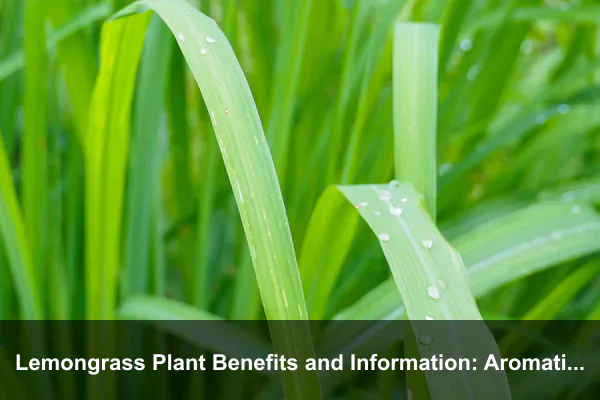
Lemongrass is one of those plants that earns its place in more than one part of the home. It looks like a graceful ornamental grass, smells like fresh citrus when brushed or cut, and gives cooks a clean lemon flavor without the acidity of lemon juice. For gardeners, it is also a practical plant: fast in warm weather, useful near outdoor living areas, and productive enough that a single healthy clump can supply teas, broths, marinades, and fragrant home routines for months.
This guide takes a different angle from a basic growing or harvesting manual. Instead of treating lemongrass only as a herb to cut and cook, it looks at the full value of the plant as an aromatic edible landscape plant. You will learn what lemongrass is, why its scent and structure matter, how to place it for daily benefit, what wellness claims deserve caution, and how to use it safely in a home garden. The main focus is Lemongrass plant benefits and information for people who want a useful, attractive, and responsible plant in their kitchen garden, patio, or edible border.
Lemongrass at a Glance: More Than a Kitchen Stalk
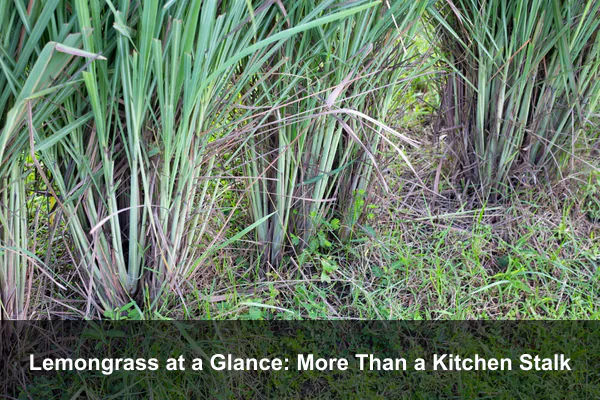
Lemongrass belongs to the genus Cymbopogon, a group of aromatic grasses known for essential oils stored in their leaves and stems. The species most commonly used in cooking is Cymbopogon citratus, often called West Indian lemongrass, while Cymbopogon flexuosus, or East Indian lemongrass, is also used in food and fragrance. Both are valued for their lemon-like aroma, although the exact flavor and oil profile can vary.
Botanically, lemongrass is not a citrus plant. It is a perennial grass in the Poaceae family, the same broad plant family that includes many turf, grain, and ornamental grasses. Its appeal comes from a dense clumping habit, upright leaves that arch as they lengthen, and pale, fibrous stalk bases that hold the strongest culinary flavor. In tropical and subtropical climates, a mature clump can become a bold garden feature. In cooler climates, it is often grown as a warm-season annual or kept in a large container that can be protected before freezing weather.
Why the Plant Smells Like Lemon
The recognizable fragrance comes largely from aromatic compounds such as citral, along with other terpenes and plant chemicals. Citral is one reason lemongrass is used in foods, soaps, perfumes, and household products. The scent is bright and fresh, but it is also strong, so home use should be balanced. A few bruised leaves can perfume a kitchen or patio; concentrated essential oil is a very different product and should be treated with far more caution.
Lemongrass Versus Citronella Grass
Many people confuse lemongrass with citronella grass. They are related, but they are not identical. Citronella grass, such as Cymbopogon nardus, is best known as a source of citronella oil used in some repellent products. Culinary lemongrass is grown mainly for its edible stalks and lemony flavor. Lemongrass may contribute a pleasant aromatic atmosphere outdoors, but simply planting it beside a chair should not be treated as a complete mosquito-control plan.
Aromatic Edible Landscaping: The Most Useful Lemongrass Benefit
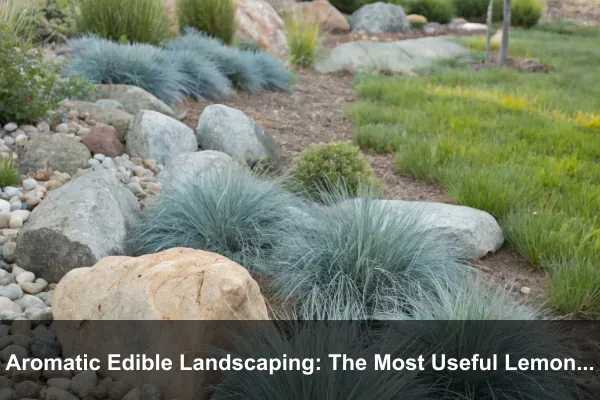
The most distinctive benefit of lemongrass is that it works as both a food plant and a design plant. Many herbs are useful but visually small. Lemongrass has presence. Its tall leaves create movement, texture, and a soft screen, while the base keeps producing stalks that can be cut for cooking. This makes it especially valuable in edible landscaping, where the goal is to blend beauty and usefulness instead of separating ornamental beds from food gardens.
In a sunny yard, lemongrass can frame a walkway, soften the corner of a vegetable bed, or create a fragrant transition between a patio and a kitchen garden. When planted in a row with enough spacing and airflow, it can act as a seasonal privacy edge. In a container, it can become a movable focal point near a door, balcony rail, or outdoor prep table. This is a unique advantage for small homes because one plant can provide height, scent, and harvestable material without needing a large orchard or raised-bed system.
Design Value in the Garden
Lemongrass gives the eye three qualities that many edible plants lack: vertical rhythm, fine texture, and year-round or long-season greenery in warm regions. The leaves catch light beautifully in the morning and move with the wind, which makes a productive garden feel less rigid. The plant also pairs well with broader-leaved edibles such as ginger, turmeric, chili peppers, basil, eggplant, and roselle, because its narrow blades contrast with their foliage.
Scent as a Placement Tool
The aroma is strongest when leaves are crushed, cut, or brushed. That means placement matters. A lemongrass clump at the back of a bed may look good but rarely release scent into daily life. A plant near a path, gate, hose point, or kitchen door is more likely to be touched and noticed. This turns scent into a practical design feature rather than a hidden benefit.
Everyday Benefits Without Overstating the Science
Lemongrass has a long history of traditional use in teas, soups, herbal preparations, and aromatic products. Modern research has identified many compounds in the plant, and laboratory studies have explored antibacterial, antioxidant, anti-inflammatory, and other properties. However, a responsible article about lemongrass plant benefits and information should separate culinary and lifestyle benefits from medical claims. Eating lemongrass in normal food amounts is not the same as using extracts, capsules, or essential oils as treatment.
Culinary Benefits
In the kitchen, lemongrass adds a lemony, slightly ginger-like flavor without making food sour. This helps reduce reliance on heavy sauces, excessive salt, or artificial flavorings. The stalks can be smashed and simmered in broths, coconut soups, rice, curries, sauces, and herbal drinks, then removed before serving if they are too fibrous. The tender inner base can also be finely minced for marinades or pastes when prepared carefully.
- Flavor clarity: Lemongrass brightens rich foods such as coconut milk, grilled fish, chicken, tofu, and legumes.
- Low-calorie aroma: A small amount provides strong fragrance without adding much sugar, fat, or sodium.
- Versatility: It suits Southeast Asian dishes, herbal teas, syrups, pickles, and simple infused water.
- Freshness at home: Growing it yourself gives access to fresher stalks than many supermarket bundles.
Wellness and Mood Benefits
Many people associate lemongrass tea with relaxation, digestion, and evening routines. The warm liquid, citrus aroma, and repeated ritual may all support a calmer mood. That does not mean lemongrass tea should be described as a cure for anxiety, insomnia, digestive disease, or infection. Reputable medical herb references note that human evidence is limited for many of these uses. A sensible approach is to enjoy lemongrass as a flavorful beverage or aromatic herb while seeking professional care for persistent symptoms.
Home Atmosphere Benefits
A fresh bundle of lemongrass leaves can make a kitchen smell clean and lively. Dried leaves can be used in sachets, potpourri blends, or simmer pots. In the garden, the plant brings a tropical feeling without needing flowers. These benefits are simple but real: a home that smells fresh, offers useful plants near the door, and invites daily interaction with greenery can feel more restorative.
Where to Plant Lemongrass for Maximum Practical Value
Because lemongrass grows large in the right conditions, it should be placed with intention. A tiny starter plant can become a wide clump by the end of a hot season. The best location is not merely the sunniest empty space; it is the place where the plant’s height, scent, and harvest value serve a daily purpose.
Kitchen-Door Zone
If you cook with herbs often, place lemongrass where you can cut a stalk without walking across a wet lawn or searching through a crowded bed. A container near the back door or a clump at the end of a kitchen path makes the plant easier to use. Frequent visibility also helps you notice dry soil, crowded growth, or frost risk before the plant declines.
Patio and Seating Areas
Near patios, lemongrass works best as a background or edge plant rather than a centerpiece blocking conversation. Its leaves can be sharp along the edges, so avoid placing it where people will brush bare legs constantly. Give it space behind lower herbs, beside a sunny wall, or in a large pot that can be moved if the area becomes too crowded.
Edible Borders and Privacy Edges
In warm regions, multiple clumps can form a fragrant edible border. This works especially well along a fence, driveway edge, or sunny side yard. Space plants generously so air can move between them. Dense, wet clumps may look lush but can become messy and harder to maintain. A border should be productive, not a wall of tangled blades.
Containers for Small Spaces
For balconies, rentals, and cold-winter areas, containers are often the smartest option. Use a large pot with drainage and enough weight to hold a tall grass steady in wind. A container-grown plant may need more water than one in the ground, but it gives you control over soil, placement, and winter protection. This is one of the easiest ways to enjoy lemongrass benefits without committing permanent garden space.
Climate-Smart Growing Information for Different Homes
Lemongrass is heat-loving. It grows slowly in cool weather, accelerates when summer becomes warm, and suffers when exposed to frost. Understanding this rhythm is more useful than memorizing a single care schedule. The plant wants sun, warmth, moisture, drainage, and room for its clump to expand.
| Home Situation | Best Lemongrass Strategy | Main Watch Point |
|---|---|---|
| Warm garden | Grow in the ground as a perennial clump or edible border. | Prevent overcrowding and remove frost-damaged leaves after cold spells. |
| Cold-winter garden | Grow as an annual or lift a division before freezing weather. | Do not wait until repeated hard frosts damage the crown. |
| Apartment balcony | Use one large, well-drained container in strong sun. | Check moisture often because pots dry faster than garden soil. |
| Indoor winter storage | Keep a smaller division in bright light with reduced watering. | Avoid soggy soil during slow winter growth. |
Warm and Humid Regions
In tropical and subtropical areas, lemongrass can be a low-input plant once established. It still responds well to compost, regular moisture, and occasional division. In these climates, the challenge is often size management. Cut older material, keep the base open enough for airflow, and divide oversized clumps when they become woody or difficult to harvest.
Dry or Cool Regions
In dry climates, lemongrass needs more deliberate watering. It prefers moisture but dislikes waterlogged soil, so the goal is an evenly moist root zone with good drainage. In cool regions, growth may be modest until true summer heat arrives. Start with a healthy plant, place it in full sun, and consider containers if you want to move it to a protected location in autumn.
Indoor Growing Limits
Lemongrass can survive indoors, but it is not usually a perfect indoor houseplant. It wants strong light and can become large, sharp-edged, and thirsty. Indoors, think of it as a protected overwintering plant rather than a decorative tabletop herb. A sunny window, modest watering, and trimmed growth can keep a division alive until outdoor conditions improve.
How to Use Lemongrass Responsibly in Food and Home Routines
The safest and most enjoyable uses of lemongrass are culinary. Fresh stalks, leaves for tea, and aromatic simmering are traditional, accessible, and easy to control. Concentrated products require more care. Essential oil should not be swallowed casually, applied undiluted to skin, or used as a substitute for medical treatment.
Leaves, Stalks, and Bases
The leaves are excellent for infusions but can be tough and sharp. The lower stalk base is more prized for cooking because it has a concentrated aroma and a more usable texture after trimming. The outer layers are often fibrous, so cooks commonly peel them away, bruise the stalk, simmer it, and remove it before serving. If mincing lemongrass into food, use only the tender portion and cut it very finely.
Simple Home Uses
- Tea: Steep clean, chopped leaves or sliced stalks in hot water for a fragrant drink.
- Broth: Add bruised stalks to soups, then remove before serving.
- Rice or grains: Simmer a stalk with rice, quinoa, or broth-based grains for subtle aroma.
- Marinade: Blend tender lemongrass with garlic, ginger, chili, lime, and oil for grilled foods.
- Simmer pot: Use leaves with citrus peel or ginger to freshen the kitchen scent.
Safety Notes
Use caution if you are pregnant, trying to become pregnant, managing kidney or liver disease, taking regular medication, or considering concentrated supplements. Some medical herb references advise avoiding medicinal amounts during pregnancy and being careful with high intake or essential oil exposure. Skin contact with essential oil can also irritate sensitive people. For pets, avoid letting animals chew large amounts of the plant, and keep essential oils away from them unless a veterinarian gives specific guidance.
Common Mistakes That Reduce Lemongrass Benefits
Most lemongrass problems come from treating it like a small soft herb. It is a vigorous grass with a large root system, strong leaves, and seasonal needs. Avoiding a few common mistakes makes the plant easier to manage and more useful.
- Planting it in deep shade: Shade reduces vigor, fragrance, and stalk production.
- Using a tiny pot: Small containers dry quickly and restrict the clump before it becomes productive.
- Letting water sit around the crown: Moisture is helpful, but soggy soil encourages rot.
- Ignoring leaf edges: The blades can be rough or sharp, so wear gloves when cutting large amounts.
- Expecting instant harvests: Give young plants time to form thick stalks before heavy cutting.
- Confusing culinary use with medicine: Food use is not the same as high-dose extracts or essential oil therapy.
- Waiting too long before frost: In cold regions, protect or divide the plant before freezing damage becomes severe.
A Simple Seasonal Plan for a Productive Clump
A seasonal plan keeps lemongrass useful without turning it into a demanding project. Adjust timing to your climate, but use the plant’s growth cycle as the guide.
Spring
Start with a division, nursery plant, or rooted stalk once frost danger has passed. Choose a warm, sunny site and enrich the planting area with compost if the soil is poor. If the plant is in a container, refresh the potting mix and check drainage holes before growth speeds up.
Summer
This is the main growth season. Water deeply during dry periods, cut a few outer stalks once the base is thick enough, and remove dead or damaged leaves. Summer is also the best time to observe whether the plant is placed well. If you never touch or harvest it, move a container closer to the kitchen or plan a better in-ground location next season.
Autumn
Harvest more heavily before cold weather in regions that freeze. Save a rooted division for overwintering if you want continuity. In warm climates, clean the clump lightly and reduce overcrowded material. Do not cut every green leaf away unless you have a clear reason; the plant still needs foliage to feed its crown.
Winter
In frost-free climates, lemongrass may slow down but remain part of the landscape. In cold climates, overwinter a pot or division in the brightest practical location. Water less than in summer because growth is slower, but do not let the root ball become bone dry for long periods.
Reliable References for Lemongrass Information
For growing guidance, useful references include the University of Wisconsin Extension lemongrass profile, the Utah State University Extension growing guide, and the Royal Horticultural Society profile for Cymbopogon citratus. For edible landscape placement, the UF/IFAS edible ornamental landscaping guide is helpful because it discusses lemongrass as a border and landscape plant. For health-related caution, review evidence-aware resources such as Memorial Sloan Kettering Cancer Center and published summaries on PubMed.
Conclusion: Lemongrass Is Best Valued as a Whole-Home Plant
Lemongrass is more than a stalk sold in the produce aisle. It is a fragrant, clump-forming, tropical grass that can flavor food, shape a garden, freshen everyday routines, and bring sensory richness to a sunny home landscape. Its best benefits come when it is placed where people actually interact with it: near a kitchen path, patio edge, balcony container, edible border, or warm garden bed.
The key is to use lemongrass with balance. Enjoy it generously as a culinary herb, respect its size as a landscape plant, and be cautious with concentrated oils or medicinal claims. When grown in the right place and used responsibly, lemongrass offers a rare mix of beauty, aroma, flavor, and practical value, making it one of the most rewarding herbal plants for gardeners who want their landscapes to do more than simply look green.
