

Roses are often described only as romantic flowers, but a well-chosen rose plant can be much more practical than that. In home gardens, community landscapes, school plots, and small urban yards, roses can provide long seasons of color, pollinator interest, fragrant outdoor moments, natural learning material, and meaningful cultural value. This guide explores Rose plant benefits and information from a distinctive angle: how heritage traits, disease-resistant selections, and thoughtful placement can help gardeners enjoy roses with less waste, fewer frustrations, and better long-term results.
In the context of Manfaat Tanaman, or plant benefits, roses stand out because their value is layered. They are ornamental, symbolic, ecological, sensory, and practical. The key is not simply planting any rose because it looks beautiful in a photo. The better approach is to understand rose types, local growing conditions, maintenance needs, and the real benefits each variety can bring to your space.
Why Roses Still Matter in Modern Gardens
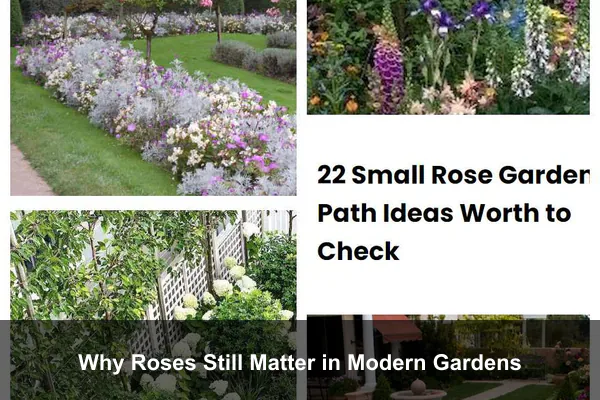
The rose plant remains one of the most recognized flowering plants in the world because it connects beauty with function. A healthy rose can soften hard landscapes, mark a garden entrance, brighten a sitting area, and create a memorable seasonal rhythm. Unlike short-lived decorative items, a well-established rose can return year after year with stronger roots and richer character.
One important benefit of roses is their ability to make a garden feel intentional. Even one rose shrub near a gate, bench, or sunny wall can become a focal point. In larger landscapes, roses can be used as borders, informal hedges, flowering screens, or anchor plants in mixed beds.
Core benefits of rose plants
- Visual beauty: Roses add strong color, bloom shape, and texture to garden spaces.
- Fragrance: Many varieties offer natural scent that improves outdoor enjoyment.
- Pollinator support: Open, single, or semi-double flowers can attract bees and beneficial insects.
- Cultural meaning: Roses are linked with love, remembrance, welcome, celebration, and respect.
- Garden structure: Shrub and climbing roses help define paths, fences, seating areas, and entrances.
- Learning value: Roses teach pruning, seasonal observation, soil care, and plant health monitoring.
Heritage Roses and Their Special Value
Heritage roses, sometimes called old garden roses, are valued for their history, fragrance, strong character, and traditional flower forms. They are not always the best choice for every garden, but they offer a meaningful alternative to modern roses selected only for perfect florist-style blooms.
Many heritage roses have deep fragrance, graceful growth habits, and petals with a softer, more natural appearance. Some bloom once in a spectacular seasonal display, while others repeat through the growing season. Their main benefit is not just beauty, but a sense of continuity. Planting a heritage rose can connect a garden with older gardening traditions and local plant stories.
When heritage roses are a good choice
Choose heritage roses when you want a plant with character, scent, and historical charm. They are especially suitable for cottage gardens, traditional homes, educational gardens, and spaces where the plant’s story matters as much as the flower.
However, gardeners should still check local disease pressure, climate suitability, and mature size. Some old roses become large shrubs and need generous spacing. Others may need good airflow to reduce fungal problems.
Disease-Resistant Roses for Easier Success
One of the most practical pieces of Rose plant benefits and information is this: the best rose is not always the most dramatic flower. For many gardeners, the best rose is the one that stays healthy with realistic care. Disease-resistant varieties can reduce the need for chemical sprays, lower maintenance costs, and make rose growing more accessible for beginners.
Common rose problems include black spot, powdery mildew, rust, aphids, and weak flowering caused by poor light or stressed roots. While no rose is completely problem-free, disease-resistant selections give gardeners a stronger starting point.
Traits to look for before buying
- Healthy foliage: Choose plants with clean, green leaves and no heavy spotting.
- Local performance: Ask which varieties grow well in your region, not just which look good online.
- Repeat flowering: Repeat bloomers provide longer ornamental value.
- Open flower form: Single and semi-double roses are often more useful for pollinators.
- Manageable size: Match the mature width and height to your available space.
- Strong root system: Avoid weak, pot-bound, or overly dry plants.
Disease resistance is especially important in humid climates, small gardens with limited airflow, and shared spaces where intensive maintenance is difficult. A resilient rose supports the broader idea of Manfaat Tanaman because the plant gives lasting value without demanding excessive inputs.
Rose Plant Benefits for Community and Shared Spaces
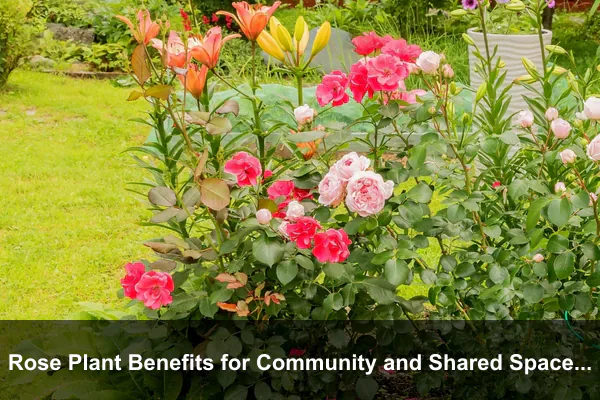
Roses can work well in community gardens, public corners, school gardens, and shared housing landscapes when the right types are selected. In these settings, roses should be chosen for durability, visibility, safety, and easy care rather than rare collector appeal.
A rose planted near a walkway can create seasonal interest for many people, not only the gardener who planted it. Fragrant varieties near seating areas can make outdoor spaces feel more welcoming. Flowering shrubs can also encourage residents or students to observe insects, weather patterns, bud formation, and seasonal plant cycles.
Best rose features for shared gardens
- Compact growth: Easier to prune and less likely to block paths.
- Good disease resistance: Reduces dependence on frequent spraying.
- Clear placement: Keeps thorny stems away from narrow walkways.
- Long bloom season: Provides more value for shared viewing areas.
- Simple care needs: Makes maintenance easier for volunteers or busy homeowners.
For shared spaces, avoid placing very thorny climbing roses where people brush past them. Instead, use roses as visible but controlled accents near sunny borders, low fences, or open beds. This protects both the plant and the people using the space.
Understanding Rose Types Before Planting
Roses come in many forms, and each type offers different benefits. Understanding these differences helps prevent disappointment and makes garden planning more accurate.
Shrub roses
Shrub roses are among the most practical choices for home landscapes. They usually have a natural rounded shape, good flowering potential, and strong garden presence. Many modern shrub roses are bred for improved disease resistance and easier care.
Climbing roses
Climbing roses are useful for walls, arches, pergolas, and fences. They need training and support, but they can create impressive vertical displays. Their benefit is space efficiency, especially where ground area is limited but vertical surfaces are available.
Miniature and patio roses
Miniature roses are compact and suitable for small gardens, patios, and balcony containers. They still need proper sunlight, drainage, and feeding. Their small size makes them appealing, but they should not be treated as disposable indoor decorations.
Species and single-flowered roses
Species roses and single-flowered varieties often have a more natural look. Their open blooms can be more accessible to pollinators, and some produce attractive hips after flowering. They are excellent for gardeners who want ecological value as well as beauty.
Basic Rose Care for Long-Term Benefits
Roses reward consistent care more than complicated care. The main essentials are sunlight, airflow, fertile soil, steady watering, and timely pruning. When these basics are in place, roses are more likely to deliver their full benefits.
Sunlight and placement
Most roses need at least six hours of direct sunlight per day. Morning sun is especially helpful because it dries dew from the leaves and may reduce fungal disease pressure. Avoid crowded corners where air cannot move freely.
Soil and watering
Roses prefer well-draining soil enriched with organic matter. Soil should hold some moisture but not stay waterlogged. Deep watering is better than frequent shallow watering because it encourages deeper roots.
- Water at the base rather than constantly wetting the leaves.
- Use mulch to reduce evaporation and protect soil structure.
- Avoid overwatering in heavy clay or poorly drained beds.
- Refresh compost or organic matter during the growing season as needed.
Pruning and airflow
Pruning removes weak, dead, crossing, or crowded stems. This improves plant shape and helps sunlight reach the interior of the shrub. Good pruning also supports stronger flowering because the plant can direct energy into healthy growth.
Safety, Thorns, and Responsible Use
Roses are generally safe ornamental plants, but they still require thoughtful handling. Thorns can scratch skin, and some people may be sensitive to fragrance or pollen. Gardeners should wear gloves when pruning and avoid placing thorny plants where children, pets, or visitors may frequently brush against them.
If petals or hips are intended for culinary or herbal use, only use roses grown without unsafe pesticides and correctly identified for that purpose. Do not consume flowers from florists, roadsides, or unknown sources. Practical plant benefits must always include safe use.
Design Ideas That Make Roses More Useful
Roses are most valuable when they are integrated into the garden rather than treated as isolated showpieces. Pairing roses with compatible plants can improve visual depth, support biodiversity, and reduce bare soil.
Companion planting ideas
- Lavender: Offers contrasting foliage and fragrance in sunny, well-drained spaces.
- Salvia: Adds pollinator-friendly flowers and vertical texture.
- Alliums: Provide round blooms and seasonal structure.
- Geraniums: Help cover soil around rose bases in informal beds.
- Herbs: Some herbs add scent, texture, and useful harvests nearby.
Good design also means giving roses enough room. Crowding plants may look full at first, but it can reduce airflow and increase disease problems later. A little spacing often leads to healthier, more beautiful roses.
Conclusion: Choosing Roses for Beauty and Real Garden Value
The best way to understand Rose plant benefits and information is to look beyond the flower alone. Roses can offer fragrance, color, symbolism, pollinator value, garden structure, and seasonal learning. Their benefits become stronger when gardeners choose varieties suited to local conditions, favor disease resistance, and place plants where they can grow well for years.
Whether you prefer heritage roses with old-world charm, compact roses for small spaces, or resilient shrub roses for shared gardens, the goal is the same: choose with purpose. A rose plant is not just decoration. With the right care and selection, it becomes a living feature that supports beauty, comfort, culture, and practical plant value in the garden.
