
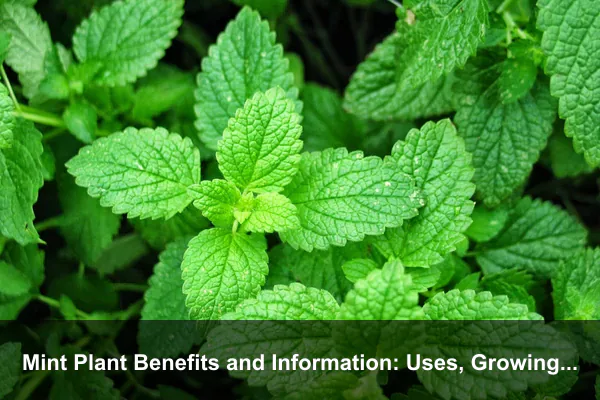
Mint is one of the most useful herbs you can grow at home. Known for its fresh fragrance, fast growth, and cooling flavor, the mint plant is more than a kitchen garnish. It can support homemade drinks, simple herbal routines, pollinator-friendly gardens, and practical container gardening for beginners.
This guide to mint plant benefits and information focuses on what makes mint different from common ornamental houseplants. Instead of treating it only as decoration, you will learn how mint works as an edible herb, how to grow it without letting it take over, and how to use it safely in everyday life.
What Is a Mint Plant?
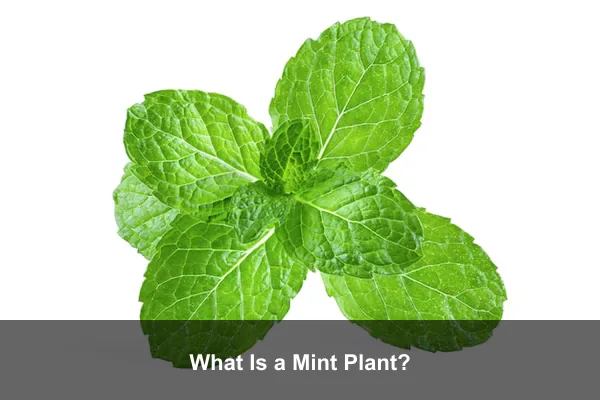
Mint is a group of aromatic herbs from the Mentha genus. Popular types include peppermint, spearmint, apple mint, chocolate mint, and pineapple mint. Most mint plants have square stems, opposite leaves, and a strong scent released when the leaves are touched or crushed.
Unlike slow-growing decorative plants, mint spreads quickly through underground runners. This makes it productive and easy to harvest, but it also means mint needs smart placement. In garden beds, it can become aggressive. In containers, it becomes one of the easiest herbs to manage.
Common Types of Mint
- Spearmint: Mild and sweet, often used in teas, salads, sauces, and cold drinks.
- Peppermint: Stronger and sharper, commonly used for tea, desserts, and aromatic herbal preparations.
- Apple mint: Softer, fruity, and pleasant for fresh summer drinks.
- Chocolate mint: A popular choice for desserts and flavored beverages.
- Pineapple mint: Variegated leaves and a sweet scent, useful for both flavor and garden interest.
Top Mint Plant Benefits
The benefits of mint come from its aroma, edible leaves, fast growth, and versatility. It is not just a plant to look at; it is a plant you can harvest repeatedly.
Fresh Flavor for Food and Drinks
One of the best mint plant benefits is its culinary value. Fresh mint can brighten tea, lemonade, smoothies, fruit salad, yogurt, soups, sauces, and vegetable dishes. A few leaves can change a simple recipe into something cleaner and more refreshing.
Natural Fragrance Around the Home
Mint leaves contain aromatic oils that create a crisp scent. A small pot near a sunny kitchen window or patio can make the area feel fresher. You can also crush a few leaves before adding them to a bowl of warm water for a quick natural aroma boost.
Helpful for Beginner Gardeners
Mint is forgiving. It grows fast, recovers well after trimming, and does not require complicated care. For new gardeners, this quick feedback is encouraging because the plant shows visible progress within weeks.
Pollinator Support
If allowed to flower, mint produces small blooms that can attract bees and other beneficial insects. In an outdoor herb garden, this can help support a more active and balanced garden environment.
How to Grow Mint Successfully
Mint is easy to grow, but it performs best when given the right balance of light, water, soil, and space. The most important rule is simple: grow mint where you can control its spread.
Best Light for Mint
Mint prefers bright light and can grow well in full sun to partial shade. In hot climates, afternoon shade can protect the leaves from stress. Indoors, place mint near a bright window where it receives several hours of natural light each day.
Watering Needs
Mint likes consistently moist soil, but it should not sit in soggy conditions. Water when the top layer of soil begins to feel dry. Container-grown mint may need more frequent watering than mint planted in the ground, especially during warm weather.
Soil and Pot Choice
Use loose, fertile, well-draining soil. A pot with drainage holes is essential. Choose a container that is at least 8 to 12 inches wide so the roots have enough room to grow. If you want a fuller plant, use a wider pot rather than a very deep one.
Why Containers Are Best for Mint
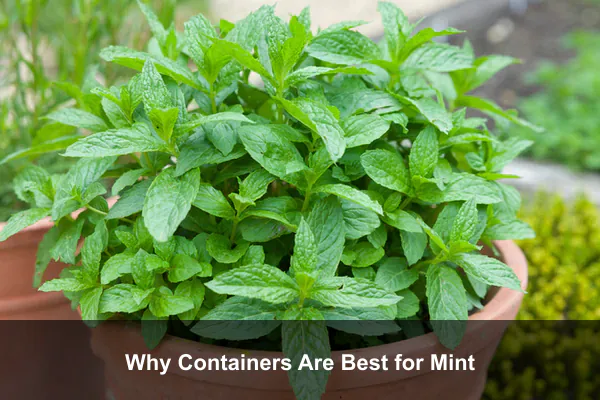
Mint is famous for spreading beyond its original space. In open garden beds, its runners can move under the soil and appear in nearby areas. This is why containers are often the best solution for home growers.
Growing mint in a pot keeps the plant productive while preventing unwanted spreading. It also makes harvesting easier because the plant can sit near a kitchen door, balcony, patio, or sunny windowsill.
Container Growing Tips
- Use a pot with good drainage holes.
- Place the container where the plant receives bright light.
- Water regularly, especially in warm weather.
- Trim the stems often to encourage bushy growth.
- Refresh the soil or divide the plant when it becomes crowded.
How to Harvest and Use Mint Leaves
Harvesting mint is simple. Pick leaves as needed, or cut stems just above a leaf node. Regular trimming helps the plant grow fuller instead of becoming tall and thin.
The best time to harvest is usually in the morning after the leaves are dry but before intense heat. Young, fresh leaves often have the best flavor. If the plant starts flowering, you can still use the leaves, but the flavor may become slightly stronger or less tender.
Everyday Uses for Fresh Mint
- Add leaves to hot tea or iced tea.
- Mix chopped mint into yogurt, fruit, or salad.
- Use it in homemade lemonade or infused water.
- Add it to sauces for lamb, vegetables, or grain bowls.
- Dry the leaves for later use in herbal tea blends.
Mint Plant Safety and Practical Precautions
Mint is widely used as a culinary herb, but it should still be used thoughtfully. Fresh mint leaves in normal food amounts are suitable for many people, but concentrated mint oil is much stronger and should not be treated the same as fresh leaves.
People with reflux, certain digestive sensitivities, allergies, or medical conditions should be cautious with strong mint preparations. Pregnant people, nursing parents, and anyone using medication should ask a qualified professional before using mint in concentrated or medicinal amounts.
Pet Considerations
Many households grow herbs around cats and dogs, so placement matters. Keep mint pots where pets cannot chew large amounts. If a pet eats a significant quantity or shows unusual symptoms, contact a veterinarian.
Common Mint Growing Problems
Mint is resilient, but it can still face issues. Most problems come from poor light, crowded roots, dry soil, or weak airflow.
Leggy Growth
If mint grows long, thin stems with wide gaps between leaves, it probably needs more light or more frequent trimming. Move it to a brighter spot and prune it back to encourage compact growth.
Yellow Leaves
Yellowing leaves may come from overwatering, poor drainage, nutrient shortage, or old growth. Check the soil first. If it feels constantly wet, improve drainage and reduce watering frequency.
Pests
Aphids, spider mites, and whiteflies can occasionally appear. Rinse the plant gently, remove badly affected stems, and improve airflow. For edible plants, choose pest control methods that are safe for herbs you plan to consume.
Conclusion
Mint is a practical, fragrant, and rewarding herb for homes, balconies, patios, and gardens. Its biggest strengths are fresh flavor, fast growth, easy harvesting, and everyday usefulness. With enough light, steady moisture, and a container to control its spreading habit, mint can become one of the most reliable plants you grow.
For anyone searching for mint plant benefits and information, the key takeaway is that mint is both simple and productive. Treat it as an edible herb, harvest it often, manage its roots carefully, and it will keep giving you fresh leaves for teas, recipes, and natural home fragrance.
