
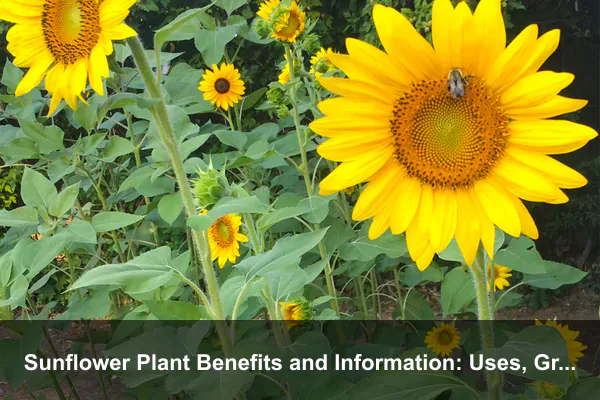
Sunflowers are more than cheerful yellow flowers that follow the mood of summer. For many gardeners, they are one of the most useful flowering plants because they bring beauty, food value, pollinator activity, and practical garden structure into one easy-to-grow crop. Understanding sunflower plant benefits and information helps you choose the right variety, grow healthier plants, harvest seeds at the right time, and use sunflowers in a way that supports both people and the surrounding garden ecosystem.
Unlike many ornamental plants that are grown mainly for their leaves or flowers, sunflowers connect several purposes at once. Their tall stems can become living privacy screens, their flower heads feed bees and birds, their seeds are valued as a nutritious snack, and their presence can improve the seasonal rhythm of a home garden. Whether you grow one compact pot sunflower on a balcony or a row of giant sunflowers along a fence, this plant offers a memorable mix of beauty and function.
What Is a Sunflower Plant?
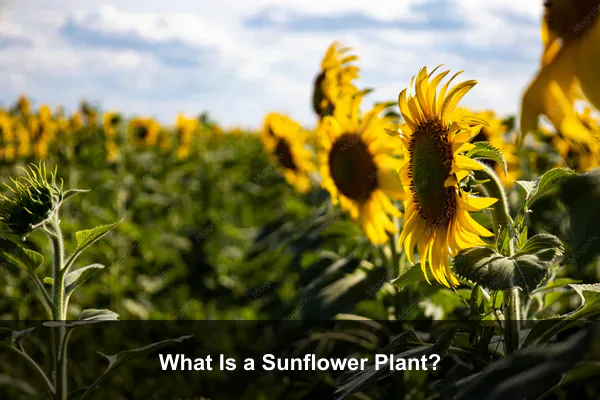
The sunflower, commonly known by its botanical name Helianthus annuus, is an annual flowering plant from the Asteraceae family. The name comes from Greek words connected to the sun and flower, which fits its bright appearance and its strong association with sunlight. Most garden sunflowers are annuals, meaning they complete their life cycle from seed to flower to seed again within one growing season.
A typical sunflower has a sturdy upright stem, broad rough-textured leaves, and a large flower head made of many small flowers. The yellow outer petals are ray florets, while the central disk contains tiny flowers that later develop into seeds. Depending on the variety, sunflowers may grow from less than 2 feet tall to more than 10 feet tall. Some produce one massive flower head, while branching types create many smaller blooms over a longer period.
Key Sunflower Characteristics
- Plant type: Usually an annual flowering plant.
- Sun requirement: Full sun, ideally 6 to 8 hours of direct light daily.
- Best use: Garden borders, pollinator gardens, seed harvest, cut flowers, and seasonal decoration.
- Flower colors: Most are yellow, but some varieties are orange, red, bronze, cream, or bi-colored.
- Growth habit: Upright, fast-growing, and usually easy for beginners.
Main Sunflower Plant Benefits
The strongest reason to grow sunflowers is their combination of visual impact and practical value. They are not just decorative flowers. Their benefits extend to nutrition, wildlife support, soil coverage, home gardening education, and outdoor design. This makes them especially relevant for gardeners who want plants that do more than simply look attractive.
1. Sunflowers Support Pollinators
Sunflowers are excellent plants for bees, butterflies, and other beneficial insects. The broad central disk is easy for pollinators to land on, and the many tiny flowers provide a rich feeding area. In a garden where vegetables, fruiting plants, and herbs depend on pollination, sunflowers can help attract helpful insects during the growing season.
Branching sunflower varieties are especially useful for pollinator gardens because they produce multiple flowers over time. This gives insects a longer window of nectar and pollen availability compared with single-stem varieties that bloom once and finish quickly.
2. Sunflower Seeds Are Nutritious
One of the best-known sunflower plant benefits is seed production. Sunflower seeds are commonly eaten as snacks, used in baking, sprinkled over salads, blended into seed butter, or pressed for oil. They contain healthy fats, plant-based protein, fiber, vitamin E, magnesium, selenium, and other nutrients. While they should still be eaten in sensible portions, they are a valuable food from a simple garden plant.
For home growers, harvesting sunflower seeds can be rewarding because it connects ornamental gardening with practical food use. A single large flower head can produce many seeds when pollination is successful and the plant is allowed to mature fully.
3. Sunflowers Add Structure to the Garden
Tall sunflowers act like seasonal architecture. They can line a path, brighten a fence, soften the edge of a vegetable bed, or create a temporary privacy screen. Their height makes them useful behind shorter flowers, herbs, and vegetables. In small gardens, dwarf sunflowers can deliver the same sunny character without overwhelming the space.
This structural value is one reason sunflowers are popular in family gardens and community gardens. They grow quickly enough to create visible progress, making them satisfying for beginner gardeners and children who are learning how plants develop.
4. Sunflowers Feed Birds and Wildlife
If you leave mature sunflower heads in the garden, birds such as finches may visit to eat the seeds. This turns the plant into a natural feeding station at the end of the season. Gardeners who want a wildlife-friendly yard can allow some flower heads to remain standing while harvesting others for household use.
The plant also contributes to a more active garden environment. Bees may visit during bloom, birds may arrive during seed maturity, and beneficial insects may use the surrounding planting area as habitat.
Sunflower Growing Requirements
Sunflowers are considered beginner-friendly, but they still perform best when given the right conditions. Their most important needs are strong sunlight, suitable soil, consistent watering during establishment, and enough space for airflow and root growth.
Light Requirements
Sunflowers need full sun. For strong stems and large blooms, place them where they receive at least 6 hours of direct sunlight each day, with 8 hours being even better. Plants grown in too much shade may stretch, lean, flower poorly, or develop weaker stems.
Soil and Potting Needs
Sunflowers prefer loose, well-draining soil. They can tolerate average garden soil, but they grow better when the soil contains organic matter such as compost. Heavy clay soil should be improved before planting so roots can expand more easily. For container sunflowers, choose a pot with drainage holes and use a quality potting mix rather than dense garden soil.
Large sunflower varieties need deeper soil and more root space. If you want to grow them in containers, choose dwarf or compact varieties because giant types usually become unstable in small pots.
Watering Tips
Young sunflower seedlings need regular moisture while their roots are developing. Once established, sunflowers can tolerate short dry periods, but consistent watering helps them produce stronger stems and better flowers. Water deeply rather than giving frequent shallow splashes. This encourages roots to grow downward, which helps the plant stand more firmly.
- Water at the base of the plant to keep leaves drier.
- Check container plants more often because pots dry out quickly.
- Avoid waterlogged soil, which can harm roots.
- Mulch around garden sunflowers to reduce moisture loss.
How to Plant Sunflowers from Seed
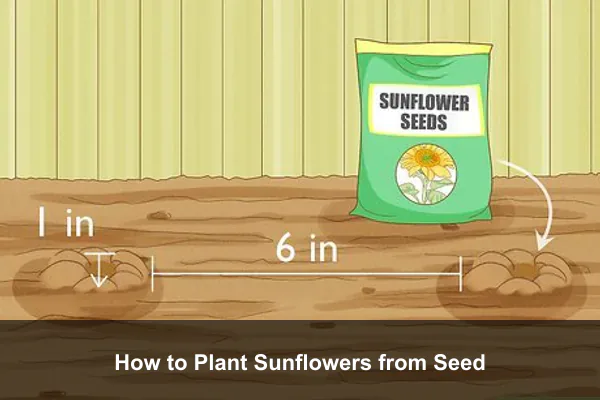
Sunflowers are commonly grown from seed because they germinate easily and grow quickly. Direct sowing is often the simplest method, especially for larger varieties that do not like root disturbance. In cooler climates, gardeners may start seeds indoors briefly, but transplanting should be done carefully before the seedlings become root-bound.
Step-by-Step Planting Guide
- Choose the right variety. Pick giant sunflowers for dramatic height, branching types for repeated blooms, or dwarf types for containers.
- Select a sunny location. Make sure the planting area receives full sun and has enough vertical space.
- Prepare the soil. Loosen the soil and mix in compost if needed.
- Sow seeds at the right depth. Plant seeds about 1 inch deep, following spacing instructions on the seed packet.
- Water gently. Keep the soil evenly moist until germination.
- Thin seedlings. Once seedlings are established, remove weaker plants so the strongest ones have room to grow.
- Support tall types if needed. In windy areas, stakes can help prevent leaning or snapping.
Spacing Matters
Proper spacing is important for healthy sunflower growth. Crowded plants compete for light, water, and nutrients. They may also have poorer airflow, which can encourage fungal problems. Smaller varieties can be planted closer together, while giant sunflowers need more room between plants. If the goal is seed production, generous spacing usually leads to stronger flower heads.
Sunflower Varieties for Different Garden Goals
Not all sunflowers are the same. Some are bred for huge flower heads and edible seeds, while others are selected for ornamental colors, branching stems, or compact growth. Choosing the right variety helps you match the plant to your space and purpose.
Giant Sunflowers
Giant sunflowers are best for gardeners who want impressive height, large flower heads, and seed harvest potential. These varieties can become focal points in the landscape. They work well along fences, at the back of garden beds, or in open spaces where their size will not shade smaller plants too heavily.
Dwarf Sunflowers
Dwarf sunflowers are ideal for patios, balconies, containers, and small gardens. They usually stay compact while still producing bright blooms. These are good choices for beginner gardeners who want the joy of sunflowers without managing very tall stems.
Branching Sunflowers
Branching sunflowers produce multiple flowers on one plant. They are excellent for cut flowers and pollinator support because they bloom over a longer period. Their flower heads are often smaller than giant types, but the extended display makes them very valuable in ornamental gardens.
Pollenless Sunflowers
Pollenless sunflowers are often used for floral arrangements because they do not drop pollen onto tables, clothing, or indoor surfaces. However, if your main goal is supporting pollinators, choose pollen-producing varieties instead. Some pollenless types still provide nectar, but pollen-rich varieties are generally better for bees.
Practical Uses of Sunflowers at Home
Sunflowers can serve many household and garden purposes. They fit into ornamental gardens, edible landscapes, wildlife-friendly yards, and seasonal home decoration. Their versatility is one reason they remain popular across many gardening styles.
Cut Flowers
Sunflowers make bold cut flowers. For the longest vase life, cut them early in the morning when the petals are beginning to open. Use clean pruners, place the stems in water quickly, and remove leaves that would sit below the waterline. Branching varieties are often better for repeated cutting because they produce more blooms after the first flowers are harvested.
Seed Harvest
To harvest seeds, allow the flower head to mature on the plant until the back of the head turns yellow-brown and the seeds look plump. Protect the head with breathable fabric if birds are taking seeds before you are ready. After cutting, hang the head in a dry, well-ventilated place until the seeds loosen easily.
Natural Garden Screen
A row of tall sunflowers can create a temporary screen during the growing season. This is useful for softening a fence, adding privacy near a patio, or hiding a less attractive garden area. Because sunflowers are annuals, this screen is seasonal and can be redesigned each year.
Sunflower Care Problems and Solutions
Sunflowers are generally resilient, but they can still face issues such as pests, weak stems, fungal disease, and poor flowering. Most problems are easier to prevent than fix, so good spacing, sunlight, and watering habits matter from the beginning.
Common Pests
Young seedlings may attract slugs, snails, cutworms, or birds. Mature plants may draw aphids or other insects. A small number of insects is not always a problem, especially in a balanced garden where beneficial predators are present. If pests become severe, use gentle controls first, such as hand removal, barriers for seedlings, or a strong spray of water for aphids.
Weak or Leaning Stems
Sunflowers may lean if they are grown in shade, planted too closely, exposed to strong wind, or watered shallowly. Tall varieties may need staking, especially in loose soil or windy locations. Planting them where they receive strong light from multiple angles can also reduce bending toward one direction.
Poor Flowering
If a sunflower grows leaves but does not flower well, the cause may be inadequate sunlight, overcrowding, excess nitrogen fertilizer, or stress from poor watering. Use balanced soil preparation rather than overfeeding with nitrogen-rich fertilizer. Too much nitrogen encourages leafy growth at the expense of flowers.
Sunflower Safety and Sensible Use
Sunflowers are widely grown and generally considered safe garden plants, but sensible use is still important. People with seed allergies should avoid eating sunflower seeds unless they know they tolerate them. Salted commercial seeds can be high in sodium, so unsalted seeds are usually a better everyday option.
For pets, sunflower plants are commonly regarded as non-toxic, but eating large amounts of any plant material can upset an animal’s stomach. If pets chew plants frequently, place garden containers or seed harvests out of reach. Moldy seeds should never be eaten by people or animals.
Seed Storage Tips
- Dry seeds fully before storage to prevent mold.
- Store seeds in an airtight container in a cool, dry place.
- Discard seeds that smell rancid, musty, or sour.
- Roast seeds lightly if preferred, but avoid burning them.
How Sunflowers Fit Into a Beneficial Garden
A useful garden is not only about individual plants. It is about how those plants work together. Sunflowers can become part of a broader planting plan that includes vegetables, herbs, pollinator flowers, and soil-building practices. Their height, bloom shape, and seed production make them a strong seasonal anchor.
In vegetable gardens, sunflowers can attract pollinators near crops such as cucumbers, squash, peppers, and tomatoes. In flower gardens, they add height and bold color. In family gardens, they create a simple way to teach seed germination, plant growth, pollination, and harvest cycles.
Companion Planting Considerations
Sunflowers can be useful companions, but placement matters. Tall varieties may shade smaller sun-loving plants, so place them on the north side of garden beds in the Northern Hemisphere when possible. Their large roots also compete for water and nutrients, so avoid planting delicate crops too close to giant sunflowers.
Good nearby plants may include pollinator-friendly flowers, sturdy vegetables with enough space, and ground-level plants that tolerate partial shade. The key is to use sunflowers as intentional garden features instead of squeezing them randomly into crowded beds.
Conclusion
Sunflowers are bright, practical, and deeply rewarding plants for home gardens. Their value goes far beyond their famous yellow petals. They support pollinators, provide edible seeds, attract birds, create seasonal structure, and help gardeners understand the full cycle of plant growth. With full sun, well-draining soil, proper spacing, and steady care, sunflowers can thrive in gardens, containers, borders, and edible landscapes.
For anyone researching sunflower plant benefits and information, the main lesson is simple: this plant is both ornamental and useful. Choose the right variety for your space, plant it where sunlight is strong, care for it consistently, and you can enjoy flowers, seeds, wildlife activity, and a more vibrant garden season.
