
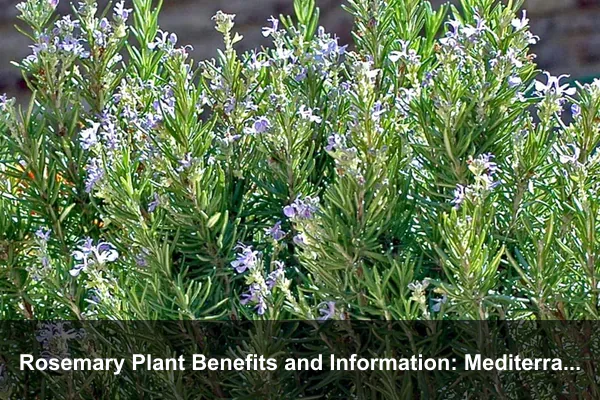
If you are looking for Rosemary plant benefits and information, it helps to see rosemary as more than a kitchen herb. Rosemary is a woody, evergreen Mediterranean shrub with needle-like leaves, a resinous fragrance, pale blue to violet flowers, and a long history in cooking, home gardens, herbal traditions, and symbolic plant culture. It is one of the most practical herbs for people who want a plant that looks attractive, smells distinctive, supports daily cooking, and can thrive with less water once established.
Unlike soft leafy herbs that quickly wilt in heat or need constant harvesting to stay productive, rosemary grows as a structured shrub. That gives it a different role in the garden: it can become a border plant, container specimen, balcony herb, pollinator plant, or fragrant path-side shrub. For readers interested in Manfaat Tanaman, or the practical benefits of plants in everyday life, rosemary is valuable because it connects food, aroma, landscaping, and mindful plant care in one compact plant.
What Is Rosemary? Key Botanical Information

Rosemary is commonly known by its former botanical name, Rosmarinus officinalis, but its accepted scientific name is now Salvia rosmarinus. It belongs to the mint family, Lamiaceae, the same broad plant family as basil, mint, oregano, sage, thyme, and lavender. Its Mediterranean origin explains many of its preferences: bright sun, airy conditions, excellent drainage, and relatively lean soil.
The rosemary plant usually has narrow, leathery leaves that are green on top and paler underneath. Those leaves hold aromatic oils that create the familiar pine-like, slightly peppery, and camphor-like scent. In the right conditions, rosemary produces small flowers that may be blue, lavender, purple, pink, or white depending on the variety. These flowers are not only ornamental; they are also attractive to bees and other pollinators.
Growth Habit and Appearance
Rosemary can grow upright, mounding, or trailing depending on the cultivar. Upright varieties are useful for hedges, herb gardens, and large pots. Prostrate or trailing varieties work well over walls, raised beds, and containers where stems can spill over the edge. Mature size varies widely. Some compact varieties stay manageable in small pots, while vigorous landscape types may reach several feet tall and wide in mild climates.
Because rosemary is a woody perennial, its stems become firmer over time. This makes it different from many soft culinary herbs. A mature rosemary plant can live for years when grown in the right place, but it also becomes less forgiving if overwatered, kept in heavy soil, or placed in shade.
Why Rosemary Is Considered a Mediterranean Herb
Mediterranean herbs typically share a few traits: drought tolerance, strong aroma, sun-loving growth, and tolerance for mineral soils that are not overly rich. Rosemary fits this profile perfectly. Its leaves are small and tough, which helps reduce water loss. Its essential oils contribute to scent and flavor. Its root system dislikes sitting in wet soil, especially in humid or rainy climates.
This background is important for plant care. Many rosemary failures happen because people treat it like a tropical foliage plant. Rosemary does not want constantly damp potting mix, a dark indoor corner, or a water-retentive container with poor airflow. It wants sun, drainage, and a chance for the soil surface to dry between waterings.
Rosemary Plant Benefits for the Home and Garden
The best way to understand rosemary plant benefits is to divide them into practical categories: culinary value, fragrance, ornamental structure, pollinator support, and low-water landscaping. A single plant can offer all of these benefits, which is why rosemary is popular in kitchen gardens, courtyard planters, dry garden borders, and sunny balconies.
Culinary Benefits
Rosemary is a strong culinary herb, so a small amount goes a long way. Fresh sprigs can flavor roasted potatoes, grilled vegetables, bread, soups, beans, chicken, fish, lamb, marinades, herb butter, and infused oil used immediately for cooking. Dried rosemary is more concentrated and should be crushed or chopped before use because whole dried leaves can feel tough.
One practical benefit of growing rosemary at home is freshness. Store-bought rosemary often comes in plastic packs and may dry out before it is fully used. A living plant lets you clip a small sprig only when needed. This reduces waste and gives meals a brighter aroma.
- Fresh sprigs are best for roasted dishes, soups, and marinades.
- Finely chopped leaves work well in bread, crackers, sauces, and vegetable dishes.
- Dried rosemary is useful for pantry storage but should be used in smaller amounts.
- Rosemary stems can be used as aromatic skewers for grilling when they are sturdy enough.
Aromatic and Mood-Setting Benefits
Rosemary has a clean, sharp fragrance that many people associate with freshness, focus, and a well-kept kitchen. Brushing past a rosemary plant releases scent from the leaves, which is why it works well near paths, doorways, patios, and outdoor seating areas. Indoors, a potted rosemary plant can add fragrance when placed in a very bright window, though it is often easier to keep rosemary outdoors or on a sunny balcony than inside a dim room.
The scent also gives rosemary a place in simple home rituals. A sprig in a warm bath, a small bundle in a kitchen, or a few leaves steeped as a fragrant household rinse can make the plant feel useful even outside cooking. These uses should be kept simple and external unless the rosemary is clean, food-safe, and used in normal culinary amounts.
Ornamental and Landscape Benefits
Rosemary is visually useful because it stays evergreen in suitable climates. Its fine-textured leaves contrast nicely with broader foliage, succulents, ornamental grasses, citrus trees, roses, and flowering perennials. In dry or coastal-style gardens, rosemary can soften hard edges while still looking tidy.
For a balcony or small yard, rosemary can serve as a compact focal plant. Upright varieties give height. Trailing types add movement to container edges. With regular light pruning, rosemary can be shaped into a neat shrub, low hedge, or informal topiary. It offers beauty without demanding lush, water-heavy maintenance.
Pollinator Benefits
Rosemary flowers are attractive to bees, especially when the plant blooms during cooler seasons or early spring in mild climates. A flowering rosemary shrub can support pollinators while also providing edible leaves for the household. This dual role makes rosemary a strong choice for gardeners who want plants that are productive and ecologically useful.
If pollinator value is a priority, avoid spraying the plant with harsh pesticides. Healthy rosemary rarely needs heavy pest treatment when grown in sun with good airflow. If pests appear, start with pruning, water adjustment, and gentle washing before considering any spray.
Health-Related Rosemary Benefits: Useful but Not Magical
Rosemary has a long history in traditional herbal use, and modern research has studied compounds such as rosmarinic acid, carnosic acid, and carnosol. These plant compounds are associated with antioxidant activity in laboratory research. In everyday terms, rosemary can be part of a flavorful, plant-rich diet, but it should not be presented as a cure for disease.
Nutrition and Natural Compounds
Fresh rosemary is usually eaten in small quantities, so it is not a major source of calories, protein, or macronutrients. Its value comes from flavor intensity and phytochemicals. By making food taste better, rosemary may encourage people to cook more vegetables, legumes, whole grains, and lean proteins at home. That indirect benefit can be more realistic than treating rosemary like a supplement.
Rosemary also allows cooks to reduce reliance on heavy sauces or excess salt because it adds aroma and depth. For example, roasted carrots with rosemary, olive oil, garlic, and lemon can taste complete without complicated seasoning. Beans simmered with rosemary and bay leaf can feel richer without needing much fat.
Memory, Focus, and Aroma Claims
Rosemary has a cultural association with memory and remembrance. Some small studies have explored rosemary aroma and cognitive performance, but this area should be described carefully. Smelling rosemary may feel refreshing and focusing for some people, yet it is not a guaranteed mental performance enhancer. The most responsible claim is that rosemary has a stimulating aroma many people find pleasant during cooking, studying, or working.
For SEO content, this distinction matters. Readers want helpful information, not exaggerated promises. A rosemary plant on a desk or windowsill may improve the sensory feel of a room, but it should not replace sleep, good nutrition, medical care, or healthy work habits.
Digestive and Herbal Tradition
Rosemary has traditionally been used after rich meals, often as a culinary herb or mild herbal tea. Some people enjoy rosemary tea for its warming flavor. To make a simple cup, steep a small fresh sprig or a small amount of dried rosemary in hot water, then strain before drinking. The taste is strong, so it is often blended with lemon, honey, mint, or ginger.
However, stronger is not better. Concentrated rosemary preparations, extracts, and essential oils are different from using a sprig in food. People who are pregnant, breastfeeding, managing seizures, taking blood thinners, using blood pressure medicine, or dealing with chronic health conditions should ask a qualified health professional before using rosemary medicinally. Rosemary essential oil should not be swallowed.
How to Grow Rosemary Successfully

Rosemary care is simple once you understand what the plant is asking for. Most problems come from too much water, not enough sunlight, poor drainage, or lack of airflow. University extension resources such as University of Maryland Extension and NC State Extension describe rosemary as a sun-loving herb that performs best in well-drained soil. That is the core care message.
Light Requirements
Rosemary needs strong light. Outdoors, give it at least six hours of direct sun per day, with more sun preferred in many climates. In hot tropical regions, morning sun with some afternoon protection can work if the plant still receives bright light and good airflow. In cooler regions, full sun is usually best.
Indoor rosemary is more challenging because window light may be weaker than it appears. A south-facing or very bright west-facing window is usually the minimum. If the plant stretches, drops leaves, or stays damp for many days, it likely needs more light. Grow lights can help, but the plant still needs airflow and careful watering.
Soil and Drainage
Rosemary dislikes heavy, soggy soil. In containers, use a fast-draining mix. A good approach is to combine quality potting mix with mineral material such as coarse sand, pumice, perlite, or small gravel. The goal is not to make the soil poor, but to make it drain quickly and hold air around the roots.
For garden beds, avoid low spots where water collects. Raised beds, slopes, rock gardens, and edges of sunny paths are often better than dense clay soil. If your soil is heavy, improve drainage before planting or keep rosemary in a pot. Adding compost can help structure, but too much rich organic matter may hold excess moisture and push soft growth that is less resilient.
Watering Rosemary
Water rosemary deeply but infrequently. Let the top portion of the soil dry before watering again. In a pot, check moisture with your finger rather than following a strict calendar. A plant in hot sun and wind may need water more often than one in a cool season. A plant in a plastic pot may dry more slowly than one in terracotta.
Common overwatering signs include yellowing leaves, blackened stems, leaf drop, weak growth, and a sour smell from the potting mix. Underwatered rosemary may wilt, crisp at the tips, or look dull, but it often recovers better from short dryness than from root rot. When in doubt, check the soil before adding water.
Temperature and Climate
Rosemary is perennial in mild climates, but cold tolerance depends on the variety and growing conditions. In colder regions, potted rosemary can be moved to a bright, cool, protected location during winter. The plant usually does not enjoy a hot, dry indoor room with weak light, so winter care should focus on brightness, cool temperatures, and restrained watering.
In humid climates, including many tropical areas, the challenge is not cold but moisture and fungal pressure. Give rosemary extra space, use a breathable pot, avoid overhead watering late in the day, and prune lightly to keep the center open. A covered balcony with morning sun can be better than an exposed area where rain keeps the pot wet for days.
Container, Balcony, and Small-Space Rosemary Care
Rosemary is excellent for containers when the pot is chosen well. A container allows you to control soil, drainage, and placement. It also makes rosemary accessible for cooking because you can keep it near the kitchen, patio, or balcony door.
Choosing the Right Pot
Start with a pot that has drainage holes. Terracotta is useful because it breathes and helps the mix dry faster, though it may require more frequent watering in hot weather. Plastic pots hold moisture longer and can work if the potting mix is very free-draining. Avoid decorative outer pots that trap water around the nursery pot unless you empty them after watering.
A small rosemary plant can begin in a medium pot, but avoid placing a tiny plant in a very large container filled with damp mix. Oversized pots can stay wet too long. Increase pot size gradually as the roots fill the container.
Best Placement for Small Homes
For apartments, balconies, and small patios, place rosemary where it receives strong light and airflow. A railing planter may work if it is secure and not constantly blasted by harsh wind. A sunny ledge can work if the pot is stable and drains safely. Indoors, place rosemary near the brightest window and rotate the pot occasionally for even growth.
Rosemary also pairs well with other dry-loving herbs such as thyme, oregano, and sage. Avoid planting it in the same small container with herbs that need more moisture, such as parsley or cilantro. Mixed herb pots look appealing, but plants with different water needs often decline when forced into the same routine.
Feeding and Fertilizer
Rosemary does not need heavy feeding. Too much fertilizer can create weak, lush growth with less intense flavor. In containers, a light feeding during the active growing season is usually enough. Use a balanced, diluted fertilizer or refresh the top layer of potting mix with a small amount of compost. Do not fertilize a stressed, waterlogged, or low-light plant; fix the growing conditions first.
Harvesting, Pruning, and Using Rosemary at Home
Harvesting rosemary is one of the easiest ways to keep the plant compact and productive. Regular light clipping encourages branching and prevents the plant from becoming too leggy. The key is to harvest from green, flexible stems and avoid cutting deep into old bare wood unless you know the plant can resprout from that area.
How to Harvest Rosemary
- Choose a healthy green stem with fresh leaves.
- Use clean scissors or pruners rather than tearing the stem.
- Cut above a leaf node or side shoot to encourage branching.
- Take small amounts often instead of removing a large portion at once.
- Rinse sprigs only when needed, then dry them well before cooking.
Morning harvest is often best after dew has dried but before strong heat reduces freshness. If you need rosemary for a recipe, clip only what you will use. Fresh rosemary can be wrapped lightly and stored in the refrigerator for a short time, but the living plant is the best storage system.
Drying and Storing Rosemary
To dry rosemary, tie small bundles and hang them in a dry, shaded, airy place, or lay sprigs on a clean screen. Once fully dry, strip the leaves from the stems and store them in an airtight container away from light and heat. Keep leaves as whole as practical until use, then crush them to release aroma.
You can also freeze rosemary. Chop the leaves and freeze them in small portions, or place leaves in an ice cube tray with water or olive oil for cooking. Use oil-preserved herbs safely and keep them refrigerated or frozen, because herbs in oil can create food safety risks if stored improperly at room temperature.
Everyday Ways to Use Rosemary
Rosemary works best when balanced with fat, acid, starch, or slow cooking. Its flavor can overpower delicate dishes if used heavily. Start small, then adjust.
- Add chopped rosemary to roasted potatoes, pumpkin, carrots, or mushrooms.
- Use whole sprigs to flavor soups and stews, then remove before serving.
- Mix finely chopped rosemary into bread dough, focaccia, or crackers.
- Combine rosemary with lemon zest, garlic, and olive oil for a marinade.
- Steep a small sprig in hot water for a simple herbal drink.
- Add rosemary to homemade cleaning vinegar for fragrance, then use it only for cleaning surfaces suitable for vinegar.
Common Rosemary Problems and How to Fix Them
Rosemary is resilient, but it has clear limits. When it struggles, the cause is usually environmental. Instead of adding more fertilizer or water, inspect light, soil, roots, airflow, and pot drainage.
Yellow Leaves
Yellowing leaves often point to overwatering, poor drainage, or roots staying cold and wet. Check whether the pot has drainage holes and whether water exits freely. If the mix smells sour or remains wet for many days, repot into a drier, more mineral mix and trim any dead roots. Increase light and airflow after repotting.
Powdery Mildew and Fungal Issues
Powdery mildew may appear as pale, dusty patches on leaves, especially where airflow is poor. Move the plant to a brighter, airier location, avoid crowding, and water the soil rather than the foliage. Prune dense growth lightly so air can move through the plant.
Woody, Bare, or Leggy Growth
Rosemary naturally becomes woody with age, but severe legginess usually means low light or irregular pruning. Move the plant into stronger light and begin light, frequent pruning. Avoid cutting all the way back into old wood on a stressed plant. If a plant is very old and bare, taking cuttings from healthy tips may be more successful than trying to reshape the entire shrub at once.
Root Rot
Root rot is the most serious rosemary problem. Symptoms include wilting even when soil is wet, black or mushy roots, leaf drop, and stem dieback. Prevention is easier than cure: use gritty soil, a pot with drainage, sun, and careful watering. If rot begins, remove the plant from the pot, cut away damaged roots, repot in fresh dry mix, and water sparingly while it recovers.
Pests
Rosemary may occasionally attract spider mites, aphids, whiteflies, or scale, especially indoors or in stressed conditions. Rinse pests off with water, prune badly affected tips, and improve growing conditions. For persistent problems, use a gentle insecticidal soap according to the label, applying it when the plant is not under intense sun or drought stress.
Safety, Pets, and Responsible Rosemary Use
Rosemary is widely used as a food herb, but responsible use matters. Culinary amounts are appropriate for most people, while concentrated oils, extracts, and large medicinal doses require more caution. A helpful rule is simple: eating rosemary in normal recipes is different from treating rosemary like a medicine.
People who are pregnant, trying to become pregnant, breastfeeding, have seizure disorders, take blood-thinning medication, manage high blood pressure, or have chronic medical conditions should seek professional advice before using rosemary supplements or concentrated preparations. Rosemary essential oil should be diluted for external aromatherapy use and should not be swallowed. Keep essential oils away from children and pets.
For pet owners, the ASPCA plant database lists rosemary as non-toxic to dogs, cats, and horses. Even so, pets should not be encouraged to chew large amounts of any herb, because too much plant material can upset the stomach. Keep pots stable, avoid chemical sprays, and prevent pets from digging in treated soil.
For medical context, natural product references such as Drugs.com separate culinary use from concentrated medicinal use. That is the balanced approach to follow in a home article: rosemary is a valuable herb, not a replacement for diagnosis, medication, or professional care.
Best Rosemary Varieties to Consider
Choosing the right rosemary variety makes care easier and improves the plant’s role in your space. Local nurseries often carry varieties adapted to regional conditions, so availability varies. When possible, ask whether the plant is upright, compact, trailing, or selected for cold tolerance.
- Upright rosemary is best for hedges, kitchen gardens, and large containers.
- Compact rosemary suits balconies, small patios, and tabletop herb collections.
- Trailing rosemary works well over walls, raised beds, and hanging-edge containers.
- Cold-hardy selections are useful in regions with chilly winters, though protection may still be needed.
- Flower-focused varieties are good for ornamental and pollinator-friendly planting.
When buying rosemary, choose a plant with firm stems, fragrant leaves, and no signs of soggy soil. Avoid plants with blackened stems, heavy leaf drop, or a sour smell from the pot. A smaller healthy rosemary plant is better than a larger stressed plant.
Conclusion
Rosemary is one of the most useful herbs for people who want beauty, fragrance, flavor, and practical plant benefits in a single species. The most important Rosemary plant benefits and information can be summarized simply: it is a sun-loving Mediterranean evergreen herb, valued for cooking, aroma, pollinator support, drought-wise gardening, and attractive structure in pots or garden beds.
To grow rosemary well, focus on the basics: full sun, excellent drainage, moderate watering, and regular light pruning. Use it generously in the kitchen but cautiously as a concentrated herbal product. With the right care, rosemary can become more than a recipe ingredient. It can be a long-lasting household plant that connects everyday meals, sensory comfort, and a healthier garden environment.
