
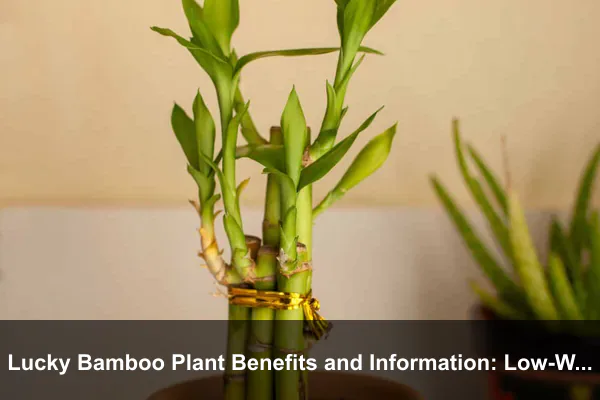
Lucky Bamboo is one of the easiest indoor plants to recognize: upright green stalks, neat leaves, visible roots, and a calm water display that can fit on a shelf, desk, entry table, or kitchen counter. Yet the most useful Lucky Bamboo plant benefits and information go beyond simply placing stems in a vase. This plant becomes more valuable when you understand what it really is, what benefits are realistic, and how to care for it in a clean, low-waste, and respectful way.
Often sold as a symbol of luck, growth, and positive energy, Lucky Bamboo is also a practical houseplant for people who want greenery without a complicated gardening setup. It is compact, soil-free when grown in water, and visually tidy, but it still needs the right light, water quality, and maintenance rhythm. This guide focuses on a fresh angle: how to enjoy Lucky Bamboo as a sustainable indoor water display while avoiding exaggerated claims, wasteful habits, and common care mistakes.
What Lucky Bamboo Really Is
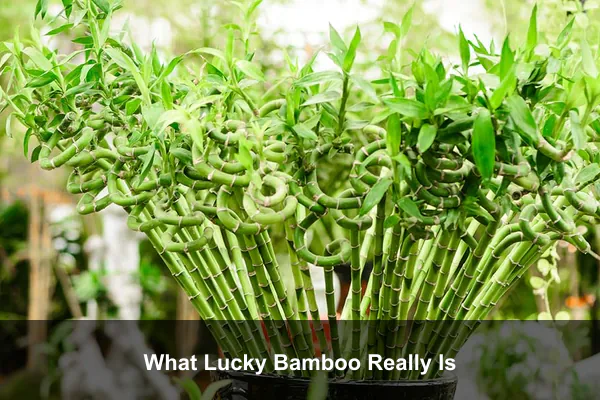
Despite its common name, Lucky Bamboo is not true bamboo. It is usually Dracaena sanderiana, a tropical plant in the dracaena group. Its segmented green canes look similar to bamboo stems, which is why the popular name has lasted, but its growth habits, care needs, and indoor behavior are different from outdoor bamboo.
This distinction matters because true bamboo is usually a fast-growing grass that needs strong light and room to spread, while Lucky Bamboo is a slow indoor foliage plant that prefers bright, indirect light and stable moisture. When people treat it like real bamboo, they often give it too much sun, too much fertilizer, or an unsuitable outdoor location. When they treat it like a dracaena, it becomes much easier to keep healthy.
Why It Is Commonly Grown in Water
Lucky Bamboo is famous for growing with its roots submerged in water and its stems supported by pebbles, glass beads, or a narrow container. This setup is popular because it looks clean, shows the root system, and removes the mess of potting soil. However, water growing is not automatic care. The water must be refreshed, the roots must stay clean, and the plant still needs tiny amounts of nutrients over time.
Basic Plant Profile
- Botanical type: Tropical dracaena, not true bamboo.
- Common growing method: Water with pebbles, or soil in a small pot.
- Light preference: Bright, indirect light; tolerates lower light but dislikes harsh sun.
- Growth speed: Slow to moderate indoors.
- Main appeal: Clean appearance, symbolic meaning, easy display, and compact size.
Realistic Benefits of Lucky Bamboo Indoors
The best way to discuss Lucky Bamboo plant benefits and information is to separate real, everyday value from overstatement. Lucky Bamboo can improve how a room feels, support a simple plant-care routine, and bring natural texture into modern spaces. It should not be promoted as a cure-all, a guaranteed source of wealth, or a replacement for ventilation, cleaning, or medical care.
It Adds Greenery Without Taking Much Space
Lucky Bamboo is ideal for narrow ledges, small desks, bedside tables, apartment shelves, and compact office corners. Because it grows upright and can be kept in a slim container, it gives a strong green signal without spreading across the room. This makes it useful for renters, students, remote workers, and anyone who wants a plant but does not have floor space for large houseplants.
It Supports a Calm Maintenance Routine
One underrated benefit of Lucky Bamboo is the small routine it creates. Checking the water level, rotating the container, removing yellow leaves, and rinsing pebbles are quick tasks, but they create a consistent connection with the living space. For many people, this routine is part of the broader value of houseplants: a small act of care that makes a room feel more intentional.
It Is Fragrance-Free and Low-Pollen
Lucky Bamboo is grown for foliage rather than flowers, so it is a good choice for people who prefer plants without strong scents. In shared homes, offices, treatment rooms, or bedrooms, fragrance-free greenery can be more comfortable than aromatic plants or heavily blooming flowers. This does not mean it is allergy-proof for everyone, but it is generally a quiet, unobtrusive indoor plant.
It Offers Decorative Flexibility
The plant works with many interior styles: minimalist glass vases, ceramic cups, stone bowls, recycled jars, or simple soil pots. The vertical stalks create structure, while the leaves soften hard surfaces. A single healthy arrangement can make a small table look finished without adding clutter.
Cultural Meaning Without Overclaiming
Lucky Bamboo is strongly connected with symbolism, especially in gift giving and feng shui-inspired design. It is often associated with good fortune, resilience, harmony, and steady growth. These meanings are part of its popularity, and they can make the plant feel more personal than a purely decorative object.
At the same time, symbolic meaning should support care, not replace it. A plant cannot guarantee wealth, health, or success simply because it is placed in a certain corner. Its real value comes from the combination of beauty, intention, routine, and respect for the plant as a living organism.
How to Use Symbolism Respectfully
- Choose intention over superstition: Use Lucky Bamboo as a reminder of growth, gratitude, or fresh energy rather than a guaranteed outcome.
- Keep the plant healthy: A neglected symbolic plant sends the opposite message. Clean water and green leaves matter more than elaborate decoration.
- Give it with context: If gifting Lucky Bamboo, include simple care notes so the recipient can keep it alive.
- Avoid cultural flattening: Appreciate the meaning without reducing the plant to a quick luck charm.
Build a Sustainable Water Display

A low-waste Lucky Bamboo display is simple, attractive, and practical. Instead of buying a new plastic-heavy arrangement every time, you can reuse a glass jar, clean stones, ceramic cup, or existing vase. This approach keeps the plant benefits connected to responsible indoor gardening rather than disposable decor.
Choose Durable Containers
Clear glass is popular because it allows you to monitor roots and water clarity. However, transparent containers can also encourage algae when placed in strong light. If algae becomes a recurring problem, use a tinted glass vase, opaque ceramic container, or move the plant slightly farther from direct brightness. The best container is stable, washable, and narrow enough to support the stalks without crushing the roots.
Use Inert Support Materials
Pebbles, river stones, or glass beads can hold the stalks upright. Choose materials that do not dissolve, rust, or release unknown coatings into the water. Rinse them thoroughly before use and clean them during water changes. Avoid scented stones, dyed materials that bleed color, or decorative fillers that were not meant for plant or aquarium use.
Practice Water Stewardship
Lucky Bamboo does not need a large volume of water. Keep the roots submerged, but avoid filling the container so high that the lower stalks sit deeply underwater for long periods. Stems that remain constantly submerged above the root zone may soften or rot. A few inches of clean water are usually enough for small arrangements.
- Refresh the water every 7 to 14 days, or sooner if it smells stale or looks cloudy.
- Use leftover water for non-edible outdoor plants when appropriate instead of pouring it away thoughtlessly.
- Rinse the container rather than replacing the entire setup.
- Keep the arrangement out of harsh sun to reduce algae growth and wasted water changes.
Water, Light, and Nutrients: The Balanced System
Healthy Lucky Bamboo depends on balance. Most problems begin when one part of the system is pushed too far: too much sun, too much fertilizer, poor-quality water, or a container that is never cleaned. The plant is forgiving, but it is not maintenance-free.
Water Quality Matters
Lucky Bamboo can be sensitive to minerals and chemicals found in some tap water. Leaf tips may turn brown or yellow when the water contains high levels of fluoride, chlorine, salts, or other dissolved minerals. If your plant repeatedly develops tip burn even when light is gentle, try filtered water, distilled water, rainwater collected safely, or tap water that has been left standing for a day to reduce chlorine.
The goal is not to create a laboratory setup. The goal is consistency. Use water that keeps the roots clean and the leaves green. If one water source causes problems, change the source before assuming the plant is dying.
Light Should Be Bright but Indirect
Lucky Bamboo often tolerates lower light, which is one reason it is popular indoors. Tolerating lower light is not the same as thriving in darkness. In very dim rooms, growth slows, leaves may look dull, and stems may stretch toward the nearest window. Place the plant where it receives natural brightness without direct afternoon sun burning the leaves.
A good test is simple: if you can comfortably read in the spot during the day without turning on a lamp, it may be bright enough. If the container heats up or the leaves look scorched, the light is too intense.
Fertilizer Should Be Minimal
Water-grown Lucky Bamboo needs very little fertilizer. Too much plant food can burn roots, cloud the water, and cause yellowing. Use a diluted liquid houseplant fertilizer only occasionally, and start weaker than the label suggests. In soil, the plant may need slightly more nutrition, but still far less than fast-growing vegetables or flowering garden plants.
- Water-grown plants: Feed lightly every 1 to 2 months during active growth.
- Soil-grown plants: Feed lightly during spring and summer, then reduce in cooler months.
- Stressed plants: Do not fertilize while leaves are yellowing from poor water, shock, or rot.
Water or Soil: Which Method Fits Your Home?
Lucky Bamboo can live in water or soil, and each method has advantages. The right choice depends on your habits, not just appearance. A water display is visually clean and easy to inspect, while soil can provide more stable nutrients and stronger long-term growth when managed correctly.
Choose Water Growing If You Prefer Visibility
Water growing is best for people who like seeing the roots and who will refresh the container regularly. It is also useful for clean displays in kitchens, desks, and small spaces. The tradeoff is that the plant depends entirely on your water quality and occasional feeding.
Choose Soil Growing If You Want More Stability
Soil growing can be better if you want the plant to behave like a traditional houseplant. Use a well-draining potting mix and a pot with drainage holes. Keep the soil lightly moist but not soggy. Soil may reduce the need for frequent water changes, but it introduces a new risk: root rot from overwatering.
Simple Decision Guide
- Pick water if you enjoy a clean visual display and can refresh water regularly.
- Pick soil if you prefer standard houseplant care and want stronger root anchoring.
- Avoid switching often because repeated transitions can stress the plant.
- Move gradually if changing from water to soil, keeping moisture consistent while roots adapt.
Leaf Signals and What They Usually Mean
Lucky Bamboo communicates through its leaves, stems, roots, and water condition. Reading these signals early helps you correct small problems before the plant declines.
Yellow Leaves
One or two older yellow leaves can be normal, especially as the plant adjusts to a new space. Widespread yellowing may suggest harsh sun, poor water quality, excess fertilizer, or stress from a recent move. Remove fully yellow leaves and correct the likely cause rather than adding more fertilizer immediately.
Brown Leaf Tips
Brown tips often point to mineral sensitivity, dry indoor air, or inconsistent water quality. Switch to filtered or distilled water and keep the plant away from heating vents, air conditioners, and hot window glass.
Soft or Yellow Stalks
A soft, mushy, or yellow stalk is more serious. It may indicate rot. Remove affected stalks from the arrangement quickly so the problem does not spread through shared water. Clean the container and inspect the remaining roots before rebuilding the display.
Cloudy or Smelly Water
Cloudy water means the container needs attention. Rinse the vase, wash the support stones, trim decaying roots if necessary, and refill with clean water. A healthy water display should not smell sour or stagnant.
Safety, Pets, and Responsible Expectations
Lucky Bamboo looks gentle, but it is not an edible plant. Like many dracaenas, it can be toxic to cats and dogs if chewed. Symptoms may include vomiting, drooling, appetite changes, or lethargy. If you have curious pets, place the plant where they cannot reach it or choose a different pet-safe houseplant.
Keep It Away From Children Who Mouth Objects
In family homes, the water container can also be a tipping hazard. Use a stable vase, avoid small loose decorative pieces around toddlers, and keep plant water clean. Lucky Bamboo can be part of a family-friendly home, but it should be displayed with the same care you would use for any non-edible ornamental plant.
Do Not Treat It as a Medical Plant
Lucky Bamboo is not a medicinal herb, food plant, or air purifier that can replace healthy indoor habits. It may contribute to a pleasant room, but clean air still depends on ventilation, dust control, humidity balance, and reducing indoor pollutants at the source. Responsible Lucky Bamboo plant benefits and information should make the plant more useful, not turn it into a false health product.
A Practical Monthly Maintenance Routine
One of the easiest ways to keep Lucky Bamboo healthy is to build a routine that is short enough to repeat. You do not need complicated tools. A clean sink, fresh water, small scissors, and a soft cloth are usually enough.
Weekly Quick Check
- Check whether the roots are still covered with water.
- Look for yellow leaves, soft stalks, or cloudy water.
- Rotate the container slightly so growth stays balanced.
- Wipe dust from leaves if they look dull.
Monthly Deep Refresh
- Remove the stalks carefully and keep roots from drying out.
- Pour out old water and rinse the container.
- Wash pebbles or beads until they feel clean.
- Trim dead, blackened, or mushy roots with clean scissors.
- Refill with suitable water and return the plant to its position.
- Add very diluted fertilizer only if the plant is actively growing and otherwise healthy.
This routine keeps the display attractive and reduces the chance of odor, algae, and root stress. It also turns plant care into a predictable habit rather than an emergency response.
Design Ideas That Keep the Plant Useful
Lucky Bamboo works best when the display supports the room instead of adding visual clutter. Because the plant has strong vertical lines, it can create height on a low shelf, soften a work area, or bring a living element into a bathroom or entryway with adequate indirect light.
Use It as a Quiet Focal Point
A single clean container often looks better than several crowded arrangements. Choose one healthy plant, one stable vessel, and one simple support material. This makes the plant easier to clean and gives it a more intentional appearance.
Pair It With Natural Materials
Lucky Bamboo looks especially balanced with stone, ceramic, wood, linen, or matte metal. These materials prevent the display from feeling overly glossy or artificial. If you use decorative ribbons or charms, keep them minimal so they do not trap moisture or hide early signs of stem damage.
Match Placement to Function
- Desk: Use a small, heavy container that will not tip easily.
- Entry table: Choose a tidy arrangement that can be seen from multiple angles.
- Bathroom: Place it near indirect light, not in a dark corner.
- Kitchen: Keep it away from heat, cooking grease, and fruit bowls that attract pests.
Common Mistakes That Reduce Its Benefits
Lucky Bamboo is beginner-friendly, but a few repeated mistakes can turn an easy plant into a struggling one. Avoiding these errors helps preserve both its beauty and its practical value.
- Using too much fertilizer: More food does not mean faster healthy growth. It often causes yellowing or root burn.
- Leaving water unchanged for too long: Stale water can lead to odor, algae, and root problems.
- Putting it in direct hot sun: Leaves can scorch, and clear containers may heat the roots.
- Submerging too much of the stem: Keep roots in water, but avoid drowning the canes.
- Ignoring pet safety: Attractive foliage can tempt cats or dogs, so placement matters.
- Expecting magic results: Symbolism is meaningful, but the plant still needs real care.
Conclusion
Lucky Bamboo earns its popularity because it is compact, elegant, symbolic, and adaptable to indoor life. The most important Lucky Bamboo plant benefits and information are practical: it adds greenery without taking much space, encourages a simple care routine, offers cultural meaning, and creates a clean water display when maintained responsibly.
For the healthiest results, treat Lucky Bamboo as a living dracaena rather than a decorative object. Give it bright indirect light, clean water, minimal fertilizer, a stable container, and regular attention. When cared for with realistic expectations and low-waste habits, Lucky Bamboo can be more than a lucky symbol. It can become a lasting, thoughtful part of a healthier-looking indoor space.
