
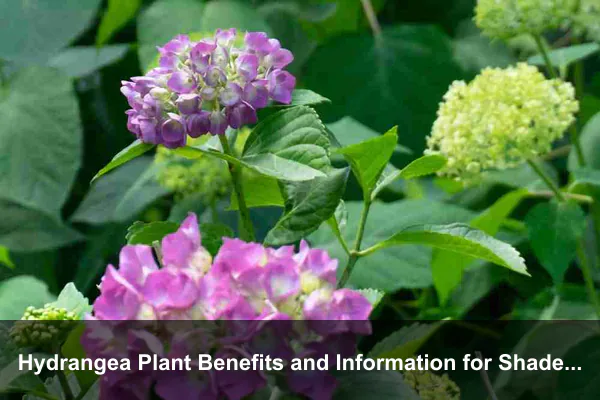
Hydrangeas are among the most useful flowering shrubs for gardeners who want more than a short burst of color. A well-placed hydrangea can soften a shaded corner, make a foundation bed feel finished, improve the rhythm of a border, and give useful clues about moisture, light, and soil behavior through the growing season. That combination of beauty and practical garden value is why the phrase Hydrangea plant benefits and information matters for both beginners and experienced home gardeners.
This guide takes a distinct angle: hydrangeas as long-term landscape partners. Instead of looking only at bloom color or bouquet value, it explains how hydrangeas help organize shade gardens, support layered planting, signal site conditions, and bring dependable structure to outdoor spaces. You will also find clear safety notes, variety guidance, and care practices that protect the benefits of this ornamental plant without turning maintenance into a complicated routine.
Hydrangea Plant Benefits and Information at a Glance
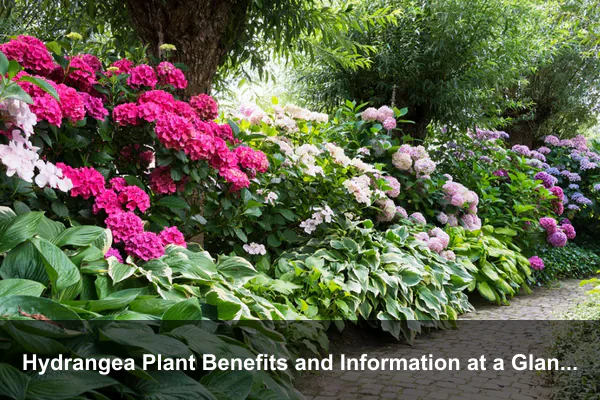
Hydrangea is a genus of flowering shrubs and small woody plants grown mainly for large bloom clusters, attractive leaves, and strong landscape presence. Many popular types come from Asia and North America, and they have become common in temperate gardens because they can bring generous flowers to places where many sun-loving ornamentals struggle.
The main benefits of hydrangeas are visual impact, shade tolerance, seasonal structure, soil awareness, and flexible garden use. They are not grown as edible plants, and they should not be treated as a home remedy. Their value is mostly ornamental, ecological, and practical in garden design.
- Shade garden color: Hydrangeas can brighten part-shade areas where many annual flowers fade or stretch.
- Long bloom presence: Many types hold flower heads for weeks, with some aging into muted green, tan, pink, or burgundy tones.
- Landscape structure: The shrub form helps define paths, corners, entries, fences, and foundation beds.
- Soil and moisture clues: Leaves and blooms often reveal when a planting site is too dry, too hot, poorly drained, or nutritionally weak.
- Low-waste garden value: A healthy hydrangea can stay in place for many years, reducing the need for frequent seasonal replanting.
What Makes Hydrangeas Different from Many Flowering Plants?
Many flowering plants give either foliage, fragrance, or seasonal blooms, but hydrangeas combine broad leaves, woody permanence, and large floral displays. This makes them useful as a bridge between shrubs and flowers. They can look soft and romantic in cottage gardens, clean and architectural in modern landscapes, or natural and layered in woodland edges.
The plant also responds visibly to site conditions. A hydrangea in good morning light with evenly moist, well-drained soil usually looks full, balanced, and relaxed. A hydrangea in harsh afternoon sun may wilt dramatically. A hydrangea in compacted wet soil may decline slowly. These responses help gardeners improve the whole bed, not just one plant.
Best Garden Situations for Hydrangeas
Hydrangeas are especially useful near shaded patios, under high tree canopies, along north or east-facing walls, beside garden paths, and in mixed borders with ferns, hostas, ornamental grasses, hellebores, astilbes, heucheras, and spring bulbs. In warmer climates, they usually perform best with morning sun and afternoon shade. In cooler climates, some types can accept more direct light if soil moisture is steady.
A Practical Benefit: Hydrangeas Help You Read the Garden
One underrated hydrangea benefit is that the plant can act like a living site report. It does not replace a soil test, but it can show patterns that are easy to miss. When hydrangea leaves scorch, droop, yellow, or remain small, the problem often points to light intensity, watering rhythm, drainage, mulch depth, or root competition from nearby trees.
Soil pH Signals Without Guesswork
Some hydrangeas, especially Hydrangea macrophylla and Hydrangea serrata, are famous for blue, purple, or pink flowers. The color shift is related to aluminum availability, which is influenced by soil pH. Acidic soil can make aluminum more available, often encouraging blue tones. Less acidic or alkaline soil can reduce aluminum availability, often encouraging pink tones.
This is useful information, but it should be handled carefully. Not every hydrangea changes color. White hydrangeas generally stay white, and panicle hydrangeas do not turn blue from soil amendments. Flower color is also affected by cultivar genetics. For gardeners, the smarter benefit is not forcing a color at all costs, but learning what the soil is already doing and adjusting care gently.
Moisture Clues from Leaves
Hydrangeas have broad leaves that lose water quickly during heat. Temporary midday drooping on a hot day can be normal, especially if the plant recovers by evening. Persistent wilting, crispy edges, or repeated collapse means the root zone needs attention. The solution is not always more water. Sometimes the issue is shallow watering, exposed soil, reflected heat from paving, or competition from tree roots.
Light Clues from Bloom and Leaf Behavior
Too little light can reduce flowering, while too much afternoon sun can burn leaves and shorten bloom life. A hydrangea with lush leaves but few flowers may need brighter morning light, better pruning timing, or a variety better matched to the site. A hydrangea that flowers well but looks scorched may need shade from the west, more mulch, or relocation away from heat-reflecting walls.
Landscape Benefits Beyond Pretty Flowers
Hydrangeas are often described as beautiful, but their design value goes deeper. They can make a garden feel settled. Their rounded shapes create calm repetition, their large leaves contrast well with fine-textured plants, and their bloom clusters bring visual weight to areas that might otherwise look empty or flat.
Structure for Part-Shade Borders
Part-shade borders can be difficult because many dramatic flowering plants prefer full sun. Hydrangeas solve that problem by giving height, bulk, and flower power without demanding all-day exposure. A row of hydrangeas along a fence can turn a narrow side yard into a softer passage. A single oakleaf hydrangea near a porch can provide flowers, foliage texture, fall color, and winter bark interest.
For best results, do not plant hydrangeas as isolated decorations in bare mulch. They look more natural and perform better when integrated with companion plants. Low perennials help cool the soil, reduce splashing, and cover the base of the shrub. Spring bulbs can provide early interest before hydrangeas leaf out, while evergreen shrubs can hold structure after the blooms fade.
Soft Screening and Outdoor Comfort
Hydrangeas can create gentle visual screening around patios, seating areas, utility zones, and garden edges. They are not the same as dense evergreen hedges, but they can soften sightlines and make outdoor spaces feel more private during the growing season. This is especially useful in small homes, suburban gardens, and courtyards where a full hedge would feel too heavy.
Seasonal Texture and Aging Beauty
Many hydrangea flowers remain attractive as they age. Fresh blooms may be blue, pink, white, green, or cream, then mature into antique shades depending on the type and climate. Even after peak bloom, the dried flower heads can add texture to the winter garden if left in place. This extends visual value without constant replanting.
Choosing the Right Hydrangea Type for Your Garden Goal
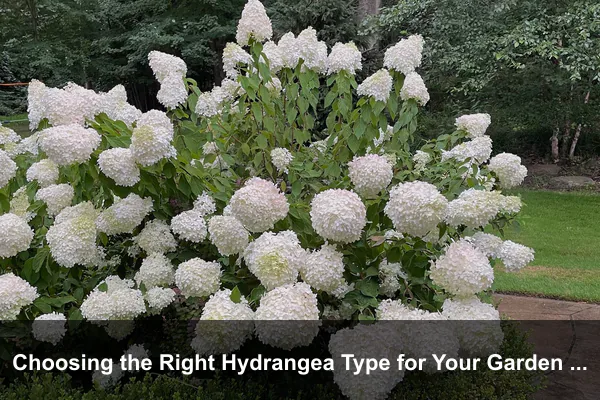
The best hydrangea is not simply the prettiest one at the nursery. The best choice is the type that matches your climate, light, soil, pruning habits, and design goal. Choosing correctly is one of the most important pieces of Hydrangea plant benefits and information because it prevents disappointment later.
Bigleaf Hydrangea
Hydrangea macrophylla includes mophead and lacecap forms. It is loved for blue, pink, purple, and mixed-tone blooms. It usually prefers morning sun, afternoon shade, and steady moisture. Some varieties bloom on old wood, meaning flower buds form on stems from the previous season. Pruning at the wrong time can remove the next flowers.
Panicle Hydrangea
Hydrangea paniculata is generally more sun-tolerant and cold-hardy than bigleaf hydrangea. It produces cone-shaped blooms, often white or lime green before aging to pink or tan. Many panicle hydrangeas bloom on new wood, so they are often easier for beginners to prune. They are good choices for sunny borders, mixed shrub beds, and colder regions.
Smooth Hydrangea
Hydrangea arborescens is native to parts of North America and includes well-known round-blooming forms. It handles part shade well and can be useful in naturalistic gardens. Some cultivars have very large flower heads that may flop after heavy rain, so plant support or careful placement near sturdier companions can help.
Oakleaf Hydrangea
Hydrangea quercifolia offers multiple seasons of interest. Its oak-shaped leaves, cone-like blooms, fall color, and peeling bark make it valuable even when it is not in full flower. It is a strong candidate for woodland edges, informal borders, and gardens where foliage matters as much as blooms.
Climbing Hydrangea
Hydrangea anomala subsp. petiolaris climbs by aerial rootlets and can cover walls, fences, or sturdy structures over time. It is slower to establish than many vines, but mature plants can be impressive. It needs patience, strong support, and space to mature.
Care Basics That Protect Hydrangea Benefits
Hydrangeas are not difficult plants when the site is right, but they dislike extremes. Their best performance comes from balanced conditions: bright but not punishing light, moisture without soggy soil, and pruning based on the plant type rather than guesswork.
Light Requirements
Most hydrangeas prefer morning sun and afternoon shade, especially in hot climates. Panicle hydrangeas can handle more sun, while bigleaf and mountain hydrangeas often need protection from intense afternoon heat. In deep shade, plants may survive but flower poorly.
Watering and Mulch
Water deeply so moisture reaches the root zone. Frequent shallow watering encourages weak surface roots and can make plants more vulnerable during heat. Add organic mulch around the base, leaving a small gap around the stems. Mulch helps moderate soil temperature, conserve moisture, reduce weeds, and protect soil structure.
Soil and Feeding
Hydrangeas prefer fertile, well-drained soil with organic matter. Compost can improve both sandy and clay-heavy soils, but drainage still matters. Avoid overfeeding with high-nitrogen fertilizer because it can encourage leafy growth at the expense of flowers. A soil test is the most reliable way to decide whether amendments are needed.
Pruning by Bloom Type
Pruning mistakes are a common reason hydrangeas fail to bloom. Some hydrangeas bloom on old wood, some on new wood, and some rebloom on both. If you are unsure, identify the species and cultivar before cutting heavily. As a general rule, remove dead, damaged, or crossing stems first, then prune for shape only when the timing is appropriate for that type.
Safe and Responsible Hydrangea Use
Hydrangeas should be appreciated as ornamental plants, not edible or medicinal plants. Parts of the plant contain compounds that can be toxic if eaten. Keep hydrangeas away from curious pets, young children, and grazing animals. If ingestion is suspected, contact a qualified medical or veterinary professional.
Handling Leaves and Flowers
Most gardeners can handle hydrangeas normally, but people with sensitive skin may prefer gloves when pruning, collecting old blooms, or handling large amounts of foliage. Wash hands after garden work, especially before eating or preparing food.
Responsible Soil Amendments
Because hydrangea color can be linked to soil chemistry, gardeners sometimes overuse acidifiers or aluminum products. This can stress plants and affect surrounding soil life. Make changes slowly, follow label directions, and prioritize plant health over a specific color. A thriving pink hydrangea is more valuable than a stressed plant forced toward blue.
Pollinator Considerations
Not all hydrangea blooms offer the same pollinator value. Mophead varieties often have many showy sterile florets, while lacecap, oakleaf, smooth, and some panicle forms may provide more accessible fertile flowers. If pollinators are a priority, choose varieties with visible fertile florets and plant them with other nectar and pollen sources that bloom before and after hydrangeas.
Common Problems and Practical Fixes
Hydrangea problems are easier to solve when you connect symptoms to site conditions. The following checklist can help you respond without overcorrecting.
- No flowers: Check pruning timing, winter bud damage, excessive shade, too much nitrogen, and whether the cultivar blooms on old wood.
- Wilting leaves: Look at heat, moisture depth, root competition, and soil drainage before watering again.
- Brown leaf edges: Consider sun scorch, dry wind, fertilizer burn, salt exposure, or inconsistent watering.
- Yellow leaves: Check drainage, soil compaction, nutrient balance, and natural aging of older leaves.
- Flopping stems: Use sturdier varieties, avoid excessive nitrogen, water at soil level, and place large-bloom types near supportive companion plants.
- Weak growth after planting: Give the shrub time to establish, keep mulch consistent, and avoid repeated transplanting.
First-Year Hydrangea Expectations
A newly planted hydrangea may focus more on roots than flowers in its first year. This is normal. Keep the plant evenly watered, protect it from harsh heat, and resist heavy pruning. Once the root system settles, the shrub usually becomes more reliable.
Container Hydrangea Notes
Hydrangeas can grow in large containers, but pots dry out faster than garden soil. Choose a container with drainage holes, use a quality potting mix, and avoid tiny decorative pots that restrict roots. Container plants may need winter protection in cold climates because roots are more exposed above ground.
How to Use Hydrangeas in a More Thoughtful Garden Design
To get the most benefit from hydrangeas, design with the mature size in mind. Crowded shrubs are harder to water, prune, and enjoy. Give each plant enough room for air circulation and natural shape. This reduces disease pressure and makes the border look intentional rather than overfilled.
Use hydrangeas as anchors, not as the only feature. Pair their large leaves with fine textures such as ferns, sedges, or ornamental grasses. Add early bulbs for spring, evergreen shrubs for winter, and groundcovers for soil protection. This layered approach creates a garden that looks alive across more months of the year.
Hydrangeas also work well as transition plants. They can connect a sunny lawn to a shaded tree line, soften the edge between a patio and a planting bed, or make a side yard feel like a designed passage. Their rounded form brings calm, while their flowers supply seasonal focus.
Conclusion: Are Hydrangeas Worth Planting?
Hydrangeas are worth planting when you choose the right type for the site and understand what the plant is best at. Their benefits include shade-friendly color, strong landscape structure, long seasonal interest, soil and moisture feedback, and flexible use in borders, entrances, patios, and woodland edges.
The most important Hydrangea plant benefits and information come down to fit. Match the variety to your climate, light, soil, and maintenance style. Treat the plant as ornamental, handle it safely, and avoid forcing bloom color at the expense of health. With thoughtful placement and steady basic care, a hydrangea can become one of the most reliable and informative flowering shrubs in the home garden.
