
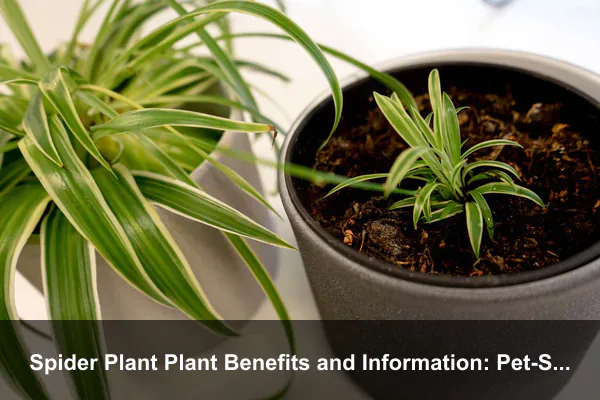
Spider Plant plant benefits and information are often summarized in one sentence: it is an easy indoor plant with arching striped leaves. That is true, but it is also incomplete. The spider plant is one of the most practical houseplants for real homes because it fits shelves, hanging baskets, family rooms, rental apartments, kitchens, bathrooms, and beginner plant collections without demanding rare supplies or constant attention.
This guide takes a fresh angle from the usual easy-care discussion. Instead of focusing only on plantlets and basic home wellness, it explains how Chlorophytum comosum works as a pet-aware, design-friendly, and problem-solving indoor plant. If you are interested in the broader idea of manfaat tanaman, or plant benefits, the spider plant is useful because it gives visible greenery, flexible placement, simple maintenance, and a forgiving way to learn better plant care habits.
What Makes Spider Plant Different From Similar Houseplants
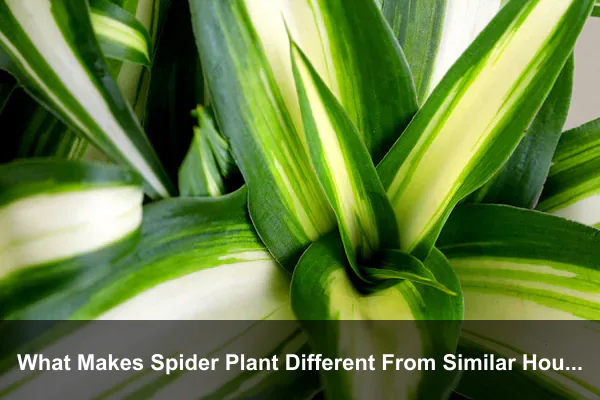
The spider plant is a clump-forming perennial with long, narrow leaves that grow from a central crown. Most indoor varieties have green and white striping, although some are mostly green and others have curled leaves. Its graceful, fountain-like shape is the reason it looks good in hanging planters, wall shelves, plant stands, and small corners where broad-leaf plants may feel too heavy.
Botanical Identity
The common spider plant belongs to the species Chlorophytum comosum. It is valued as an ornamental houseplant rather than a culinary or medicinal herb. The plant grows from thick, fleshy roots that store moisture, which helps explain why it can recover from occasional missed watering better than many delicate tropical plants.
Those storage roots are also the reason spider plants prefer a container that drains well. They like consistent moisture, but they do not like sitting in soggy soil. This balance makes the plant ideal for people who want greenery but do not want an indoor plant that collapses immediately after one imperfect week.
Why Its Shape Matters Indoors
Many indoor plants are vertical, broad, or dense. Spider plant is different because it creates movement. The narrow leaves arch outward, softening hard edges around desks, cabinets, windowsills, and bookcases. This makes it useful in practical interior styling, especially in rooms with many straight lines, screens, and storage units.
Its shape also makes problems easier to see. Pale leaves, brown tips, limp growth, and overcrowded roots are usually visible before the entire plant declines. For beginners, that visibility is a real benefit because the plant teaches you to read light, water, and soil conditions through clear signs.
Practical Spider Plant Benefits Without Overstating the Science
A useful article about Spider Plant plant benefits and information should be honest. Spider plants are beneficial, but they are not magic air filters, medical treatments, or substitutes for ventilation. Their real value comes from a combination of beauty, habit-building, resilience, and suitability for homes where people share space with children or pets.
Cleaner-Feeling Rooms
Spider plants are often mentioned in discussions about indoor air quality. Laboratory studies on houseplants have shown that some plants can interact with certain airborne compounds in controlled conditions. However, a normal room is much larger and more complex than a sealed test chamber. In everyday life, good ventilation, regular cleaning, moisture control, and low-emission materials matter more for air quality than one potted plant.
That does not make the spider plant useless. A healthy plant can still contribute to a room that feels fresher, calmer, and more cared for. It adds living texture, catches light beautifully, and encourages small routines such as checking soil, opening curtains, and noticing humidity. These modest benefits are more realistic and more valuable than exaggerated claims.
Pet-Aware Greenery
One reason spider plant remains popular is that it is widely considered a pet-safe houseplant compared with many common indoor ornamentals. This matters for households with cats or dogs, especially when the plant is placed in living rooms, bedrooms, or home offices.
Pet-safe does not mean snack-safe. Cats may be attracted to the grass-like leaves and chew them. Eating too much plant material can still cause stomach upset, so the best practice is to keep the plant out of heavy chewing range, provide appropriate pet grass if needed, and monitor curious animals. The key benefit is reduced concern compared with more toxic ornamental plants.
A Beginner-Friendly Learning Plant
The spider plant is forgiving enough for beginners but responsive enough to teach useful skills. If the leaves fade, it may need brighter indirect light. If tips turn brown, water quality, low humidity, fertilizer buildup, or inconsistent watering may be involved. If the pot dries too quickly, the root system may be crowded. These signals help new plant owners understand cause and effect.
- For beginners: It offers visible feedback without being overly fragile.
- For busy homes: It tolerates imperfect watering better than many thin-rooted plants.
- For small spaces: It gives a full look without needing a large floor pot.
- For renters: It can thrive in movable containers and hanging baskets.
Best Places to Use Spider Plant at Home
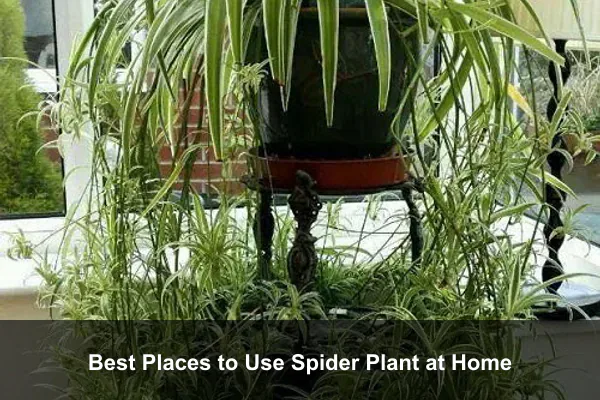
The spider plant is flexible, but placement still matters. The best location has bright indirect light, decent air movement, and a pot that can drain after watering. It can adapt to lower light, but growth may slow and variegated leaves may lose contrast.
Kitchen and Dining Areas
A spider plant can work well in a kitchen if it is kept away from direct heat, cooking oil, and constant steam. A bright shelf near a window is better than a spot above the stove. In dining areas, its clean striped leaves add freshness without taking over the table or blocking conversation.
Bathrooms With Natural Light
Bathrooms can be excellent for spider plants when there is a real window. The extra humidity helps reduce crispy tips, and the plant adds softness to tile, mirrors, and hard surfaces. Avoid dark bathrooms with no natural light unless you are willing to use a grow light.
Bedrooms and Home Offices
In bedrooms and workspaces, spider plant is useful because it is visually light. It does not dominate the room, and the arching leaves can make a desk or shelf feel less rigid. Place it where it gets morning light or bright filtered light during the day. If the plant is above a desk, use a secure pot and saucer to prevent water drips.
Placement Checklist
- Choose bright indirect light rather than harsh midday sun.
- Keep leaves away from heaters, air conditioners, and hot appliances.
- Use a pot with drainage holes.
- Rotate the pot every week or two for even growth.
- Place hanging baskets where watering is still convenient.
Spider Plant Varieties and How to Choose One
Choosing the right spider plant variety makes care and styling easier. Most types need similar care, but their leaf patterns change how they look in a room. A bold white center stripe brightens dark furniture, while green-edged leaves can look calmer and more natural.
Common Variegated Types
Variegatum usually has green leaves with white margins. This type is classic, crisp, and easy to style with neutral pots. Vittatum usually has a lighter stripe through the center of the leaf, giving a brighter and softer appearance. Both are excellent for indoor growing, especially in bright indirect light.
Curly Spider Plant
The curly spider plant, often sold as Bonnie, has twisted or curled leaves. It is compact and playful, which makes it useful for small shelves, office desks, and grouped displays. Because the leaves curl inward, dust and dry tips may be more noticeable, so gentle cleaning is helpful.
Solid Green Spider Plant
The solid green spider plant is less common in shops but very attractive in minimalist rooms. It can appear calmer than striped varieties and may blend well with other foliage plants. If your room already has many patterns, a green form may be easier to style.
- Choose striped forms if you want brightness and contrast.
- Choose curly forms for compact displays and playful texture.
- Choose green forms for a quieter, more natural look.
- Choose small starter plants if you want to adapt the plant to your home from the beginning.
Light, Water, Soil, and Feeding for Strong Growth
Spider plant care is simple, but precise care prevents most common problems. The goal is not to keep the plant barely alive. The goal is to grow full, firm leaves with clear color and minimal browning.
Light Requirements
Bright indirect light is ideal. A spot near an east-facing window is often excellent because morning sun is gentler. Near a south or west window, filter the light with a sheer curtain or place the plant a little farther back. Too much direct sun can scorch leaves, while too little light can make growth thin and dull.
If your spider plant is variegated, light is especially important. Variegated leaves contain less green tissue than solid green leaves, so they may need stronger indirect light to maintain energy and color. A plant that slowly turns pale, floppy, or sparse is often asking for a brighter position.
Watering Method
Water when the top layer of soil feels dry, then water thoroughly until excess drains from the bottom. Empty the saucer after watering. This method is better than giving tiny splashes every day because it encourages deeper root hydration and reduces uneven dry pockets.
Spider plants can be sensitive to minerals, fluoride, and salts in some tap water. If your plant repeatedly develops brown tips even when care seems correct, try filtered water, rainwater, or tap water that has been left to stand overnight. Also flush the soil occasionally by watering deeply and letting extra water drain away.
Soil and Potting
Use a loose indoor potting mix that holds some moisture but drains quickly. A standard houseplant mix can work well if the pot has drainage. If your mix stays wet for many days, improve it with perlite, pumice, orchid bark, or another aerating material.
Spider plants do not need huge pots. In fact, a slightly snug pot can keep growth controlled. Repot when roots circle heavily, water runs straight through, the plant lifts out of the pot, or growth slows even in good light. Move up only one pot size at a time.
Fertilizing
Feed lightly during active growth, usually spring through early autumn. A balanced houseplant fertilizer at half strength once a month is enough for many homes. Too much fertilizer can contribute to brown tips and salt buildup, so more is not better.
- Spring: Resume light feeding and check whether repotting is needed.
- Summer: Monitor moisture more often, especially near bright windows.
- Autumn: Reduce feeding as growth slows.
- Winter: Water less often and avoid forcing growth in low light.
Solving Brown Tips, Pale Leaves, and Limp Growth
Brown tips are the most common spider plant complaint. They are also the reason this plant deserves a problem-solving guide. Brown tips do not always mean the plant is dying. They usually point to stress at the leaf ends, and several different conditions can cause that stress.
Brown Leaf Tips
Common causes include dry air, inconsistent watering, mineral-heavy water, fertilizer buildup, too much direct sun, or old leaves naturally aging. Start with the simplest fixes. Check whether the soil is drying completely for long periods, move the plant away from harsh sun, and water deeply with lower-mineral water for a few weeks.
You can trim brown tips with clean scissors by following the natural angle of the leaf. This improves appearance, but it does not solve the cause. If new leaves continue to grow with brown ends, adjust water quality, humidity, or fertilizer rather than repeatedly trimming.
Pale or Washed-Out Leaves
Pale leaves may come from too much sun, not enough light, nutrient shortage, or general stress. If leaves look bleached and crispy, direct sun may be too intense. If they look weak, narrow, and dull, the plant may need brighter indirect light. A plant that has not been fed or repotted for a long time may also need fresh soil and gentle nutrition.
Limp Leaves
Limp growth can happen from both underwatering and overwatering. The difference is in the soil and roots. Dry soil with limp leaves usually means the plant needs a thorough drink. Wet soil with limp leaves may point to root stress. If the pot smells sour or roots look mushy, remove damaged roots and repot into fresh, airy mix.
Pests
Spider plants are not especially pest-prone, but they can attract spider mites, mealybugs, aphids, or scale when stressed. Check leaf bases and undersides. A gentle rinse, wiping leaves, and isolating the plant can control small problems early. For persistent pests, use an appropriate houseplant-safe treatment and repeat according to the label.
Propagation, Pruning, and Long-Term Renewal
Spider plants are famous for producing small offshoots, but propagation should be handled as part of long-term renewal rather than treated as the only exciting feature. A mature plant may eventually look crowded, tired, or uneven. Strategic pruning and occasional division keep it attractive.
When to Remove Offshoots
Offshoots use energy. If the mother plant is healthy, they are not a problem. If the plant is weak, pale, or root-bound, removing some offshoots can help redirect energy into the main crown. Choose the strongest offshoots for propagation and remove the rest if the plant looks cluttered.
To root an offshoot, place its small root area into moist potting mix while it is still attached, or cut it and plant it separately. Keep the mix lightly moist and provide bright indirect light. Once new growth appears, care for it like a young spider plant.
Dividing an Older Plant
Older spider plants can be divided when the root ball becomes extremely dense. Remove the plant from the pot, separate the crown into sections with roots attached, and replant each section in fresh mix. Division is more disruptive than rooting offshoots, but it can revive an overcrowded plant.
Pruning for a Clean Look
Remove yellow, torn, or heavily browned leaves at the base. Avoid cutting healthy leaves halfway unless you are trimming minor brown tips. Regular grooming keeps the plant open and reduces hiding places for pests. It also helps the arching shape remain elegant rather than messy.
Safety, Buying, and Sustainability Notes
A responsible guide to Spider Plant plant benefits and information should include safe use and smart shopping. Spider plants are common, affordable, and widely shared, so you do not need to overbuy. One healthy plant can become several over time.
Household Safety
Keep plants out of reach of toddlers who may pull hanging baskets or scatter soil. Use stable hooks, secure shelves, and lightweight pots only where they are safe. If you have pets that chew leaves constantly, move the plant higher or choose a protected location.
What to Check Before Buying
- Look for firm leaves with clear color and no mushy crown.
- Check leaf bases for pests, webbing, cottony spots, or sticky residue.
- Avoid plants sitting in waterlogged nursery pots.
- Choose a plant with balanced growth rather than one stretched toward one side.
- Inspect the pot bottom for roots, but do not reject a plant only because it is slightly snug.
Sustainable Growing Habits
Use durable pots, refresh soil only when needed, and share rooted offshoots with friends instead of discarding them. If you are building an indoor plant collection, spider plant is a sensible anchor because it is long-lived, adaptable, and easy to renew. That makes its benefits practical rather than temporary.
Conclusion
Spider plant is popular for good reasons, but its best qualities go beyond being easy. It is a flexible, pet-aware, visually light houseplant that helps beginners understand indoor growing while giving experienced plant owners a reliable design tool. With bright indirect light, careful watering, airy soil, and light feeding, it can stay full and attractive for years.
The most useful Spider Plant plant benefits and information come from realistic expectations. It will not replace clean air habits, medical care, or proper home maintenance, but it can make a room feel fresher, softer, and more alive. For a low-stress houseplant with practical beauty and teachable care signals, spider plant remains one of the smartest choices for modern indoor spaces.
