
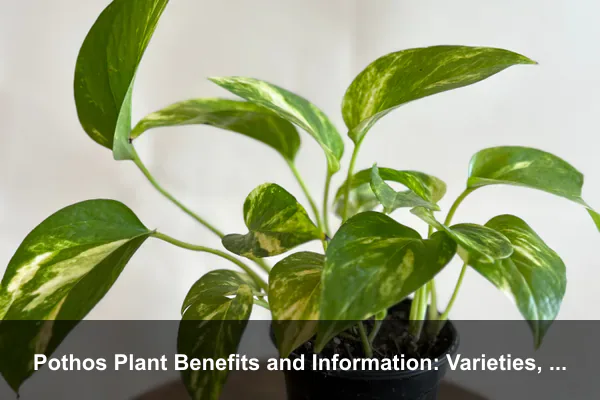
Pothos plant benefits and information are often summarized in one simple sentence: pothos is an easy indoor vine. That is true, but it does not explain why this plant remains one of the most useful houseplants for real homes. Pothos is flexible, forgiving, attractive, and surprisingly informative. Its leaves can tell you when light is too weak, when watering is too frequent, when a room is too dry, or when a pot is no longer supporting healthy roots.
This guide takes a fresh angle by focusing on pothos varieties, variegation, placement, and practical indoor value. Instead of treating every pothos as the same green vine, it explains how leaf color, growth habit, and room conditions affect the benefits you actually receive. Whether you grow Golden Pothos, Marble Queen, Neon Pothos, Jade Pothos, Manjula, or another cultivar, understanding these details helps you choose the right plant for the right space and care for it with less waste, stress, and guesswork.
Why Pothos Is More Than an Easy Houseplant
Pothos, commonly associated with Epipremnum aureum, is a tropical climbing aroid grown worldwide as an indoor ornamental plant. In many homes it is valued as a practical tanaman hias, or decorative plant, because it gives a visible green effect without demanding expert-level care. It can trail from shelves, climb supports, soften bare corners, and adapt to a range of indoor light levels.
The plant has heart-shaped leaves and flexible vines that root from nodes. These nodes are important because they help the plant climb in nature and make indoor maintenance easier. When a vine is trimmed, a healthy node can produce new roots or fresh growth under the right conditions. This is one reason pothos is considered beginner-friendly: the plant gives you many chances to correct its shape, refresh growth, and learn from observation.
However, easy does not mean indestructible. Pothos still needs suitable light, oxygen around the roots, moderate watering, and safe placement away from chewing pets or small children. Its real benefit is not that it survives neglect forever. Its benefit is that it responds clearly to better habits. When you improve its conditions, you usually see better color, stronger vines, firmer leaves, and more balanced growth.
Pothos Varieties and Variegation: Choosing the Right Look
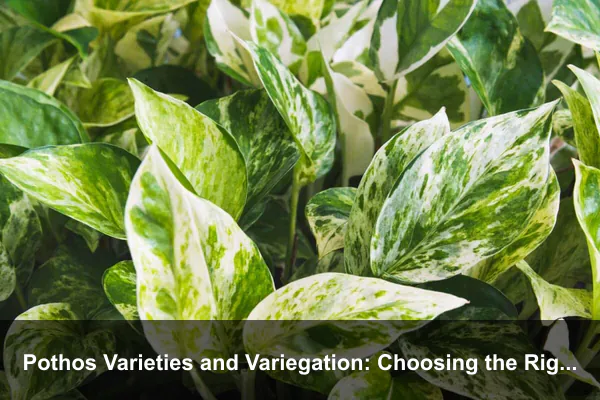
One of the most useful pieces of pothos plant information is that different varieties behave differently indoors. A dark green pothos and a highly variegated pothos may both be easy, but they do not have identical light needs or growth rates. Choosing by leaf pattern is not only an aesthetic decision; it is also a care decision.
Golden Pothos
Golden Pothos is one of the most common and reliable varieties. Its green leaves are marked with yellow or golden streaks, especially when it receives bright indirect light. This variety is a strong choice for beginners because it usually grows faster than highly white-variegated types and tolerates imperfect indoor conditions better than many decorative foliage plants.
Marble Queen Pothos
Marble Queen Pothos has creamy white and green marbling. It is beautiful, but the pale parts of the leaf contain less chlorophyll than the green parts. That means the plant often grows more slowly and benefits from brighter indirect light. In a dim corner, Marble Queen may lose some contrast, produce smaller leaves, or grow long spaces between leaves.
Neon and Jade Pothos
Neon Pothos has bright chartreuse leaves that create a clean, modern look, while Jade Pothos has solid green foliage and a quieter appearance. Jade is usually a strong option for lower-light rooms because its leaves have more green tissue for photosynthesis. Neon can stay vivid in good indirect light but may become dull if the plant is stressed or dusty.
Manjula, Pearls and Jade, and Other Patterned Types
Manjula, Pearls and Jade, N Joy, and similar patterned pothos types are popular for small shelves, desks, and decorative pots. They often grow more compactly than Golden Pothos, but they also need careful light balance. Too little light can reduce pattern quality. Too much direct sun can scorch the pale sections first. For these varieties, bright filtered light is usually the best compromise.
Some plants sold as pothos, such as Cebu Blue, may belong to a related Epipremnum species rather than classic Epipremnum aureum. They can still fit into a pothos-style care routine, but their leaf shape, climbing behavior, and growth speed may differ. This is why plant labels and visual identification matter when buying a new specimen.
Key Pothos Plant Benefits for Modern Indoor Living
The most realistic pothos plant benefits are practical, visual, and habit-building. Pothos is not a magic air purifier, a medical plant, or a substitute for ventilation and cleaning. Its value comes from how well it fits into everyday indoor life.
It Adds Greenery Without Taking Floor Space
Pothos is useful in small spaces because it can grow vertically or trail from existing surfaces. A single pot can sit on a bookcase, kitchen shelf, plant stand, cabinet top, or hanging planter. This makes it ideal for apartments, bedrooms, home offices, and compact living areas where floor space is limited.
It Gives Clear Visual Feedback
Pothos leaves are easy to read. Wilting may suggest thirst or root trouble. Yellowing can point to overwatering, poor drainage, old leaves, or sudden environmental change. Long bare vines may mean the plant needs more light or fuller maintenance. This feedback helps new plant owners build better care habits over time.
It Supports a Calm, Natural Interior
Indoor plants can make rooms feel softer and more lived-in. Pothos is especially effective because vines create movement and visual flow. A trailing plant can reduce the harshness of shelves, electronics, plain walls, or square furniture. This is a design benefit, but it also affects how a room feels during daily routines.
It Is Low-Pollen and Low-Fragrance
Pothos is grown for foliage, not strong flowers or perfume. For people who prefer fragrance-free indoor greenery, this can be helpful. It does not mean pothos is allergy-proof, but it is generally a cleaner choice than strongly scented plants for bedrooms, offices, and shared rooms.
It Encourages Low-Waste Plant Care
Because pothos responds well to trimming and reuse, it supports low-waste habits. A leggy vine can often be refreshed instead of discarded. Old nursery pots can be reused for smaller divisions. A tired plant can be improved with better light, fresh mix, and root care rather than replaced immediately.
- Decor benefit: Softens shelves, corners, cabinets, and work areas.
- Learning benefit: Shows visible signs of watering, light, and root issues.
- Space benefit: Works in hanging, trailing, or climbing displays.
- Care benefit: Tolerates normal indoor variation better than many houseplants.
- Budget benefit: Can stay attractive for years with simple maintenance.
Light, Water, and Soil Information for Strong Growth
Healthy pothos care begins with understanding what the plant is trying to do. In nature, pothos climbs toward light and anchors itself along surfaces. Indoors, it depends entirely on the pot, the room, and the routine you provide. Good care does not need to be complicated, but it should be consistent.
Light for Leaf Color and Growth
Pothos prefers bright indirect light, but many varieties can tolerate medium indoor light. Direct midday sun through hot glass can burn leaves, especially pale variegated sections. Very low light may keep the plant alive, but it often produces smaller leaves, slower growth, weaker color, and longer spaces between nodes.
A simple rule is to match light to leaf pattern. More green tissue usually means better tolerance for lower light. More white, cream, or yellow variegation usually means the plant needs brighter indirect light to maintain strong growth. If a variegated pothos starts producing mostly green leaves, it may be trying to adapt to dim conditions.
Watering Without Guesswork
Pothos roots need moisture and air. The common mistake is watering on a fixed calendar without checking the pot. A better method is to feel the top layer of soil and notice the weight of the container. Water when the upper soil has dried and the pot feels lighter, then water thoroughly so moisture reaches the root zone. Empty saucers after drainage so roots do not sit in stagnant water.
In bright rooms, small pots may dry faster. In cool rooms, large pots may stay wet longer. A pothos in dense soil may look thirsty even when roots are actually struggling from lack of oxygen. That is why watering should be linked to soil condition, not only leaf appearance.
Soil and Potting Mix
A good pothos mix should hold some moisture while draining well. Standard indoor potting mix can work if it is not compacted, but many growers improve it with materials such as perlite, orchid bark, coco chips, or pumice. The goal is a loose structure that lets water pass through and leaves air pockets around the roots.
Choose a pot with drainage holes whenever possible. Decorative cachepots can still be used, but the plant should sit in a nursery pot inside them so excess water can be removed. Repot only when needed, such as when roots circle tightly, water runs straight through a root-bound mass, or growth stalls despite good light and care.
Smart Placement: Matching Pothos to Real Rooms
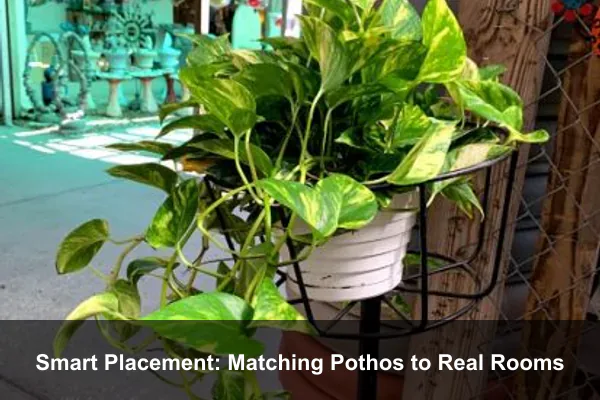
Placement is where pothos plant benefits and information become practical. The best location is not always the brightest window or the most decorative shelf. It is the place where light, access, safety, and design all work together.
For Shelves and Cabinets
Pothos is excellent on shelves because vines can trail naturally. Place the pot where you can still reach it for watering and inspection. If vines become too long, guide them along the shelf or trim them before they become tangled with books, cords, or cabinet doors. A stable saucer or waterproof liner protects furniture from moisture marks.
For Work Areas
On a desk or near a workstation, choose a compact variety or keep vines trimmed. Pothos can add a calm visual break without occupying much working surface. Avoid placing it where leaves brush against keyboards, vents, lamps, or charging cables. A plant should make the area easier to use, not harder to maintain.
For Kitchens and Bathrooms
Kitchens and bathrooms can suit pothos if they have enough light and safe surfaces. Humidity may be helpful, but poor light is still a problem. Keep the plant away from stove heat, direct grease, cleaning sprays, and places where leaves may be handled with food residue. In bathrooms, make sure the pot is not sitting in constant wetness.
For Vertical Supports
Pothos can also be grown upward on a moss pole, coir pole, trellis, or simple support. Climbing growth can produce a more structured display and may encourage larger leaves over time when conditions are strong. This approach is useful when you want height without long trailing vines. It also keeps the plant tidier in homes with limited shelf space.
- Check the light first. Variegated types need brighter indirect light than solid green types.
- Check access. If watering requires a ladder or awkward reaching, care will become inconsistent.
- Check safety. Keep vines away from pets, toddlers, heaters, fans, and electrical cords.
- Check surfaces. Protect wood, books, and electronics from drainage or leaf drip after cleaning.
- Check growth direction. Decide whether the plant should trail, climb, or stay compact.
Safety, Myths, and Responsible Use
A complete article on pothos plant benefits and information must include safety. Pothos contains insoluble calcium oxalate crystals, which can irritate the mouth, throat, and digestive tract if chewed or swallowed. This is especially important for cats, dogs, and small children. The plant is ornamental, not edible.
If you share your home with curious pets, place pothos out of reach or choose a different plant. Hanging baskets are not always enough if vines trail within reach. Keep trimmed pieces off the floor, wash hands after pruning, and avoid using pothos leaves in herbal preparations, teas, food styling, or pet enrichment.
Another common myth is that one pothos plant can clean indoor air enough to replace ventilation. Laboratory studies have shown that some plants can interact with certain pollutants under controlled conditions, but normal homes are different. Room volume, airflow, dust, building materials, cleaning products, and ventilation matter far more. Pothos can contribute to a pleasant indoor environment, but it should be seen as part of a healthy home routine, not a standalone air-cleaning device.
Responsible benefits are still meaningful. Wiping pothos leaves can remove dust from the foliage surface. Keeping plants healthy may encourage you to open curtains, observe humidity, reduce overwatering, and maintain cleaner surfaces. These practical habits often matter more than exaggerated claims.
Troubleshooting Pothos Problems Before They Spread
Pothos is forgiving, but small problems are easier to fix early. The plant usually gives visible clues before decline becomes serious. Learning these signs helps you protect both the plant and the surrounding space.
Yellow Leaves
One or two older yellow leaves can be normal, especially near the base of the plant. Many yellow leaves at once may indicate overwatering, poor drainage, cold stress, sudden change, or root trouble. Check the soil before adding more water. If the mix is wet for many days, improve drainage and inspect roots.
Brown Tips or Edges
Brown tips can come from inconsistent watering, dry air, fertilizer buildup, mineral-heavy water, or root stress. Trim damaged edges if needed, but focus on the cause. Flush the soil occasionally if fertilizer salts are building up, and avoid feeding a stressed plant until conditions improve.
Leggy Vines
Long vines with few leaves often mean light is too weak or the plant has been allowed to trail without maintenance for too long. Move it closer to bright indirect light and trim selectively to encourage fuller growth. If the top of the pot is bare, make sure light reaches the crown of the plant, not only the vine ends.
Fading Variegation
Fading patterns usually suggest low light, natural reversion, or growth from a mostly green section. Move the plant to brighter indirect light and prune back fully green vines if you want to preserve variegation. Do not expose it suddenly to harsh sun, because pale leaf areas can burn quickly.
Pests
Pothos may attract common indoor pests such as mealybugs, spider mites, scale, or fungus gnats. Inspect leaf undersides, nodes, and soil surfaces. Isolate affected plants, remove visible pests, and treat consistently with an appropriate method such as insecticidal soap or horticultural oil according to product directions. Good airflow and avoiding constantly wet soil can reduce pest pressure.
Simple Maintenance Routine for Long-Term Value
The best pothos routine is simple enough that you will actually repeat it. Overcare is often more damaging than slight underwatering. A steady rhythm keeps the plant attractive without turning it into a demanding project.
- Weekly: Check soil moisture, inspect new leaves, and rotate the pot if growth leans strongly toward light.
- Every two to four weeks: Wipe dusty leaves with a soft damp cloth so the plant can receive light efficiently.
- During active growth: Feed lightly with a balanced indoor plant fertilizer if the plant is healthy and producing new leaves.
- Seasonally: Remove yellow leaves, shorten overly long vines, and check whether roots need more space.
- As needed: Refresh compacted soil, clean the pot exterior, and adjust placement when seasons change.
Fertilizer should support growth, not force it. Too much fertilizer can damage roots and cause brown tips. If the plant is in low light, recently repotted, or recovering from stress, wait before feeding. Strong light, healthy roots, and moderate moisture should come first.
Repotting is usually needed less often than beginners think. A pothos can live happily in a slightly snug pot, but it should not be trapped in a dense root mass with exhausted soil. When repotting, choose a container only slightly larger than the current one. A very oversized pot can hold too much moisture and increase the risk of root problems.
How to Choose a Healthy Pothos Before Buying
Buying well is part of successful care. A healthy pothos should have firm leaves, flexible vines, no sour smell from the soil, and no obvious pest clusters around nodes or leaf backs. Avoid plants with mushy stems, heavily yellowing foliage, waterlogged soil, or roots growing in a rotting mass at the base.
Look closely at variegated plants. Some leaf damage is cosmetic, but a plant with weak, thin, or distorted new growth may be stressed. If you are choosing a highly patterned variety, pick one with balanced green and pale areas. Leaves that are almost entirely white may look striking, but they provide less energy for the plant and can be harder to maintain.
Also consider your actual room before choosing the variety. If your home has bright filtered light, Marble Queen or Manjula may be realistic. If your room is medium to lower light, Golden or Jade Pothos may give better long-term results. The best plant is not always the rarest one; it is the one whose needs match your environment.
Conclusion: Practical Greenery with Flexible Benefits
Pothos plant benefits and information are most useful when they are realistic. This plant can beautify indoor spaces, save floor area, teach better care habits, and adapt to many decorative styles. It can trail, climb, stay compact, or become a bold leafy feature depending on the variety and placement you choose.
The key is to respect the differences between pothos types. Variegation, light, water, soil, safety, and room function all shape the results. When you match the plant to the space instead of forcing it into the wrong conditions, pothos becomes more than a common houseplant. It becomes a dependable, low-maintenance part of a healthier and more thoughtful indoor routine.
