
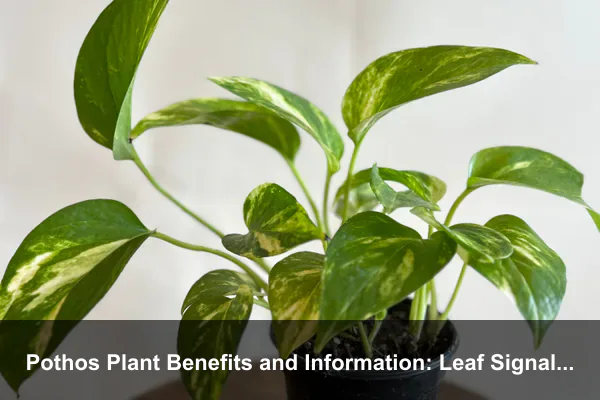
Pothos plant benefits and information are often summarized in one simple sentence: it is an attractive, forgiving indoor plant. That is true, but it is not the whole story. Pothos is also useful because it teaches you how an indoor environment works. Its leaves respond visibly to light, watering, airflow, temperature, and neglect, making it one of the best plants for people who want beauty and practical feedback from a houseplant.
This guide takes a different angle from a basic easy-care overview. Instead of focusing mainly on decoration or propagation, it looks at pothos as a living indicator plant for homes, apartments, offices, and small indoor corners. You will learn what the plant can realistically do, what it cannot do, how to read its leaf signals, how to choose a variety, and how to keep its benefits steady without turning plant care into a complicated routine.
Why Pothos Is More Than a Beginner Houseplant
Pothos, botanically known as Epipremnum aureum, is a tropical evergreen vine commonly grown indoors for its heart-shaped leaves and flexible growth habit. It can trail from a shelf, climb a support, fill a hanging basket, or soften the look of a workspace. Because it tolerates imperfect care better than many ornamental plants, beginners often start with pothos. Experienced growers also keep it because it is reliable, adaptable, and easy to observe.
The biggest practical benefit of pothos is not that it magically fixes a room. Its real value is that it adds living greenery while requiring only moderate attention. In plant-benefit discussions, this matters because a plant that survives well indoors is more likely to deliver long-term value. A demanding plant may be beautiful for a few weeks, but a resilient plant becomes part of daily life.
Pothos also has a simple visual language. Leaves that fade, curl, yellow, droop, or stretch usually point to a specific environmental issue. For new plant owners, this makes pothos a useful learning plant. It helps you understand indoor light, potting mix, watering rhythm, and seasonal changes in a low-pressure way.
Pothos Plant Profile and Natural Growth Habit
Understanding basic pothos information helps explain why the plant performs so well indoors. In warm natural environments, pothos behaves as a climbing or trailing vine. It uses aerial roots to attach to surfaces and grows toward light. Indoors, the same growth habit makes it flexible. You can let it hang, guide it along a wall, train it up a moss pole, or trim it into a compact shape.
Key identification features
Most pothos plants have thick, slightly waxy, heart-shaped leaves. The leaves may be solid green, golden variegated, white marbled, lime green, bluish green, or speckled depending on the variety. Stems grow in long vines, and each node can produce a new leaf or root under the right conditions.
- Botanical name: Epipremnum aureum.
- Common names: pothos, golden pothos, devil’s ivy, money plant in some regions.
- Growth style: trailing, climbing, or cascading vine.
- Best indoor use: shelves, desks, hanging planters, plant stands, bright corners, and office surfaces.
- Main caution: toxic if chewed by pets or children because of insoluble calcium oxalate crystals.
Why pothos adapts indoors
Pothos adapts well because it stores some moisture in its stems and leaves, grows in a wide range of indirect light, and recovers from many common mistakes. It does not need constant humidity management, daily watering, or special equipment in most homes. That does not mean it thrives in every condition, but it gives the grower more room to learn.
Its adaptability is one reason pothos is popular in the broader category of beneficial indoor plants. A plant benefit is only useful if the plant can remain healthy in real homes. Pothos is forgiving enough for busy people, renters, office workers, and anyone who wants greenery without a fragile setup.
What Pothos Tells You About Your Indoor Environment
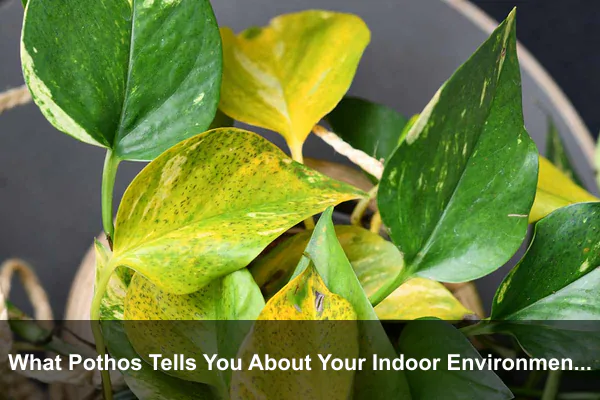
One of the most unique pothos plant benefits is its ability to act like a visual dashboard for indoor conditions. You do not need to guess endlessly. The plant often shows you what is happening through leaf color, stem spacing, and growth speed. Reading those signs helps you care not only for pothos, but also for other houseplants.
Leaf color as a light clue
Healthy pothos leaves usually keep their color pattern when the plant receives enough bright, indirect light. Golden pothos holds yellow streaks better in a brighter location. Marble queen and other white-variegated varieties need more light to maintain strong contrast. If variegated leaves slowly become more green, the plant may be adapting to low light by producing more chlorophyll.
If leaves look pale, scorched, or crispy at the edges, the plant may be too close to harsh direct sun. Pothos likes brightness, but indoor leaves can burn when pressed against a hot window. A position a short distance from an east-facing or filtered south-facing window is often better than direct midday sun.
Drooping and curling as water clues
Pothos often droops when it is thirsty, but drooping can also happen when roots sit in soggy soil. The difference is in the potting mix. If the soil is dry several centimeters down and the pot feels light, the plant likely needs water. If the soil is wet and the plant still looks limp, overwatering or poor drainage may be the problem.
This is why pothos is excellent for learning moisture judgment. Instead of watering on a strict calendar, check the plant and the soil together. The goal is not to keep soil constantly wet. It is to water thoroughly, let excess drain away, and wait until the upper layer dries before watering again.
Stem spacing as a growth clue
Long bare gaps between leaves usually mean the plant is reaching for light. This is often called leggy growth. The plant may still survive, but it will look thinner and weaker. Moving it to brighter indirect light can encourage fuller growth. Regular trimming can also help, but light is the real driver of dense foliage.
Compact vines with steady leaf production usually indicate a better balance of light, water, and nutrients. If growth stops completely for a long time, check temperature, root space, seasonal light changes, and whether the plant has been sitting in exhausted soil.
Evidence-Aware Pothos Plant Benefits
Pothos plant benefits and information should be discussed honestly. The plant is valuable, but it should not be promoted with exaggerated health claims. A pothos plant can improve the look and feel of a room, support a more attentive routine, and contribute to a greener indoor atmosphere. It is not a replacement for ventilation, cleaning, medical care, or air filtration when those are needed.
Visual comfort and mental refreshment
Green plants can make indoor spaces feel softer and more inviting. Pothos is especially effective because its vines create movement and natural lines. A desk with a small pothos can feel less sterile. A shelf with trailing leaves can make a room feel lived in. This visual comfort is one of the most realistic benefits of keeping pothos indoors.
For people who work from home, study, or spend long hours near screens, a healthy plant can provide a small visual reset. Looking away from a device and noticing living leaves can support a calmer routine. The effect is simple, but it is practical and repeatable.
Air quality context without myths
Pothos is often listed among plants associated with indoor air-cleaning studies. However, it is important to keep expectations realistic. In a normal home, a few plants will not purify air as powerfully as proper ventilation, source control, or mechanical filtration. The plant may contribute modestly to a fresher indoor feeling, but it should not be treated as an air purifier by itself.
The better way to frame this benefit is that pothos supports a healthier indoor mindset. When you care for plants, you may become more aware of stale rooms, dusty surfaces, dry air, and poor light. That awareness can lead to better habits, such as opening windows when appropriate, cleaning leaves, avoiding overuse of harsh chemicals, and keeping living areas organized.
Routine building and attention training
Pothos is useful because it rewards consistent but simple attention. You check the soil, turn the pot, remove a yellow leaf, rinse dust from foliage, and notice new growth. These small routines build confidence. For many people, pothos becomes the plant that changes indoor gardening from an intimidating hobby into an enjoyable habit.
This benefit is especially relevant for beginners. A plant that gives feedback without failing quickly helps people learn. It also makes plant care less about perfection and more about observation. That is a valuable part of the manfaat tanaman concept: plants benefit people not only through appearance, but through daily interaction.
Choosing the Right Pothos for Your Space
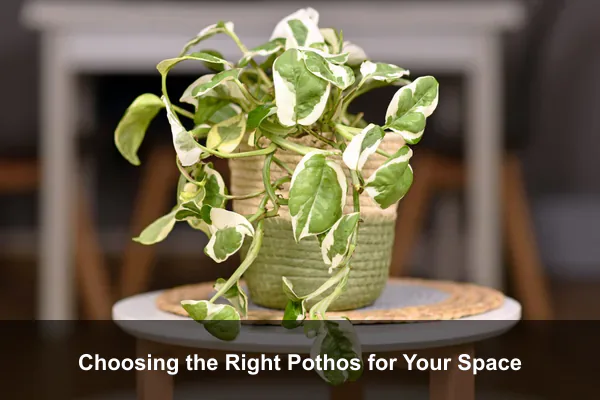
Different pothos varieties have different visual effects and light preferences. Choosing the right one helps you get better results from the start. A dark corner, a bright desk, and a decorative shelf may all suit pothos, but not always the same type.
Golden pothos
Golden pothos is the classic choice, with green leaves marked by yellow or gold variegation. It is one of the most forgiving types and a strong option for beginners. It can tolerate medium light and some lower-light conditions, although brighter indirect light keeps the variegation stronger.
Marble queen pothos
Marble queen has creamy white and green marbling. It looks elegant, but because the white portions contain less chlorophyll, it usually needs brighter indirect light than golden pothos. In dim spaces, it may grow slowly or produce greener leaves over time.
Neon pothos
Neon pothos has bright lime green foliage that stands out in modern rooms. It can bring color to a neutral workspace without flowers or complicated styling. To keep the leaves vivid, give it bright filtered light and avoid extreme direct sun.
Jade pothos
Jade pothos has solid green leaves and is often a good choice for lower-light rooms. Because it does not rely on variegation for its appeal, it can remain attractive in places where highly variegated varieties may struggle. It is a practical option for offices, hallways with indirect light, and shelves away from windows.
When selecting a plant, look for firm leaves, active growth points, and stems without mushy sections. Avoid plants with a sour soil smell, heavy pest damage, or many yellowing leaves at the base. A healthy starting plant makes every benefit easier to maintain.
Care Routines That Protect the Benefits
The best pothos care routine is simple, but it should be based on conditions rather than habit alone. Indoor temperature, pot size, light exposure, soil type, and season all affect how fast the plant uses water and nutrients. A smart routine keeps the plant healthy without overmanaging it.
Water by observation, not only by schedule
Water pothos when the top portion of the potting mix has dried. In many homes, this may be once every one to two weeks, but the timing changes with heat, light, and pot size. Always check the soil before watering. A finger test, wooden skewer, or moisture meter can help you avoid guessing.
- Check the top layer of soil for dryness.
- Lift the pot to feel whether it is light or still heavy with water.
- Water thoroughly until excess drains from the bottom.
- Empty the saucer so roots do not sit in standing water.
- Wait for partial drying before watering again.
Use bright indirect light for best growth
Pothos can survive in lower light, but survival and strong growth are different. For fuller vines, better color, and stronger leaves, place the plant in bright indirect light. If the only available spot is dim, choose jade or golden pothos and expect slower growth. If leaves burn, move the plant away from direct sun or add a sheer curtain.
Keep soil airy and drainage reliable
A standard indoor potting mix works better when it drains freely. Heavy soil that stays wet for too long can create root problems. A mix with ingredients such as perlite, coco coir, bark, or pumice can help maintain oxygen around the roots. The pot should have drainage holes, especially for beginners.
Feed lightly during active growth
Pothos does not need heavy fertilizing. During spring and summer, a balanced houseplant fertilizer at a diluted strength can support steady growth. Overfertilizing may cause salt buildup, leaf tip burn, or weak growth. If you are unsure, use less rather than more and flush the soil occasionally with clean water.
Reading Common Problems Before They Spread
Pothos problems are usually easier to fix when you read them early. Most issues come from light imbalance, watering mistakes, compacted soil, temperature stress, or pests. Because pothos responds visibly, it gives you a chance to adjust before the plant declines badly.
Yellow leaves
One yellow leaf on an older vine is normal. Many yellow leaves at once need attention. Possible causes include overwatering, underwatering, sudden temperature change, poor drainage, or lack of light. Check the soil first, then review the plant’s location and recent care changes.
Brown tips or crispy edges
Brown tips can come from dry air, inconsistent watering, fertilizer buildup, or too much direct sun. Trim damaged edges if desired, but focus on the cause. If the plant is near a heater, air conditioner, or hot window, move it to a more stable spot.
Small new leaves
Small leaves often indicate low light, low nutrients, or an old crowded root system. Better light can make a noticeable difference. If the plant has been in the same pot for years and dries out very quickly, it may need fresh potting mix or a slightly larger container.
Pests
Pothos can attract common houseplant pests such as spider mites, mealybugs, scale, or fungus gnats. Inspect leaf undersides, stem joints, and soil surfaces. Early pest control is usually simpler than treating a heavy infestation. Wiping leaves, isolating affected plants, improving airflow, and using appropriate insecticidal soap can help.
Safety and Responsible Placement
Any complete discussion of pothos plant benefits and information must include safety. Pothos is not considered edible. Its tissues contain insoluble calcium oxalate crystals that can irritate the mouth, throat, and digestive system if chewed. This matters most in homes with curious pets, toddlers, or anyone likely to touch and taste plants.
Responsible placement protects both people and the plant. Keep pothos out of reach of cats, dogs, and small children. Hanging planters, high shelves, plant stands, or rooms with supervised access can reduce risk. Wear gloves if you have sensitive skin and wash your hands after pruning or handling sap.
Safety does not mean pothos should be avoided by everyone. It means the plant should be used thoughtfully. Many indoor plants have similar cautions, and good placement is part of smart plant ownership. A beautiful plant is more beneficial when it fits the household safely.
Using Pothos for Small Homes and Work Areas
Pothos works well in compact spaces because it grows vertically or downward instead of demanding broad floor area. In apartments, dorm rooms, studios, and small offices, this matters. A single pot can add greenery to a shelf, cabinet, desk corner, or window-adjacent wall without taking over the room.
For work areas, choose a size and location that will not interfere with movement. A small pot near a monitor, a trailing plant on a bookcase, or a vine guided along a support can add softness without clutter. The goal is to improve the atmosphere, not create another obstacle.
- For desks: choose a compact plant and rotate it weekly for balanced growth.
- For shelves: allow vines to trail where they will not be pulled or damaged.
- For kitchens: keep the plant away from heat, grease, and food-prep surfaces.
- For bathrooms: use pothos only if there is enough natural or strong artificial light.
- For offices: check soil before weekends or long holidays, but avoid overwatering before leaving.
Sustainable Pothos Care and Long-Term Value
A sustainable approach to pothos means buying thoughtfully, using durable pots, avoiding unnecessary chemicals, and keeping the plant healthy for years. Because pothos can live a long time indoors, its value increases when it is maintained instead of replaced repeatedly.
Choose a pot that fits the root system rather than one that is much too large. Oversized pots hold extra moisture and can increase the risk of root rot. Reuse containers when possible, clean tools between plants, and refresh potting mix when it becomes compacted. Dust leaves gently so they can receive light efficiently.
Trimming is also part of long-term care. Removing damaged leaves and cutting back thin vines can help the plant redirect energy. If you choose to root cuttings, share them responsibly and avoid placing unwanted plant material outdoors where it does not belong. Indoor plant ownership should support beauty without encouraging waste or careless disposal.
Quick Pothos Checklist for Healthier Growth
If you want a simple reference, use this checklist. It keeps the focus on the conditions that matter most and helps preserve the main benefits of pothos as an indoor plant.
- Place pothos in bright indirect light for stronger leaves and better color.
- Water only after the upper soil layer has dried.
- Use a pot with drainage holes and avoid standing water.
- Clean dusty leaves with a soft damp cloth.
- Turn the pot regularly so growth stays balanced.
- Watch for yellowing, curling, pale leaves, and leggy stems as environmental signals.
- Keep the plant away from pets and children who may chew leaves.
- Inspect for pests before they spread to nearby plants.
- Refresh soil when it becomes compacted or drains poorly.
- Choose varieties based on available light, not only appearance.
Conclusion
Pothos plant benefits and information are most useful when they are practical and realistic. This plant brings attractive greenery, adaptable growth, and a gentle sense of life into indoor spaces. More importantly, it teaches observation. Its leaves and vines show you whether the room is too dark, the soil is too wet, the air is too harsh, or the care routine needs adjustment.
For beginners, pothos is a confidence-building plant. For experienced growers, it is a reliable indoor vine with many varieties and uses. Its benefits are strongest when you give it bright indirect light, sensible watering, airy soil, safe placement, and occasional maintenance. Treated as a living indicator rather than just decoration, pothos becomes one of the most useful houseplants for healthier, calmer, and more attentive indoor living.
