
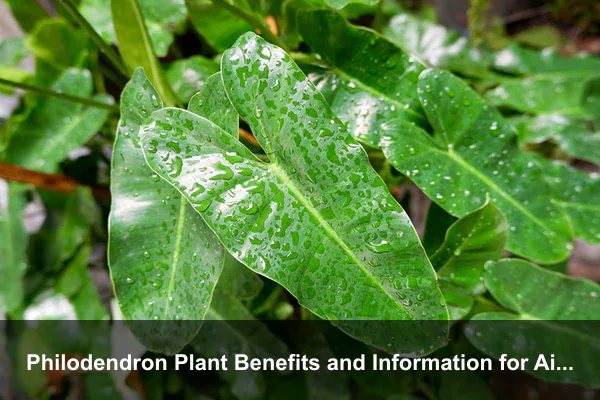
Philodendrons are among the most useful indoor foliage plants for people who want a greener home without turning plant care into a complicated daily job. Their broad leaves, flexible growth habits, and wide range of compact, trailing, and climbing forms make them practical for apartments, offices, shaded rooms, and warm indoor corners. When people search for Philodendron plant benefits and information, they often want more than a basic watering schedule. They want to know what the plant actually adds to daily living, how to keep it healthy, and how to avoid common indoor problems such as soggy soil, dusty foliage, stagnant air, and unsafe placement around children or pets.
This guide takes a distinct angle: philodendrons as plants for airflow-smart, mold-aware indoor care. That does not mean a philodendron removes mold from a room or replaces cleaning, ventilation, or humidity control. Instead, it means this plant can fit beautifully into homes where people want greenery but also want to manage moisture, airflow, cleanliness, and long-term plant health responsibly. In the context of Manfaat Tanaman, or plant benefits, philodendrons are best appreciated as living design elements that support calmer spaces, better plant-care habits, and a closer connection with indoor nature.
Why Philodendrons Fit Airflow-Smart Indoor Homes
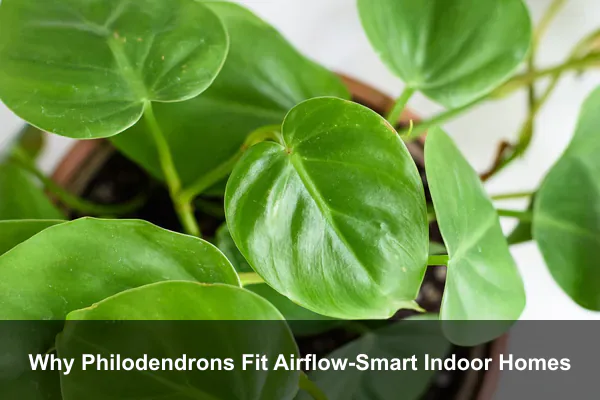
Philodendrons are tropical aroids, meaning many species naturally grow in warm, humid environments, often climbing trees or spreading across forest floors. Indoors, this background helps explain why they usually prefer bright indirect light, breathable soil, steady warmth, and moderate moisture. The same background also explains why airflow matters. A philodendron kept in a dark, damp, still corner may survive for a while, but it is more likely to develop yellowing leaves, slow growth, fungus gnats, or root problems.
An airflow-smart home does not need strong wind or constant fan exposure. It simply avoids trapping moisture around leaves, soil, and decorative containers. Philodendrons are useful in this kind of setting because their leaves respond visibly to care conditions. When growth is upright, leaves are clean, and soil dries at a reasonable pace, the plant often looks polished and fresh. When the room is too dim, the mix stays wet too long, or air is stagnant, the plant gives warning signs before decline becomes severe.
Realistic Indoor Benefits
The benefits of philodendron plants are strongest when described honestly. They are not miracle air purifiers, medical treatments, or substitutes for ventilation. Their value is more practical and lifestyle-based. A healthy philodendron can soften hard interiors, add natural color, create a sense of calm, and make indoor routines more mindful. It can also encourage better habits, such as checking soil moisture, wiping dust, rotating plants, and noticing changes in light throughout the year.
- Visual comfort: Large green leaves break up hard furniture lines and make rooms feel less sterile.
- Flexible styling: Trailing types work on shelves, while climbing forms suit moss poles, trellises, or narrow corners.
- Low-flower, low-mess appeal: Most indoor philodendrons are grown for foliage, not petals, so they suit people who prefer greenery without frequent flower cleanup.
- Habit-building value: Their care needs are simple enough for beginners but responsive enough to teach observation.
- Space efficiency: Vining and climbing forms can use vertical space rather than crowding tables and floors.
Why Air Movement Matters
Air movement helps moisture evaporate from the soil surface and leaf surfaces at a healthy pace. This is especially important in bathrooms, laundry areas, rainy climates, and rooms with limited window opening. Philodendrons enjoy humidity, but they do not benefit from stale dampness. A light current from normal household movement, an open door, a nearby window, or a gentle fan can reduce the risk of fungal spots and musty potting mix.
The goal is balance. Direct blasts from air conditioning can dry leaf edges, while sealed damp rooms can keep soil wet too long. A good location has indirect light, comfortable human room temperature, and enough air exchange that the soil is not permanently wet.
Key Philodendron Information Before You Buy
Philodendron is a large genus with many shapes, sizes, and growth styles. Some plants sold as philodendrons are compact self-heading types, while others are vining plants that trail or climb. Understanding the growth habit before buying prevents many care frustrations. A plant that wants to climb may become messy on a small desk if it has no support, while a compact variety may be better for a side table or plant stand.
Common Growth Types
Most home growers can think of philodendrons in three practical groups. This is not a strict botanical classification, but it is helpful for indoor planning.
- Trailing philodendrons: These produce long stems and look good from shelves, hanging planters, or wall-mounted pots.
- Climbing philodendrons: These grow larger leaves when given a moss pole, plank, or trellis to attach to.
- Self-heading philodendrons: These grow more upright and bushy, often making a strong floor or tabletop statement.
If your main goal is a neat, airflow-conscious indoor setup, choose a plant whose mature size matches your space. Overcrowded foliage traps moisture and makes cleaning harder. A plant with room around it is easier to inspect, prune, and keep healthy.
Light Requirements in Practical Terms
Philodendrons usually prefer bright indirect light. This means a room that is bright enough for reading during the day but does not expose leaves to harsh midday sun through glass. East-facing windows often work well. South or west windows may need a sheer curtain or distance from the glass. North-facing rooms can work for tolerant green varieties, but growth may be slower.
Light affects watering. A philodendron in brighter indirect light uses water faster than one in a dim corner. Many overwatering problems are actually low-light problems. The pot stays wet because the plant is not growing actively enough to use the moisture.
Philodendron Benefits for Cleaner-Looking, Healthier Indoor Spaces
A philodendron can make a room feel cleaner and more composed when it is maintained well. The key phrase is cleaner-looking, not magically clean. Broad leaves collect dust, and dust can reduce the plant’s ability to photosynthesize. Regular leaf wiping keeps the plant attractive and helps you notice pests or damage early.
Natural Texture Without Heavy Decoration
Philodendrons bring shape and texture into a room without needing strong fragrance, bright flowers, or seasonal displays. This makes them useful for workspaces, bedrooms, shared living areas, and rental homes where subtle design matters. Glossy heart-shaped leaves can make shelves feel softer, while larger split or lobed leaves can act like living sculpture.
Because many philodendrons are green rather than highly floral, they pair well with wood, metal, stone, neutral walls, and colorful textiles. They do not demand a single interior style. This flexibility is one reason they remain popular among beginners and experienced indoor gardeners alike.
Mindful Maintenance Benefits
Plant care can become a calming routine when it is simple and repeatable. Philodendrons support that routine because they do not usually need daily attention. A weekly check is often enough: feel the soil, look at the newest leaf, turn the pot, and remove dust. This rhythm creates a small pause in the week and encourages closer observation of your indoor environment.
- Check whether the top layer of soil is dry before watering.
- Look for new leaves as a sign of adequate light and root health.
- Wipe leaves with a soft damp cloth when dust is visible.
- Rotate the pot so growth does not lean strongly in one direction.
- Trim yellow or damaged leaves with clean scissors.
These simple actions are part of the real benefit of growing philodendron plants. The plant becomes a practical reminder to slow down, observe, and adjust conditions before small problems become expensive replacements.
Build a Mold-Aware Philodendron Care Routine
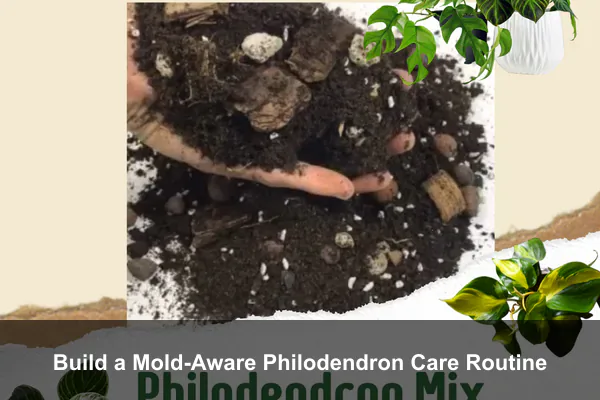
Mold-aware care is not about fearing every bit of organic matter in a pot. Potting mix contains bark, composted material, and beneficial microbes. A small amount of harmless surface growth may appear when soil stays moist, especially in humid rooms. The concern is when the pot smells sour, the soil remains wet for many days, leaves yellow quickly, or fungus gnats appear. These are signs that the growing environment needs adjustment.
Use a Breathable Potting Mix
Philodendrons usually perform best in a chunky, well-draining mix. A dense, muddy mix holds too much water around the roots. A better mix contains ingredients that create air pockets while still holding moderate moisture. Many growers use a blend of indoor potting soil, orchid bark, perlite, coco chips, or pumice. The exact recipe matters less than the result: water should pass through, and the mix should not collapse into a wet block.
A practical mix for many philodendrons is two parts quality indoor potting mix, one part orchid bark, and one part perlite or pumice. In very dry homes, you may use slightly more moisture-retentive material. In humid homes, use a chunkier mix and a pot with excellent drainage.
Choose Pots That Support Air and Drainage
A decorative pot without a drainage hole can look attractive, but it increases the risk of root rot if water collects at the bottom. The safest setup is a nursery pot with drainage placed inside a decorative cover pot. After watering, let the nursery pot drain fully before returning it to the cover pot. This method keeps styling flexible while protecting root health.
Terracotta can help mixes dry faster, which is useful in humid rooms. Plastic retains moisture longer, which can be helpful in dry climates or for people who forget to water. The best choice depends on your room conditions and habits.
Water by Soil Feel, Not Calendar Alone
A fixed weekly watering schedule may work for some homes, but it can fail when seasons change. Philodendrons often need less water during cooler, darker months and more during warm active growth. Instead of watering automatically, test the top few centimeters of soil. If it still feels moist, wait. If it feels dry and the pot is lighter, water thoroughly until excess drains out.
Avoid giving tiny sips every few days. Shallow watering can keep the top layer damp while lower roots remain unevenly hydrated. Thorough watering followed by a drying period is usually healthier.
Placement Tips for Different Rooms
Philodendron placement should consider light, airflow, safety, and how people move through the room. A beautiful plant becomes a nuisance if vines catch on furniture, leaves block pathways, or pots are placed where pets can chew them. Smart placement protects the plant and the household.
Living Rooms
Living rooms often offer the best balance of light and space. A trailing philodendron can soften bookshelves, while a climbing type can grow upward beside a window. Keep the plant away from heating vents and cold drafts. If the room has many plants grouped together, leave space between them so air can move around the leaves.
Bedrooms
Philodendrons can work in bedrooms if the room has enough natural light. Their quiet foliage suits restful spaces, but safety matters. Keep them away from pets and small children because philodendrons contain calcium oxalate crystals that can irritate the mouth and digestive tract if chewed. They are decorative plants, not edible plants.
Bathrooms and Laundry Areas
Bathrooms may seem ideal because philodendrons like humidity, but light and airflow are crucial. A bathroom with a bright window and good ventilation can be suitable. A dark bathroom with constant dampness is not. In laundry areas, avoid placing the plant where detergent splashes, hot appliance air, or lint buildup can affect leaves.
Home Offices
A compact philodendron can bring visual relief to a work area without needing much desk space. Choose a stable pot and keep vines managed so they do not interfere with cables, keyboards, or lamps. A plant stand near the desk is often better than placing a pot directly beside electronics.
Philodendron Safety and Responsible Use
Any complete article on Philodendron plant benefits and information should include safety. Philodendrons are common houseplants, but they are not safe to eat. Their sap and tissues can irritate skin or mouths in sensitive people and animals. This does not mean you cannot grow them at home. It means they should be placed thoughtfully and handled with basic care.
Pet and Child Awareness
If you live with curious pets or young children, place philodendrons high enough or behind barriers so leaves cannot be chewed. Hanging planters, tall shelves, plant cabinets, and rooms with limited pet access can help. After pruning, dispose of cut leaves and stems promptly.
If a pet or child chews a philodendron and shows signs such as drooling, swelling, vomiting, or distress, contact a veterinarian, pediatrician, or poison control service. Do not rely on home remedies for plant ingestion concerns.
Skin Contact and Pruning
Most people handle philodendrons without major issues, but wearing gloves during pruning or repotting is sensible. Wash hands after handling sap, roots, or old potting mix. Clean scissors before and after cutting to reduce the spread of disease between plants.
Common Problems and Practical Fixes
Philodendrons are forgiving, but they still have limits. Most problems connect to light, water, soil, airflow, or pests. The useful habit is to diagnose conditions rather than reacting with more water or fertilizer immediately.
Yellow Leaves
One yellow lower leaf can be normal aging. Several yellow leaves at once often suggest overwatering, poor drainage, cold stress, or low light. Check whether the pot has drainage and whether the soil smells sour. If the mix stays wet too long, improve light, increase airflow, or repot into a chunkier mix.
Brown Tips or Edges
Brown tips may come from inconsistent watering, dry air, fertilizer buildup, or direct sun. Trim damaged edges if needed, but focus on correcting the cause. Flush the pot occasionally with clean water if fertilizer salts may have accumulated, and avoid placing leaves against hot glass or vents.
Leggy Growth
Long spaces between leaves usually mean the plant wants more light. Move it closer to a bright window or add a suitable grow light. Pruning can encourage fuller growth, but pruning alone will not fix a dim location.
Fungus Gnats
Fungus gnats often appear when potting mix stays too wet. Let the top layer dry more between waterings, remove decaying leaves from the soil surface, and consider using sticky traps to monitor adults. A chunkier mix and better airflow can reduce recurrence.
Pests on Leaves
Inspect leaf undersides and stem joints for mealybugs, scale, spider mites, or thrips. Early detection is easier on clean leaves. Isolate affected plants, rinse foliage, and treat with an appropriate houseplant-safe method according to product directions.
How to Support Healthy Growth Without Overdoing Care
Many philodendron problems come from too much attention: too much water, too much fertilizer, too much repotting, or too much direct sun. A healthy routine is steady, not intense. The plant needs the right conditions more than constant intervention.
Fertilizing
During active growth, a balanced liquid houseplant fertilizer at a diluted strength can support new leaves. Fertilize less during cooler or darker months when growth slows. Overfertilizing can burn roots and create brown leaf edges, so gentle feeding is safer than aggressive feeding.
Pruning and Training
Pruning keeps trailing philodendrons tidy and encourages branching. For climbing types, attach stems gently to a moss pole or support as they grow. Do not tie stems tightly, because they thicken over time. Removing damaged leaves also improves airflow and makes the plant look cleaner.
Repotting
Repot when roots circle tightly, water runs through too quickly, or growth stalls despite good light and care. Choose a pot only slightly larger than the current one. A pot that is too large holds extra wet soil around a modest root system, increasing the risk of rot.
Choosing the Right Philodendron for Your Home
The best philodendron is not always the rarest or largest one. It is the one that fits your light, space, budget, and care style. For beginners, green-leaf types are often more forgiving than highly variegated plants. Variegated philodendrons can be beautiful, but they may need brighter light and more careful monitoring because pale leaf areas contain less chlorophyll.
Before buying, examine the plant closely. Look for firm stems, healthy new growth, clean leaf undersides, and soil that is not sour-smelling or waterlogged. Avoid plants with many mushy stems, heavy pest signs, or leaves that are collapsing from the base. A small healthy plant is usually a better value than a large stressed plant.
Questions to Ask Before Bringing One Home
- Does my room have bright indirect light for several hours a day?
- Can I place the plant away from pets and small children?
- Do I want a trailing, climbing, or upright plant?
- Is the pot easy to drain after watering?
- Will the mature size still fit the room in one or two years?
These questions prevent impulse purchases and support responsible plant ownership. They also help you enjoy the real benefits of philodendrons without creating avoidable maintenance problems.
Conclusion: A Practical Green Plant With Real Everyday Value
Philodendrons deserve their popularity because they combine beauty, flexibility, and manageable care. Their benefits are not exaggerated promises, but practical contributions: softer interiors, calmer routines, vertical greenery, and a living reminder to observe light, moisture, and airflow in the home. When grown with breathable soil, sensible watering, clean leaves, and safe placement, a philodendron can remain attractive for years.
The most useful way to understand Philodendron plant benefits and information is to see the plant as part of a complete indoor system. Light, air movement, potting mix, watering habits, and household safety all work together. Choose the right type, give it room to breathe, and care for it consistently. In return, this classic foliage plant can bring lasting green value to everyday indoor living.
