

Roses are more than classic romantic flowers. For gardeners, herbal enthusiasts, and anyone interested in useful ornamental plants, understanding Rose plant benefits and information helps turn a familiar bloom into a practical part of a healthier, more beautiful outdoor space. A rose plant can provide color, fragrance, edible petals, pollinator support, natural garden structure, and meaningful cultural symbolism when it is grown with the right care.
Unlike many foliage houseplants, roses are best understood as flowering shrubs with seasonal rhythm. They need sunlight, airflow, suitable soil, pruning, and regular observation. In return, they reward the gardener with repeat blooms, scented blossoms, hips, and a strong visual presence in beds, borders, containers, and cottage-style gardens. This guide focuses on a unique angle: the rose as a multifunctional flowering plant for sensory gardens, edible flower use, pollinator value, and safe home gardening.
What Is a Rose Plant?
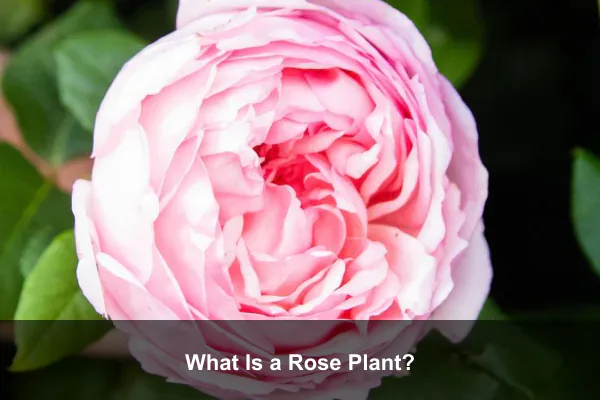
The rose plant belongs to the genus Rosa, a large group of flowering shrubs known for layered petals, thorny or prickly stems, compound leaves, and decorative hips that form after flowers are pollinated. Roses may be compact container plants, climbing roses trained over arches, shrub roses for borders, miniature roses, or old garden roses valued for fragrance and heritage character.
Most rose plants are deciduous in temperate climates, meaning they rest during colder months and return with new growth in spring. In warmer regions, they may grow and bloom for much of the year with short rest periods. Their flowers can be single, semi-double, or densely petaled, and colors range from white, cream, yellow, pink, coral, red, purple, and many blended shades.
Common Types of Roses
Choosing the right rose type matters because each group has different benefits, growth habits, and maintenance needs. Common rose types include:
- Hybrid tea roses: Popular for large, elegant blooms on long stems, often used as cut flowers.
- Floribunda roses: Known for clusters of flowers and reliable garden color.
- Shrub roses: Hardy, landscape-friendly roses that often require less formal care.
- Climbing roses: Long-caned roses that can be trained on trellises, fences, pergolas, or arches.
- Miniature roses: Compact roses suited to patio containers and small-space gardens.
- Old garden roses: Traditional varieties prized for fragrance, form, and historical charm.
Key Benefits of Rose Plants
The benefits of rose plants are not limited to decoration. Roses can support emotional well-being, garden biodiversity, culinary creativity, and natural outdoor design. Their value depends on how they are grown and used, but a well-placed rose plant can become one of the most useful flowering plants in a home garden.
1. Beautiful Ornamental Value
The most obvious benefit of roses is their beauty. Rose flowers add strong visual impact because they combine rich color, layered form, and seasonal abundance. A single rose shrub can become a focal point, while a group of roses can create a border, living screen, or formal garden pattern.
Roses also work well in different garden styles. Red and white roses suit classic landscapes, soft pink roses fit cottage gardens, yellow roses brighten family gardens, and climbing roses create vertical interest. For homeowners who want a flowering plant that feels timeless but still practical, roses remain one of the strongest choices.
2. Natural Fragrance for Sensory Gardens
Many rose varieties produce a noticeable fragrance. Some smell fruity, spicy, tea-like, musky, or honeyed. This makes roses excellent plants for sensory gardens, patios, pathways, and seating areas where people can experience plants through scent as well as sight.
Fragrant plants can make a garden feel more restful and memorable. A rose near a bench or entrance can create a gentle daily ritual: noticing the first flower, smelling the petals, or cutting a small bloom for a vase. For families, fragrance also helps children connect with plants in a direct and enjoyable way.
3. Supports Pollinators
Single and semi-double rose flowers can support bees and other beneficial insects because their pollen and flower centers are easier to access. While some very double roses are less useful to pollinators, many open-form roses contribute to garden biodiversity.
If pollinator support is a priority, choose roses with visible stamens, avoid unnecessary pesticide use, and plant roses near companion flowers such as lavender, salvia, calendula, cosmos, or marigold. This approach creates a healthier garden system rather than relying on roses as isolated decorative plants.
4. Edible Petals and Rose Hips
One of the most interesting rose plant benefits is culinary use. Rose petals from unsprayed, food-safe plants can be used in teas, syrups, desserts, salads, infused sugars, and fragrant waters. Rose hips, which form after flowers fade, are also valued in teas, jams, and traditional home preparations.
Only use petals or hips from roses that have not been treated with synthetic pesticides, fungicides, florist preservatives, or unknown sprays. Roses sold as cut flowers are usually not suitable for eating. For edible use, grow your own plants organically or buy from a trusted edible flower grower.
5. Meaning, Symbolism, and Emotional Value
Roses carry strong symbolism in many cultures. Red roses often represent love, white roses purity or remembrance, yellow roses friendship, and pink roses gratitude or gentleness. In the context of Manfaat Tanaman, this symbolic value matters because plants are not only useful physically; they also shape mood, memory, and the feeling of a place.
A rose planted for a wedding anniversary, a family memory, or a personal milestone can become a living marker in the garden. This emotional benefit is one reason roses remain meaningful across generations.
Rose Plant Uses Around the Home and Garden
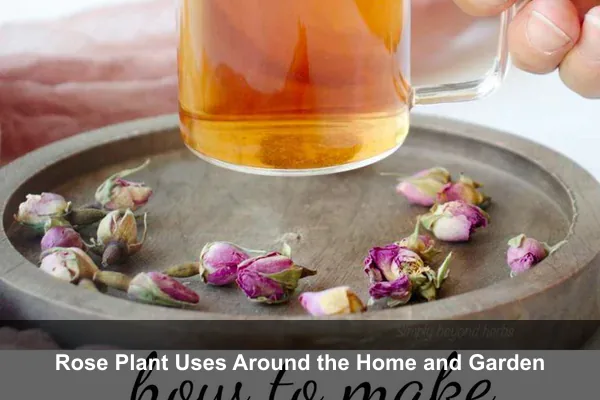
Roses can be used in several practical ways beyond simply admiring the flowers. With thoughtful placement and safe harvesting, they can become part of home routines, outdoor design, and natural crafts.
Cut Flowers for Indoor Display
Garden-grown roses make excellent cut flowers. To harvest them, cut early in the morning when temperatures are cooler, choose stems with buds just beginning to open, and place them in clean water immediately. Remove leaves below the waterline to reduce bacterial growth.
For longer vase life, use sharp clean pruners and recut stems at an angle before arranging. Homegrown roses may not always look as uniform as florist roses, but they often have better fragrance and a more natural character.
Rose Petals for Simple Home Uses
Fresh or dried rose petals can be used in gentle, non-medical home applications. They may be added to potpourri, bath blends, homemade sachets, craft projects, or decorative dried flower mixes. Food-safe petals can also be used in culinary recipes.
Practical rose petal ideas include:
- Drying petals for fragrant sachets in drawers or closets.
- Infusing food-safe petals into sugar for desserts and tea.
- Adding fresh petals to salads for color and aroma.
- Using petals in homemade decorations for special events.
- Blending dried petals with herbs such as mint or chamomile for aromatic tea mixes.
Garden Structure and Privacy
Shrub and climbing roses can shape outdoor spaces. A climbing rose on a trellis can soften a wall, frame a gate, or add privacy to a seating area. Shrub roses can define pathways, fill sunny borders, or create a layered flowering hedge.
Because roses often have prickly stems, they can also discourage foot traffic through certain areas. However, this same feature means they should be planted carefully away from narrow paths, children’s play areas, and tight entrances.
How to Grow a Healthy Rose Plant
Good rose care begins with the right growing conditions. Roses are not impossible to grow, but they do ask for consistency. The healthiest plants usually come from a balanced routine: enough sun, good soil, deep watering, pruning, and regular checks for pests or disease.
Light Requirements
Most roses need at least six hours of direct sunlight per day. Morning sun is especially helpful because it dries dew from leaves and reduces the risk of fungal problems. In very hot climates, roses may benefit from light afternoon shade, especially during peak heat.
If a rose receives too little light, it may grow weak stems, produce fewer flowers, and become more vulnerable to disease. Before planting, observe your garden for a full day and choose a bright, open location.
Soil and Potting Needs
Roses prefer fertile, well-draining soil with good organic matter. Soil that stays soggy can damage roots, while very poor sandy soil may dry out too quickly. Mixing compost into the planting area can improve texture, moisture balance, and nutrient availability.
For container roses, choose a pot with drainage holes and enough depth for root development. Miniature roses can grow in smaller containers, but shrub roses need larger pots. A quality potting mix with compost and good drainage is better than heavy garden soil in containers.
Watering Routine
Roses prefer deep watering rather than frequent shallow sprinkling. Water at the base of the plant so moisture reaches the root zone. Wetting the leaves repeatedly can increase fungal disease risk, especially in humid conditions.
A practical watering guide is:
- Check the top few centimeters of soil before watering.
- Water deeply when the soil begins to dry.
- Use mulch to help keep roots cool and reduce evaporation.
- Avoid leaving containers sitting in standing water.
- Adjust watering during heat, rain, and seasonal changes.
Feeding and Mulching
Roses are active flowering plants, so they benefit from steady nutrition during the growing season. Use compost, well-rotted organic matter, or a balanced rose fertilizer according to label directions. Avoid overfeeding with nitrogen because it can encourage leafy growth at the expense of flowers.
Mulch is also valuable. A layer of organic mulch helps conserve moisture, suppress weeds, and protect soil life. Keep mulch slightly away from the main stem to prevent moisture buildup against the crown of the plant.
Pruning, Deadheading, and Seasonal Care
Pruning is one of the most important parts of rose plant care. It improves shape, airflow, flowering, and plant health. The exact timing depends on climate and rose type, but many gardeners prune roses in late winter or early spring before vigorous new growth begins.
Why Pruning Matters
Pruning removes dead, damaged, weak, or crossing stems. It also opens the center of the plant so air can move through the branches. Better airflow helps reduce fungal issues and makes the plant easier to inspect.
Use clean, sharp pruners and make cuts just above outward-facing buds when shaping shrub roses. Remove any diseased material from the garden rather than composting it if disease is present.
Deadheading for More Flowers
Deadheading means removing spent blooms. Many repeat-blooming roses produce more flowers when old blooms are removed before hips form. This encourages the plant to direct energy toward new buds rather than seed production.
However, if you want rose hips for ornamental or culinary use, leave some faded flowers on the plant. This is especially useful in autumn, when rose hips can add color and provide interest after the main flowering season.
Seasonal Rose Care Checklist
- Spring: Prune, feed, refresh mulch, and watch for new growth.
- Summer: Water deeply, deadhead, inspect for pests, and cut flowers for display.
- Autumn: Reduce heavy feeding, allow some hips to form, and clean fallen leaves.
- Winter: Protect roots in cold climates and avoid unnecessary disturbance during dormancy.
Common Rose Problems and Natural Prevention
Roses can experience pests and diseases, especially when planted in crowded, damp, or low-light conditions. Prevention is often easier than treatment. Healthy soil, spacing, sunlight, and clean pruning habits can make a major difference.
Black Spot and Powdery Mildew
Black spot appears as dark spots on leaves, often followed by yellowing and leaf drop. Powdery mildew looks like a pale powder on leaves or buds. Both are more likely when airflow is poor or foliage stays damp.
To reduce these problems, water at soil level, prune for openness, remove infected leaves, and choose disease-resistant rose varieties when possible. In humid climates, resistant varieties are especially important for lower-maintenance gardening.
Aphids and Other Pests
Aphids often gather on tender new shoots and flower buds. A strong spray of water can dislodge small infestations, while beneficial insects such as lady beetles and hoverflies may help control them naturally. Avoid broad-spectrum insecticides because they can harm pollinators and beneficial insects.
Other possible rose pests include spider mites, thrips, scale insects, and caterpillars. Regular inspection helps catch problems early before they become severe.
Practical Prevention Tips
- Plant roses where they receive strong light and airflow.
- Do not crowd roses too closely against walls or other shrubs.
- Clean fallen diseased leaves from the ground.
- Use mulch, but keep it away from direct stem contact.
- Choose varieties known for disease resistance in your climate.
- Inspect buds, stems, and leaf undersides weekly during active growth.
Rose Plant Safety: Pets, Thorns, and Edible Use
Roses are generally considered safer than many ornamental plants, but safe use still matters. The main physical concern is the prickly stem, which can scratch skin, catch clothing, or injure pets and children if planted in the wrong place.
Thorn and Placement Safety
Plant roses where their stems will not block walkways or brushing areas. Wear gloves when pruning or harvesting. For family gardens, choose placement carefully so children can enjoy the flowers without being forced to pass through thorny growth.
Are Roses Edible?
Rose petals and hips can be edible when harvested from safe, unsprayed plants. The white base of some petals can taste bitter, so many people remove it before using petals in food. Rose hips should be cleaned properly, and the irritating inner hairs should be removed in recipes that require processing.
Never eat petals from florist bouquets, roadside plants, public landscaping, or unknown sources. These may contain residues that are not intended for food use.
Pet Considerations
Rose petals are not usually the main concern for pets, but thorns can injure paws, noses, or mouths. If pets roam the garden, avoid planting thorny roses beside narrow runs or favorite resting spots. Also avoid using chemical treatments in areas where pets dig or chew plants.
Best Rose Varieties for Beginners
Beginner gardeners should look for roses described as disease-resistant, repeat-blooming, and suitable for local climate conditions. The easiest rose is not always the most dramatic florist-style bloom. Often, landscape roses and shrub roses are more forgiving than high-maintenance exhibition types.
Good Traits to Look For
- Strong disease resistance.
- Repeat flowering through the season.
- Compact size for easy pruning.
- Good heat or cold tolerance for your region.
- Open flower form if pollinators are a priority.
- Noticeable fragrance if sensory value matters.
Container Roses for Small Spaces
For balconies, patios, and small gardens, miniature roses or compact patio roses are useful options. They still need sunlight and regular watering, but they allow people with limited ground space to enjoy rose flowers.
Container roses dry out faster than roses planted in the ground. Use a large enough pot, keep drainage clear, and monitor soil moisture during hot weather. Rotate the pot occasionally if sunlight reaches only one side.
How Rose Plants Fit Into a Useful Garden Design
A rose plant becomes more valuable when it is integrated into a thoughtful garden design. Instead of planting a rose randomly, think about what role it should play: fragrance near a window, color at an entrance, pollinator support in a mixed border, or edible petals in a kitchen garden.
Companion Planting Ideas
Companion plants can make rose beds more attractive and resilient. Low herbs and flowering perennials help cover bare soil, attract beneficial insects, and extend seasonal interest. Good companions may include lavender, catmint, salvia, thyme, calendula, alliums, and geraniums.
Choose companions that enjoy similar sunlight and drainage. Avoid aggressive plants that compete heavily with rose roots or trap too much moisture around the stems.
Design Tips for Better Results
- Place fragrant roses near seating areas, windows, or garden paths.
- Use climbing roses to frame gates, arches, or pergolas.
- Plant shrub roses in groups for stronger visual impact.
- Mix roses with pollinator-friendly flowers for a healthier ecosystem.
- Keep enough space around each rose for pruning and airflow.
Conclusion
Rose plants offer a rare combination of beauty, fragrance, symbolism, edible potential, and garden usefulness. When people search for Rose plant benefits and information, they are often looking for more than a pretty flower. They want to know whether roses are worth growing, how they can be used, and what care they need to thrive.
The answer is clear: roses can be deeply rewarding when matched with the right site and routine. Give them sunlight, well-drained soil, deep watering, careful pruning, and safe pest practices. Choose varieties that fit your space and purpose, whether that means fragrant flowers near a patio, pollinator-friendly blooms in a border, or unsprayed petals for home use. With thoughtful care, the rose becomes not just an ornamental plant, but a meaningful and practical part of the garden.
