
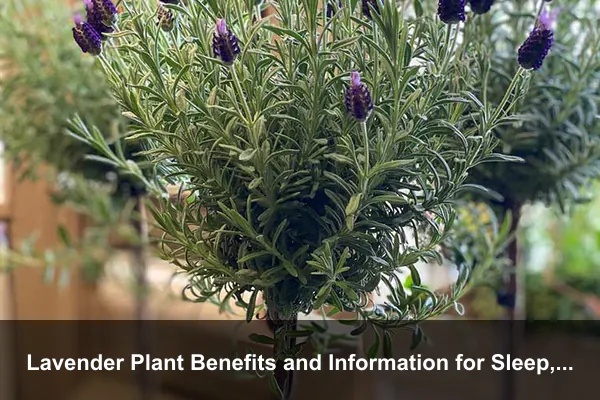
Lavender plant benefits and information often begin with fragrance, but this small Mediterranean herb offers more than a pleasant scent. Lavender can shape the mood of a room, support calmer home routines, add useful flowers to a balcony or garden, and provide a low-water ornamental plant when grown in the right conditions.
This guide takes a practical home-wellness angle. Instead of focusing only on drying flowers or general garden use, it explains how lavender works as a living aromatic plant, where it fits in daily routines, what kind to choose, and how to enjoy its benefits responsibly without treating it as a cure-all.
What Makes Lavender Valuable at Home
Lavender belongs to the genus Lavandula, with English lavender, Lavandula angustifolia, among the most popular varieties for home gardens and containers. It is known for narrow gray-green leaves, upright flower spikes, and a clean herbal-floral aroma that becomes stronger when the leaves or blossoms are gently touched.
Aromatic leaves and flowers
The most recognizable lavender benefit is its natural aroma. The plant contains fragrant compounds such as linalool and linalyl acetate, which are commonly associated with lavender essential oil. In the home, this scent can make small routines feel more intentional: opening a window near a lavender pot, brushing past a plant on a patio, or placing a few fresh stems near a reading area.
Compact beauty with practical value
Lavender is also useful because it is both decorative and functional. Its muted foliage works well with modern, cottage, Mediterranean, and minimalist garden styles. The flowers bring color without feeling visually heavy, while the plant’s tidy shape makes it suitable for borders, containers, sunny balconies, herb beds, and small-space gardens.
Lavender Plant Benefits for Calm Daily Routines
Lavender should not be presented as a medical treatment, but it can be part of a calm, sensory routine. Its benefit is strongest when paired with habits that already support relaxation, such as dim lighting, reduced screen time, gentle stretching, or a consistent bedtime rhythm.
Sleep-friendly atmosphere
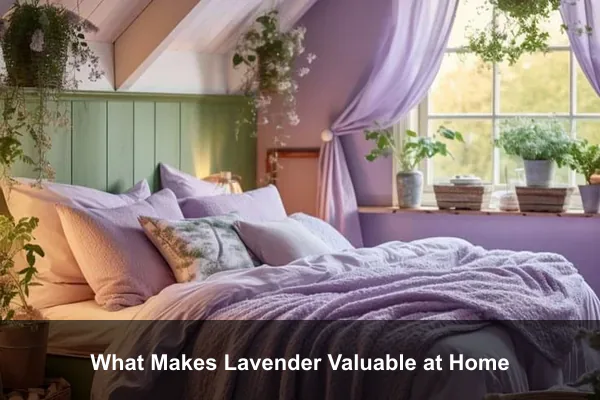
A lavender plant near a sunny bedroom window or on an outdoor sill can create a subtle scent cue for evening wind-down rituals. Fresh lavender is usually gentler than concentrated essential oil, making it a good choice for people who prefer natural fragrance in the room rather than synthetic sprays.
Focused work and quiet corners
Lavender can also help define a calm zone in the home. A small container near a desk, balcony chair, or tea corner adds texture and scent without demanding constant attention. For many people, the value is psychological as much as botanical: the plant reminds them to pause, breathe, and step away from rushed routines.
- For bedrooms: keep the scent light and avoid overpowering enclosed spaces.
- For desks: choose a compact variety and place it where it receives enough sun.
- For balconies: use lavender as a fragrant edge plant beside seating.
- For entryways: plant it in sunny pots where visitors brush past the leaves.
How to Grow Lavender for Stronger Fragrance
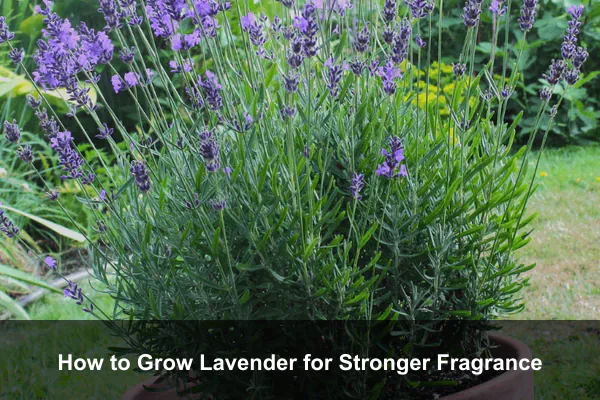
Lavender fragrance depends heavily on growing conditions. A weak, leggy plant in shade will not deliver the same scent or flower quality as a compact plant in bright light and fast-draining soil. The RHS lavender growing guide notes that lavender thrives in full sun and free-draining soil, which matches its Mediterranean character.
Give it full sun
For the best flowers and aroma, lavender needs strong light. Outdoors, aim for a location with at least six hours of direct sun. Indoors, lavender is harder to maintain long term unless the window is very bright. If your home has limited sunlight, grow lavender outdoors in a pot and bring cut stems inside briefly for fragrance.
Use lean, fast-draining soil
Lavender dislikes wet roots. Heavy clay, soggy compost, and overwatered decorative pots can lead to root problems. A gritty mix, terracotta container, and drainage hole are more useful than rich fertilizer. In humid or rainy regions, raised beds and containers often perform better than low garden spots.
Water with restraint
Young lavender needs regular watering while it establishes, but mature plants prefer the soil to dry between waterings. A simple rule is to check the top few centimeters of soil first. If it still feels damp, wait. Overwatering is one of the fastest ways to lose lavender, especially in pots.
- Choose the sunniest practical location.
- Use a pot with drainage holes, preferably terracotta.
- Mix compost with coarse grit or perlite for airflow.
- Water deeply but less often once the plant is settled.
- Trim lightly after flowering to keep the plant compact.
Practical Ways to Use Lavender Without Overdoing It
Lavender is best used with moderation. A little fragrance can feel elegant and calming, while too much can become sharp, especially in small rooms. The goal is to create a light scent layer, not a perfume cloud.
Fresh stems for everyday scent
Fresh lavender stems can be placed in a small vase near a bedside table, bathroom shelf, or linen area. Keep the arrangement modest and replace it when the scent fades or the stems dry out. This is one of the easiest ways to enjoy lavender plant benefits without making oils, sprays, or complicated herbal products.
Lavender in cleaning and linen routines
Some people like adding lavender sachets to closets or drawers. If you do this, keep the plant material dry and avoid direct contact with delicate fabrics that may stain. Lavender can also be paired with unscented cleaning routines, but avoid applying concentrated oil directly to surfaces without testing.
Food and drink caution
Culinary lavender exists, but not every lavender plant is grown for eating. If you plan to use flowers in tea, desserts, or seasoning, choose food-grade lavender from a trustworthy source and use very small amounts. Lavender essential oil should not be swallowed unless directed by a qualified health professional using a properly formulated product.
Choosing the Right Lavender for Your Space
Different lavender types suit different homes and climates. English lavender is often the best choice for fragrance, compact growth, and cooler outdoor gardens. Lavandin, a hybrid group, is larger and very aromatic, making it suitable for hedges and spacious borders. Spanish or French lavender types have distinctive tufted flower heads and ornamental value, but they may be less cold-hardy.
For containers
Choose compact cultivars and avoid oversized pots filled with moisture-retentive soil. A container that is too large can stay wet for too long. Place the pot where airflow is good, because stagnant humidity can weaken lavender.
For small gardens
Lavender works well as a low border along paths, steps, and seating areas. This placement lets you enjoy the scent naturally as you move through the space. Keep enough room around each plant so it does not become crowded by thirsty, shade-casting neighbors.
Safety and Realistic Expectations
Lavender has a long history in home fragrance and herbal traditions, but it should be used thoughtfully. The NCCIH lavender safety overview notes that evidence for some health uses is limited and that safety during pregnancy or breastfeeding is not well established. This matters because natural does not always mean suitable for every person.
Use extra care around babies, young children, pets, pregnant or breastfeeding people, and anyone with allergies, asthma, sensitive skin, or ongoing medical treatment. Essential oils are concentrated products and should be diluted properly for skin use, kept away from eyes, and stored out of reach. If lavender causes headache, irritation, nausea, or breathing discomfort, stop using it and improve ventilation.
Conclusion
Lavender plant benefits and information are most useful when they connect beauty with realistic everyday use. Lavender can bring fragrance, structure, and a calmer feeling to sunny rooms, balconies, patios, and gardens. It is not a replacement for medical care, but it can support relaxing routines when used gently and responsibly.
For the best results, treat lavender as a sun-loving aromatic herb rather than a typical moisture-loving houseplant. Give it bright light, sharp drainage, modest watering, and enough airflow. In return, it offers a refined scent, graceful flowers, and a simple way to make daily spaces feel more grounded and intentional.
