
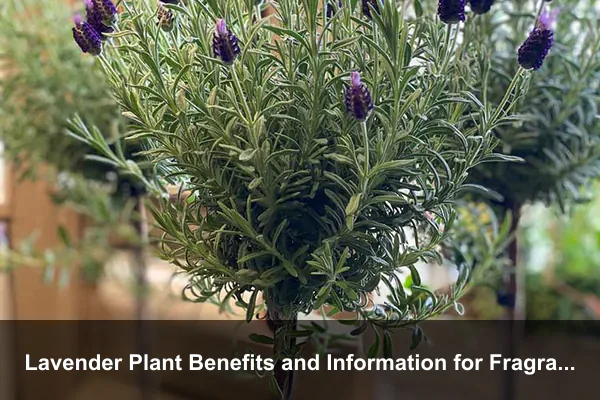
Lavender plant benefits and information often focus on calming scent, dried flowers, or herbal uses, but one of the most practical ways to enjoy this plant is outdoors, where people actually pass by it every day. A healthy lavender plant can turn a sunny path, patio edge, balcony corner, or garden entrance into a fragrant, organized, pollinator-friendly space without demanding heavy maintenance.
This guide takes a distinct angle: lavender as a functional living edge for outdoor living areas. Instead of treating it only as a wellness herb, we will look at how lavender works as a pathway plant, how its growth habit supports neat garden design, what conditions keep it healthy, and how to use its scent and flowers safely around people, pets, and everyday home routines.
What Makes Lavender Useful Around Walkways and Patios
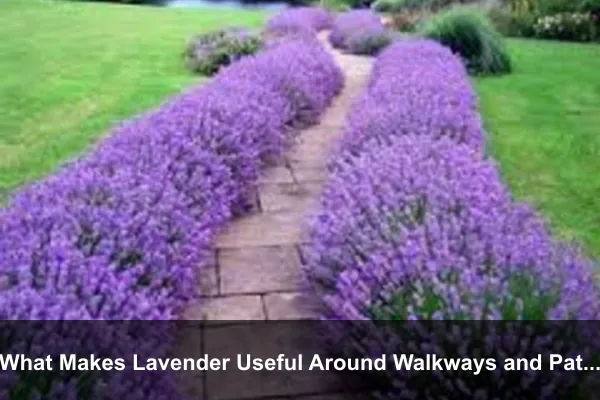
Lavender belongs to the Lavandula genus, a group of aromatic, woody herbs originally associated with sunny Mediterranean landscapes. Its narrow leaves, upright flower stems, and naturally compact shape make it especially useful where a plant needs to look tidy while still offering fragrance, color, and ecological value.
Botanical Profile in Plain English
Lavender is not a soft annual herb like basil or cilantro. It is a semi-woody perennial or subshrub, depending on climate and variety. That means the lower stems gradually become firm while the upper growth stays leafy and aromatic. This structure is useful near paths because the plant can hold a defined shape when pruned correctly.
The scent comes from aromatic oils stored in tiny glands on the leaves and flowers. When you brush lightly against the plant, warm sunshine and gentle movement can release a clean herbal fragrance. This is why lavender performs so well near steps, gates, seating edges, and walkway borders, where its benefits are noticed through ordinary movement rather than special effort.
Why Placement Changes the Benefits
A lavender plant in a forgotten back corner may still bloom, but its daily value is limited. A lavender plant beside a walkway becomes part of a routine. You notice the silvery foliage when entering the garden, the flower spikes during warm months, and the scent when watering, pruning, or passing by. Good placement turns lavender from a decorative plant into a practical outdoor experience.
Key Lavender Plant Benefits for Outdoor Living Spaces
Lavender offers several benefits, but they are strongest when matched with the right use. Around patios and pathways, its value comes from a combination of form, fragrance, flowers, and resilience.
- Natural fragrance: Lavender adds a pleasant herbal scent without sprays, candles, or artificial fresheners.
- Visual order: The upright stems and gray-green foliage create a clear edge along paving, gravel, or garden beds.
- Pollinator support: Bees and other beneficial insects often visit lavender flowers, especially in sunny weather.
- Low-litter structure: Compared with many flowering shrubs, lavender is relatively neat when maintained well.
- Useful cut stems: Small harvests can be dried for simple home uses, as long as plants are grown without unsafe chemicals.
- Heat-tolerant character: Established lavender can handle bright, warm areas better than many moisture-loving ornamentals.
Aroma Without Overcrowding the Space
Lavender is useful because its scent is present but not usually heavy in open air. It works best where air can move through the stems. A narrow, damp, enclosed corner may trap humidity and reduce plant health, while an open patio edge allows both scent and airflow to do their job.
A Living Boundary
In garden design, boundaries matter. Lavender can mark the change between a walking surface and a planting bed, between a seating zone and a herb garden, or between a driveway edge and a front entry. This kind of living boundary feels softer than hard edging but still gives the eye a clear line to follow.
Choosing Lavender Types for Edges, Pots, and Pathways
The best lavender for a pathway is not always the largest or most fragrant one. Size, climate, and growth habit matter. A plant that sprawls into a walkway will create more work, while a compact type can stay attractive for years with seasonal pruning.
English Lavender
English lavender, commonly associated with Lavandula angustifolia, is often chosen for compact gardens, edible flower use, and classic fragrance. It can be a good option for pathway edging where the climate is not extremely humid and the soil drains well. Many cultivars stay moderate in size, which helps keep walkways open.
Lavandin
Lavandin, often listed as Lavandula x intermedia, is a hybrid group known for vigorous growth and strong fragrance. It can be excellent behind a path edge or along wider borders, but some varieties become too large for very narrow spaces. Use lavandin where you have room for mature width.
Spanish and French Lavender
Spanish and French lavender types are often grown for ornamental flower heads and warm-climate performance. They can be striking in patio containers or sunny decorative beds. In colder regions, they may need protection or seasonal replacement, depending on local conditions.
Designing a Lavender Pathway That Works in Real Life
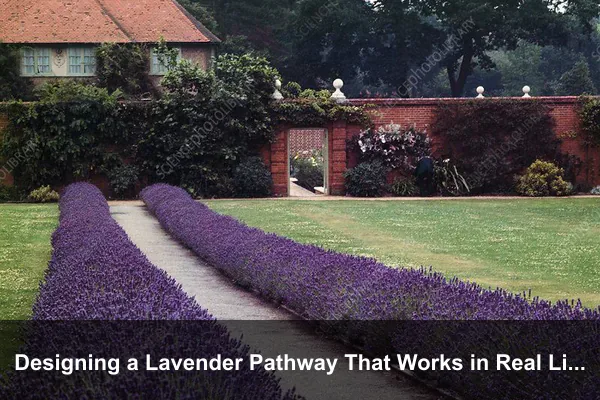
A lavender pathway should be attractive, but it also needs to function. People must be able to walk comfortably, garden tools should pass without breaking stems, and pollinators should have room to visit flowers without surprising guests at the edge of a chair.
Give the Plant Its Mature Space
One common mistake is planting lavender too close to paving. A small nursery plant can look harmless, but mature lavender may widen significantly. Check the expected mature size of the variety and leave enough room between the plant center and the walkway edge. For compact types, this may be about 12 to 18 inches. Larger types may need 24 inches or more.
Use Repetition for a Calm Look
Lavender looks strongest when repeated. A single plant can be charming, but three, five, or seven plants spaced consistently along a path create rhythm. Repetition helps the garden look intentional even when the rest of the planting is informal.
Keep Bees in Mind Near Seating
Lavender can attract bees when in bloom. This is usually a benefit for the garden, but placement matters around dining spaces or narrow seating areas. Instead of planting lavender directly under chairs, place it along the outer edge of the patio or beside the approach path. This lets pollinators use the flowers while people enjoy the scent from a comfortable distance.
Planting Conditions That Protect Lavender From Common Failure
Many lavender problems begin below the surface. The plant may look drought-tough, but it is not tolerant of constantly wet roots. Good planting conditions are the difference between a short-lived lavender display and a long-lasting garden feature.
Sunlight Requirements
Lavender needs full sun for strong growth, good fragrance, and reliable flowering. Aim for at least six hours of direct sun daily. In very hot climates, light afternoon shade may help reduce stress, but deep shade usually leads to weak stems, fewer flowers, and poor scent.
Soil and Drainage
Fast drainage is essential. Lavender prefers soil that does not stay soggy after rain or watering. Heavy clay can be improved with raised beds, mounded planting, or mineral materials that help water move away from the crown. Avoid burying the base of the plant too deeply, because a damp crown can invite rot.
Watering New and Established Plants
New lavender plants need regular watering while roots establish. After that, watering should become less frequent. Established lavender generally prefers deep, occasional watering rather than constant light watering. If the soil is still damp below the surface, wait before watering again.
Containers Along Patios
Lavender can grow well in containers if the pot has drainage holes, a gritty potting mix, and enough sun. Terra-cotta pots are useful because they breathe and dry faster than plastic. Container lavender dries out more quickly than in-ground lavender, so check moisture with your finger rather than following a rigid schedule.
Seasonal Care Calendar for Healthy Lavender
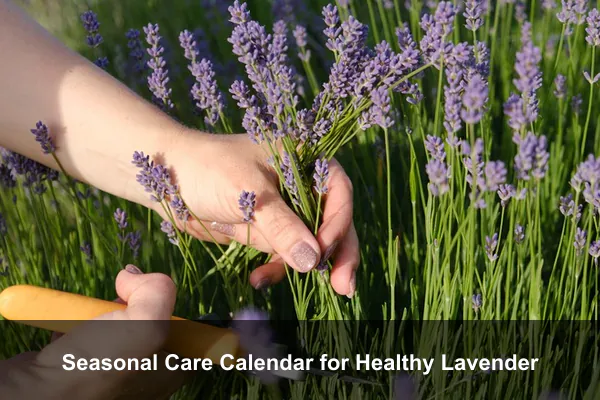
Lavender care is not complicated, but timing matters. A simple seasonal rhythm keeps plants compact, fragrant, and useful around paths where overgrowth quickly becomes noticeable.
Spring
In spring, inspect the plant for winter damage and new green growth. Lightly shape the plant once active growth is visible. Remove dead stems, but avoid cutting hard into old bare wood unless you can see healthy shoots. This is also a good time to refresh gravel mulch, check spacing, and replace plants that have become too woody or weak.
Summer
Summer is the main flowering season for many lavender types. Water only when needed, especially once plants are established. Cut flower stems when some buds have opened but before the entire spike is past its best. For pathway plants, trim stems that lean into walking space.
Fall
After flowering, light shaping can help keep the plant neat. Avoid severe late pruning in cold climates, because tender new growth may be damaged by winter weather. Remove fallen debris around the base so air can circulate.
Winter
In mild climates, lavender may remain evergreen or semi-evergreen. In colder regions, protect plants from wet winter soil more than from cold alone. Good drainage, open air, and avoiding heavy organic mulch against the crown are important winter strategies.
Safe Uses Around Homes, Pets, and People
Lavender is widely used, but safe use still matters. The plant, dried flowers, and essential oil are not the same thing. Essential oil is highly concentrated and should be handled more carefully than fresh or dried stems.
- Do not ingest lavender essential oil unless directed by a qualified professional.
- Use culinary lavender carefully and only from plants grown without unsafe pesticides or roadside contamination.
- Keep concentrated oils away from pets and children, especially cats, dogs, and small children who may be sensitive to strong aromatic products.
- Test for skin sensitivity before using lavender products on the body.
- Ask a healthcare professional if pregnant, nursing, taking medication, or managing a medical condition.
Pathway Safety
For walkways, safety is also physical. Do not allow woody stems to narrow a path, catch clothing, or block wheelchair access. Keep plants pruned back from steps and avoid placing lavender where wet paving becomes slippery from garden debris.
Harvesting Small Amounts Without Weakening the Plant
Lavender near a patio is easy to harvest because it is already within reach. The goal is to take useful stems while preserving the plant’s shape and energy. Small, regular harvests are usually better than stripping the plant heavily at one time.
How to Cut Stems Cleanly
Use clean, sharp pruners. Cut flower stems above leafy growth, leaving enough green material for the plant to recover. Do not cut into old bare wood just to get a longer stem. For drying, gather small bundles and hang them in a shaded, airy place until the stems feel dry.
Simple Low-Waste Uses
- Place dried stems in a small bowl near an entry table for natural fragrance.
- Add a few dried flowers to homemade sachets for drawers or storage boxes.
- Use trimmed stems as fragrant additions to garden craft projects.
- Save dried flower heads for non-food decorative use if you are unsure about pesticide history.
These uses keep lavender practical without exaggerating its benefits. It is a useful aromatic plant, not a replacement for medical care or proper home hygiene.
Troubleshooting Lavender Beside Paths
Because pathway lavender is highly visible, problems are easy to notice. Early correction often prevents plant loss.
Yellowing Leaves
Yellowing may point to overwatering, poor drainage, or overly rich soil. Check the soil before adding fertilizer. Lavender usually performs better in lean, well-drained conditions than in constantly moist, nutrient-heavy beds.
Floppy Growth
Floppy stems can result from too much shade, too much nitrogen, crowding, or lack of pruning. Move container plants into stronger sun, reduce feeding, and prune lightly after flowering to restore shape.
Woody Bare Center
Older lavender plants can become woody in the middle. Regular pruning helps slow this process, but very old plants may not rejuvenate well from hard cuts. If a pathway edge needs to stay tidy, replacing tired plants is sometimes more practical than forcing recovery.
Weak Fragrance
Weak scent may come from insufficient sun, humid weather, young plants, or variety choice. Fragrance is strongest when lavender grows in bright light with good airflow and is harvested at the right stage.
Best Companion Ideas for Lavender Edges
Companion planting around lavender should respect its preference for sun and drainage. Avoid pairing it closely with thirsty plants that need rich, wet soil. Instead, choose plants that enjoy similar conditions.
- Thyme: A low-growing herb that works well between stones and sunny edges.
- Rosemary: A structural companion for larger beds, especially in warm climates.
- Sage: Offers gray-green foliage that blends naturally with lavender.
- Ornamental grasses: Add movement and contrast without demanding wet soil.
- Gravel mulch: Not a plant, but an excellent design partner for drainage and Mediterranean style.
When combining plants, leave room for airflow. Dense planting may look full at first, but lavender dislikes being crowded at the base.
Conclusion
Lavender plant benefits and information become more useful when connected to real placement and daily living. Around sunny pathways, patio edges, and garden entrances, lavender offers fragrance, structure, pollinator value, and modest home uses in one compact plant. Its success depends less on complicated care and more on the right basics: full sun, fast drainage, sensible spacing, and seasonal pruning.
For gardeners who want a plant that feels beautiful and practical, lavender is a strong choice. Treat it as a Mediterranean herb with specific needs, not a moisture-loving bedding plant, and it can become one of the most rewarding features in an outdoor living space.
