
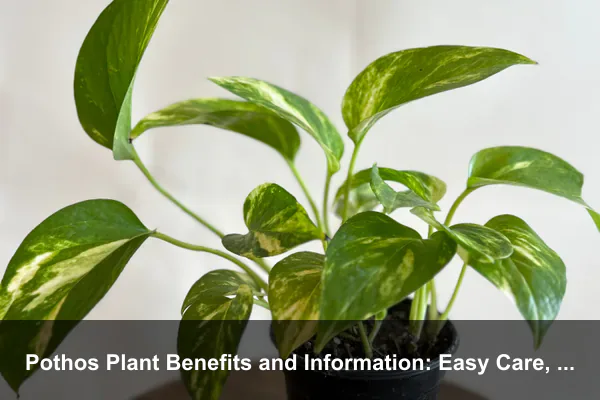
Pothos is one of the most forgiving houseplants you can bring into a home, office, apartment, dorm room, or small indoor garden. Known for its heart-shaped leaves, trailing vines, and ability to adapt to ordinary indoor conditions, this plant has become a favorite for beginners and experienced plant lovers alike. When people search for Pothos plant benefits and information, they are usually looking for more than a pretty green vine. They want to know why pothos is so popular, how to care for it, where to place it, whether it is safe around pets, and how to keep it looking full instead of thin and leggy.
The pothos plant, often called devil’s ivy, is valued because it combines beauty, resilience, and practical indoor use. It can soften shelves, brighten workspaces, climb moss poles, hang from baskets, or grow from simple cuttings in water. This guide focuses on a unique angle: using pothos as a flexible, low-maintenance indoor vine that supports home comfort, easy plant propagation, and natural decoration without demanding complicated care routines.
What Is a Pothos Plant?
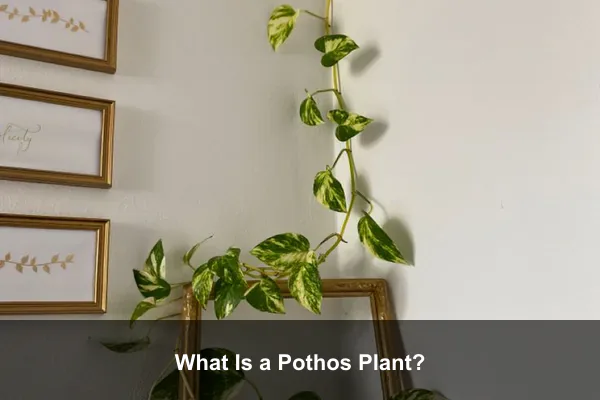
Pothos belongs to the genus Epipremnum, with Epipremnum aureum being the most common species grown indoors. It is a tropical evergreen vine native to warm forest environments, where it naturally climbs trees and spreads across shaded ground. Indoors, it behaves as a versatile houseplant that can trail, climb, or be pruned into a compact shape.
One reason pothos is often recommended for beginners is that it tolerates a wide range of indoor conditions. It prefers bright indirect light, but many varieties can survive in lower light. It likes evenly moist soil, but it can recover from occasional missed watering. It grows quickly during warm months, roots easily from cuttings, and responds well to pruning.
Common Names for Pothos
You may see pothos sold under several common names. These names can vary by nursery, region, or variety, but they usually refer to the same general plant group.
- Devil’s ivy: A common nickname because the plant is difficult to kill and stays green in many conditions.
- Golden pothos: A popular variety with green leaves splashed with yellow variegation.
- Money plant: A name used in some regions, although it can also refer to other plants.
- Marble queen pothos: A variety with creamy white and green marbled leaves.
- Neon pothos: A bright chartreuse variety that adds strong color indoors.
Pothos vs. Philodendron
Pothos is often confused with heartleaf philodendron because both have trailing vines and heart-shaped leaves. However, pothos leaves are usually thicker and waxier, with a more defined midrib and slightly grooved petiole. Heartleaf philodendron leaves tend to be thinner, softer, and more matte. The care is similar, but correct identification helps when choosing light levels, styling methods, and propagation expectations.
Top Pothos Plant Benefits for Indoor Spaces
The benefits of pothos are practical, visual, and emotional. It is not a miracle plant, and it should not be treated as a replacement for ventilation, cleaning, or medical wellness practices. Still, as part of a comfortable living environment, pothos offers several real advantages.
1. Easy Greenery for Beginners
Pothos is one of the best first plants because it gives visible feedback. When it needs water, leaves may droop slightly. When it receives better light, growth becomes fuller and variegation improves. When vines get too long, they can be trimmed and propagated. This makes pothos a useful learning plant for anyone building confidence with indoor gardening.
2. Flexible Decor for Small Homes
Pothos can fit where larger plants cannot. It can trail from a high shelf, sit on a desk, grow in a hanging basket, or climb a support. This flexibility makes it especially useful for apartments, bedrooms, rental homes, and small workspaces. Instead of needing floor space, pothos uses vertical space beautifully.
3. A Calming Natural Accent
Indoor plants can make a room feel softer and more lived-in. Pothos adds movement through its vines and fresh color through its leaves. For people who spend long hours indoors, a healthy green plant near a desk, reading corner, or kitchen shelf can make the space feel more relaxed and personal.
4. Simple Propagation and Sharing
One of the most satisfying pothos plant benefits is how easily it propagates. A single healthy vine can become several new plants. Cuttings root in water or soil, making pothos ideal for sharing with friends, filling empty pots, or refreshing a tired mother plant.
5. Tolerates Normal Household Conditions
Pothos does not require greenhouse humidity, constant fertilizing, or rare soil mixes. It grows well in average indoor temperatures and standard potting mixes, as long as the pot drains properly. This makes it more realistic for busy households than many delicate ornamental plants.
Popular Pothos Varieties and Their Best Uses
Different pothos varieties offer different leaf colors, growth habits, and styling potential. Choosing the right type helps you match the plant to your room, lighting, and maintenance style.
Golden Pothos
Golden pothos is the classic choice. Its green leaves with yellow marbling are attractive, resilient, and fast-growing. It is a strong option for beginners, offices, kitchens, and shelves that receive medium to bright indirect light.
Marble Queen Pothos
Marble queen pothos has dramatic white and green variegation. It looks elegant in simple pots, especially against neutral walls or dark shelves. Because white leaf sections contain less chlorophyll, this variety usually needs brighter indirect light than golden pothos to maintain strong growth.
Neon Pothos
Neon pothos has bright lime-green leaves that can lift a dull corner visually. It is excellent for modern interiors, work desks, and rooms with simple color palettes. It still prefers indirect light, but too much harsh sun can scorch the leaves.
Jade Pothos
Jade pothos has solid green leaves and is often more tolerant of lower light than heavily variegated types. It is a practical choice for hallways, offices, and rooms where sunlight is limited but not completely absent.
N’Joy and Pearls and Jade Pothos
These compact variegated varieties have smaller leaves with white, cream, and green patterns. They grow more slowly and work well in small pots, plant stands, and compact shelves. They are good choices when you want pothos beauty without very long vines too quickly.
How to Care for Pothos Indoors
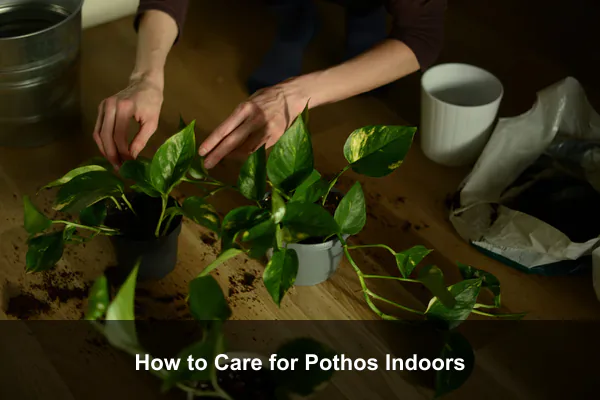
Pothos care is simple, but simple does not mean careless. The healthiest plants come from consistent light, thoughtful watering, breathable soil, and occasional pruning. The goal is to create stable conditions that support steady growth without overwatering.
Light Requirements
Pothos grows best in bright indirect light. This means the plant receives plenty of natural brightness without sitting in harsh direct sun for long periods. Near an east-facing window, a few feet from a bright south-facing window, or close to filtered light through a curtain can work well.
Low light is survivable, but growth will slow. Variegated pothos may also lose some patterning and produce greener leaves. If your plant becomes stretched, pale, or sparse, it likely needs more light.
Watering Routine
Water pothos when the top few centimeters of soil feel dry. In many homes, this may mean watering every 7 to 14 days, but the exact timing depends on pot size, light, season, humidity, and temperature. Avoid watering by calendar alone. Check the soil first.
When watering, soak the soil until water drains from the bottom of the pot, then discard excess water from the saucer. This encourages healthy roots and prevents mineral buildup. The most common pothos problem is not underwatering; it is overwatering combined with poor drainage.
Best Soil and Pot
Pothos does well in a light, well-draining indoor potting mix. A standard houseplant mix can work, especially if improved with perlite, orchid bark, or coco coir for better airflow. The pot must have drainage holes. Decorative outer pots are fine, but the plant itself should not sit in trapped water.
Temperature and Humidity
Pothos prefers average household temperatures, generally around 65 to 85 degrees Fahrenheit. It should be kept away from cold drafts, heating vents, and sudden temperature changes. Average indoor humidity is usually acceptable, though the plant may grow more vigorously with moderate humidity.
Fertilizing
Feed pothos lightly during spring and summer with a balanced houseplant fertilizer. Once a month at half strength is often enough for actively growing plants. Avoid overfertilizing, because excess fertilizer can burn roots and cause brown leaf edges. In fall and winter, reduce feeding because growth naturally slows.
How to Make Pothos Fuller, Longer, or Better Shaped
Many pothos owners eventually ask why their plant has long bare vines with leaves only at the ends. This is common. Pothos naturally trails, but indoor light and lack of pruning can make vines thin. The good news is that shaping pothos is easy.
Prune for Fuller Growth
Cut vines just above a node, which is the small bump where a leaf and aerial root can emerge. Pruning encourages branching and prevents the plant from becoming too stringy. You can place rooted cuttings back into the same pot to create a fuller appearance.
Train It to Climb
In nature, pothos climbs. Indoors, you can guide it up a moss pole, coir pole, trellis, wall clips, or plant ladder. Climbing can encourage larger leaves over time, especially when the plant receives good light and stable moisture.
Let It Trail
Trailing pothos works well from hanging baskets, tall shelves, bookcases, and wall-mounted planters. Rotate the pot occasionally so all sides receive light. This keeps growth balanced and prevents one-sided vines.
Refresh an Older Plant
If an old pothos looks tired, cut back leggy vines, root healthy cuttings, and replant them into the pot. This method renews the plant without needing to buy another one. It is also a good way to save a plant that has lost leaves after stress.
Pothos Propagation: The Easiest Way to Grow More Plants
Propagation is one of the most enjoyable parts of pothos care. Because nodes root readily, even beginners can grow new plants from cuttings. You can propagate pothos in water or directly in soil.
Water Propagation Steps
- Choose a healthy vine with several leaves.
- Cut below a node using clean scissors or pruning shears.
- Remove the lowest leaf if it would sit underwater.
- Place the cutting in a jar with clean water, making sure at least one node is submerged.
- Keep it in bright indirect light.
- Change the water every few days or whenever it becomes cloudy.
- Plant the cutting in soil once roots are a few inches long.
Soil Propagation Steps
Soil propagation skips the water-to-soil transition. Place a node directly into moist, well-draining potting mix. Keep the soil lightly moist but not soggy until roots develop. This method may show less visible progress than water propagation, but it can produce strong soil-adapted roots.
Common Propagation Mistakes
- Cutting without a node: A leaf stem alone will not grow into a full pothos plant.
- Using dirty tools: Unclean blades can introduce disease.
- Leaving cuttings in dark corners: Rooting needs bright indirect light.
- Waiting too long in water: Very long water roots can struggle when moved to soil.
- Planting in heavy wet soil: Young roots need oxygen as much as moisture.
Air Quality, Wellness, and Realistic Expectations
Pothos is often mentioned in discussions about indoor air quality. While laboratory studies have shown that some plants can absorb certain airborne compounds under controlled conditions, a few houseplants in a typical room should not be expected to purify indoor air on their own. Real-world air quality depends more on ventilation, source control, cleaning, humidity management, and filtration.
That said, pothos can still support a healthier-feeling indoor environment in practical ways. It adds greenery, encourages routine care, brings visual softness to hard surfaces, and may help people feel more connected to nature indoors. These benefits are meaningful, even when they are not the same as mechanical air purification.
Best Places to Use Pothos for Comfort
- Home office: Place a compact pothos near a desk where it receives indirect light.
- Living room: Let vines trail from a shelf to add height and movement.
- Kitchen: Use pothos on a bright counter away from heat and cooking oil.
- Bedroom: Keep it near filtered light, but away from pets that may chew leaves.
- Bathroom: Use it only if there is enough natural or strong artificial light.
Pothos Safety for Pets, Children, and Handling
Pothos is beautiful, but it is not edible. The plant contains insoluble calcium oxalate crystals, which can irritate the mouth, lips, tongue, and digestive tract if chewed or swallowed. This matters for homes with cats, dogs, toddlers, or curious children.
Pet Safety
If you have pets that chew plants, place pothos out of reach or choose a different plant. Hanging baskets, high shelves, or closed plant rooms may help, but determined cats can reach surprising places. If a pet bites pothos and shows drooling, vomiting, pawing at the mouth, or unusual behavior, contact a veterinarian.
Safe Handling Tips
- Wash your hands after pruning or propagating pothos.
- Keep cut stems and fallen leaves away from pets and children.
- Use gloves if you have sensitive skin.
- Do not use pothos leaves for herbal remedies, teas, or food decoration.
- Label plant cuttings if sharing them with households that have pets.
Common Pothos Problems and How to Fix Them
Pothos is hardy, but it can still develop problems when conditions are off. Most issues are related to water, light, pests, or potting conditions. The key is to diagnose the pattern rather than reacting to one leaf.
Yellow Leaves
One or two yellow older leaves can be normal. Many yellow leaves at once may signal overwatering, poor drainage, low light, or root stress. Check the soil moisture and pot drainage first. If the soil smells sour or stays wet for too long, inspect the roots.
Brown Leaf Tips
Brown tips may come from inconsistent watering, low humidity, fertilizer buildup, or mineral-heavy water. Flush the soil occasionally, reduce fertilizer strength, and water more consistently.
Leggy Vines
Long gaps between leaves usually mean the plant needs more light or pruning. Move it closer to bright indirect light and trim long bare vines. Root the cuttings and add them back to the pot for fullness.
Wilting Leaves
Wilting can mean the plant is thirsty, but it can also happen when roots are damaged from overwatering. Feel the soil before watering. Dry soil suggests the plant needs a drink. Wet soil with wilting leaves suggests root trouble.
Pests
Pothos can attract common houseplant pests such as spider mites, mealybugs, scale, and fungus gnats. Inspect leaves and stems regularly, especially under leaves and near nodes. Isolate affected plants and treat early with appropriate houseplant-safe methods such as wiping leaves, pruning damaged areas, improving airflow, and using insecticidal soap when needed.
Best Styling Ideas for Pothos at Home
Pothos is more than a backup plant for dark corners. With the right styling, it can become a strong design element. Its vines create lines, texture, and rhythm that many upright plants cannot provide.
Bookshelf Vines
Place pothos on a shelf and guide the vines along the edge. This works especially well with golden pothos or neon pothos because the leaf color breaks up books, ceramics, and storage boxes.
Hanging Basket Display
A hanging pothos basket can soften windows, corners, and ceiling lines. Choose a spot with enough indirect light and make sure watering is manageable. A lightweight nursery pot inside a decorative hanger can make maintenance easier.
Climbing Feature Plant
For a bolder look, train pothos upward on a moss pole or trellis. This creates a vertical green feature without needing a large tree-like plant. It is especially useful in small spaces where floor area is limited.
Water Cutting Station
Pothos cuttings in clear glass jars can be used as living decor while they root. Place them on a bright windowsill with indirect light. Keep the water clean and move cuttings to soil when roots are ready.
Buying Guide: How to Choose a Healthy Pothos
When buying pothos, choose a plant that matches your light conditions and care habits. A healthy plant should have firm leaves, visible new growth, and soil that is not foul-smelling or waterlogged.
What to Look For
- Leaves with good color and no widespread yellowing.
- Stems that are firm, not mushy.
- No sticky residue, webbing, cottony clusters, or visible pests.
- Roots that are not circling excessively out of the pot.
- A pot with drainage holes or a nursery pot inside a decorative cover.
Which Pothos Is Best for Beginners?
Golden pothos and jade pothos are usually the easiest choices. They tolerate imperfect light and recover well from routine mistakes. Highly variegated varieties like marble queen and N’Joy are beautiful, but they usually need brighter indirect light and may grow more slowly.
Conclusion
Pothos plant benefits and information are easy to understand once you see how adaptable this vine can be. It is attractive, low maintenance, easy to propagate, and flexible enough for shelves, desks, hanging baskets, moss poles, and small-space styling. While it should not be treated as an air purifier or edible wellness plant, pothos can make indoor spaces feel greener, calmer, and more personal.
For the best results, give your pothos bright indirect light, water only when the soil begins to dry, use a draining pot, prune regularly, and keep it away from pets or children who may chew the leaves. With those basics in place, pothos can grow for years and provide an easy entry point into the wider world of indoor plants.
